

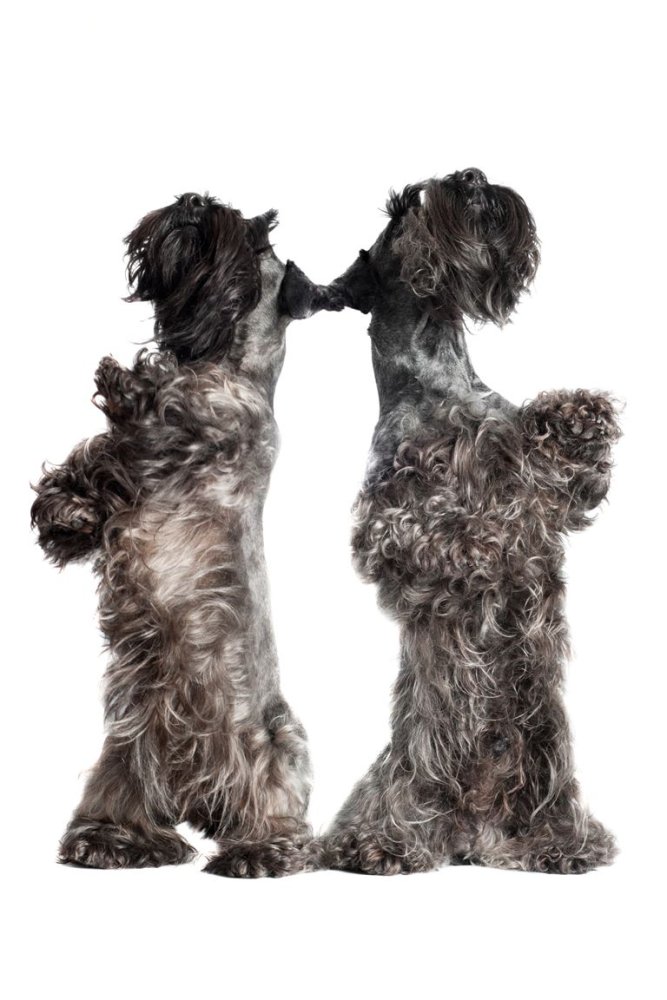
You might come across a Cesky Terrier in a park and do a double take. The silhouette reads “terrier”, but the coat falls in soft waves, and the face has that distinctive beard and eyebrows that make people wonder if it is a crossbreed.
Then the questions start to stack up. Are they as busy as other terriers, or a bit steadier? Do they really shed less? And what does “needs clipping” actually look like when you are the one doing the brushing, booking the groomer, and managing muddy paws on a rainy day.
The Cesky Terrier is a rare breed in many countries, including Australia, but it is well documented. If you are considering one, it helps to understand what was deliberately bred in, what is simply “small dog meets terrier instincts”, and what day to day care tends to feel like in a normal household.
- Breed group: Terrier
- Origin: Czech Republic (formerly Czechoslovakia)
- Typical size: 25 to 32 cm; 6 to 10 kg1, 2
- Life expectancy: often around 12 to 15 years (varies with lines and care)
- Coat: soft, wavy, clipped rather than hand-stripped3
Where the Cesky Terrier came from, and what it was meant to do
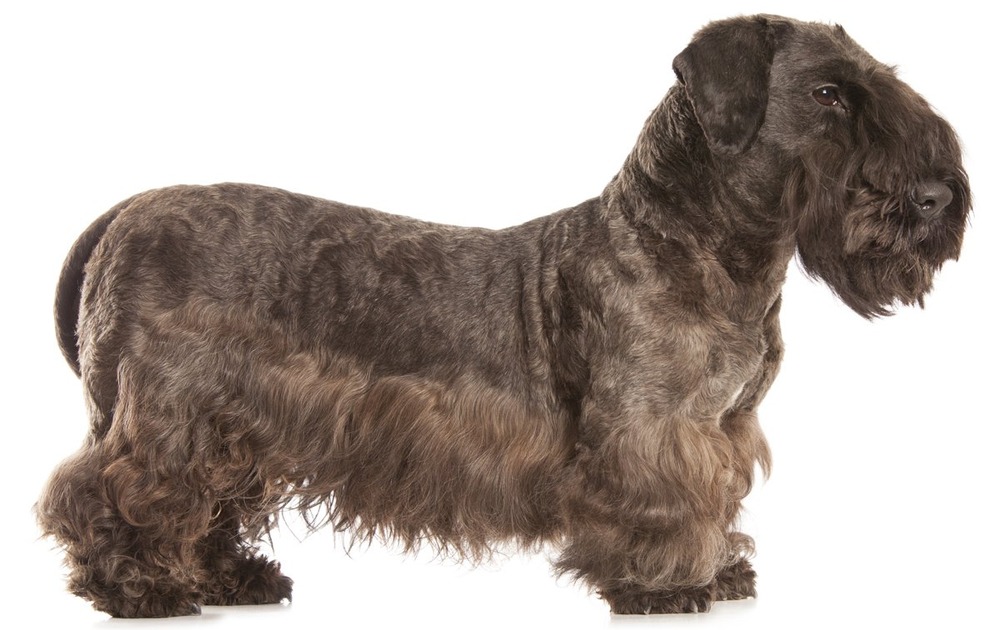
The Cesky Terrier (also called the Czech Terrier or Bohemian Terrier) was developed in the late 1940s by Czech breeder František Horák. His goal was practical: a small hunting terrier that could work in the forests of Bohemia, including going to ground, but with a temperament and coat that would make the dog easier to live with and maintain.3, 4
Horák crossed Scottish Terriers with Sealyham Terriers, selecting for features that suited his hunting style and local conditions. Over time, that selection produced a dog with a narrower build for working underground, drop ears, and a coat that lends itself to clipping.3
It helps to remember that “hunting terrier” does not automatically mean a dog that is unmanageable at home. It does, however, suggest a dog that benefits from purposeful daily activity, predictable boundaries, and enough enrichment to keep the mind from inventing its own jobs (often digging, scanning fences, or chasing movement).
Temperament in real homes
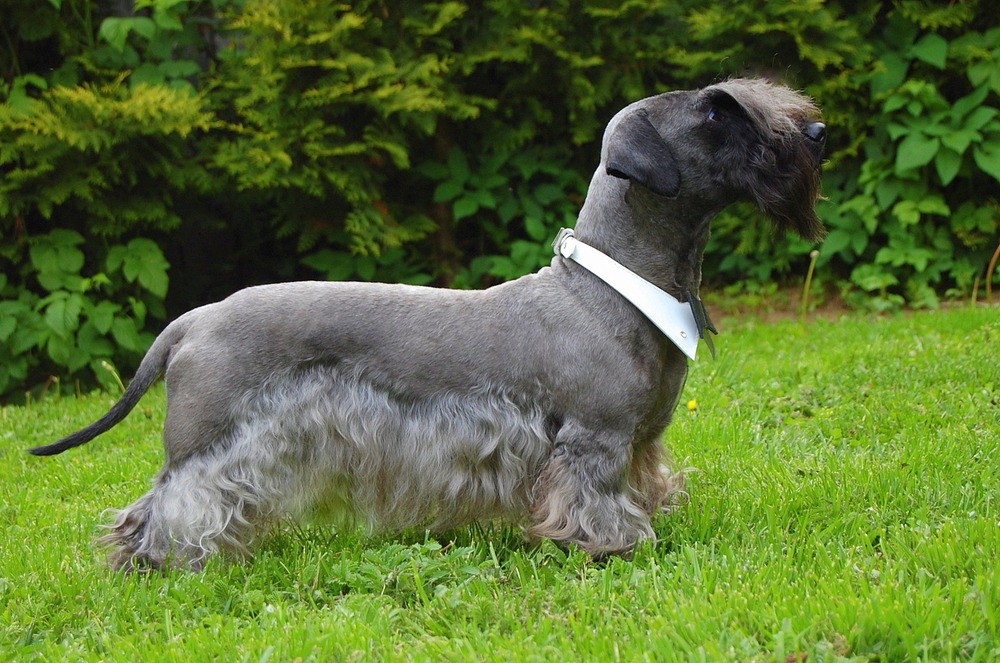
Breed standards often describe the Cesky as balanced and generally non-aggressive, with a calmer manner than many terriers, and sometimes a little reserved with strangers.2 In practice, that can look like a dog that watches first, warms up with polite introductions, and still has the classic terrier “opinions” once it feels at home.
Most families find that the Cesky’s social side is real, but it is not automatic. Early, well managed exposure to people, dogs, handling, grooming tools, car travel, and different surfaces matters. The goal is not to force confidence, it is to build familiarity so the dog has fewer reasons to react.
If you live with children or other pets, think in terms of supervision and good routines rather than assuming any breed is universally “good with kids”. Terriers can be sturdy little companions, but they also tend to be quick learners of patterns, including patterns that accidentally reward nipping games, chasing, or guarding favourite resting spots.
Body, coat, and the “low shedding” question
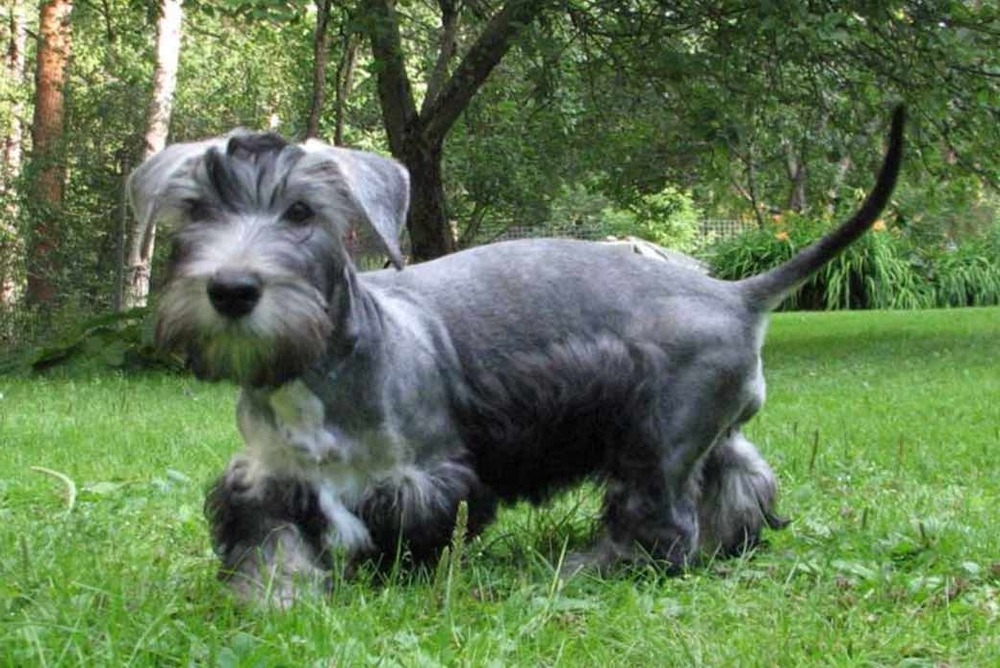
Cesky Terriers are small, solid dogs, typically around 25 to 32 cm at the withers and 6 to 10 kg, depending on sex and build.1, 2 The coat is soft and wavy, and the breed is usually kept in a clipped style that leaves furnishings on the legs and face.
You will often hear “low shedding” associated with this coat type. It can be true in the sense that you may see less loose hair around the house than with many short-coated breeds. But low shedding does not mean low maintenance. A coat that stays in the dog’s hairstyle rather than on your couch is also a coat that can mat, especially behind the ears, in the armpits, around the collar, and where a harness rubs.
For many owners, the turning point is accepting that brushing is a habit, not a rescue mission. A few calm minutes several times a week usually prevents the long, stressful sessions that happen when tangles have already tightened into mats.
Training and exercise that suits a Cesky Terrier
The Cesky is typically bright and responsive, and many do well with reward-based training. Terrier independence can still show up, especially outdoors, where scent and movement compete with your voice. It is less about “stubbornness” and more about what the dog has learned pays off.
If you want a smooth daily rhythm, it helps to keep training practical. Short sessions, clear cues, and rewards that match the distraction level tend to work better than long drills. Consider skills that support real life: recall foundations, polite greetings, calm on a mat, being handled for grooming, and walking nicely on lead.
Exercise needs are often described as moderate, but “moderate” works best when it includes variety. A couple of walks are useful, but so are sniffy decompression walks, simple scent games at home, and small bursts of play or training that let the dog think.
- Movement: daily walks plus short play sessions
- Enrichment: sniffing, food puzzles, basic tracking games
- Terrier management: secure fencing and a lead plan around wildlife
Health, screening, and what to watch over a lifetime
No breed comes with guarantees, and with rare breeds it is especially important to talk to breeders about what they actually see in their lines, not only what appears on generic lists. Breed clubs and kennel bodies often provide guidance on conformation and temperament, while your vet helps interpret what that means for your individual dog’s body and lifestyle.1, 2
Issues sometimes discussed in relation to the breed include eye disease (such as progressive retinal atrophy in some lines) and orthopaedic concerns seen across many small to medium breeds. The most useful approach is evidence-based screening: ask what health tests the parents have had, request documentation, and talk through the results with your vet if anything is unclear.
Regardless of genetics, everyday preventive care shapes outcomes. Keeping a Cesky lean, fit, and well conditioned tends to support joints and stamina as the dog ages. Regular checks of ears, skin, and eyes are also worthwhile, particularly with a coat that can hide early irritation.
Grooming that stays manageable
Grooming is where many Cesky owners either find their groove or feel overwhelmed. The good news is that the breed’s coat is designed to be clipped, which can be simpler than hand-stripping routines required by some other terriers. The tricky part is consistency between clips.
A helpful baseline is regular brushing and combing to prevent mats, plus professional clipping on a schedule that suits your dog’s coat and your preferred length. As a general principle, long-coated dogs need more frequent brushing to prevent tangles becoming painful mats.5
It also pays to introduce grooming like a training plan. Start with seconds, not minutes. Touch, reward, stop. Build slowly so the dog learns that handling is predictable and safe.
Do not forget teeth. Small dogs can be prone to dental disease, and brushing is still the gold standard if you can train it gently and consistently, using dog-safe toothpaste.6, 7
Feeding and weight management
Most Cesky Terriers do best on a balanced, complete diet appropriate for their age and activity, with portions adjusted to keep a clear waist and easy-to-feel ribs. In terriers, extra weight can sneak on quickly, especially when training treats and “just a little something” become daily habits.
If you are unsure about amounts, a vet check that includes a body condition score can be more useful than relying on packet guides alone. It gives you a practical target, then you adjust up or down over a few weeks.
When treats matter for training, you can keep things steady by using part of the day’s kibble as rewards, choosing small soft treats, or swapping some treats for play, praise, or sniffing breaks, depending on what your dog finds reinforcing.
Final thoughts
The Cesky Terrier often suits people who like terrier character but want a dog that can also settle and share a home rhythm. The coat and grooming are real commitments, but for many owners they are manageable once they become routine rather than occasional projects.
If you are drawn to the breed, look for a breeder who can talk comfortably about temperament, socialisation, and health testing, and who welcomes thoughtful questions. For a rare breed, good mentorship matters, because lived experience fills in the details that breed summaries miss.
References
- The Kennel Club (UK): Cesky Terrier breed standard
- Dogs Australia: Cesky Terrier breed standard
- Cesky Terrier Club (UK): Development (František Horák’s account)
- American Kennel Club: Facts about the Cesky Terrier
- RSPCA Pet Insurance: Guide to dog cleaning and grooming
- RSPCA Pet Insurance: Guide to dog dental care
- RSPCA Queensland: Dog teeth cleaning and dental care
- American Kennel Club: Breeds by year recognised