

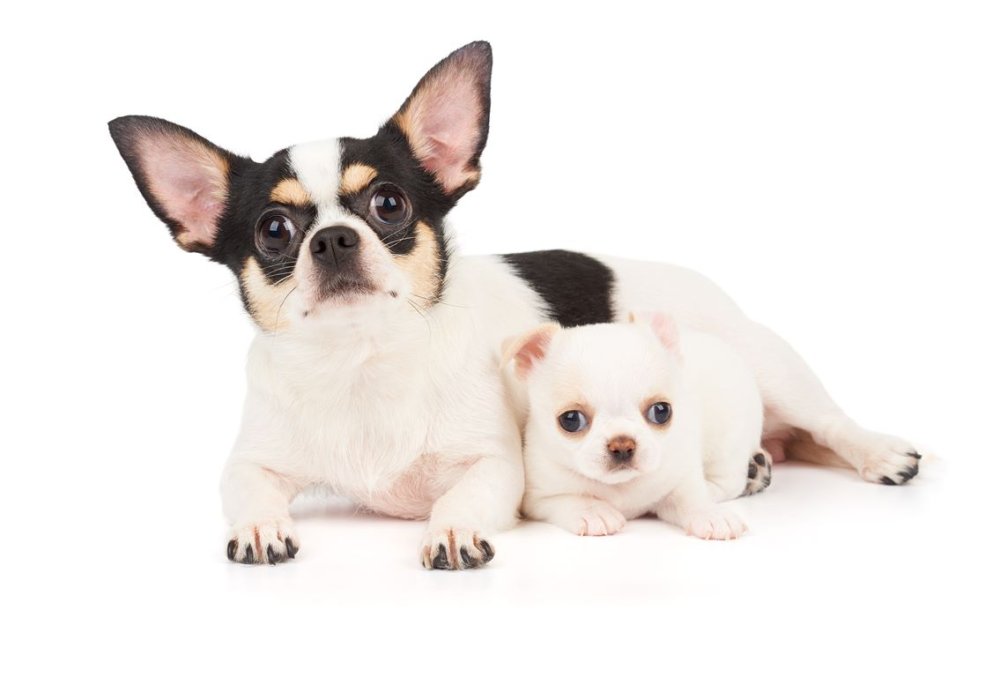
You usually meet a Chihuahua in a doorway, tucked under an arm, or trotting along with a prance that seems out of proportion to their size. Then, later, you notice the other side of the breed: the sudden alarm barking, the shiver that is not always about fear, the way a tiny body can feel surprisingly heavy with responsibility when you are trying to keep them safe.
Chihuahuas are often described as “big dogs in small bodies”, which is partly true and partly unhelpful. Their behaviour makes more sense when you remember they are still dogs, with normal canine needs for predictable routines, gentle handling, and the chance to feel secure in their environment.
For anyone living with a Chihuahua, or considering one, it helps to look past the stereotypes. This breed can be deeply companionable and very adaptable, but they also come with a handful of practical considerations around training, health, and day to day management.
At a glance: Chihuahua essentials
Breed group: Toy
- Origin: Mexico
- Typical adult weight: often 1.5 to 3 kg, depending on bloodline and standard (many pet dogs are heavier)
- Coat: Smooth or long
- Exercise needs: modest, with regular daily movement and enrichment
- Common challenges: barking, sensitivity to cold, dental crowding, kneecap issues
- Life expectancy: often well into the teens with good care
History and cultural roots
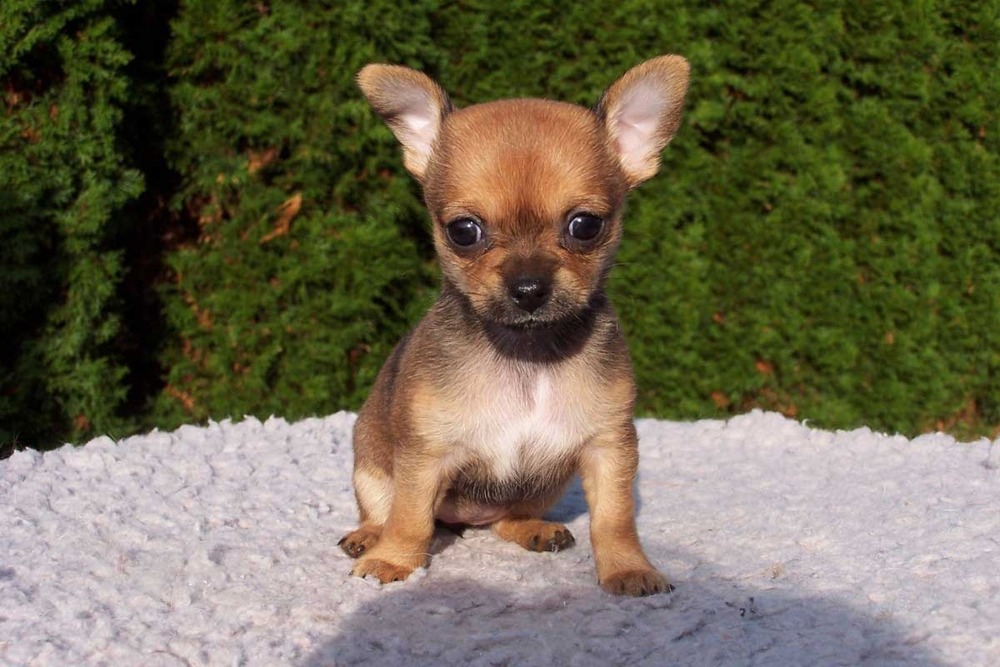
The modern Chihuahua is closely linked with Mexico, and the breed’s story is often told alongside older companion dogs from the region. You will sometimes hear the Techichi mentioned, a small dog associated with the Toltec civilisation, but the details are not tidy. As with many ancient breed origin stories, there is a mix of archaeology, art, and inference, and a good dose of folklore layered over the top.
What is clearer is how the Chihuahua became widely recognised outside Mexico in the late 19th century, as travellers brought small dogs north across the border and interest grew. Over time, kennel clubs formalised breed standards and the Chihuahua became a familiar companion dog around the world.
In practice, the cultural significance matters less than the legacy it leaves in the dog itself. Chihuahuas were shaped to live close to people, and most still do best when they are treated as part of the household, not as a novelty pet.
Size, appearance, and what “breed standard” really means
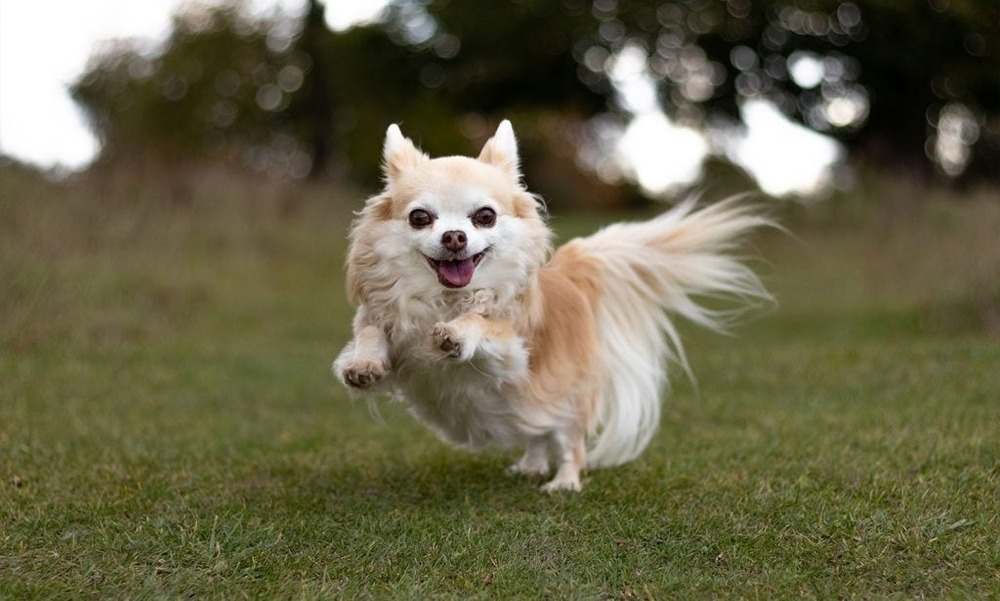
Chihuahuas are widely recognised as the smallest dog breed, but there is still plenty of variation between individual dogs. Some are fine boned and delicate, others are sturdier, and many much loved family Chihuahuas sit outside show ring weights.
Kennel club standards tend to focus heavily on weight. For example, the American Kennel Club standard describes an adult Chihuahua as not exceeding 6 pounds (about 2.7 kg).1, 2 The FCI standard (used in many countries) describes an ideal weight between 1.5 and 3 kg, with dogs over 3 kg disqualified in the standard.3 If your Chihuahua is heavier than that, it does not automatically mean they are unhealthy, but it is a cue to look at body condition with your vet rather than focusing on the number alone.
Coat comes in two varieties, smooth and long, and colours can be almost anything. You may also hear “apple head” and “deer head” used informally. These labels can describe a general look, but they are not a guarantee of temperament or health. It is more useful to assess the individual dog in front of you, including how they move, breathe, and cope with handling.
Temperament and everyday behaviour
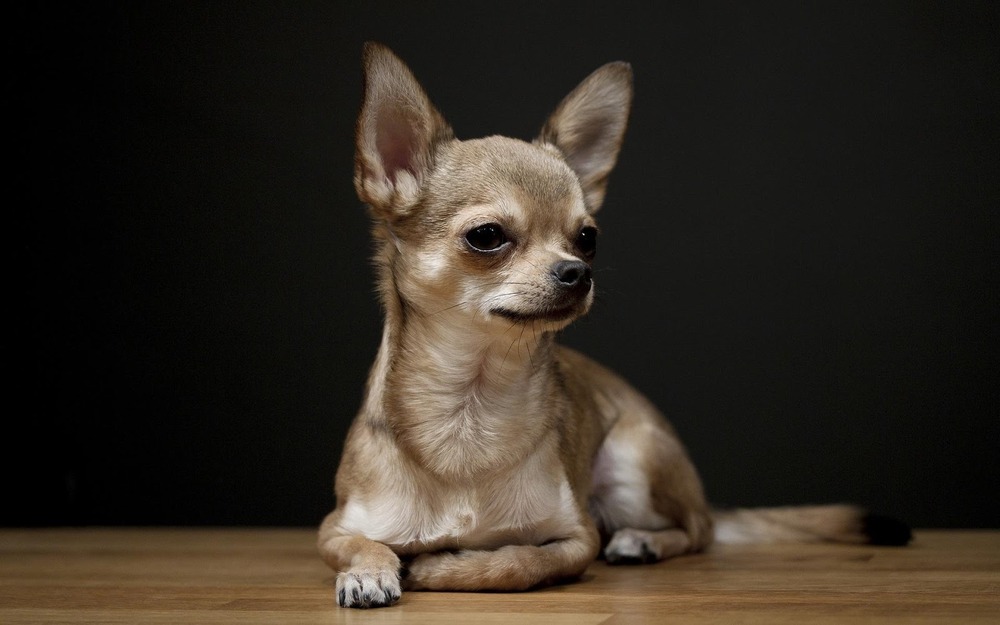
A Chihuahua’s personality often feels vivid. Many are watchful, quick to respond to movement and sound, and strongly oriented towards their primary person. That can look like loyalty, and it can also look like over-dependence if the dog never gets the chance to build confidence.
It is common for Chihuahuas to be labelled “snappy” or “yappy”. Sometimes that is a genuine behaviour concern, and sometimes it is a predictable response to being scooped up, crowded, startled, or handled roughly. Small dogs have fewer ways to create distance, so they often communicate early and loudly.
In a calm home with consistent boundaries, many Chihuahuas are affectionate companions who enjoy being close without needing constant attention. They generally do best with people who notice subtle signals, respect the dog’s space, and avoid turning the dog into a constant handbag passenger.
Children and other pets
With children, the main issue is rarely “temperament” and more often physics. A tiny dog can be injured by an accidental fall, a door swinging shut, or a well-meaning cuddle that becomes too tight. Chihuahuas often suit households with older children who can practise gentle handling and give the dog space to rest.
With other pets, early socialisation helps, but management matters just as much. Some Chihuahuas are bold and will rush larger dogs without understanding the risk. Others prefer distance. Aim for calm introductions and choice, rather than forcing “friendship”.
Training and exercise that fits a tiny dog
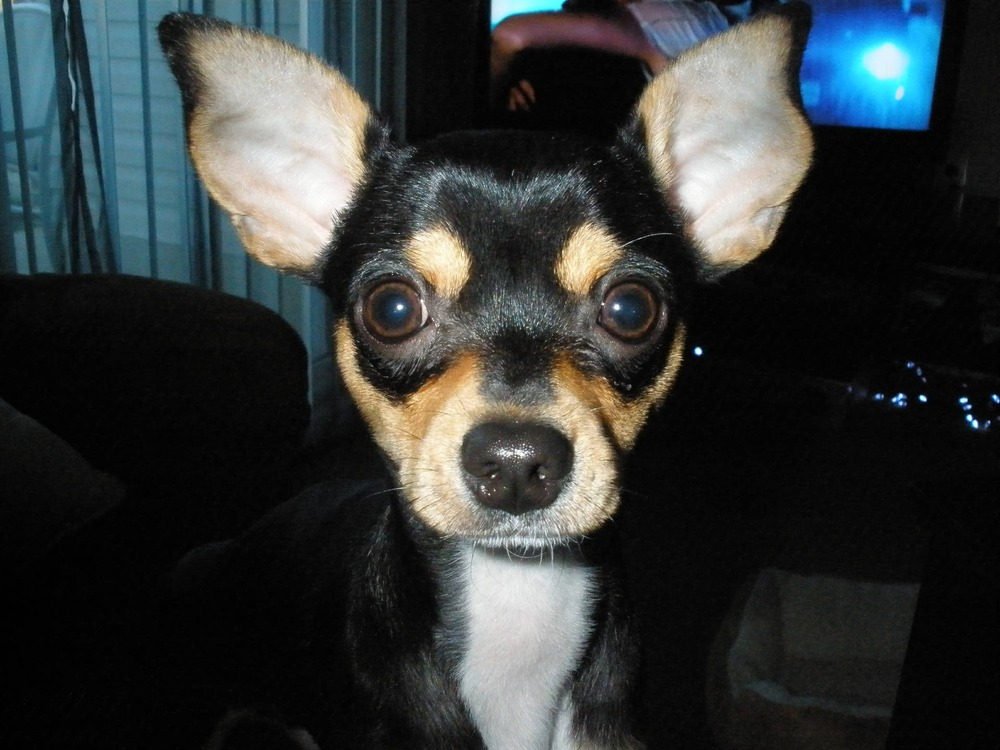
Chihuahuas are often bright, but they are not always compliant. If training becomes repetitive or tense, many will disengage. The most reliable progress usually comes from short sessions, clear cues, and rewards that genuinely matter to the dog.
Early socialisation is especially helpful for this breed, not to create a dog that loves every stranger, but to reduce the “everything is a threat” default setting. Exposure should be gradual and well managed, with plenty of distance and escape routes.
Exercise needs are usually modest, but they are still real. Most adult Chihuahuas benefit from a couple of short walks a day plus indoor play and sniffing activities. Watch for cold weather, hot pavements, and big-dog play that becomes overwhelming. Harnesses are often preferred over collars for many small dogs, especially if the dog is prone to coughing or airway sensitivity.
- Good everyday activities: gentle fetch indoors, food puzzles, short sniff walks, basic tricks, “find it” games with treats
- When to scale back: persistent coughing, overheating, limping, reluctance to move, or stress signals such as freezing and frantic scanning
Health considerations across a long lifespan
Chihuahuas often live a long time, which is one of the quiet joys of sharing life with them. Longevity also means you are more likely to manage age-related change: dental disease, heart murmurs, arthritis, and sensory decline can all appear gradually.
Dental crowding and periodontal disease
Small mouths often mean crowded teeth, which can make plaque control harder. Home dental care, especially tooth brushing, is widely recommended as the most effective way to reduce dental disease risk.4, 5 If brushing feels unrealistic, start smaller: handling the muzzle calmly, touching the lips, and building up to a cloth or brush over weeks rather than days.
Never use human toothpaste, as many products are not designed to be swallowed and can upset a dog’s stomach.4, 5
Kneecap problems (patellar luxation)
Patellar luxation, where the kneecap slips out of place, is frequently mentioned in toy breeds and appears in breed standards as a serious fault.3 If you notice skipping, sudden limping, or a “hopping” gait that comes and goes, it is worth a veterinary check before the pattern becomes normalised.
Airway sensitivity and coughing
Some Chihuahuas are prone to a dry, “honking” cough, which can be associated with tracheal collapse in toy breeds. Merck Veterinary Manual notes it is most common in toy and miniature breeds, and that signs can worsen with excitement, exercise, heat, or obesity.6 A persistent cough is not something to self-diagnose, as heart disease, airway inflammation, and other conditions can look similar.
Heart disease in small breeds
Degenerative mitral valve disease is commonly diagnosed in small breed dogs, often as they reach middle age and beyond. It may start as a heart murmur long before obvious symptoms appear.7 Regular check-ups matter here, because early detection can guide monitoring and treatment timing.
Grooming and day to day comfort
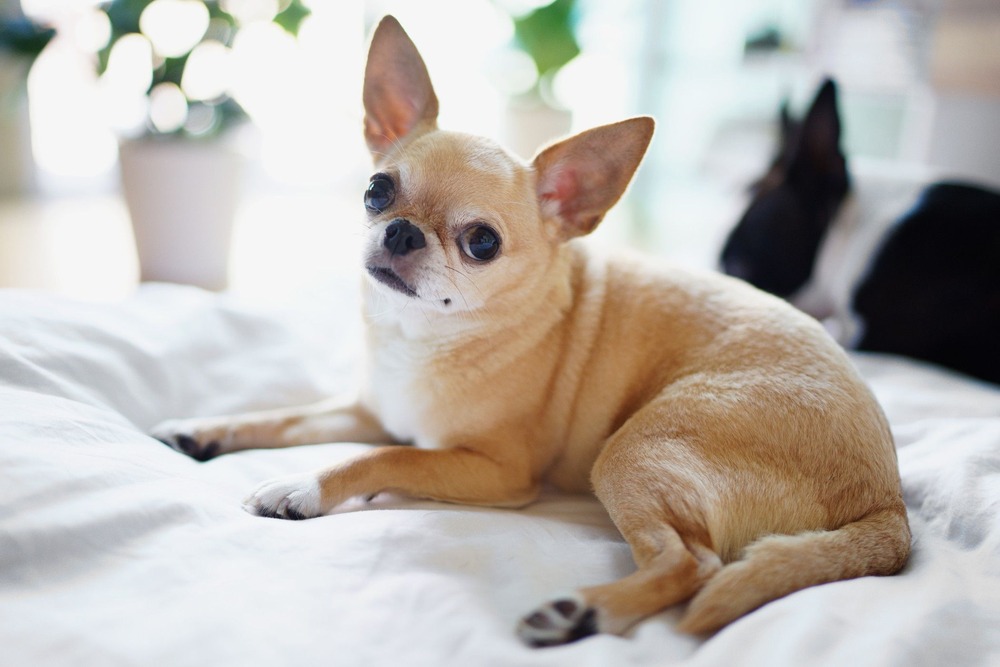
Grooming needs are usually manageable, but not zero. Smooth-coated Chihuahuas often do well with a weekly brush and occasional bath. Long-coated Chihuahuas need more frequent brushing to prevent tangles, especially behind the ears, under the collar area, and around the “trousers” on the back legs.
What owners often notice first is temperature sensitivity. Many Chihuahuas seek warmth, dislike cold tiles, and do better with coats in winter and bedding that keeps them off draughty floors. In hot weather, the risks flip: small dogs can overheat quickly, particularly if they are overexercised or kept in direct sun.
Make grooming a low-pressure routine. Short sessions, steady hands, and a predictable sequence help many Chihuahuas tolerate brushing, nail trims, and body checks without turning it into a daily negotiation.
Food, treats, and the “tiny appetite” myth
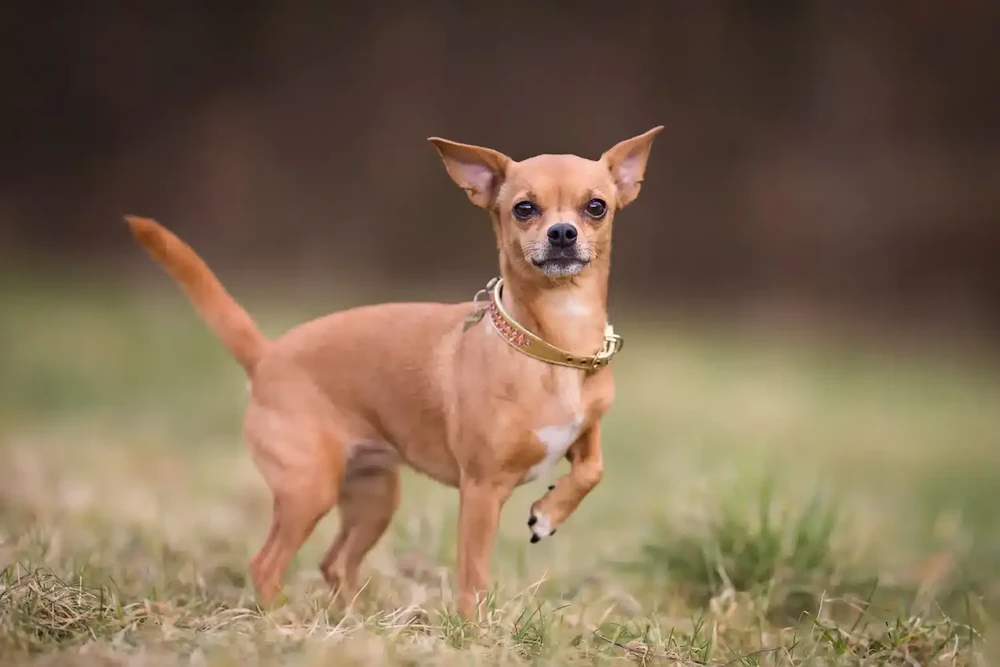
Chihuahuas can be fussy, but they are not fragile by default. The bigger risk is accidental overfeeding, because a few extra bites can represent a large percentage of a small dog’s daily energy needs. If you are using treats for training, reduce meal portions accordingly.
A complete and balanced diet appropriate for small breeds is usually the simplest baseline. If you are considering a home-prepared diet, involve a veterinary professional to ensure it is nutritionally complete, not just appetising.
Some human foods are genuinely dangerous for dogs. For example, chocolate can cause serious poisoning, and onions and garlic can damage red blood cells.8 When in doubt, treat “sharing” as a management decision, not a default kindness.
Living well with a Chihuahua
Chihuahuas thrive when life is readable. They tend to do best with routines, gentle boundaries, and handling that respects their size. If you get those foundations right, many of the classic problems, such as constant barking, guarding, or nervousness around strangers, become more workable.
It is also worth remembering that “tiny” is not the same as “low maintenance”. A Chihuahua may not need long runs, but they often need thoughtful social experiences, good dental habits, and protection from preventable injuries. Confidence is built in small moments, such as letting them approach at their own pace, rewarding quiet behaviour, and giving them safe places to rest undisturbed.
If you are choosing a Chihuahua, spend time with adult dogs where possible, ask direct questions about health screening, and look for breeders and rescues who prioritise temperament and soundness over extreme miniaturisation. In a well-matched home, a Chihuahua can be a steady, funny, devoted companion for many years.
References
- Chihuahua Club of America: Official Breed Standard
- American Kennel Club: Breed Weight Chart (Chihuahua)
- FCI Chihuahua Breed Standard (comparison excerpt)
- RSPCA Australia: Importance of dental health
- Greencross Vets: Dental home care for pets
- Merck Veterinary Manual (Dog Owners): Tracheal collapse in dogs
- VCA Animal Hospitals: Mitral valve disease in dogs
- ABC News: Common foods that can poison your dog