

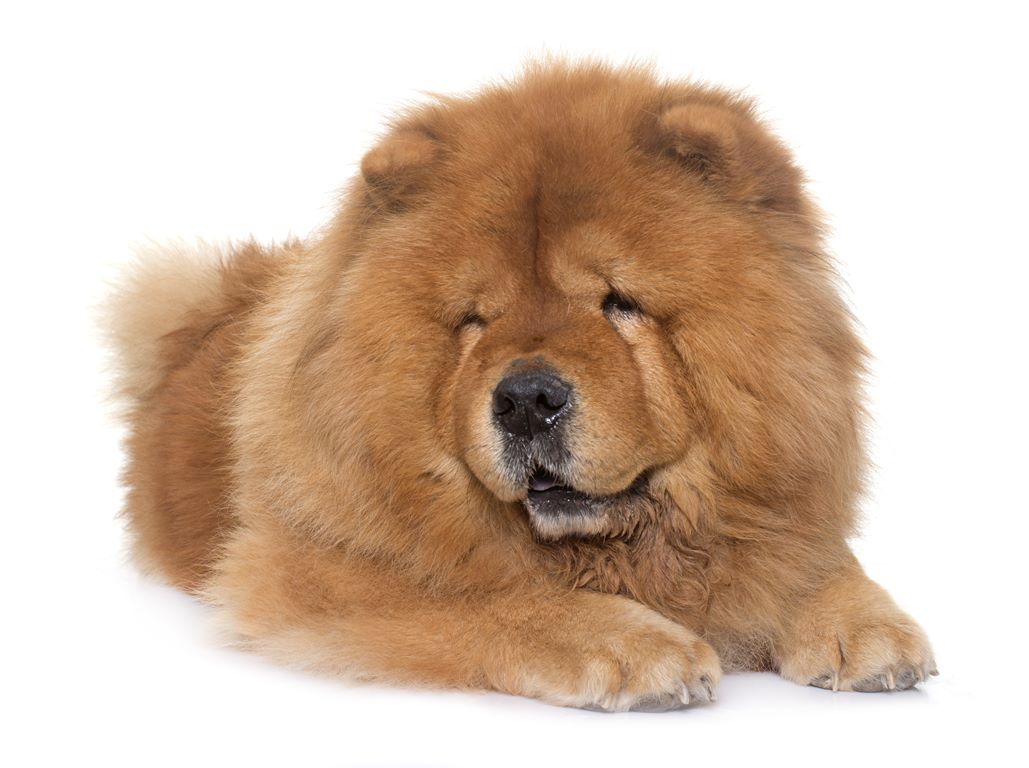
People often notice a Chow Chow the same way they notice a fog rolling in, quietly, unmistakably, and with a certain presence. You might see one on a lead at the park that does not rush to greet anyone, or meet a friend’s Chow who watches from the doorway like it is taking stock. The coat looks plush and inviting, but the dog’s manner can be surprisingly self-contained.
That contrast is where most of the real questions begin. Are they “unfriendly”, or simply selective? Do they need less exercise because they are low energy, or because heat and heavy coat change what “enough” looks like? Living well with a Chow Chow tends to be less about “fixing” them, and more about learning what this breed is built for and what it is not.
They can be deeply steady companions in the right home, but they are rarely a “go with the flow” family dog. The choices you make early, especially around socialisation, handling, and grooming, shape the adult dog you end up sharing your space with.
Chow Chow profile at a glance
If you are weighing up whether a Chow Chow suits your household, it helps to start with the practical basics.
- Origin: Northern China
- Group: Non-sporting (classification varies by kennel club)
- Height: About 43 to 51 cm at the shoulder (varies by standard and sex)1
- Weight: Commonly around 20 to 32 kg, depending on sex and build1
- Life expectancy: Often quoted as 8 to 12 years (individuals vary)1
- Coat: Dense double coat (rough or smooth)
- Notable trait: Solid bluish-black tongue and dark mouth pigmentation are part of breed standards2
- General temperament: Typically independent, loyal, and aloof with strangers1, 3
Where the Chow Chow comes from, and what that still means today
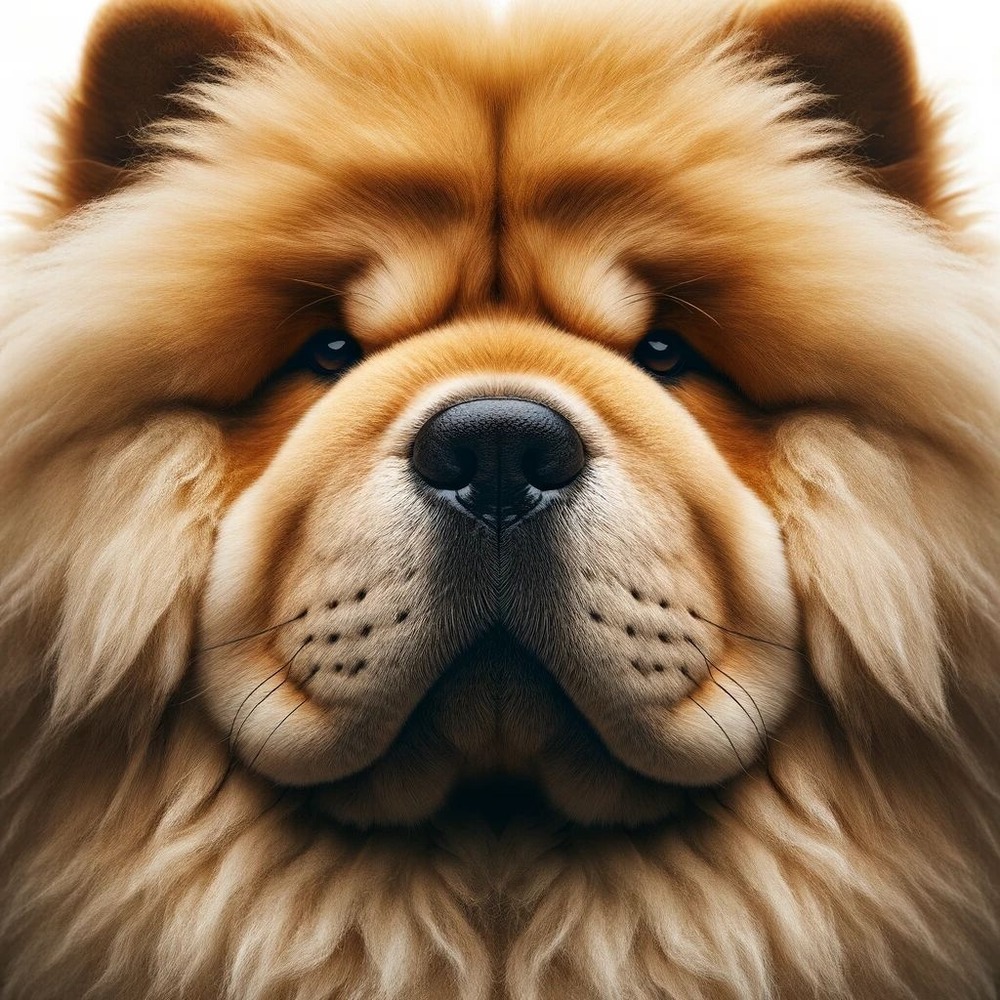
The Chow Chow is commonly described as an ancient breed from China, and while the timelines you see online are often broad estimates, there is good agreement that Chows have a long history as multipurpose dogs, including guarding and hunting roles.1 When you live with one, that “do my own assessment first” attitude makes more sense in context.
The breed’s physical design also tells part of the story. A compact, sturdy build, a dense coat, and a naturally reserved style can be useful traits in harsher conditions and in roles where steadiness mattered more than sociability. Modern companion Chows still carry a lot of those tendencies.
One detail that people remember is the tongue. The solid bluish-black tongue and dark mouth pigment are recognised in breed standards, and the exact biological reason for this pigmentation is not fully known.2 It is best seen as a breed hallmark rather than a health indicator.
Temperament and social behaviour, reading the “aloof” reputation accurately
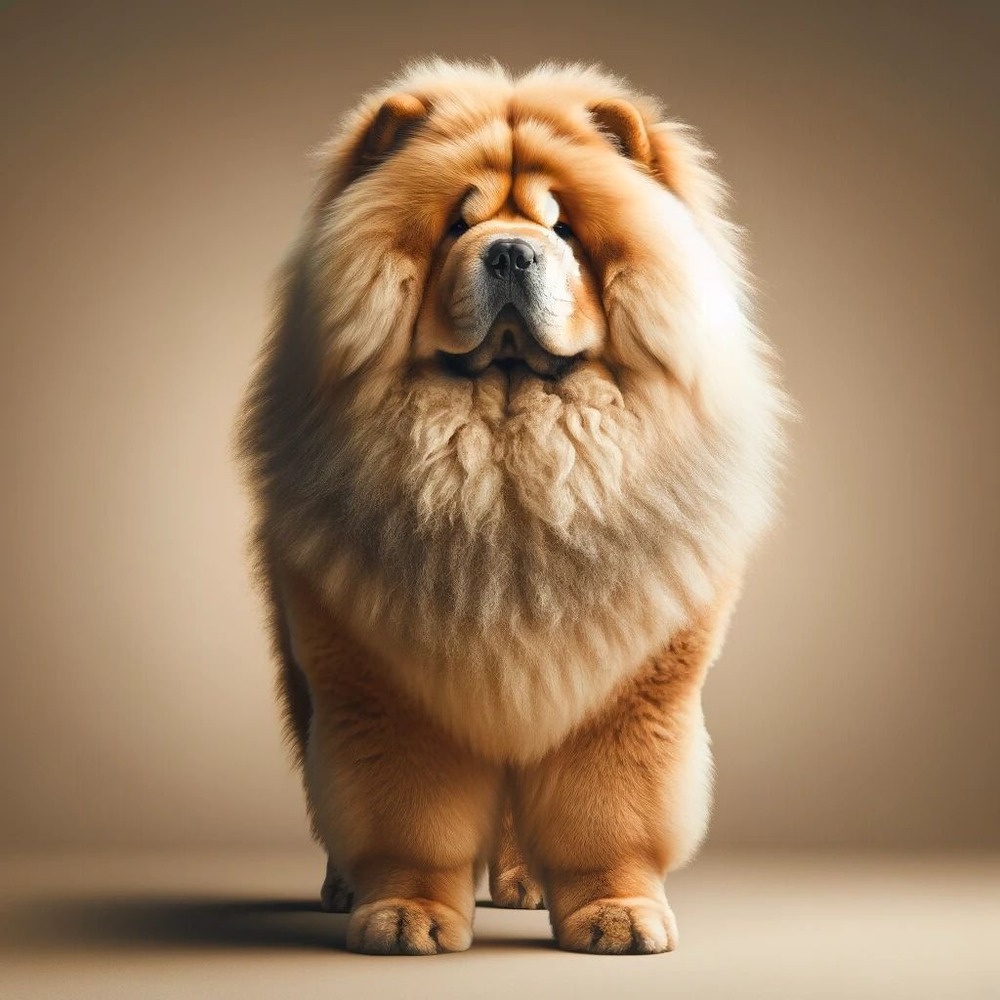
Many Chow Chows are not socially “busy” dogs. They can be quiet, observant, and selective about contact, especially with unfamiliar people. Breed standards and club descriptions often use words like independent and aloof, which can be helpful shorthand as long as we do not mistake it for a flaw.1, 3
In day to day life, this can look like a dog that prefers to stand slightly behind you rather than in front, or one that accepts a pat from a familiar person but does not seek it out. That is not the same thing as aggression. It does mean you should take introductions slowly and avoid forcing interactions, particularly with visitors who assume every dog wants to be greeted.
What often matters most is how well the dog has been taught, over time, that handling and unfamiliar situations are safe. With Chows, calm exposure usually does more than high-energy social scenes.
Chow Chows in families, children, and other pets
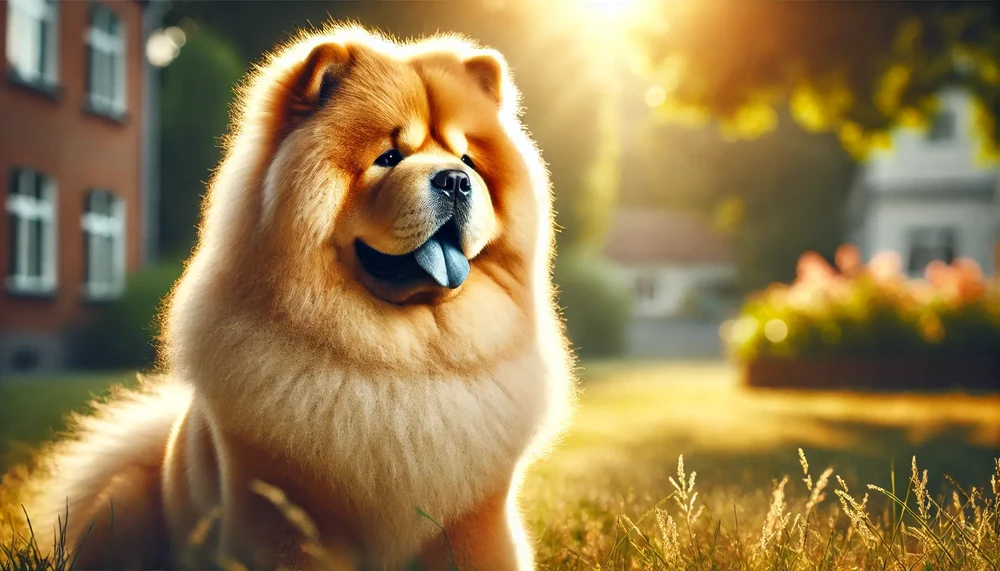
Chow Chows can live well in family homes, but they are often better suited to households that value a calmer dog and are realistic about supervision. Around children, the focus should be on respectful handling, predictable routines, and giving the dog genuine rest spaces. A Chow that is repeatedly hugged, climbed on, or crowded may tolerate it for a while, then decide it is not worth the effort.
If you have other pets, early and thoughtful introductions matter. Some Chows will happily coexist with another dog or a cat, particularly if raised together, while others prefer more distance. It is wise to assume you will need structured management at the beginning, such as barriers, parallel walks, and separate feeding areas, rather than expecting instant friendship.
As a guard-type companion, a Chow is often more “watchful” than “noisy”. They may alert and hold their ground, but they are not typically the kind of dog that barks at everything that moves.
Training and exercise, what works with an independent breed
Chow Chows are not usually motivated by endless repetition, and that can be misread as low intelligence. In practice, many learn quickly, then decide whether the task is worth doing. Training tends to go best when it is short, consistent, and rewarding, with a strong emphasis on cooperative handling.
Useful priorities for most pet Chows include:
- Handling skills: being brushed, having paws checked, calm collar and harness fitting
- Loose lead walking: steady, low-stress outings
- Settle and boundary cues: beds, doorways, and visitor routines
- Neutral socialisation: learning to observe without needing to approach
Exercise needs are usually moderate. Many adult Chows do well with daily walks and some gentle mental work at home, like sniffing games or food puzzles. The bigger factor is often weather. Their coat and build can make them less tolerant of heat, so it is sensible to walk in the cooler parts of the day and watch for early signs of overheating.4, 5
Heat sensitivity and summer management
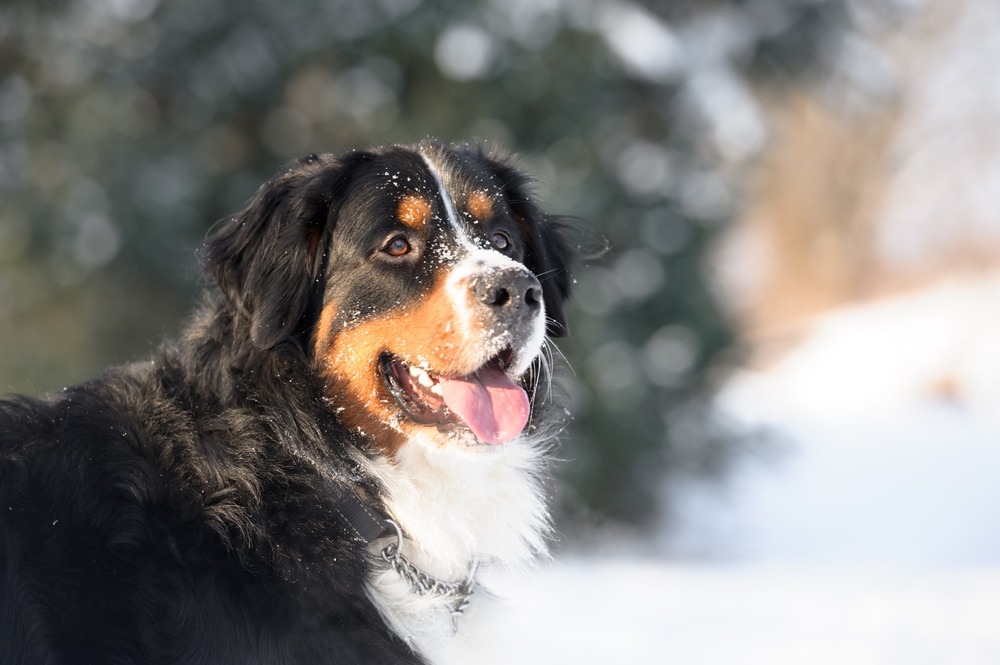
A thick-coated dog can struggle in hot, humid conditions, even if they seem “fine” at the start of the walk. Heat stress in dogs is serious and can escalate quickly, so it helps to know the basic risk factors and signs.4, 5
Practical habits that suit many Chow households include:
- Walking early morning or later evening, and keeping sessions shorter on hot days4, 5
- Providing shade, ventilation, and multiple water options, especially if the dog spends time outdoors4
- Skipping intense play when it is warm, and using indoor enrichment instead
If you see heavy panting that does not settle, drooling, weakness, vomiting, confusion, or collapse, treat it as urgent. Start cooling with tepid or cool water and seek veterinary help immediately.4, 5
Health considerations seen in the breed
No breed is free of health concerns, and with Chow Chows it is worth being aware of a few issues that come up regularly in veterinary and breed discussions. This is not a diagnosis list, but it can guide what you ask breeders and vets about.
Hip dysplasia is a developmental condition where the hip joint does not form as it should, which can contribute to pain and arthritis over time. Screening and responsible breeding practices can reduce risk, even though they cannot eliminate it entirely.6
Entropion (where the eyelid rolls inward) is another condition associated with some breeds and can cause discomfort and corneal damage if not addressed. If you notice squinting, tearing, or rubbing at the face, it is worth getting the eyes checked promptly.7
When choosing a puppy, it is reasonable to ask what health testing the parents have had, and to look for breeders who are comfortable discussing both strengths and weaknesses in their lines. A good vet relationship early on helps too, especially around growth, weight, and skin and coat care.
Coat care, grooming, and handling without a wrestling match
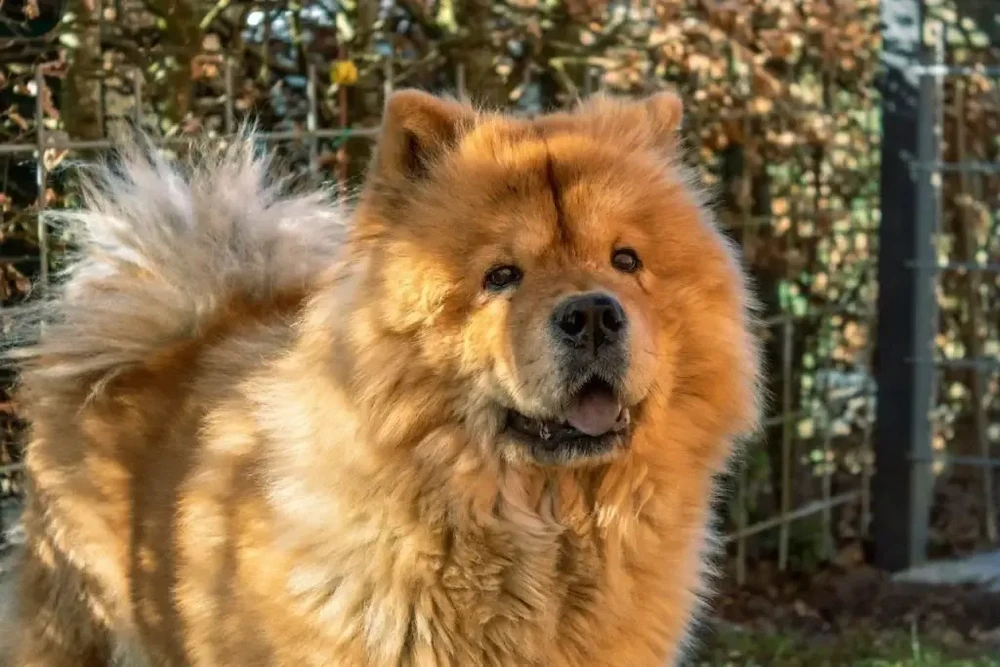
The Chow coat is beautiful, but it is not low maintenance. Expect regular brushing to prevent matting, manage shedding, and keep the skin in good condition. For many owners, the real challenge is not the brushing itself, it is teaching the dog to accept it.
A few small choices can make grooming more sustainable:
- Start with very short sessions and finish before the dog becomes restless.
- Reinforce calm behaviour, and build a predictable routine around grooming.
- Check friction areas carefully, including behind ears, under the collar, armpits, and the “trousers” at the back legs.
If your Chow is prone to overheating, avoid shaving as a default solution. Coat management is more about keeping the coat clean, brushed, and free of compacted undercoat. If you are unsure what is safe for your dog’s coat type and lifestyle, your vet or a breed-experienced groomer can help.
Feeding and weight management, supporting joints and coat
Chow Chows do best on a diet that is complete and balanced for their life stage, with portions adjusted for their activity level. If your Chow is naturally low to moderate energy, it can be easy for weight to creep up, and extra weight can increase the load on joints over time.
General nutrition guidance from veterinary organisations emphasises choosing diets that meet established standards, and seeking professional advice when you are combining commercial diets with home-prepared foods or supplements.8
If you are considering supplements for skin, coat, or joints, it is worth discussing them with your vet first. Some are appropriate in specific cases, but more is not always better.
Is a Chow Chow the right fit?
A Chow Chow tends to thrive with people who like steady routines, do not need a dog that greets every stranger, and are comfortable building trust slowly. They often suit owners who take handling and boundaries seriously, and who will keep up with grooming even when life gets busy.
They are less suited to households that want a highly social, highly biddable dog, or homes where visitors frequently pat dogs without asking. With Chows, good management is part of good care.
If you are meeting adult Chows before deciding, pay attention to the dog’s comfort signals. A relaxed body, the ability to disengage, and calm curiosity tell you far more than whether the dog runs up for a cuddle.
References
- American Kennel Club (AKC): Chow Chow dog breed information
- American Kennel Club (AKC): Why do Chow Chows have blue tongues?
- The Kennel Club (UK): Chow Chow breed standard
- RSPCA Australia: Warm weather worries, protect pets from heatstroke
- RSPCA Pet Insurance: Heatstroke (hyperthermia) guide for cats and dogs
- Orthopedic Foundation for Animals (OFA): Hip dysplasia overview
- Merck Veterinary Manual: Entropion in dogs and cats
- World Small Animal Veterinary Association (WSAVA): Global Nutrition Guidelines