

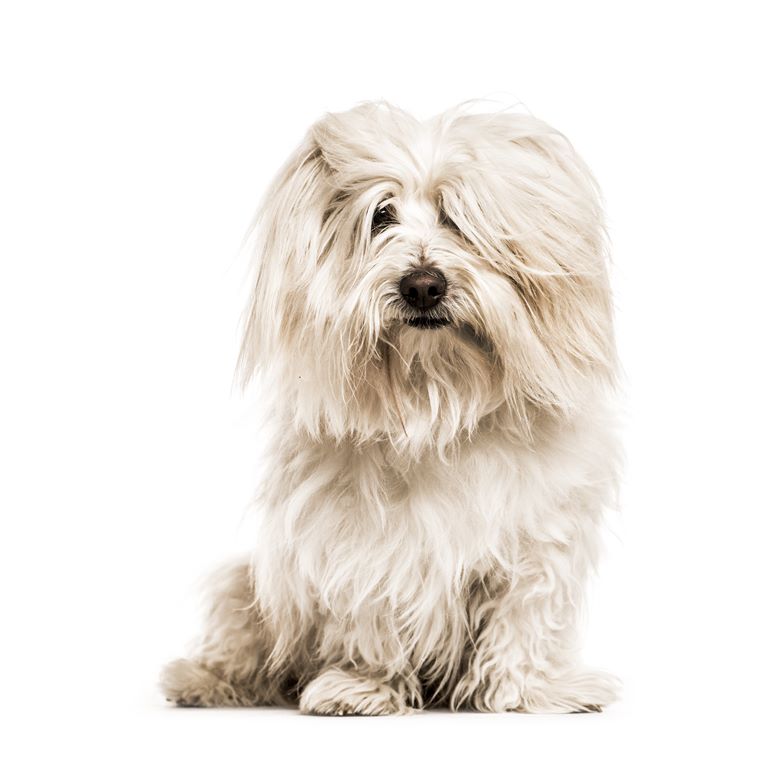
People usually meet the Coton de Tuléar in ordinary places, a neighbour’s lounge room, a grooming salon, a café footpath. A small white dog with a soft, airy coat, bright eyes, and an insistence on being involved. It can look like a low-effort lap dog at first glance, the kind that simply comes along for the ride.
Then you notice the details. That coat needs care. The dog watches you closely, learns patterns quickly, and can become unsettled if left out of the daily rhythm. The Coton is often described as “hypoallergenic”, too, which is partly why people seek the breed out, but it is worth knowing what that claim can and cannot promise in real homes.
When a Coton fits, it fits beautifully. The practical side is making sure their grooming, training, and social needs match your household, not just your aesthetic.
History and origin of the Coton de Tuléar
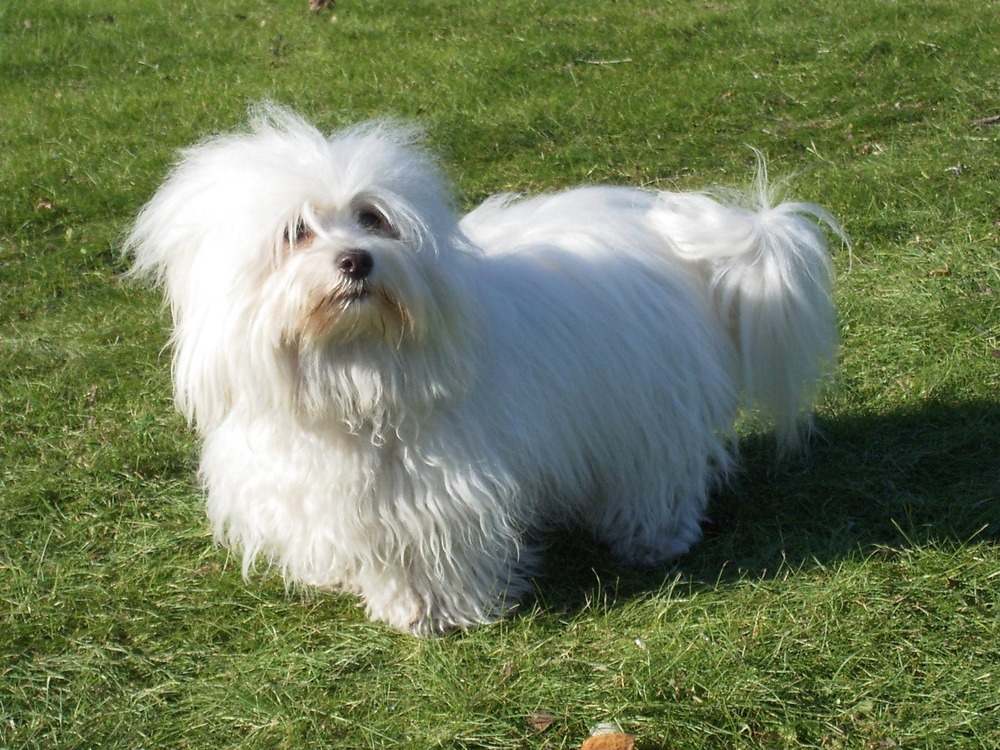
The Coton de Tuléar originated in Madagascar, and the breed name points to the port city of Tuléar (often written today as Toliara). Many histories describe small companion dogs arriving by sea and, over time, becoming established on the island. Some accounts include ship travel and trading routes, but the exact pathway is hard to prove, and different breed organisations tell the story with slightly different emphasis.1, 2
What is consistent is the breed’s long association with companionship. Cotons were kept as close household dogs, valued for being social, portable, and attentive. That “people-centred” orientation is still one of the most defining things about living with one now.2
Modern recognition varies by kennel club and country. If you are comparing breed descriptions online, you may notice differences in size ranges, coat notes, and fault wording. It does not necessarily mean one source is wrong, it often reflects different standards and breeding populations.1, 3
Physical characteristics
The Coton is a small companion dog with a sturdy outline under all that coat. Height is typically around 22 to 27 cm for bitches and 25 to 30 cm for dogs, depending on the standard you are reading.1
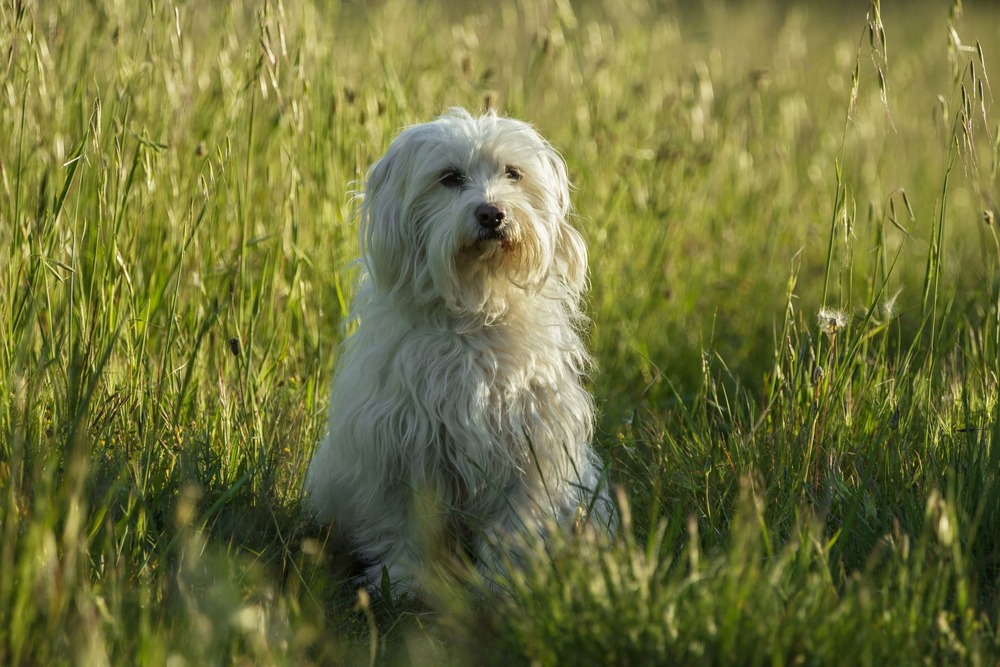
The signature feature is the coat texture, soft and “cottony”, usually white with some light shading permitted in some standards. The coat can look like it should be silky, but breed standards generally prioritise a fuller, slightly waved texture rather than a sleek drop-coat finish.1
Many Cotons are described as low-shedding. That can help around the house, but it also means loose hair tends to stay caught in the coat, which is one reason mats can appear surprisingly quickly if brushing slips.3
Temperament and day-to-day behaviour
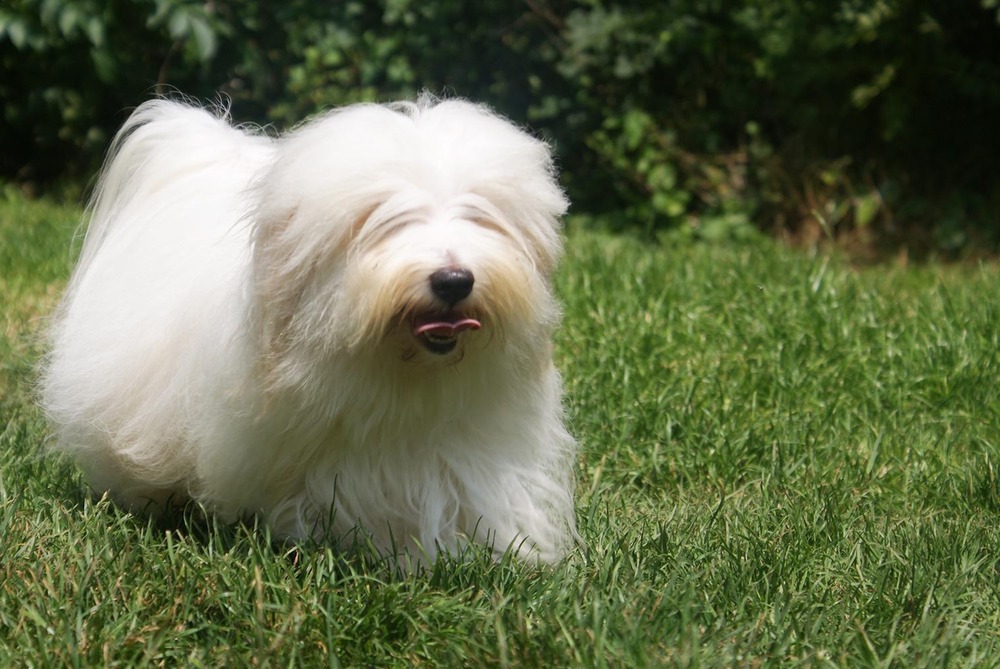
Cotons are widely known as friendly, playful companion dogs. In practice, they often track their person from room to room, settle in close, and stay tuned to household routines. This is part of their charm, but it also means they can struggle when their social needs are consistently unmet.3
In family homes, they are often a good match for respectful children because they tend to enjoy interaction and learn games quickly. As with any small breed, supervision matters, not because the dog is “fragile”, but because excited handling and missed signals can escalate into stress, avoidance, or defensive snapping over time.4
If you are hoping for a calm dog who quietly occupies themselves for long stretches, it helps to be honest about what you are seeing. Cotons usually do best with regular companionship, gentle structure, and a bit of daily novelty, even if that novelty is as simple as a sniffy walk or a short training session in the kitchen.3
Training and exercise needs

Cotons are typically quick learners, and they often respond best to reward-based training, food, play, and calm praise used with good timing. The advantage is not just “manners”. Reward-based training builds clarity and confidence, especially in a dog that is naturally attentive to people.4, 5
Aversive approaches and intimidation-based methods can create fallout in many dogs, including increased anxiety and defensive behaviour. If you are working on barking, reactivity, or separation-related distress, it is worth seeking help that aligns with humane, evidence-based practice rather than quick fixes.5
Exercise needs are usually moderate. Most Cotons do well with a couple of short walks, some play, and a small dose of training or enrichment each day. What often matters more than kilometres is the combination of movement and engagement, sniffing, problem-solving, and learning to settle afterwards.3
Health and lifespan
A typical lifespan is often quoted around the mid-teens, and many Cotons live well into older age with thoughtful care. As with all breeds, longevity is influenced by genetics, body condition, dental health, and how early problems are noticed and managed.3
Health concerns reported in the breed include issues seen commonly in smaller dogs, such as luxating patella, plus eye conditions in some lines. Hip dysplasia is also mentioned by some breed sources, although it is not the first issue most owners encounter day to day.3, 2
One of the quiet protectors of long-term health is keeping your dog lean. If you are unsure what “healthy weight” looks like under a fluffy coat, ask your vet to show you how to use a body condition scoring system and what to aim for between visits.6
Grooming and coat maintenance

The Coton coat is beautiful, but it is not self-managing. Most owners find that consistent brushing is easier than heroic detangling sessions, because mats form where there is friction: behind ears, under collars and harnesses, in armpits, and where legs rub the body.3
Bathing can be part of a good routine, as long as the coat is thoroughly dried and brushed. Damp hair and a dense coat can make tangles tighten. Many households choose a practical pet trim, even if show standards prefer a more natural look, simply to keep daily care realistic.1, 3
Do not overlook the less glamorous tasks. Regular nail care, ear checks (especially with drop ears), and dental hygiene are often where comfort is won or lost over the years. Small dogs are particularly prone to dental disease, and home care makes a meaningful difference.7
Diet and nutrition
A good diet for a Coton is usually not complicated, but it should be deliberate. Choose a complete and balanced food that suits life stage, and let your dog’s body condition guide portions rather than the label alone. Tiny dogs can gain weight quietly, and that extra load adds up across joints and heart health.6
Treats are useful for training, but they still count. Many owners do well by setting aside part of the daily ration for training rewards, or choosing very small, high-value treats so reinforcement stays generous without overfeeding.
If you are considering home-prepared feeding, do it with veterinary guidance. Nutrient gaps are easy to create accidentally, especially for small dogs with small margins for error.6
What people mean by “hypoallergenic”
Cotons are often described as “hypoallergenic” because they tend to shed less than many breeds. It can be a helpful starting point for some allergy-affected households, but it is not a guarantee. Human reactions are usually triggered by proteins in dander and saliva, and individuals vary in both dog allergen levels and human sensitivity.8
If allergies are part of your decision, it is sensible to spend time with adult Cotons in a home setting, not just a quick cuddle outdoors. A breeder or rescue that understands the issue should support a realistic trial, because the goal is not perfection, it is a manageable day-to-day life for both humans and dog.
Final thoughts
The Coton de Tuléar suits people who enjoy the small, constant presence of a companion dog, and who can meet the practical needs that come with that closeness. Their coat asks for time, their mind asks for interaction, and their best behaviour tends to appear when their days are predictable, kind, and gently interesting.
If you are drawn to the breed, look for sound temperaments and health testing, and take grooming seriously from the beginning. In return, you usually get a dog who wants to be part of whatever “home” looks like in your household, from quiet evenings to small adventures.
References
- The Kennel Club: Coton de Tuléar breed standard
- The United States Coton de Tuléar Club: History of the Coton de Tuléar
- American Kennel Club: Coton de Tuléar dog breed information
- RSPCA Australia Knowledgebase: Reward-based dog training
- American Veterinary Society of Animal Behavior (AVSAB): Humane dog training position statement
- WSAVA: Global Nutrition Guidelines and body condition score resources
- Veterinary Oral Health Council (VOHC): Accepted products for dogs
- American Kennel Club: Do hypoallergenic dogs exist?