

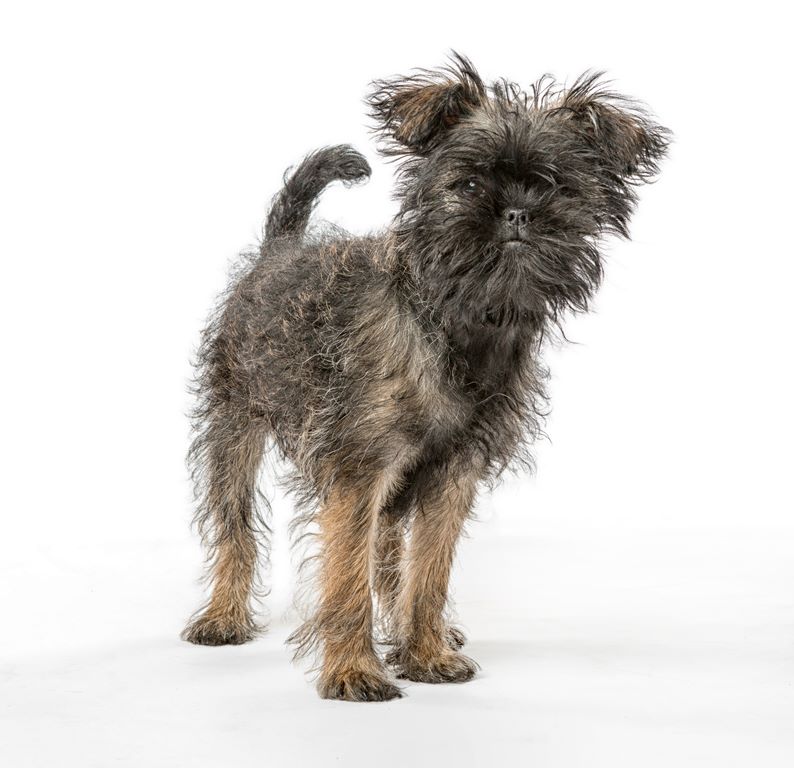
- Breed category: Toy Group
- Country of origin: Germany
- Average height: 24 to 28 cm
- Average weight: 3 to 6 kg
- Average life span: around 12 to 15 years
- Grooming requirements: Regular brushing, routine coat tidying
- Exercise requirements: Moderate, daily walks plus play
- Coat type: Dense, rough, wiry coat
- Coat colours: Vary by kennel club (commonly black, sometimes with grey shading, and other colours in some standards)
- Shedding level: Low
- Temperament: Lively, curious, confident
- Training ease: Moderate, benefits from short, consistent sessions
- Apartment friendly: Yes, if exercised and enriched
- Original purpose: Ratting, companion
People usually end up looking up the Affenpinscher after noticing something familiar but slightly puzzling: a tiny dog with a scruffy coat, a very direct stare, and the sort of self-possessed attitude you might expect from a much bigger breed. They can look like a lapdog at first glance, but they do not always behave like one.
It is easy to assume small dogs want constant carrying and minimal exercise, or that they are naturally “easy” in busy households. With Affenpinschers, the reality is more interesting. They are often bright, active, and surprisingly bold, which can be delightful when you understand what they need, and tricky when you do not.
Getting to know the breed means paying attention to the practical stuff: how they are built, how they learn, what keeps them calm and engaged, and what health issues a responsible owner and breeder will watch for over the long term.
The Affenpinscher’s background and what it shaped
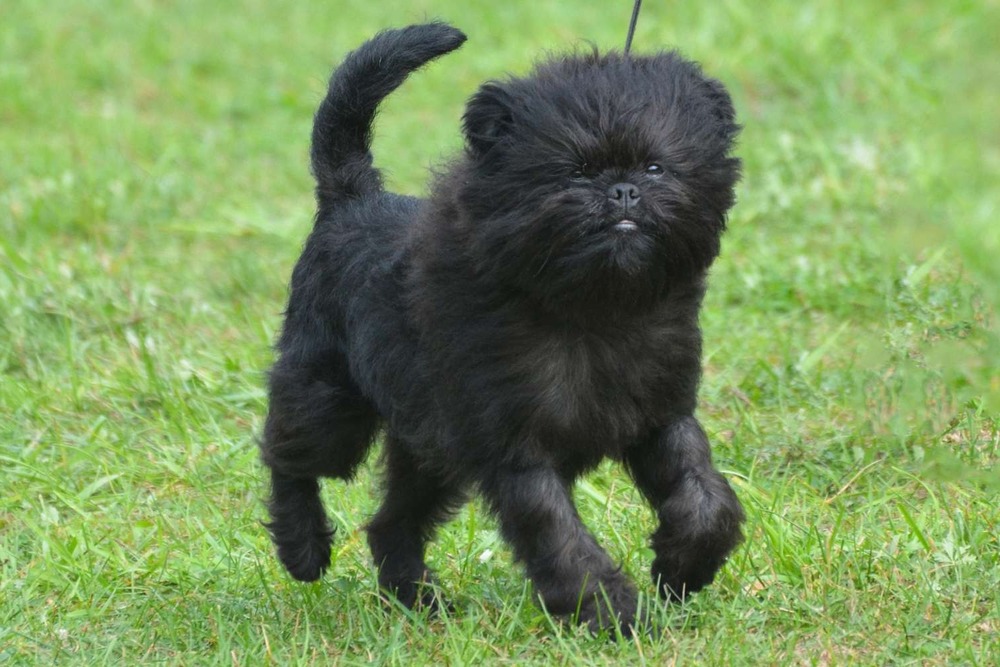
The name “Affenpinscher” is usually translated as something like “monkey-like terrier”, which makes sense once you have seen the face: short muzzle, prominent eyebrows, and a rough halo of coat that frames the eyes. Breed standards also describe that characteristic, slightly comic “monkey” expression.1, 2
Historically, these dogs were valued for practical work in homes and outbuildings, where small, agile ratters were useful. That working past helps explain why many Affenpinschers still show quick reactions and initiative, even in a modern lounge room.1
How history shows up in modern homes
In everyday life, the “ratter” influence often looks like alertness at movement and sound, an interest in chasing small, fast things, and a tendency to take their own decisions if training is vague. It is not about aggression, it is more a confident readiness to engage with the world.
Temperament: bold, bright, and sometimes a bit opinionated

Well-bred Affenpinschers are often described as lively and self-confident, and that is a helpful starting point. Many are affectionate with their people, but they are not always as compliant as breeds that were selected primarily for biddability.2
A useful way to think about them is as a small dog with a strong sense of personal space. They often do best with handling that is calm and predictable, rather than constant fussing. This is also why they are commonly considered a better match for older children who can follow guidance about gentle play and giving the dog breaks.
With children and other pets
Many Affenpinschers can live happily with other animals, especially when introduced thoughtfully. Early socialisation helps, but so does management: baby gates, safe retreat areas, and structured interactions until you can trust everyone’s routines.
Barking and watchfulness
Expect a degree of alert barking. It is often less about “yappiness” and more about a dog that notices everything. If you reward quiet, teach a reliable cue, and meet exercise and enrichment needs, barking is usually more manageable.
Training and exercise that suits the Affenpinscher
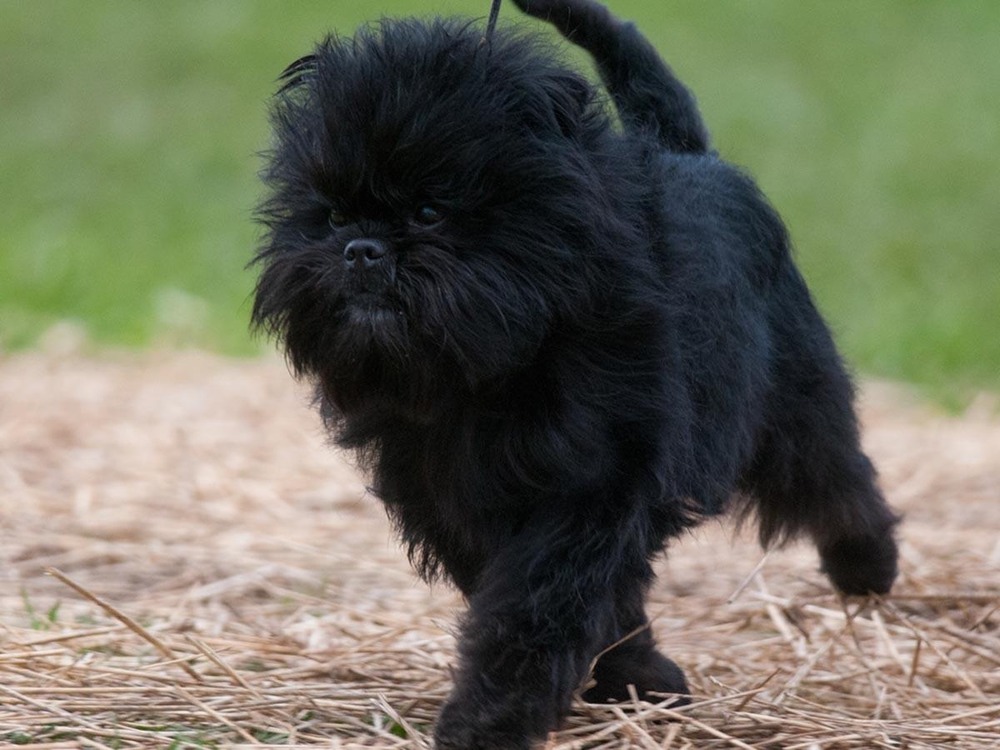
Affenpinschers are typically smart enough to learn quickly, but they can also learn the wrong thing quickly. The best approach tends to be short sessions, clear rewards, and consistency across the household. If one person allows jumping up and another discourages it, the dog will not “choose the right answer”, it will simply repeat what has worked before.
Exercise needs are usually moderate, but that still means daily movement plus mental work. A brisk walk, sniffy wandering on a long lead, and a few minutes of training games can be more satisfying than a single long outing.
- Movement: Daily walks suited to their fitness and weather conditions.
- Brain work: Food puzzles, scent games, and simple trick training.
- Impulse control: “Wait”, “leave it”, and calm greetings are worth teaching early.
Health and lifespan: what to watch for

Many Affenpinschers live into their teens, with a commonly cited lifespan in the low-to-mid teens.3 As with any breed, longevity is supported by good genetics, sensible body weight, dental care, and early veterinary attention when something changes.
Common issues discussed in the breed
No single problem defines the Affenpinscher, but several conditions come up repeatedly in breed health discussions. Patellar luxation (a “slipping kneecap”) is one of the more commonly mentioned, and some dogs may also be affected by hip issues, eye disease, or airway concerns linked with shorter muzzles.3, 4
If you are choosing a puppy, ask what health screening has been done and what the results mean in plain language. A thoughtful breeder will be comfortable discussing health history, not just show results. For owners, it is also worth remembering that early intervention matters: subtle limping, new snoring, repeated eye squinting, or reduced tolerance for exercise are all reasons to check in with your vet.
Grooming a wiry coat without making life hard
The Affenpinscher coat is meant to be rough and harsh, with longer hair around the head and shoulders that helps create the breed’s distinctive look.2 Even though shedding is often low, that does not mean “no grooming”. Wiry coats can tangle, trap debris, and mat behind ears and in friction areas.
A steady routine is usually easier than occasional big grooming sessions. Aim for a couple of quick brushes each week, with a gentle comb check in the spots that felted hair likes most. Many owners also book periodic professional grooming to keep the shape neat and comfortable.
Everyday care that is easy to overlook
For small breeds, dental health can be the difference between a comfortable older dog and a dog who quietly struggles. The RSPCA notes that brushing is one of the most effective ways to support dental health, introduced gradually and kept positive, and human toothpaste should be avoided.5
Feeding and safety: small dog, real risks
A high-quality small-breed diet, measured to maintain a lean body condition, usually suits the Affenpinscher well. Your vet can help you adjust portions based on age, activity, and whether your dog is desexed.
Be particularly careful with shared snacks. Some “normal” kitchen foods are not just unhelpful, they are dangerous. The RSPCA explains that chocolate contains theobromine, which can be toxic to dogs, and advises contacting a vet promptly if ingestion occurs.6 Australian veterinary guidance also commonly warns that grapes and raisins can cause acute kidney failure in dogs, sometimes even in small amounts, and should be treated as an urgent ingestion.7
Famous Affenpinschers and a quiet moment in the spotlight
Most Affenpinschers live relatively ordinary lives, which suits the breed just fine. Still, there was a notable modern moment when an Affenpinscher named Banana Joe won Best in Show at the Westminster Kennel Club Dog Show in February 2013, which helped many people recognise the breed for the first time.8
If you ever watch footage of the breed in the show ring, what stands out is not just the coat and face, but the posture. They often move through the world as if they expect to be taken seriously, which is part of their charm.
Living well with an Affenpinscher
The best Affenpinscher homes are usually not the loudest or the most complicated. They are the ones where routines are steady, training is kind and consistent, and the dog is treated like a small animal with real needs, not a novelty.
If you are drawn to the look, it is worth being honest about the whole package. An Affenpinscher can be a wonderful companion for the right person, especially someone who enjoys a dog with opinions, a sense of humour in its expression, and the confidence to hold its own in a busy world. With clear boundaries and daily enrichment, they often settle into family life with a surprising amount of sturdiness and heart.
References
- Affenpinscher Club of America, AKC Breed Standard (overview and history)
- The Kennel Club (UK), Affenpinscher Breed Standard
- Purina UK, Affenpinscher Breed Information (lifespan and common conditions overview)
- The Affenpinscher Club (UK), Health (patellar luxation and health notes)
- RSPCA Australia, Importance of dental health (home care and tooth brushing guidance)
- RSPCA Knowledgebase, Why is chocolate toxic to dogs and other animals?
- Vetwell, Grape and raisin toxicity (acute kidney failure risk and urgency)
- ESPN (Associated Press), Banana Joe the Affenpinscher wins Westminster Best in Show (2013)