

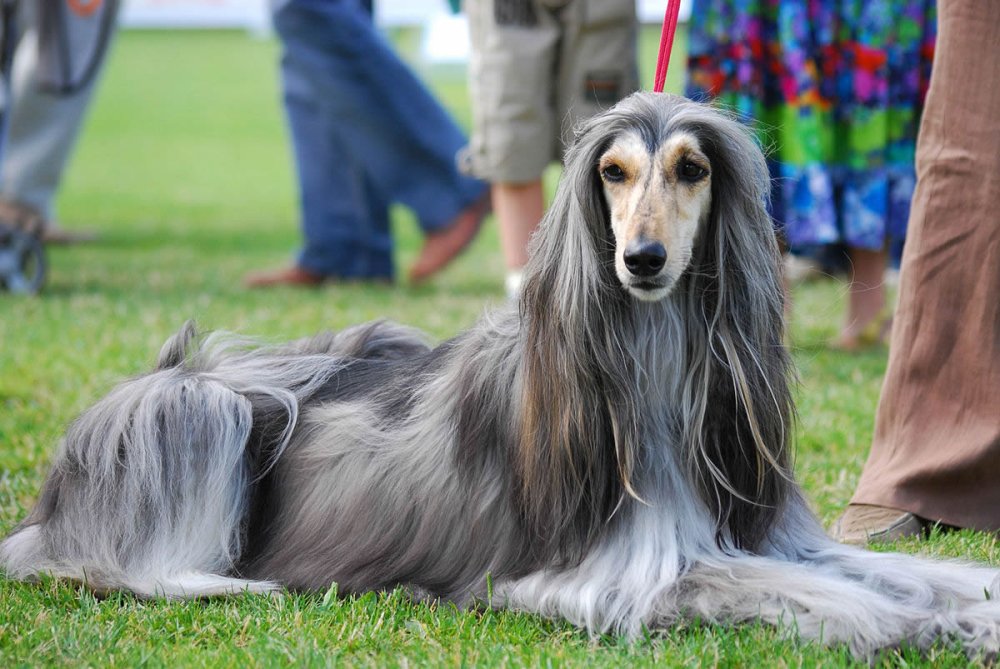
- Breed category: Hound (sighthound)
- Country of origin: Afghanistan
- Typical height: Dogs 68 to 74 cm, bitches 63 to 69 cm1
- Typical weight: Often around 23 to 30 kg (varies with size and condition)
- Typical lifespan: 12 to 14 years2
- Coat: Long, fine, silky, high maintenance1
- Exercise needs: High, daily outlets for running and exploring help most6
- Temperament: Independent, dignified, can be reserved with strangers4
- Trainability: Often slower to generalise cues, responds best to reward-based training6, 7
- Maintenance level: High (coat, ears, safe containment)
People usually start looking up Afghan Hounds after a moment that sticks. A tall dog floating past on a lead, a silky coat that seems to move on its own, or a friend quietly admitting that the grooming is more like a hobby than a chore.
It is easy to assume the Afghan Hound is mostly about looks. In practice, the look is the least negotiable part. What shapes everyday life is the combination of sighthound instincts, a coat that demands care, and a temperament that often values choice and space. The more you understand those pieces, the easier it is to decide whether the breed fits your household, not just your imagination.
Afghan Hounds can be deeply rewarding companions for the right people. They also tend to be mismatched with homes that want a dog who is always eager to please, or who can be safely trusted off lead in open areas.
Where the Afghan Hound comes from
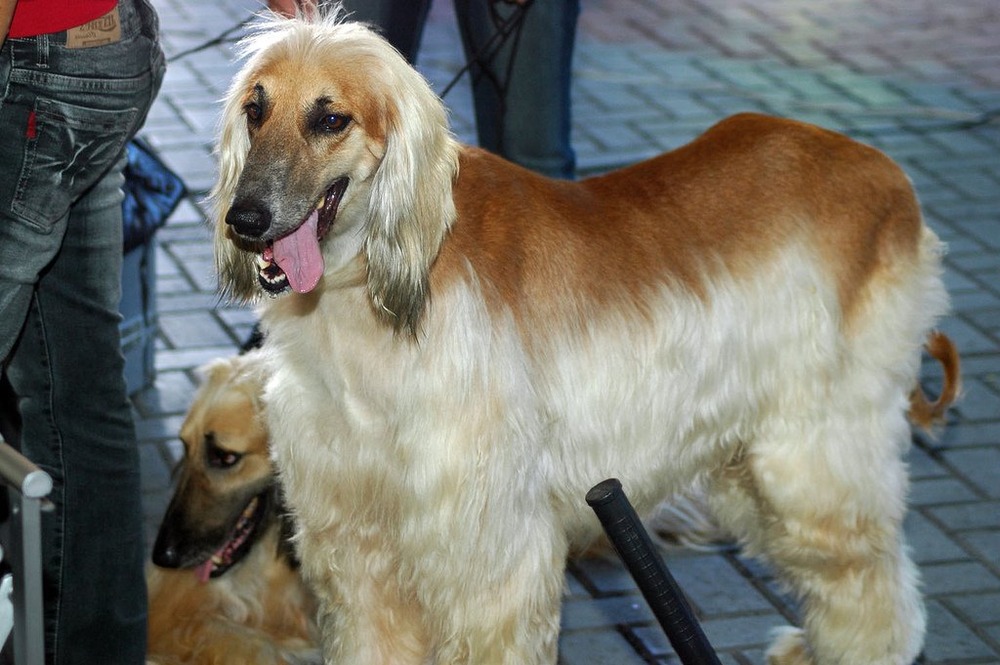
The Afghan Hound is widely described as an ancient type of sighthound, developed to hunt by sight and speed across challenging terrain. That background helps explain the breed’s athletic build, quick acceleration, and the tendency to become very interested, very quickly, in movement at a distance.
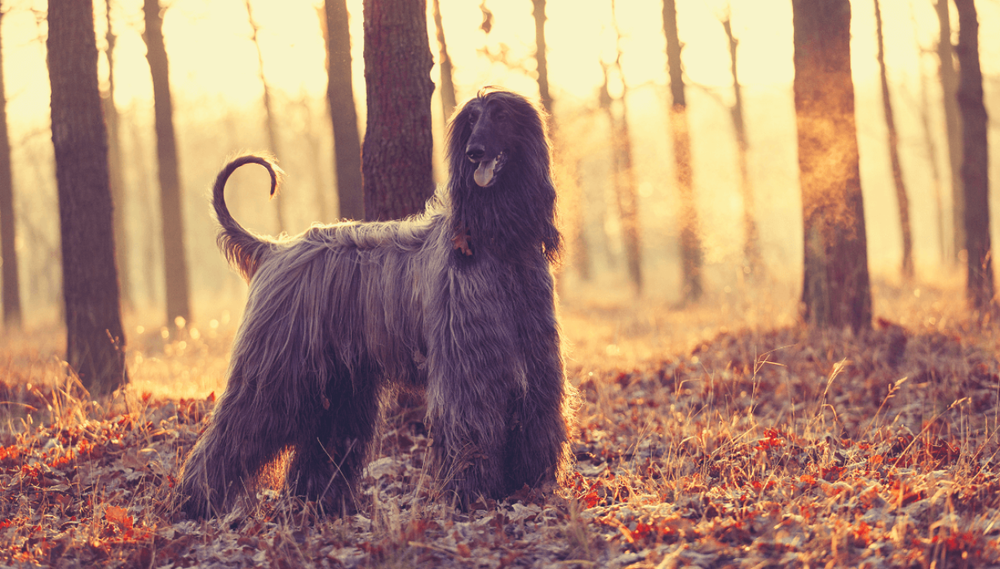
Modern breed standards describe the Afghan Hound’s hallmark features: a proud outline, long fine coat, and a natural, springy gait. Standards also matter because they set expectations for size and coat, which in turn affect space, handling, and grooming time at home.1, 3
It is also worth holding two ideas at once. Many Afghan Hounds today are kept primarily as companions. At the same time, they are still built like athletes, and their behaviour often makes more sense when you remember they were designed for pursuit.
Appearance and the traits you actually live with
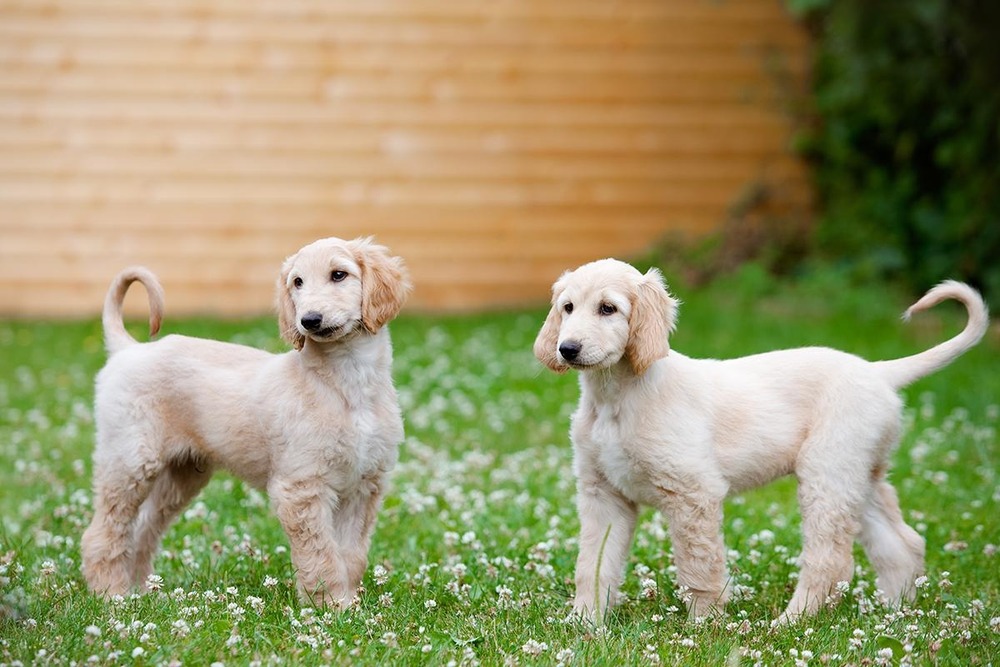
Most people notice the coat first, but owners tend to talk about the whole silhouette. Afghan Hounds are tall and lean, with a deep chest and powerful hindquarters. They can look delicate, yet move with surprising strength and reach.
The coat is long and fine, and it is meant to develop naturally rather than being shaped into a “pet trim” by default. In real life, many people do clip coats shorter for manageability, which can be a sensible choice if your priority is welfare and ease of care rather than the show ring.1, 5
Another practical detail is the ears. Those long, hair-covered ears can trap moisture and debris, so routine checks become part of normal grooming, not an occasional extra.5
Temperament, independence, and what “aloof” can mean
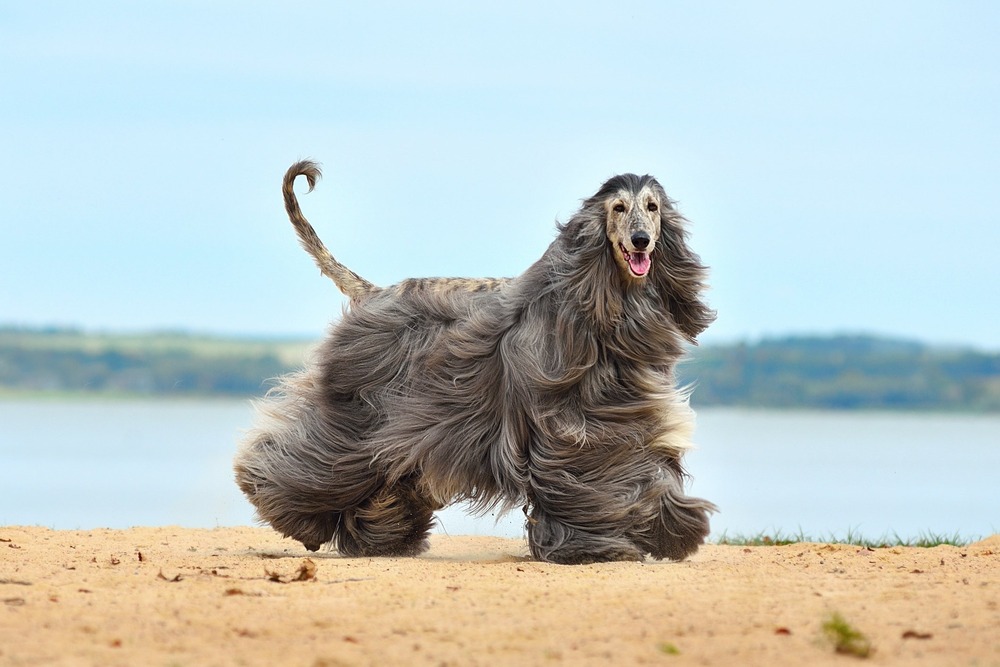
Afghan Hounds are often described as independent and dignified. In a home, that can look like a dog who enjoys being near you without constantly asking for interaction, and who may be selective about strangers. This is not “bad behaviour” so much as a different social style.4
Independence also affects training. Many Afghan Hounds can learn cues well, but they may not perform them automatically in distracting settings, especially when something triggers chase behaviour. It helps to think in terms of building skills and habits, not “getting obedience”.
With children, the breed can do well when kids are calm, dog-savvy, and supervised. Fast, noisy play can be overwhelming for some individuals, and the size and speed of the dog can be a factor in tight spaces. Choosing the right match matters more than broad labels like “good with kids”.8
Training and exercise that suits a sighthound brain
Reward-based training is the best starting point for most dogs, and it is especially useful with a breed that can shut down or disengage under pressure. Look for small, repeatable wins: short sessions, clear rewards, and calm consistency.7
Exercise is not only about distance walked. Afghan Hounds often benefit from chances to run safely and use their senses. A long walk on lead can be valuable, but many dogs also need controlled opportunities for speed, such as fenced free-running or appropriate dog sport outlets.6, 9
Safe containment is non-negotiable. Many breed sources emphasise that Afghan Hounds should not be allowed off lead in unfenced areas because they are fast and can follow movement before you can react. A secure fence, and careful door and gate habits, tend to make life much less stressful for everyone.6, 9
- Early socialisation helps build confidence with handling, grooming, and everyday environments.
- Practise recall as a skill, but manage expectations around wildlife triggers.
- Use long lines, secure yards, and planned outlets for running rather than gambling on off-lead reliability.
Health: what to watch, and how to stay practical
Afghan Hounds are often long-lived for a medium to large breed, commonly quoted at around 12 to 14 years. Individual lifespan varies with genetics, health care, and environment.2
As with many breeds, some inherited conditions are seen more often than in the general dog population. Hip dysplasia is frequently discussed in purebred dogs, and it is best thought of as a risk influenced by both genetics and environment, rather than a simple yes or no problem. When you are choosing a puppy, health testing and transparent breeding records can reduce risk, although they never eliminate it.10
In day-to-day care, the basics still do the heavy lifting: regular veterinary check-ups, dental care, parasite prevention, and maintaining a healthy body condition.
Grooming: the coat is beautiful, and it is work
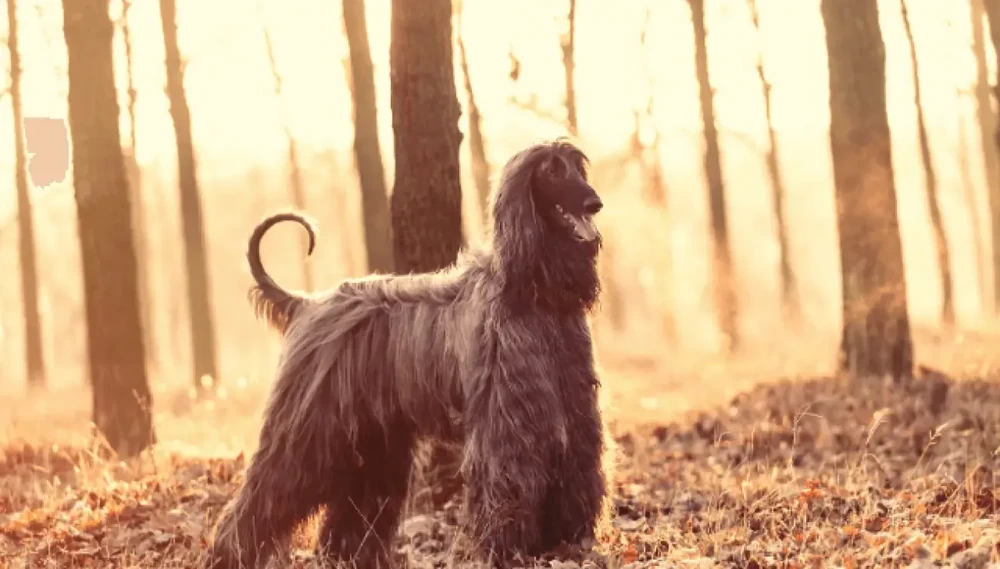
Afghan Hound grooming is not something you “catch up on” once a fortnight. The coat can mat close to the skin, and small tangles can become uncomfortable quickly if they are ignored. Many owners find it easier to commit to a routine rather than doing occasional long sessions.
Breed and veterinary sources commonly recommend multiple hours of brushing per week, plus regular bathing. Some people use practical tools like snoods to keep ear fringe cleaner during meals. If your lifestyle cannot support that level of coat care, a shorter clip can be a kinder, more realistic option for a pet home.5, 9
Routine ear checks matter because long ears can hide early signs of irritation. Nail care also tends to be easier when it is frequent and low-key, rather than a stressful wrestling match every few months.
Feeding and body condition
Afghan Hounds do best on a complete and balanced diet that suits their age, activity level, and health status. What matters most is whether the diet meets recognised nutritional standards and keeps your dog in a healthy body condition over time, not whether the ingredient list sounds appealing to humans.2, 10
Many Afghan Hounds are naturally lean, and their outline can look unfamiliar if you are used to stockier breeds. If you are unsure whether your dog is underweight, your vet can help you assess body condition and adjust portions gradually.
Avoid big exercise around meals. Deep-chested breeds are often discussed in the context of bloat risk, and common welfare advice is to avoid hard exercise immediately before or after eating.6
Final thoughts
The Afghan Hound is not a “beginner” dog in the way people sometimes mean it, easy to train, low grooming, flexible in any home. But for the right household, the breed can be quietly compelling: athletic, observant, and often content to share space without needing to be the centre of every moment.
If you are considering one, think less about whether you love the look, and more about whether you can provide secure running opportunities, patient training, and the coat care that keeps the dog comfortable. That is where Afghan Hounds tend to thrive.
References
- Dogs Australia (ANKC): Afghan Hound breed standard
- Purina: Afghan Hound breed information
- The Kennel Club (UK): Afghan Hound breed standard
- American Kennel Club (AKC): Afghan Hound
- PetMD: Afghan Hound health and care
- RSPCA Australia Knowledgebase: Advice on caring for your dog (training, exercise, feeding timing)
- RSPCA Australia Knowledgebase: Positive reinforcement training for dogs
- RSPCA Pet Insurance: Considerations when choosing a dog (space, exercise, grooming, children)
- Afghan Hound Club of America: Common questions (fencing, exercise, grooming)
- WSAVA: Global Nutrition Guidelines