

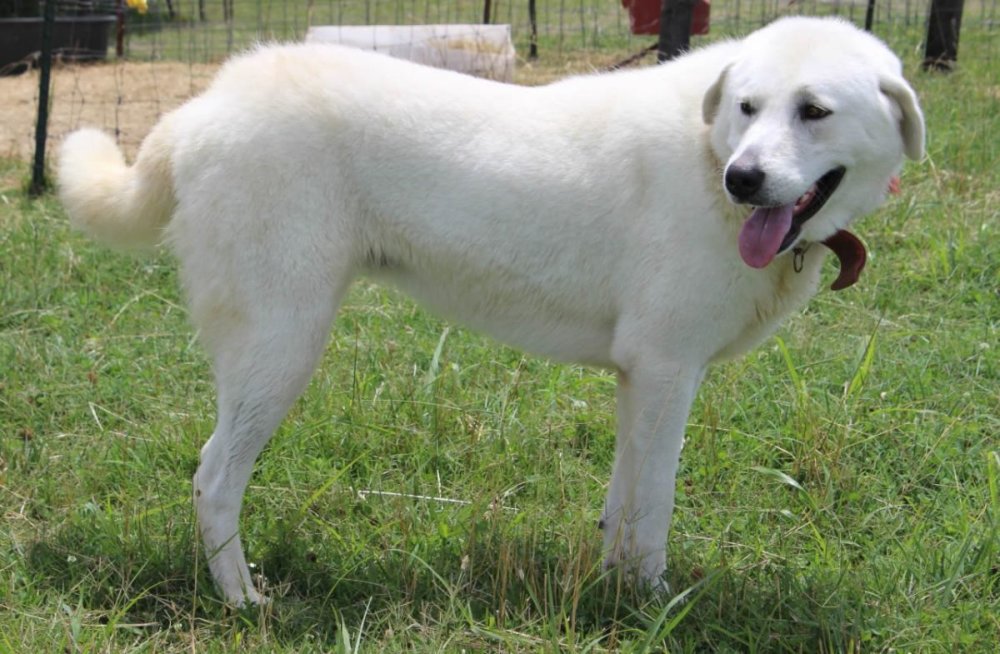
You usually hear about the Akbash when you are trying to solve a practical problem, not when you are browsing dog breeds for fun. A neighbour mentions a “white livestock guardian”, you see one standing quietly at a gate, or you start wondering whether a big, calm dog might help you feel safer on a rural block. From a distance, they can look like a fluffy, friendly farm dog. Up close, they are something more specific.
The Akbash was shaped for watching and deciding. That can be a relief when you need a steady guardian, and a surprise when you expect a people-pleaser who is happy to be guided through every situation. In the right home, they settle into a kind of quiet competence. In the wrong one, the same instincts can turn into boundary issues, stress, and a lot of management.
If you are considering an Akbash, or already living with one, it helps to understand what they were bred to do, how they read the world, and what “good behaviour” can realistically look like for a dog whose job is to notice what others miss.
At a glance: what an Akbash is built for
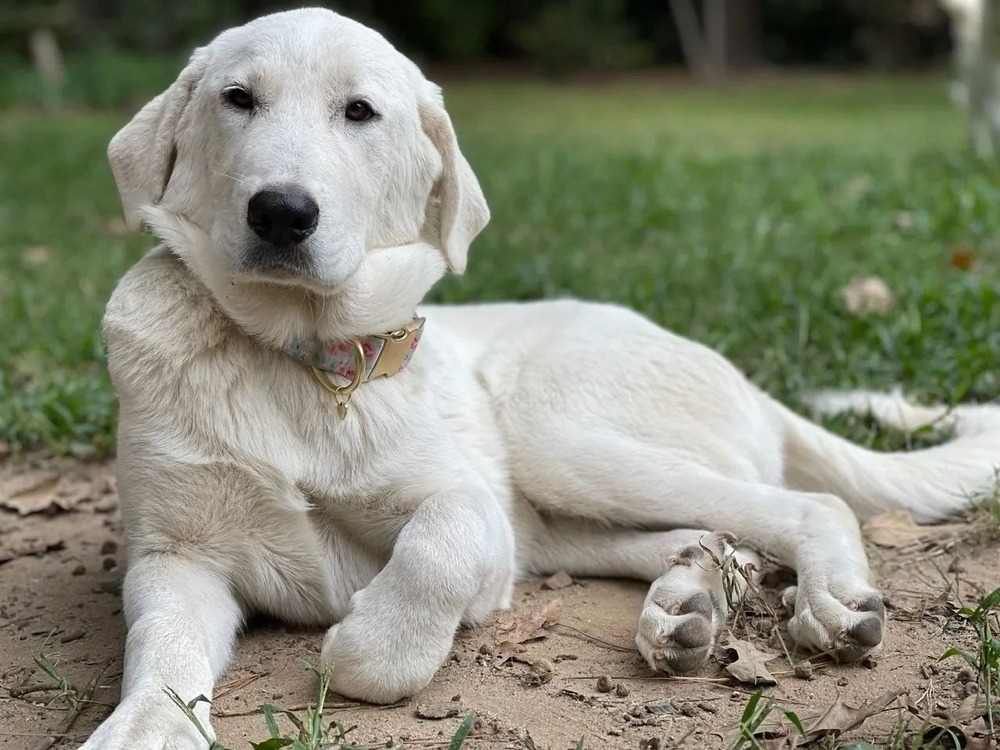
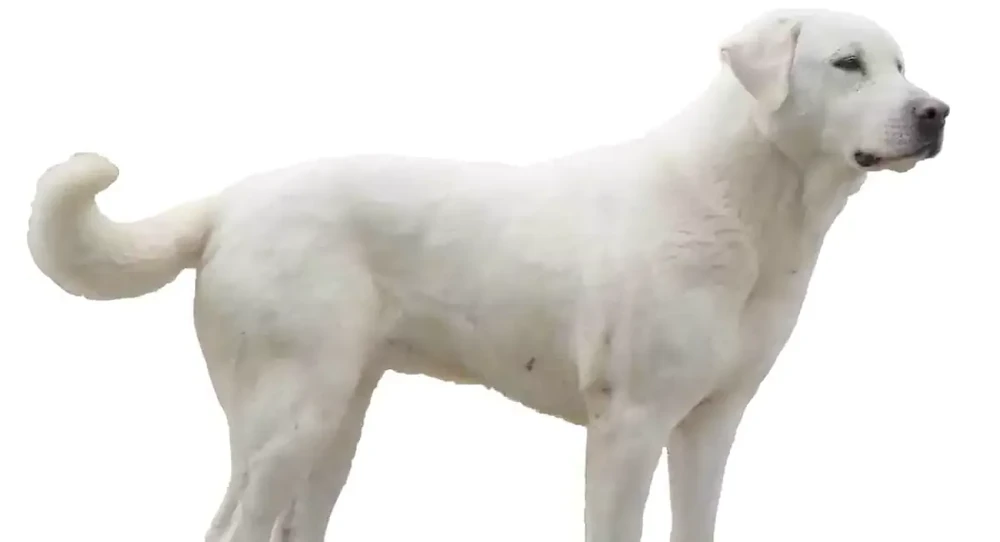
The Akbash is a traditional Turkish livestock guardian dog, developed to live with stock and deter predators rather than herd animals from place to place.1, 2 Many are white or mostly white, a practical choice that helps them blend with sheep and also makes it easier for people to distinguish dog from predator in low light.1
- Origin: Turkey, particularly western Anatolia1
- Typical size: Large and tall, with males often heavier and taller than females2
- Coat: Double coat, commonly medium to long, suited to outdoor living but still needing routine care2
- Temperament shorthand: Loyal, independent, observant, cautious with strangers2
They are often described as calm, but it is more accurate to say they are economical with energy. A good guardian conserves effort until something changes, then responds quickly and with conviction.
History and working role in Turkey
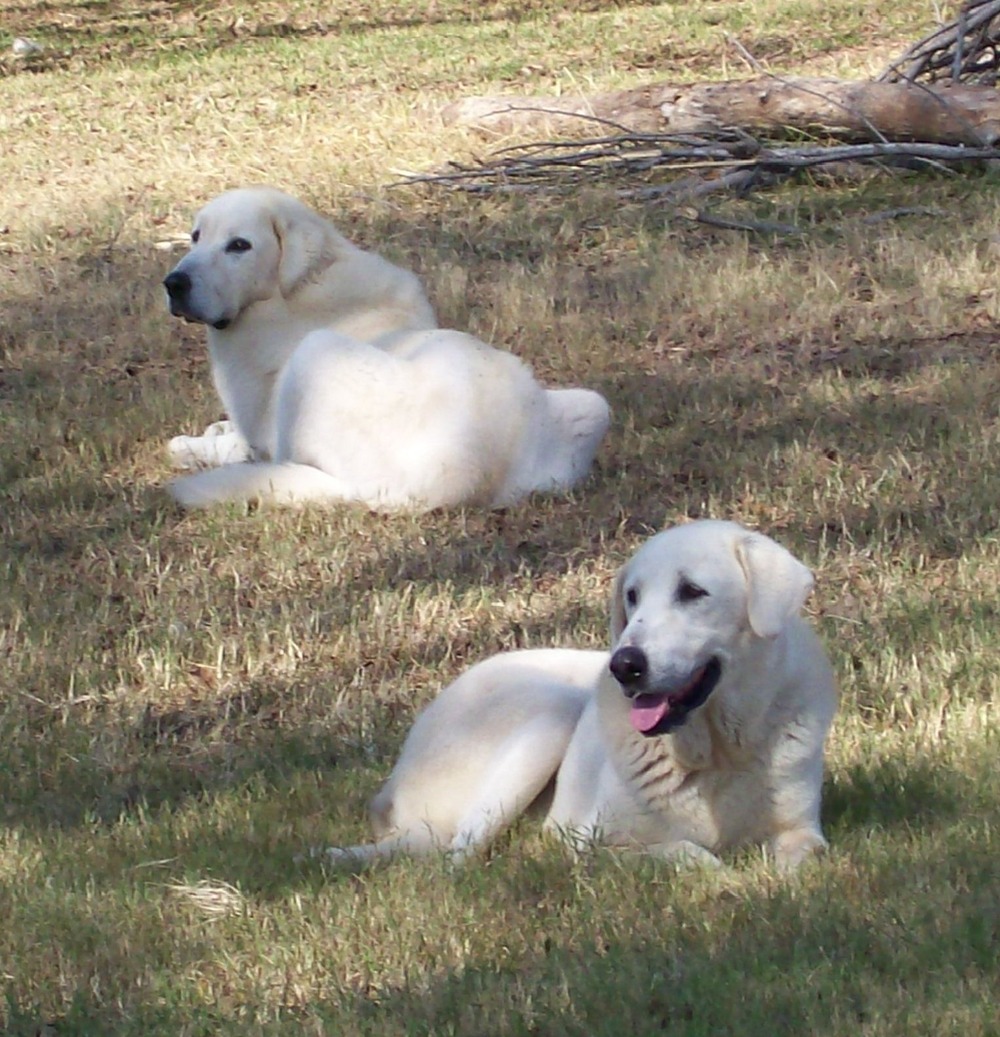
Akbash dogs come from Turkey and are strongly associated with rural pastoral life, where dogs were selected for their ability to remain with a flock and make sensible choices over long stretches of time.1 The name “Akbash” is commonly explained as meaning “white head”, reflecting the breed’s traditional colouring.1
Modern breed recognition varies by organisation and country. For example, the United Kennel Club (UKC) in the United States recognised the Akbash Dog on 1 January 1998.2 At the same time, many people still encounter Akbash-type dogs as working guardians rather than show dogs, which helps explain why individuals can vary in look and style.
Temperament: loyal, but not eager to please
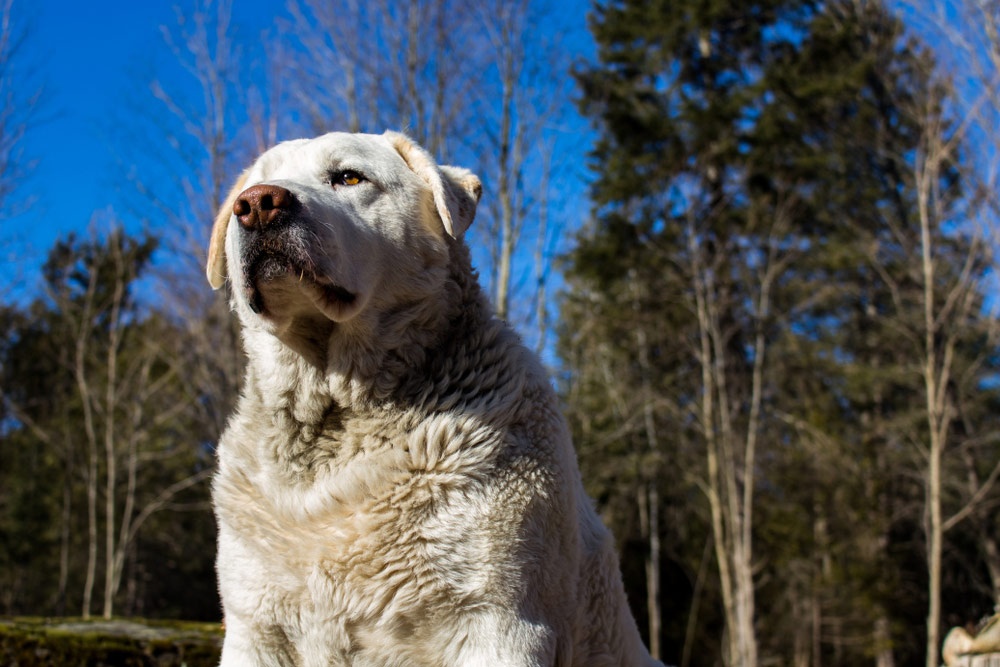
People often fall in love with the Akbash because they appear steady and self-possessed. That steadiness is real, but it is paired with strong environmental awareness. Many Akbash dogs scan, listen, and position themselves to control access to their space. They may be affectionate with their family, yet remain reserved with visitors.
Independence is not “stubbornness” in the simple sense. It is a working trait. A livestock guardian cannot wait for instructions every time something moves at the edge of the paddock. In a home setting, that same trait means you get the best results when you focus on:
- clear boundaries around gates, fences, driveways, and front doors
- calm, predictable routines
- reinforcing the behaviours you want, before the dog feels they must take charge
If you want a dog who happily welcomes every stranger and thrives on constant social contact, an Akbash may not be the easiest fit. If you want a dog who can live quietly, watchfully, and with purpose, they can be remarkable.
Living with children and other animals
Akbash dogs can be gentle with children in the sense that they are often patient and not typically frenetic. Still, they are large, powerful dogs, and their judgement about what counts as “too much” can differ from ours. Supervision matters, especially with younger children, visiting friends, and high-energy play that looks (to a guardian) like a potential problem.
With other pets, early exposure helps, but it is not a guarantee. Many guardians do best when they are raised with the animals they will live with, and when introductions are managed thoughtfully. A sensible goal is peaceful co-existence, not forced friendships.
Training and socialisation that suits a guardian breed
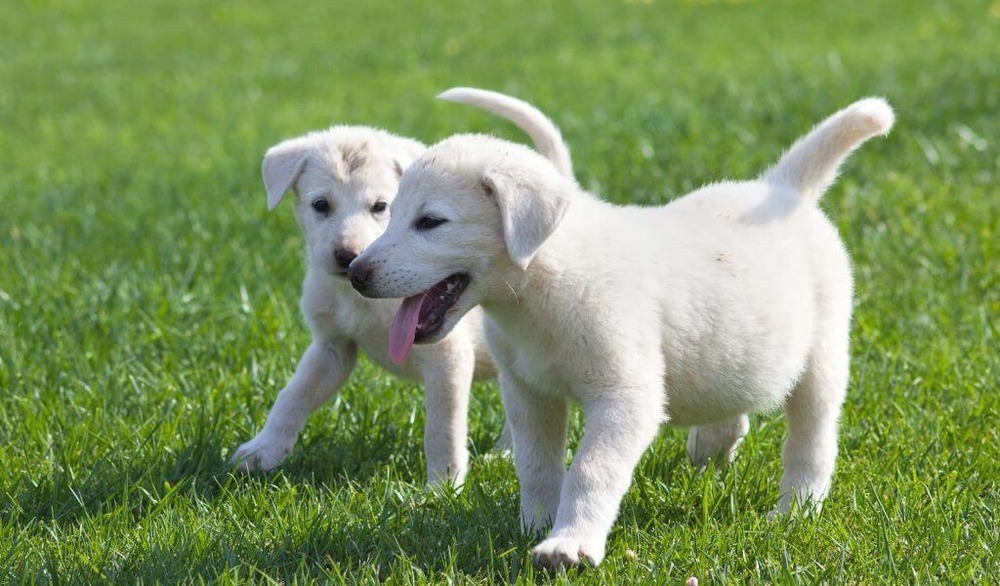
Early training with an Akbash is less about tricks and more about life skills. Think of it as teaching the dog how your world works. Positive reinforcement is widely recommended for companion dogs because it builds understanding without adding fear or conflict, which is especially important with a powerful, independent breed.3
Focus on calm, repeatable behaviours that reduce pressure on the dog to make their own calls:
- mat or place training for visitors and deliveries
- recall practice in safe, fenced areas (and realistic expectations outdoors)
- lead manners that include settling, not just walking
- structured introductions to new people, vehicles, stock, and noises
Socialisation is not about making an Akbash “love everyone”. It is about helping them remain functional and safe, even when they feel unsure. A well-socialised guardian is often still reserved, but not chaotic.
Exercise and enrichment: more than just kilometres
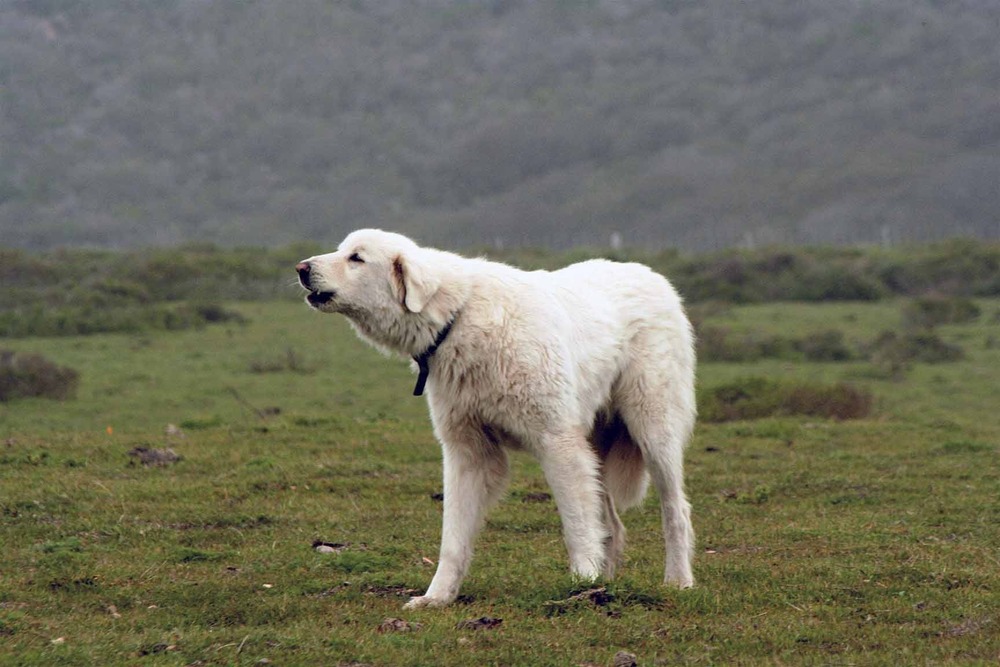
Akbash dogs do need daily movement, but endless high-intensity exercise is not always the answer. Many do well with a blend of walks, patrol-like roaming in secure areas, and low-drama mental work. If your Akbash becomes restless or vocal, it is worth asking whether they are under-stimulated, over-aroused, or simply responding to an environment that feels too busy to manage.
Because they are often sensitive to heat, plan exercise around the cooler parts of the day. Australian animal welfare organisations consistently recommend avoiding hot-weather exertion, providing shade and ventilation, and watching for early signs of heat stress.6, 7
Health considerations to discuss with your vet
No breed comes with guarantees, but there are a few areas owners commonly watch in large dogs. Hip dysplasia is a recognised orthopaedic issue across many breeds, and it is worth discussing screening, weight management, and appropriate exercise with your veterinarian.4
Two other topics that come up regularly in large breeds are:
- Hypothyroidism, which can be associated with weight gain, lethargy, and coat changes, and is diagnosed with blood tests and treated with lifelong thyroid hormone replacement if confirmed.5
- GDV (bloat with twisting), a sudden, life-threatening emergency where the stomach distends and can twist, most often seen in large, deep-chested dogs. Prevention strategies can include feeding management and, in some cases, preventive gastropexy for high-risk dogs, which your vet can advise on.8
If you ever see repeated unproductive retching, a distended abdomen, sudden distress, or collapse, treat it as urgent and contact an emergency vet immediately.8
Coat care, shedding, and everyday maintenance
The Akbash double coat is practical for outdoor work, but it also means shedding, especially seasonally. Regular brushing helps remove loose undercoat, reduces matting, and gives you a chance to notice skin issues early. Aim for consistency rather than perfection, and remember that heavy bathing can strip natural oils and may not be necessary unless the dog is truly dirty.
Do not overlook the unglamorous basics: nails, ears, teeth, parasite prevention, and keeping a large dog in a healthy weight range. For guardians, physical comfort matters because discomfort can reduce tolerance and make reactivity more likely.
Is an Akbash right for your home?
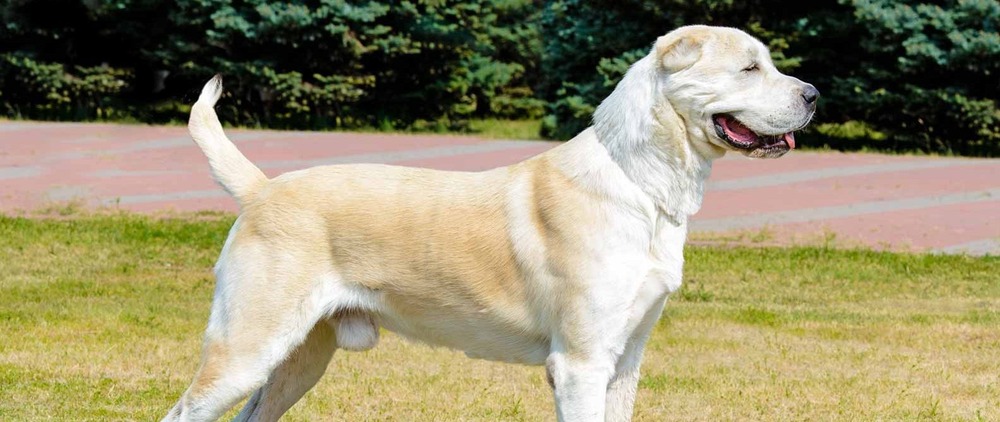
An Akbash can be a wonderful fit when their instincts match the job available. They tend to do best with space, secure fencing, and owners who appreciate a dog that thinks for itself. They are often described as “not apartment friendly” for good reason: not because they need constant running, but because their guardian awareness can turn tight, high-traffic environments into a daily challenge.
If you are drawn to the breed, consider meeting well-managed adults, not just puppies, and talk honestly with breeders, rescue groups, and trainers who understand livestock guardians. The goal is not to “tame” the Akbash. It is to build a home where their strengths remain strengths.
References
- Wikipedia: Akbash
- United Kennel Club (UKC): Akbash Dog Breed Standard
- RSPCA Knowledgebase: Most effective dog training methods
- Orthopedic Foundation for Animals (OFA): Hip Dysplasia
- Merck Veterinary Manual: Hypothyroidism in Animals
- RSPCA Pet Insurance: Heatstroke guide for cats and dogs
- RSPCA NSW: Keeping pets safe in the heat
- Cornell University College of Veterinary Medicine: Gastric dilatation volvulus (GDV) or “bloat”