

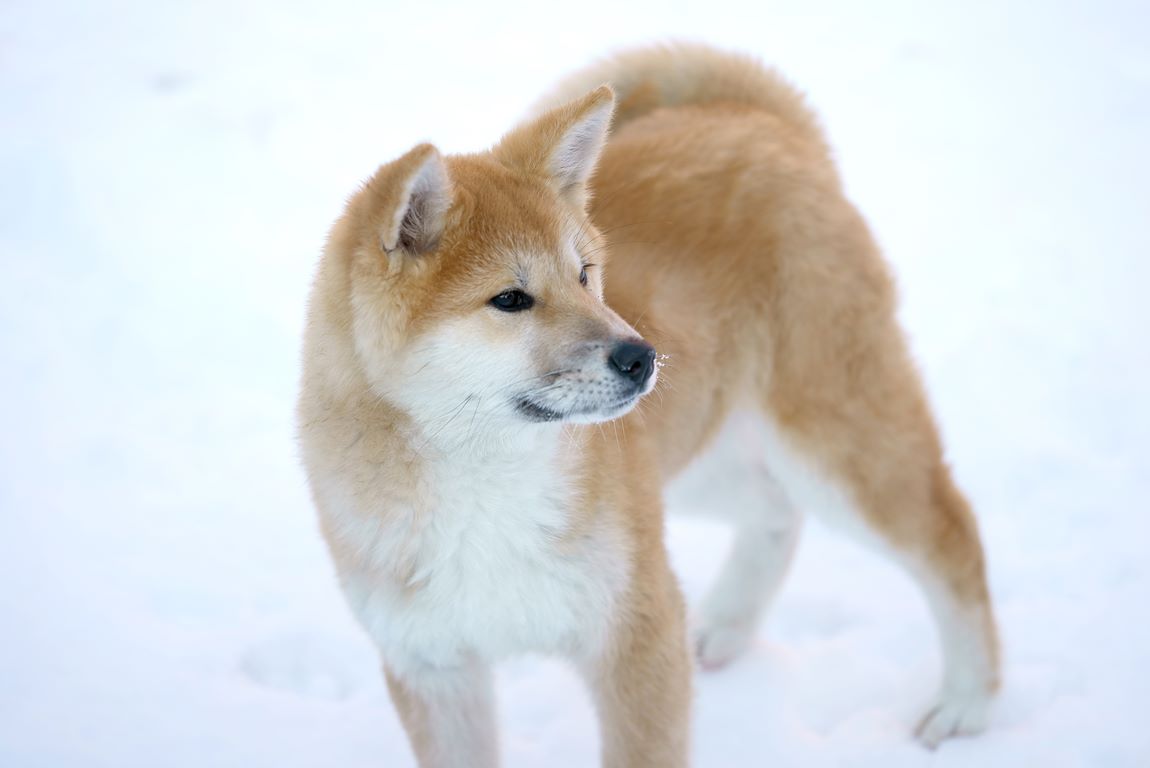
You usually start thinking about Akitas after a particular moment. You see a big, bear-like dog standing quietly at the park, watching everything without fuss. Or you meet one through friends and notice how little it does, until it decides something matters. That stillness can be reassuring, but it can also be hard to read if you are used to more openly social breeds.
It is easy to assume a calm dog will be easy, or that a “loyal” dog will naturally slot into family life. With Akitas, the reality is a bit more specific. Many are steady and devoted to their people, but they are also independent, physically powerful, and often selective about dogs and strangers. Those traits can be a joy in the right home, and stressful in the wrong one.
What matters most in day to day life is not the legend of the Akita, but the practical rhythm: early social experiences, clear routines, thoughtful management, and an owner who can stay calm when the dog chooses to hold its ground.
History and origin of the Akita
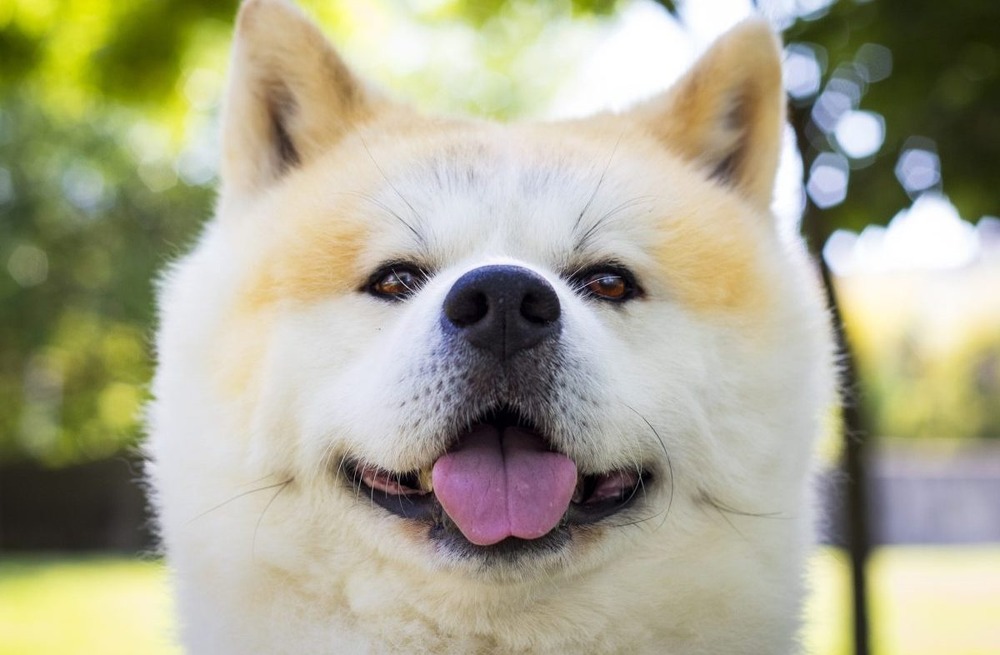
Akitas originated in Japan, with early development tied to the Akita region in the north. Historically, they were used for demanding work, including hunting and guarding, which helps explain the combination many owners notice today: quiet confidence, physical capability, and an instinct to assess situations before engaging.
The breed’s cultural status in Japan is often mentioned alongside stories of loyalty and symbolic gifts. The best known account is Hachiko, an Akita remembered for repeatedly returning to Shibuya Station after his owner died in 1925. The story became widely documented in Japan and internationally, and it still shapes how people talk about the breed, even though individual dogs vary in temperament and sociability.1
In the United States, Akitas entered the show world in the early 1970s. The American Kennel Club approved the breed standard on 4 April 1973, which is why you will sometimes see different “recognition” dates depending on whether someone means registration history, show classification, or standard approval.2
Physical characteristics
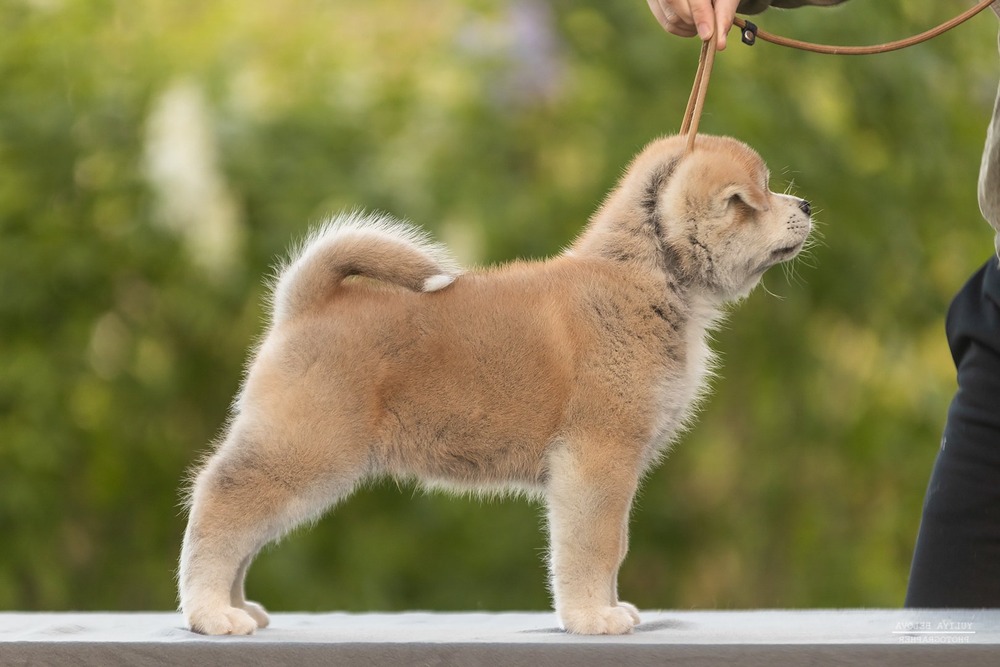
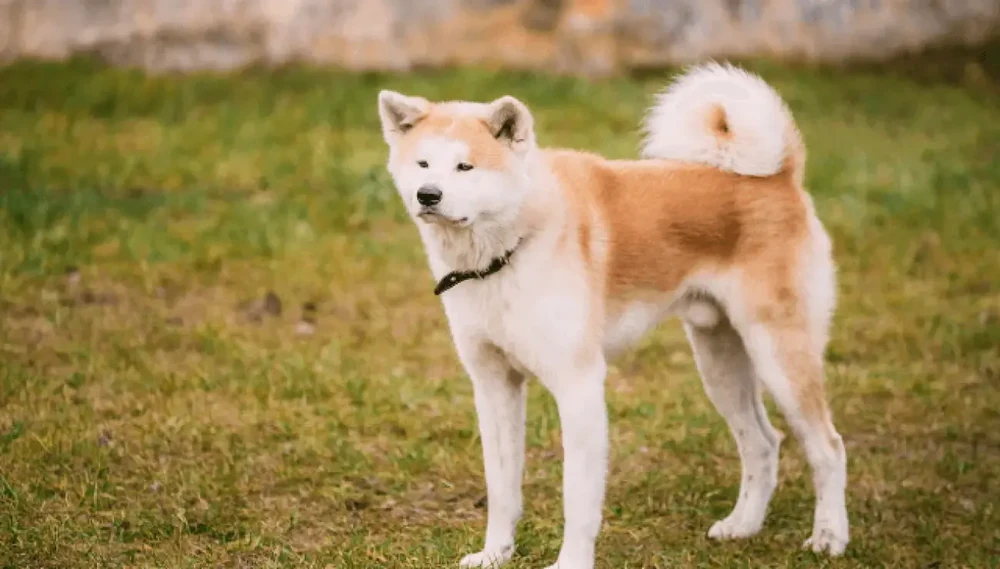
Akitas are large, solid dogs with heavy bone, a broad head, erect ears, and a curled tail carried over the back. Their double coat is dense and weather resistant, which can be wonderful in cold climates and challenging in heat. Many owners find they need to plan walks around cooler parts of the day in summer, especially for dogs that struggle to settle when they are warm.
Height and weight ranges vary across sources and across lines, but most descriptions agree on the basics: large, powerful build, thick double coat, and a look that is more “spitz” than “mastiff”, even though the body can feel very substantial on the lead.1, 2
Temperament and behaviour in everyday life
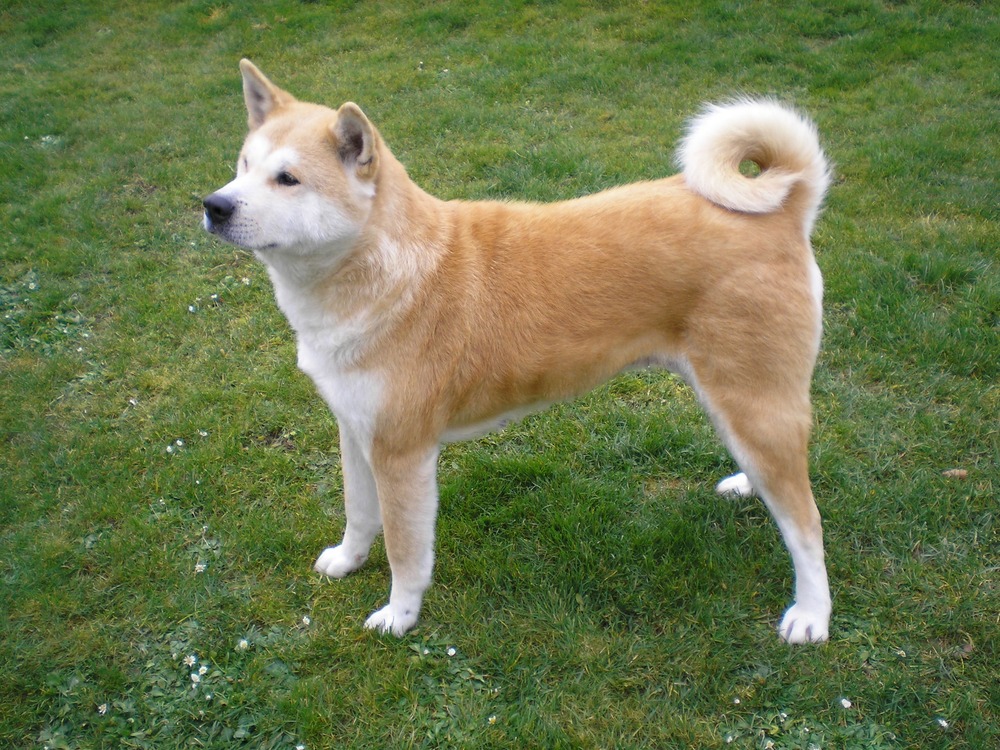
People often describe Akitas as loyal, but day to day that can look like a dog that keeps tabs on where you are, follows routines closely, and becomes very settled with familiar people. It does not always look like constant affection, and it may not extend to visitors. Many Akitas are naturally reserved, and that reserve can be a sensible trait when it is paired with good early experiences and clear boundaries.
It also helps to expect a degree of independence. An Akita may comply because it understands the pattern and respects the relationship, not because it is eager to please in the way a gundog might be. That is not “stubbornness” so much as a different working style, and it rewards owners who are consistent and calm rather than forceful. Clear rules, quietly enforced, tend to travel further than repeated corrections.
Dog to dog behaviour is one area where owners should be realistic. Some Akitas are perfectly manageable around other dogs, especially with early socialisation and thoughtful handling, but many are selective. This is one reason neutral-ground introductions and careful management around high value items (food, toys, tight spaces) matter, even in homes that have owned dogs for years.3, 4
Training and exercise needs
Akitas do best when training is started early and kept practical. Think less about tricks, and more about behaviours that make life smooth: a reliable recall in safe areas, calm lead walking, settling on a mat, and comfortable handling for grooming and vet visits.
Positive reinforcement is not “soft”, it is simply efficient. Reward the behaviours you want, set the environment up so the dog can succeed, and keep sessions short enough that the dog stays engaged. If an Akita learns that listening leads to good outcomes, you often get a steadier, more cooperative dog than if every interaction becomes a negotiation.
For exercise, most Akitas need daily movement and daily mental work, but not necessarily hours of high intensity running. Many do well with a couple of walks, some training, and structured enrichment. Because of their size and strength, it is worth making lead manners a priority early, before the dog reaches full adult power.
Health and lifespan
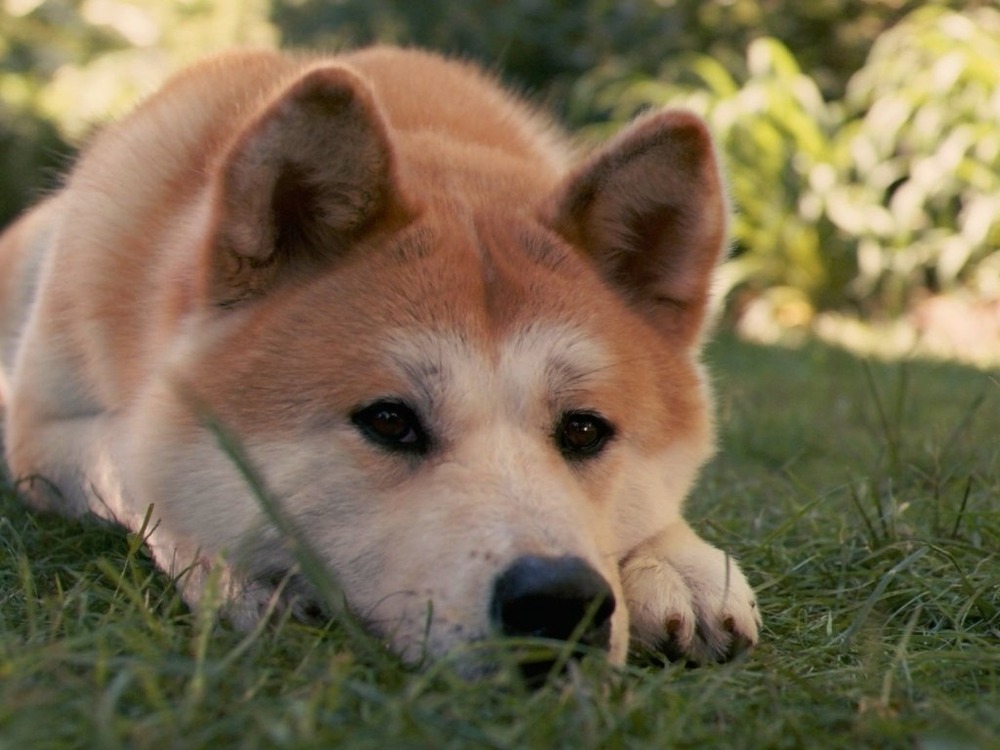
Akitas are often described as robust, yet they can still be prone to issues seen in many large breeds. Hip dysplasia is one of the better known concerns. It is a condition where the ball and socket of the hip joint fit poorly, leading to wear, arthritis, and changes in movement over time. It is influenced by genetics, and also by environmental factors such as growth rate, body condition, and exercise management in young dogs.5
Lifespan is commonly cited in the 10 to 14 year range, with individual variation based on genetics, health, and day to day care. The most practical “longevity tools” are unglamorous: keeping weight in a healthy range, maintaining dental care, monitoring skin and coat, and seeing your vet early when something changes rather than waiting for it to become obvious.1
If you are choosing a puppy, it is reasonable to ask what health screening the parents have had (including hip evaluation where relevant), and to discuss what those results mean. With hip dysplasia in particular, selection for healthier hips can reduce risk in offspring, even though it cannot guarantee outcomes.5
Grooming and coat maintenance
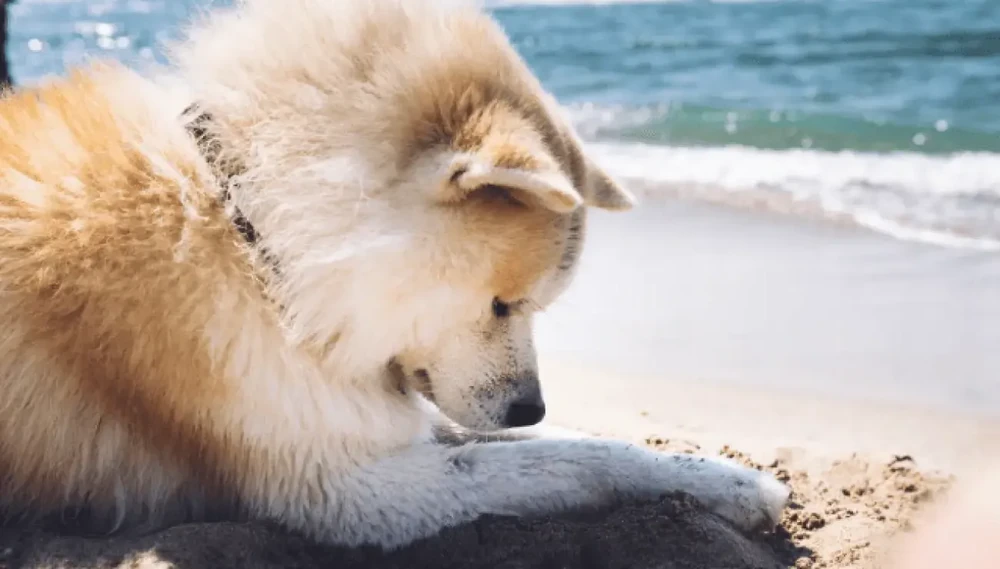
The Akita’s double coat is a big part of the appeal, and a big part of the work. Regular brushing helps remove loose undercoat and reduces matting, particularly behind the ears, around the ruff, and at the tail. Many owners find weekly brushing is workable most of the year, then much more during seasonal sheds.
When Akitas “blow coat”, it can feel endless for a few weeks. A calm routine helps: short daily brushes, a tool suited to undercoat, and a quick check of skin condition. The goal is not perfection, it is comfort and hygiene. If the skin is itchy, flaky, or smelly, treat that as a prompt to speak with your vet rather than just brushing harder.
Grooming is also a training opportunity. If you build a pattern where the dog can stand, be handled, and take breaks, you end up with a dog that is easier to live with when something goes wrong, like a sore paw or a vet visit that requires more touch than usual. Cooperative handling is a long game that pays off.
Diet and nutrition
There is no single perfect diet for every Akita, but there are dependable principles. Feed a complete and balanced diet appropriate for life stage, monitor body condition (not just the number on the scales), and adjust portions to match activity. Many Akitas will happily eat more than they need, and excess weight is not a cosmetic issue in a large breed. It changes how joints and soft tissues cope over time.
If you are unsure about amounts, your vet can help you set a realistic target and a feeding plan. It is also worth being cautious with rich treats, table scraps, and sudden diet changes, as some dogs develop gastrointestinal upset easily.
Some foods are widely recognised as unsafe for dogs, including chocolate, grapes and raisins, and onion and garlic. If your dog eats any of these, contact your vet promptly for advice, even if the dog looks fine at first.6, 7
Living with an Akita: home setup and introductions
Akitas often cope best in homes that are predictable. That does not mean quiet or child-free, but it does mean the dog benefits from clear routines, a safe place to rest, and management that prevents friction before it starts.
If you are introducing an Akita to another dog, take your time. Gradual scent exposure, neutral territory meetings, and parallel walking are practical steps that reduce pressure and let you observe body language without forcing contact. Many problems start when humans rush the “they must be friends” stage, rather than letting tolerance and familiarity build.3, 4
If there are cats or smaller animals in the home, management matters even more. Start with barriers and lead control, reward calm behaviour, and avoid giving the dog unsupervised access until you are genuinely confident. Prey drive varies by individual, but assuming “they will work it out” is rarely a good plan with a powerful, fast dog.8
Final thoughts
An Akita can be a remarkably steady companion for the right person. The qualities people admire, the quiet watchfulness, the self-possession, the strong bond with familiar humans, are real, but they come with practical needs. Thoughtful socialisation, consistent training, and day to day management are what turn a naturally reserved, powerful dog into a safe and enjoyable part of the household.
If you are drawn to the breed, it is worth spending time with well raised adult Akitas, not just puppies. Talk to reputable breeders, rescue groups, and trainers who understand large, independent breeds. The goal is not to soften the Akita into something else, but to build a life where its natural traits fit comfortably alongside the realities of neighbours, visitors, other dogs, and the ordinary busyness of home.
References
- Encyclopaedia Britannica: Akita
- Akita Club of America: AKC Akita Standard (history and standard approval)
- RSPCA Knowledgebase: Introducing a new dog to an existing dog
- Animal Welfare League: Dog to dog introductions
- Australian National Kennel Council (ANKC) Australian Mammals Committee (AMCV): Hip dysplasia information
- ABC News: Everyday foods that can poison dogs (chocolate, onions and more)
- Alphington and Fairfield Vet: Pet care information (grapes and raisins, onions and garlic, chocolate)
- Animal Aid: Introducing a new dog to existing animals