

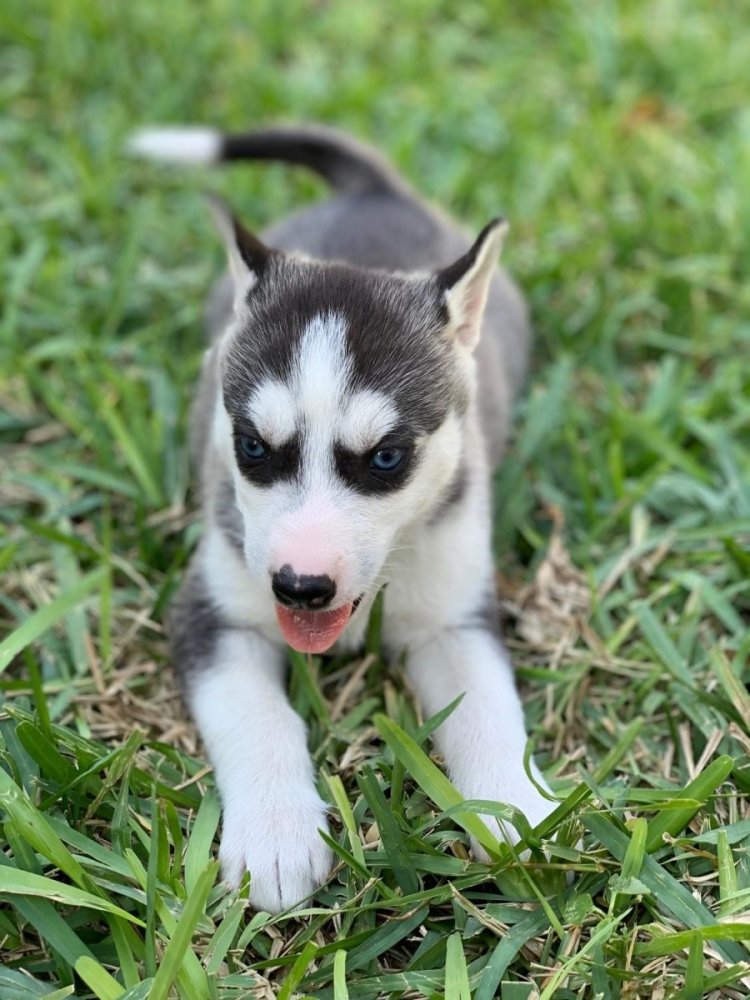
- Breed category: Working sled dog type
- Place of origin: Alaska, United States
- Typical height: Often around 50 to 60 cm at the shoulder, varies by line
- Typical weight: Often around 17 to 25 kg, varies by sex and line
- Typical lifespan: About 10 to 15 years
- Coat: Usually a double coat, length and density vary
- Shedding: Often high, especially seasonally
- Energy level: Very high
- Exercise needs: High, needs daily vigorous activity plus mental work
- Grooming: Moderate to high, regular brushing helps
- Heat sensitivity: Many cope poorly with heat and humidity
- Best suited to: Active homes with space, structure, and time
You might notice a dog who looks “husky-ish” but does not quite match the familiar Siberian Husky shape, or you might meet one through sled dog circles, canicross, skijoring, or rescue. People often arrive at the Alaskan Husky because they are trying to understand a high-drive, endurance-built dog who seems happiest when there is a job to do.
It is also a breed name that can trip people up. “Alaskan Husky” is commonly used as if it were a standardised pure breed, but in practice it is closer to a performance-bred type. That difference matters, because it explains why these dogs vary so much in looks, coat, and even how they handle life as a family pet.
When you understand what the Alaskan Husky was developed for, long-distance work in tough conditions, a lot of everyday questions become clearer. Why the pacing in the backyard, why the frustration when the routine slips, why a simple neighbourhood walk rarely feels like enough.
Where the Alaskan Husky comes from, and what “breed” really means here
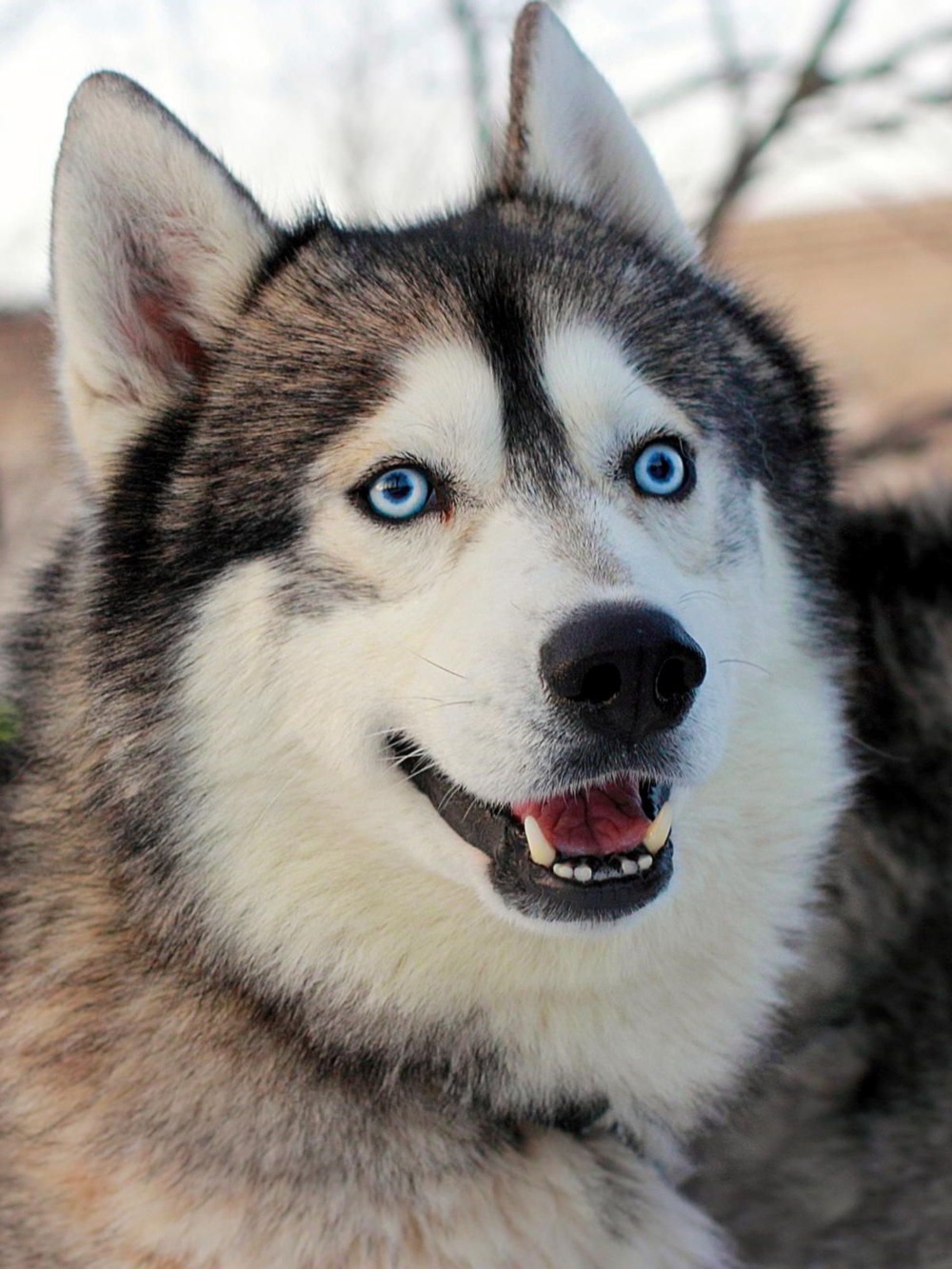
The Alaskan Husky is best thought of as a sled dog developed for performance, rather than a show-standard breed with a fixed look. Many are the result of generations of selective breeding by mushers, choosing dogs for traits like endurance, speed, appetite, recovery, and sound movement, and not for a particular head shape or coat colour.1
This is why two Alaskan Huskies can look quite different. Some lines keep a more traditional spitz-style outline, while others reflect purposeful outcrossing for specific racing goals. In modern racing contexts, “Alaskan Husky” is often the everyday label for the dogs you see on the trail, even though they may be described more broadly as Alaskan sled dogs.2, 3
That history also explains a common misunderstanding: if you are expecting a predictable temperament and coat care routine like you might with a registered breed, you can be caught off guard. With Alaskan Huskies, it is wise to assume there will be individual variation, then assess the dog in front of you.
A note on the 1925 serum run, Balto, and Togo
The 1925 serum run to Nome is part of Alaskan sled dog history, and it shaped how the wider world thinks about sled teams. It is also often simplified in retellings. Balto is remembered for leading the final leg into Nome, while Togo is widely recognised for covering the longest and most difficult sections with Leonhard Seppala’s team.4
Temperament and daily life: what tends to show up in a home
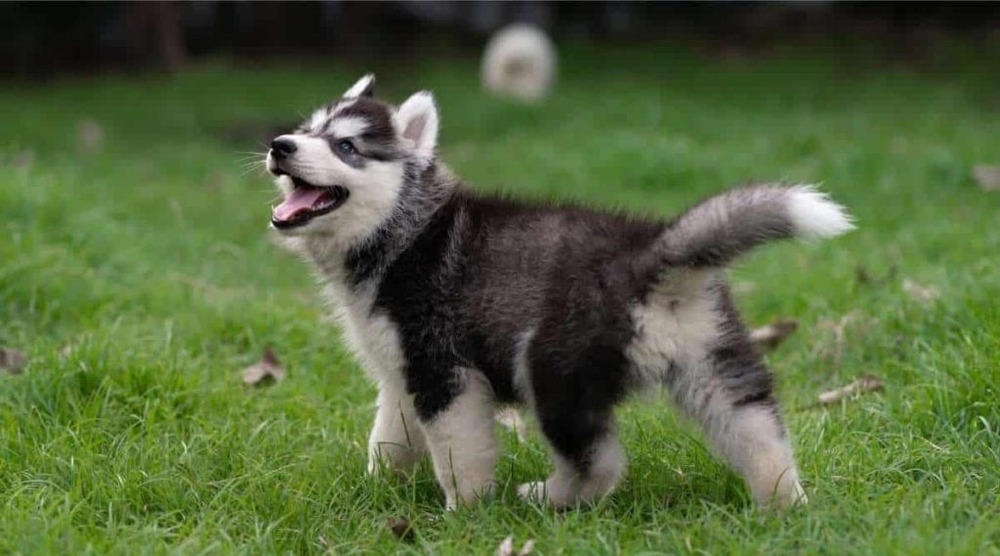
In day-to-day terms, many Alaskan Huskies are social, busy, and environmentally switched on. They often enjoy company, especially other dogs, and they can be very responsive when training is consistent and rewarding. But they are not typically “easy” dogs in the sense of being naturally settled with minimal input.
What some owners describe as stubbornness is often a more practical mix of high arousal, strong reinforcement history (they have learned what works), and a body built to keep moving. If a dog has been bred to trot for hours, it is not surprising that boredom can spill out as digging, chewing, fence-running, or vocalising.
Many do best with a predictable rhythm: a meaningful outlet for movement, followed by teaching genuine off-switch skills indoors. That can take time, and it tends to work better when it is trained as a behaviour, not demanded as a personality trait.
Children and other pets
Some Alaskan Huskies live beautifully with children, especially when kids understand dog boundaries and adults manage the environment. The two practical watch-outs are size plus momentum (accidental knocks) and over-excitement in fast play.
With other pets, early exposure and careful introductions matter. Because Alaskan Huskies are a mixed, purpose-bred type, prey drive can vary a lot between lines and individuals. It is safer to assume you will need management and training until you know the dog’s patterns well.
Training and exercise: meeting the dog’s needs without creating a super-athlete
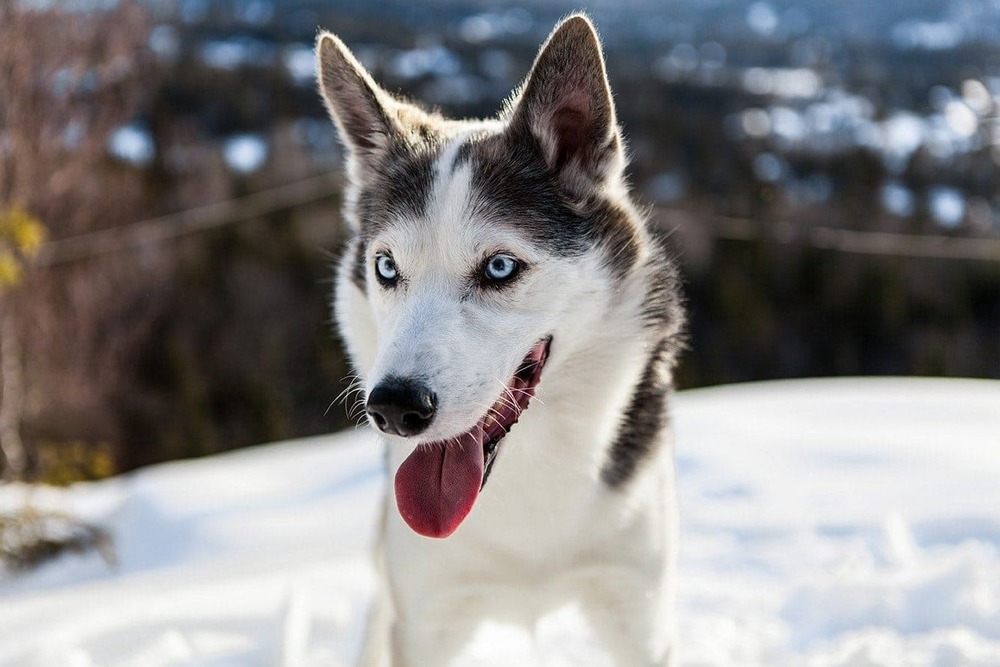
These dogs usually need more than a daily potter. Many thrive on steady, joint-friendly endurance work (running with a human, canicross, hiking, pulling sports where appropriate), plus short sessions of skill training to give their brain something to do.
A helpful way to think about it is: exercise drains the tank, but training teaches the steering. Without the steering, more exercise can sometimes just build a fitter dog with the same habits.
- Keep training short and frequent, especially for young dogs.
- Use rewards that match the dog, food, play, movement, sniffing, and access to the environment.
- Prioritise life skills that protect safety, recall foundations, leash manners, and settling on a mat.
If you are new to working breeds, it can help to work with a trainer who understands arousal, reinforcement, and the practicalities of high-drive dogs, not just basic obedience cues.
Health considerations: what to watch, and how to stay proactive
Because Alaskan Huskies are not a single standardised breed, there is no single health checklist that fits every dog. Still, active medium to large dogs can share some predictable risks, and it is sensible to plan for them.
Hip dysplasia is a developmental condition involving joint laxity and later osteoarthritis. It can show as stiffness, reluctance to jump, a “bunny hop” gait, or reduced rear-leg muscle, although signs do not always match x-ray findings. Vet assessment and appropriate imaging guide management, which may include weight control, physiotherapy, pain relief, and in some cases surgery.5, 6
Eye disease also matters in the wider husky and sled dog world. Progressive retinal atrophy (PRA) is a group of inherited retinal degenerations that can begin with night blindness and progress over time, and there is no curative treatment. For many breeds and lines, DNA tests may help with informed breeding decisions, and specialist eye exams can be useful for working dogs.7
Heat and overexertion
Double-coated working dogs are often comfortable in cold conditions, but heat can be a real limitation, especially in warmer parts of Australia or during humid stretches. It is worth treating heat management as a core part of care, not an occasional summer tip.
On hot days, shift exercise to early morning or evening, offer shade and plenty of water, and avoid hot surfaces that can burn paws. If you suspect heat stress, begin gentle cooling (tepid or cool water, airflow) and seek veterinary help promptly. Avoid ice-cold water or ice directly on the body, as this can worsen things in some situations.8
Coat care, shedding, and the practical reality of grooming
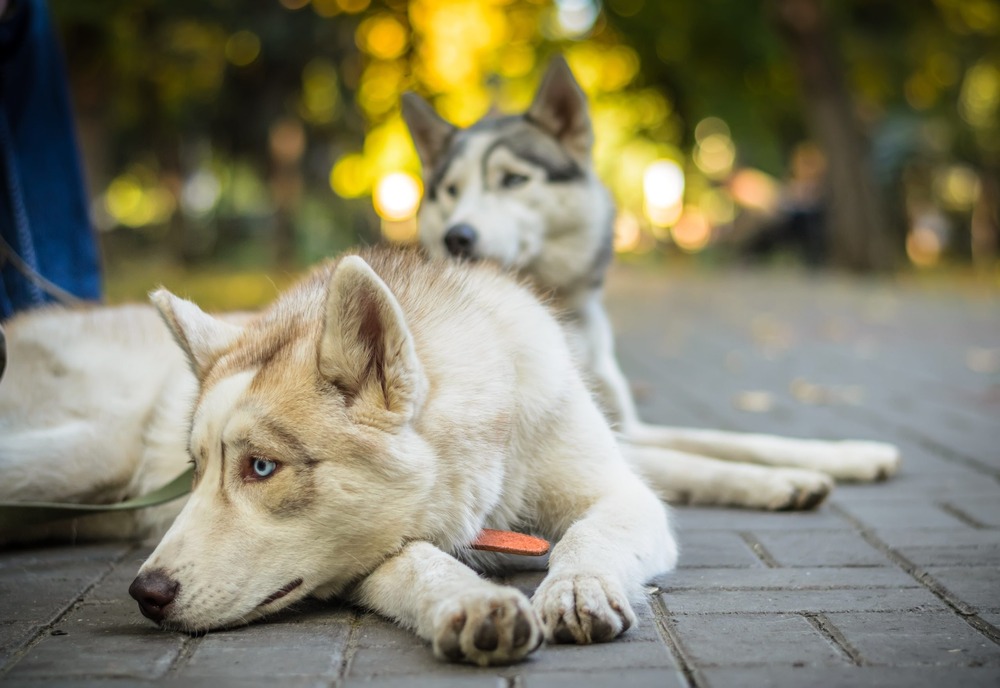
Most Alaskan Huskies have a double coat that sheds, often heavily at seasonal change. Brushing is less about appearance and more about comfort, skin health, and keeping the undercoat from compacting.
A simple routine works well for many homes: a thorough brush a few times a week, then more frequent sessions when the coat “blows”. An undercoat rake can help, but technique matters, especially on sensitive areas, so go gently and stop before the dog has had enough. Grooming should not be a wrestling match, and it is usually easier if you build it as a calm, rewarded habit from the start.
Bathing does not need to be frequent. When you do bathe, rinse thoroughly and dry properly, damp undercoat can irritate the skin and can smell surprisingly quickly.
Feeding and condition: supporting an athlete without overfeeding
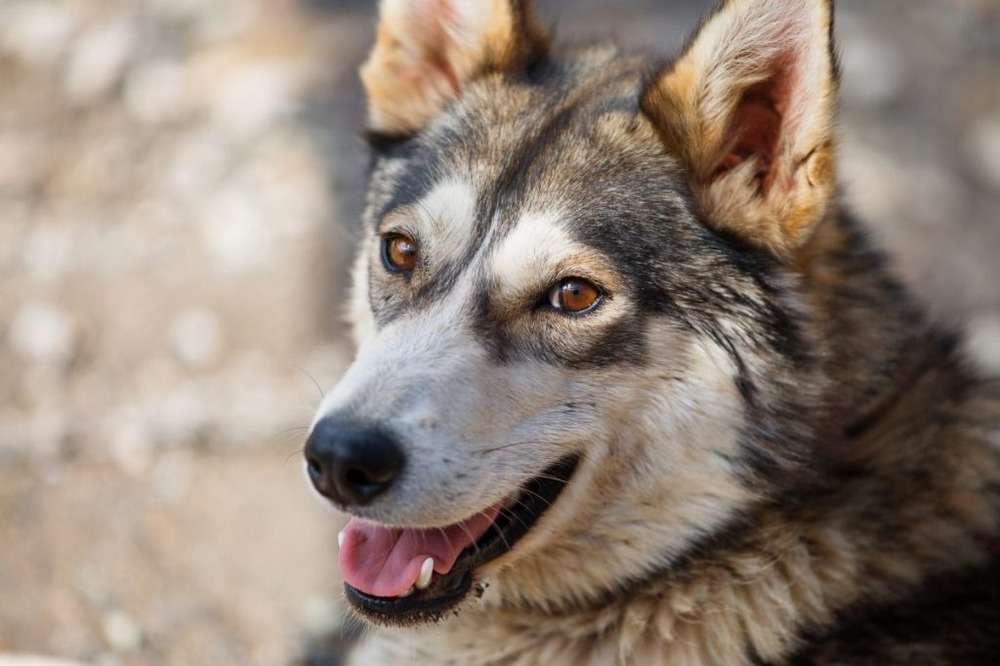
Alaskan Huskies often look lean compared with many pet dogs, and that can worry people who are used to rounder body shapes. For active working types, a lean, well-muscled condition is usually healthier for joints and endurance than carrying extra weight.
Energy needs vary widely. A dog doing real mileage will need more calories than one who is mostly a companion, even if both have the same ancestry. Work with your vet to assess body condition and adjust food gradually, rather than chasing a fixed number on a feeding guide.
If you are changing diets, do it slowly. Consistent stools, stable energy, and a steady coat are often better indicators than marketing promises on a bag.
Is an Alaskan Husky right for you?
People do best with this type of dog when their lifestyle already includes movement, time outdoors, and a willingness to train as a daily practice. It is not about being “tough” or “sporty”. It is about being realistic.
An Alaskan Husky can be a wonderful partner for the right home, especially one that values structure, enrichment, and safe freedom. But if what you want is a dog who is content with brief walks and long days alone, it is kinder to choose a different type of companion.
References
- Wikipedia: Alaskan husky
- Iditarod: What kind of dogs are in the race?
- Iditarod: Do many Siberian Huskies run the Iditarod? If not, why?
- Wikipedia: 1925 serum run to Nome
- Merck Veterinary Manual (Pet Owner): Hip dysplasia
- American College of Veterinary Surgeons: Canine hip dysplasia
- Merck Veterinary Manual (Pet Owner): Progressive retinal atrophy overview
- RSPCA Australia: Keeping your pet safe during the heat