

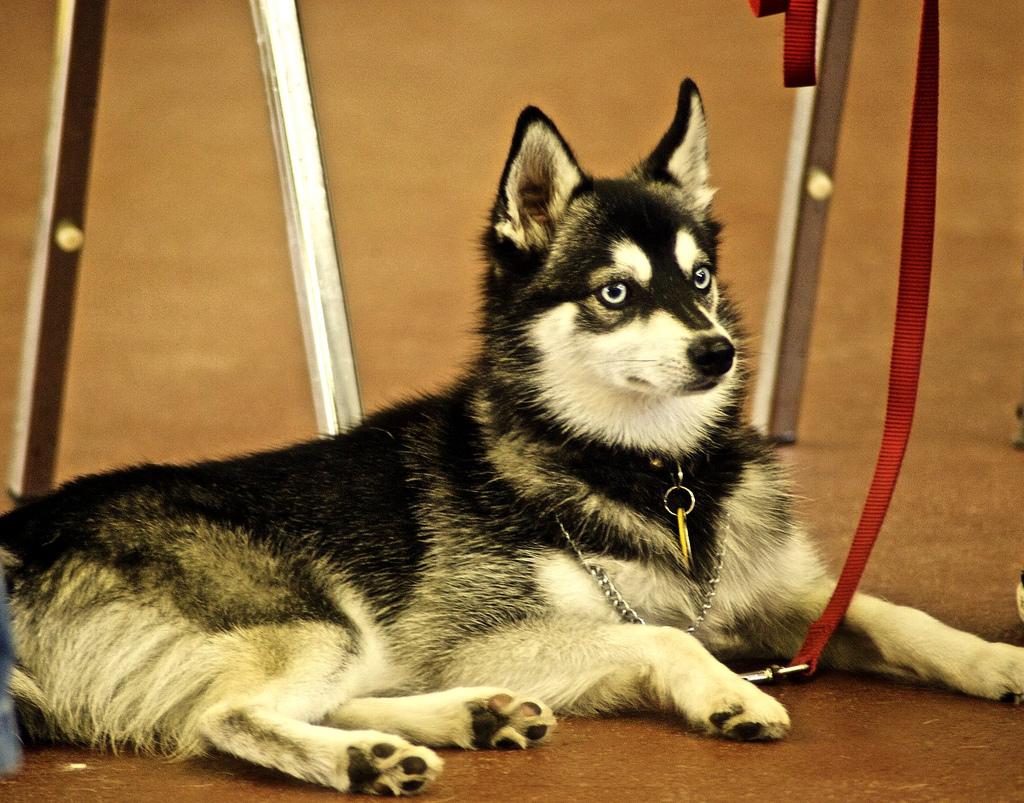
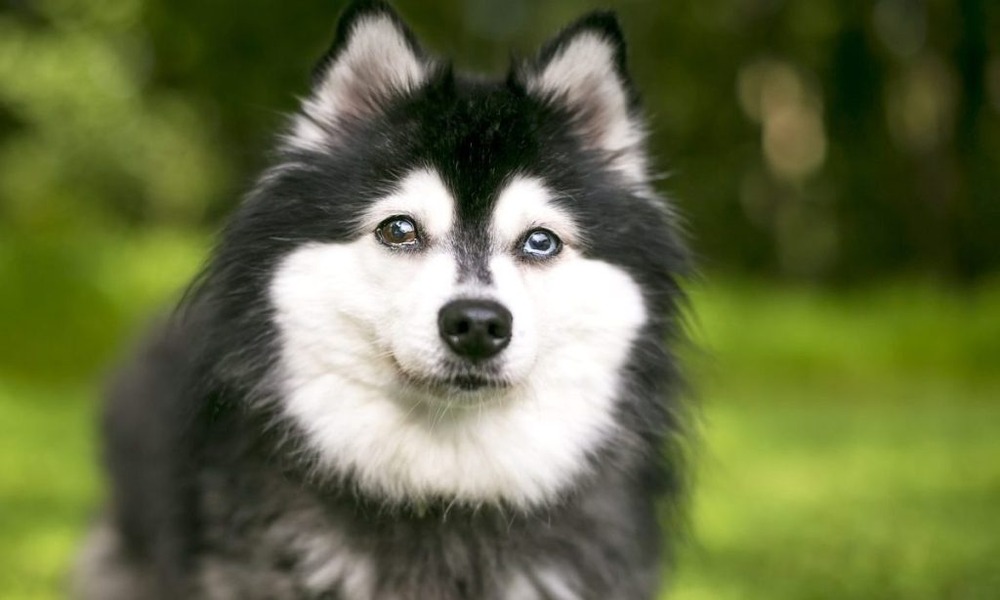
People often first notice an Alaskan Klee Kai the same way they notice a Husky, through that sharp mask, upright ears, and the bright, watchful expression. Then the surprise lands, the dog is much smaller than you expected, and it is moving with the same quick, athletic energy.
That “mini Husky” impression is useful, up to a point. It can also hide what matters day to day: many Klee Kai are more reserved with strangers than people assume, they can be quite vocal, and they tend to need more mental work than their size suggests. A small dog with a double coat and a busy brain does not automatically suit a small routine.
For the right home, though, the Alaskan Klee Kai can be a deeply engaging companion: alert, agile, and closely tuned to the patterns of family life, provided their exercise, training, and management are taken seriously.
At a glance: the Alaskan Klee Kai
- Breed type: Companion spitz-type dog
- Origin: Alaska, United States
- Typical height: about 33 to 43 cm at the withers (size varies)
- Typical weight: about 2 to 11 kg, depending on size variety
- Life expectancy: commonly around 12 to 16 years
- Coat: medium-length double coat
- Energy: generally high, with strong needs for daily activity
- Temperament: intelligent, alert, often aloof with strangers
The Alaskan Klee Kai is recognised by the United Kennel Club (UKC), with UKC recognition dated 1 January 1997.1
Where the breed came from
The breed was developed in Alaska by Linda Spurlin and her family, with the goal of creating a companion-sized northern spitz dog that kept the look and athletic outline people associate with sled-dog types.1, 2
Most histories describe development beginning in the early 1970s and continuing into the late 1980s, with the dogs becoming available to the public around 1988. The name was later standardised as “Alaskan Klee Kai” in the mid-1990s.1
You will sometimes see the foundation breeds listed differently, but commonly mentioned influences include Alaskan Husky-type dogs, with contributions described from Siberian Husky, American Eskimo Dog, and Schipperke lines.2
Temperament: bright, observant, and not always everyone’s mate
Well-bred Klee Kai are typically quick to learn, lively, and highly aware of what is happening around them. Many are devoted to their household and can be excellent little “alarm barkers”, but it is also common for them to be reserved with unfamiliar people rather than instantly friendly.1
This does not mean they are “mean” or “anxious” by default. It is more that the breed standard allows for a watchful, discerning dog. In practice, it means visitors may need to ignore the dog at first, keep movements calm, and let the Klee Kai approach in their own time.
Because they are smart and agile, they can also be surprisingly good at rehearsing unwanted habits. If they learn that barking brings attention, or that slipping through a half-closed gate leads to something interesting, they tend to remember it.
Size, coat, and the look people fall for
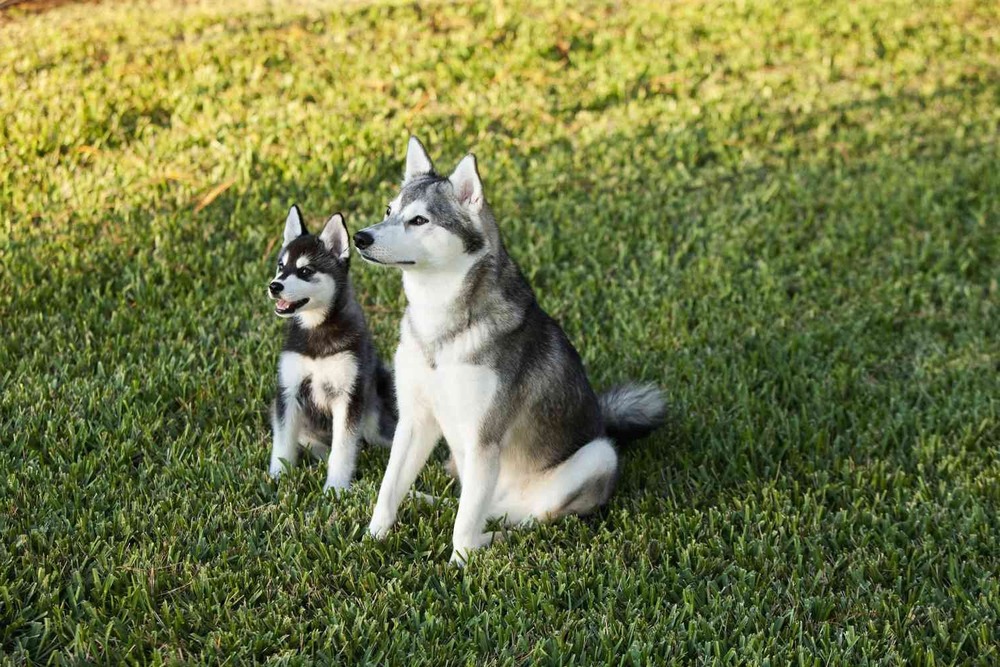
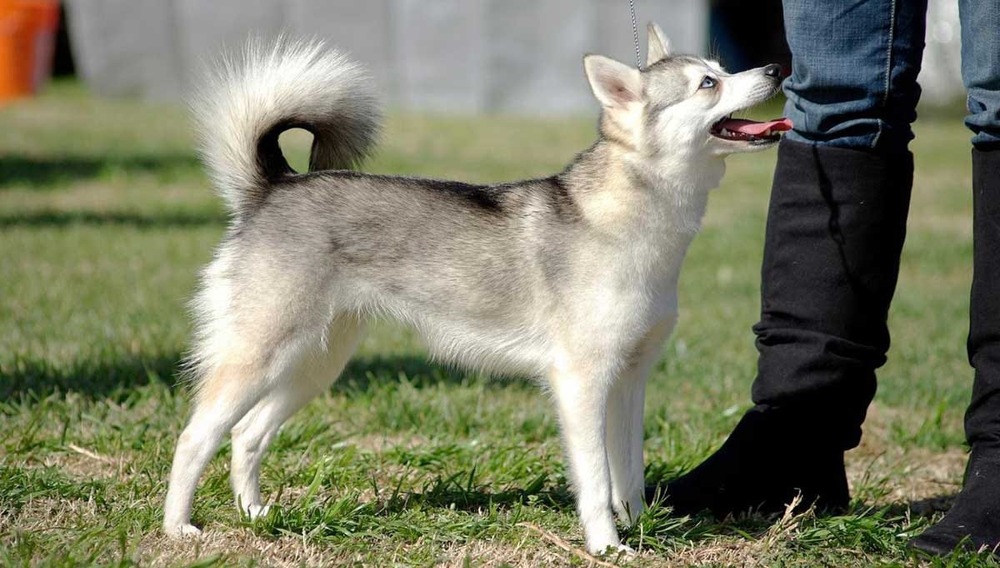
Alaskan Klee Kai are commonly described in three size varieties (toy, miniature, and standard). Their double coat and distinct facial mask are a big part of their appeal, along with their light, athletic movement and upright ears.1
It helps to hold two truths at once: they may look like a small Husky, but they are not simply a scaled-down version of any one larger breed. Their needs, especially around socialisation and daily enrichment, deserve to be considered on their own terms.
Training and exercise that actually works in real life
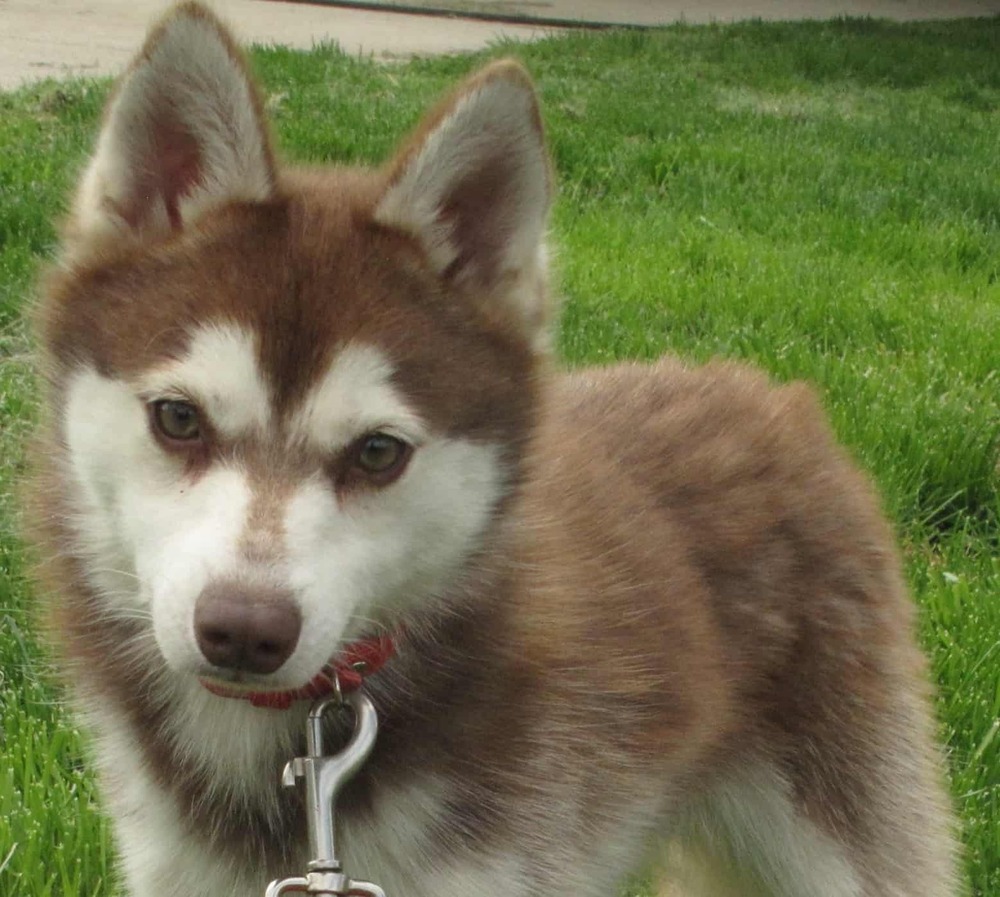
Klee Kai usually respond best to reward-based training: food, toys, praise, and access to what they want (like sniffing a tree) used thoughtfully. Harsh methods tend to create avoidance or shutdown, and can make a naturally cautious dog even harder to live with.
Early socialisation matters, but it is worth framing it as “learning the world is safe and predictable”, not “being touched by everyone”. Aim for calm exposures to:
- different surfaces and places (shops that allow dogs, parks, quiet streets)
- people of different ages and appearances, at the dog’s pace
- handling skills (collar grabs, paws checked, brief brushing)
- other dogs you trust, with short, positive sessions
For exercise, most do well with daily walks plus something that uses their brain. That might be scent games, basic agility foundations, a training session broken into tiny pieces, or food puzzles. A good rule is that a Klee Kai who is mentally satisfied is usually easier to settle than one who has only been physically “run”.
Living setup: apartments can work, fences must
An apartment can suit this breed if you have a plan for exercise, training, and noise. The bigger variable tends to be barking and alertness rather than square metres.
Secure fencing is important. These dogs are agile, curious, and often fast. Management tools that help include:
- double-checking gates and latch points
- using a lead or long line until recall is reliable
- teaching a station behaviour (mat settle) to reduce pacing and vigilance
Heat, thick coats, and smart summer habits
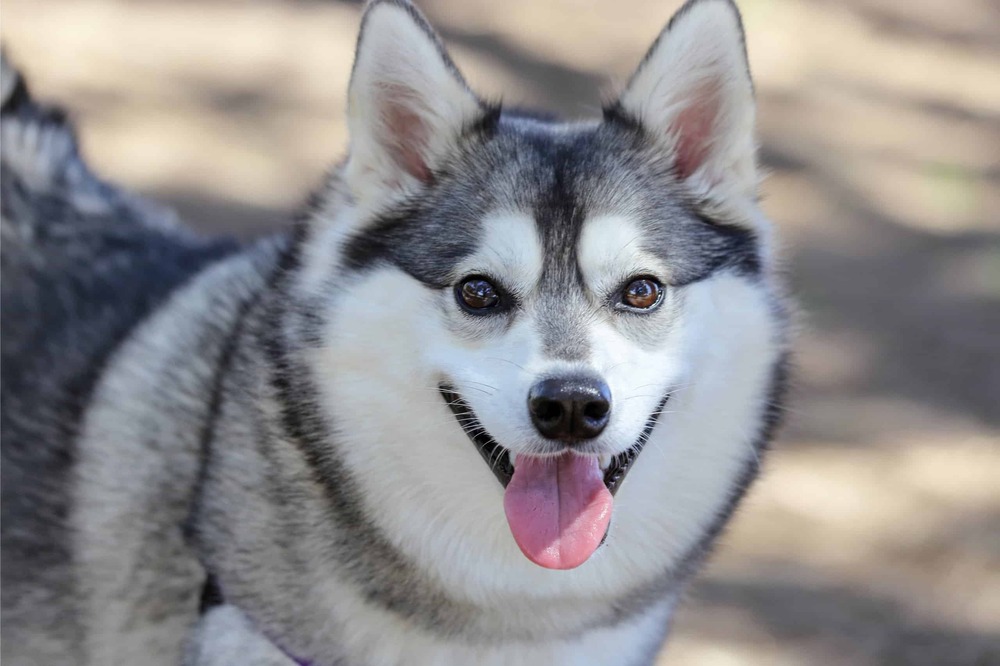
With a thick double coat, many Klee Kai cope better in cool weather than hot. In warmer conditions, take a conservative approach: walk early or late, prioritise shade and airflow, and keep high-intensity play short.
Learn the signs of overheating, including heavy panting that escalates, drooling, agitation, vomiting, weakness, or collapse, and treat it as urgent. If you suspect heatstroke, start cooling with tepid water and contact a vet immediately.3, 4
Health and lifespan: what to ask breeders and vets about
Many Alaskan Klee Kai live into their teens, with commonly cited lifespans around 12 to 16 years.1
Like any breed, they can have inherited issues. Two that are often discussed are:
- Patellar luxation (kneecap instability), which can range from mild to requiring surgery in more severe cases.5
- Endocrine and cardiac concerns reported in the wider breed conversation, where responsible breeders may screen, track lines, and discuss family history openly.2
If you are choosing a puppy, ask what health testing has been done on the parents, what issues have shown up in related dogs, and how the breeder supports puppies that develop problems later. A good breeder will answer plainly and provide documentation, not reassurance alone.
Grooming: less about haircuts, more about brushing
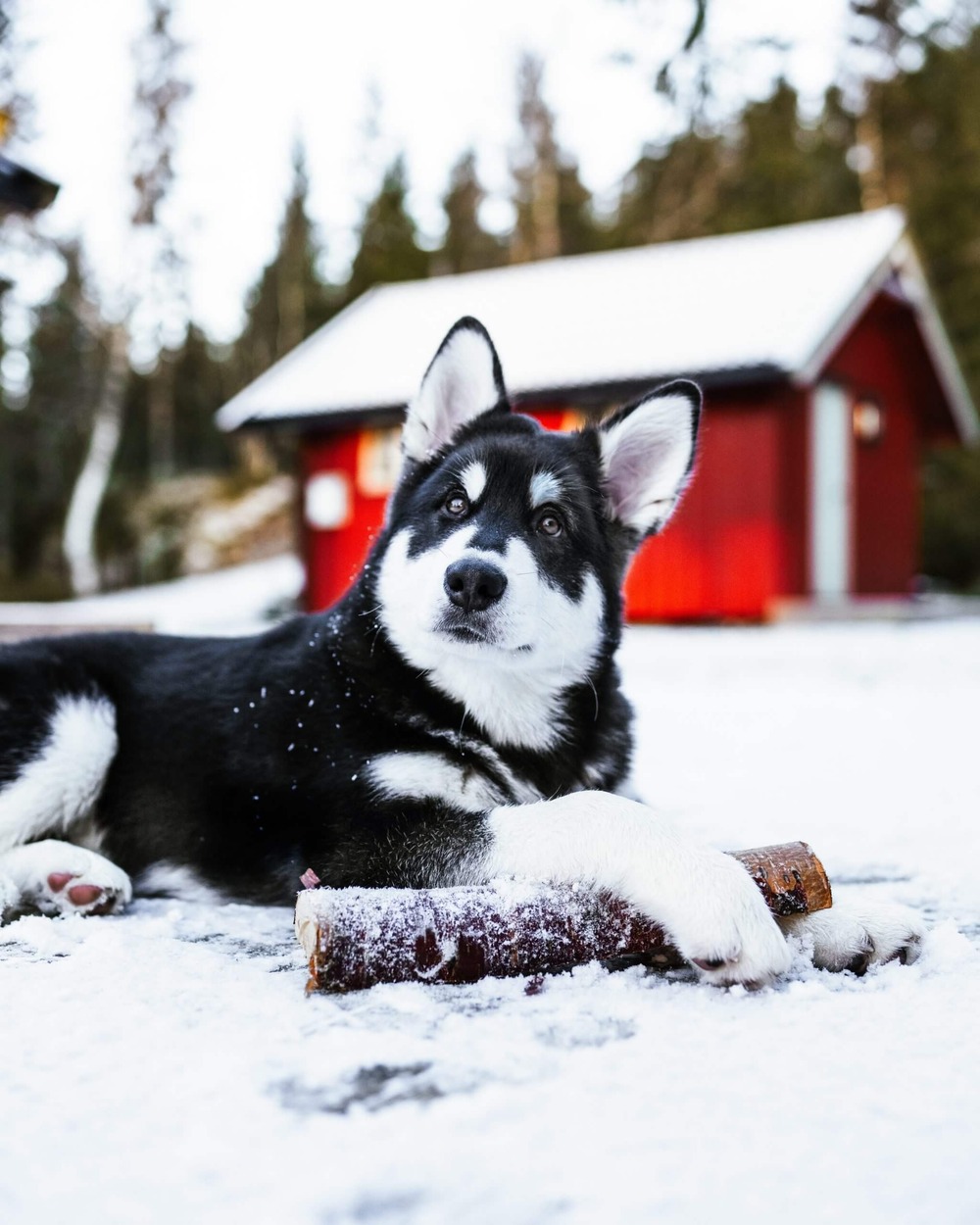
The coat is designed for insulation, so grooming is usually about maintenance rather than styling. Regular brushing helps remove loose undercoat, reduces shedding indoors, and lets you check skin and ears as you go.
During seasonal sheds, you may need more frequent brushing. Keep baths occasional and use a dog-appropriate shampoo so you do not strip oils unnecessarily. If you are unsure what tools to use for a double coat, your groomer can demonstrate a setup that suits your dog’s coat texture.
Feeding and weight: keeping a small athlete lean
Klee Kai tend to look their best when they are lightly muscled with a visible waist. Because they are small, extra kilos add up quickly and can affect joints and heat tolerance.
A practical approach is:
- choose a complete, balanced diet appropriate for life stage
- measure meals for a few weeks, then adjust based on body condition
- use part of the daily ration for training rewards
If you are feeding a raw or home-prepared diet, get veterinary nutritional advice so the diet stays balanced over time.6
Is an Alaskan Klee Kai likely to suit you?
This breed often suits people who enjoy training, notice small changes in behaviour, and like living with a dog who is both affectionate and a bit discerning.
They can be a tough match if you need a dog that loves every stranger, if you cannot commit to daily mental work, or if you are already managing noise sensitivity in close neighbours. The good news is that clarity upfront usually prevents heartbreak later.
References
- United Kennel Club (UKC), Breed Standards: Alaskan Klee Kai
- Wikipedia, Alaskan Klee Kai (overview and history sources list)
- RSPCA Pet Insurance, Heatstroke (Hyperthermia) guide for cats and dogs
- RSPCA Australia, Warm weather worries: protect pets from heatstroke
- VCA Animal Hospitals, Luxating patella in dogs
- WSAVA, Global Nutrition Guidelines
- RSPCA Australia Knowledgebase, Best way to socialise a puppy
- American Veterinary Medical Association (AVMA), Heatstroke in pets
- American Kennel Club (AKC), Alaskan Klee Kai breed information