

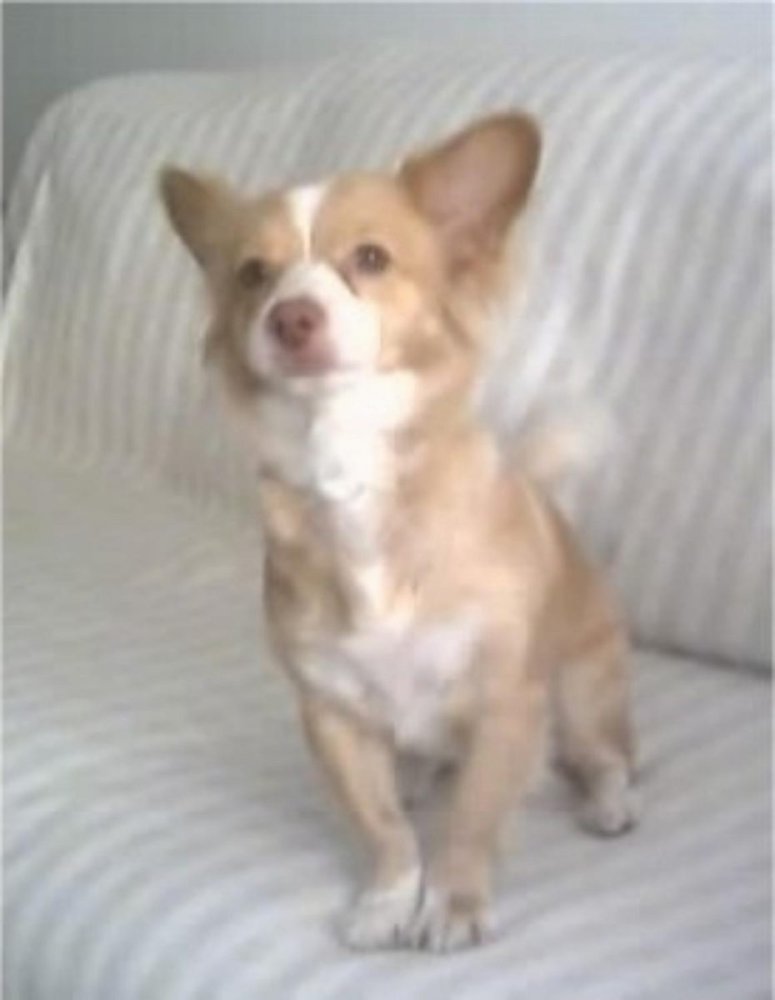
You might come across the Alopekis after seeing a small, fox-like dog in a photo from Greece, or after meeting a little farm dog that is sharp, busy, and surprisingly capable for its size. People often assume it must be a recognised “breed” in the modern kennel club sense, with a tidy history and a standard look.
The reality is more interesting, and a bit messier. The Alopekis is widely described as a traditional Greek landrace: a practical, multipurpose small dog shaped by village life rather than show rings. That helps explain why two Alopekis can look a little different from each other, and why reliable information can be harder to pin down than it is for more formalised breeds.1, 2
If you are thinking about living with one, or you are simply trying to understand what you are seeing online, it helps to focus less on hype and more on what landrace dogs tend to need in everyday homes: thoughtful socialisation, sensible exercise, good nutrition, and routine health care.
- Type: Traditional landrace, small multipurpose farm dog
- Origin: Greece
- Typical height: About 20 to 32 cm
- Typical weight: About 3.5 to 7.5 kg
- Typical lifespan: Often quoted around 12 to 15 years
- Coat: Commonly described as short to medium, often double-coated
- Grooming: Generally low to moderate
- Exercise: Moderate daily activity plus mental stimulation
The Alopekis in context, history, and what “landrace” really means
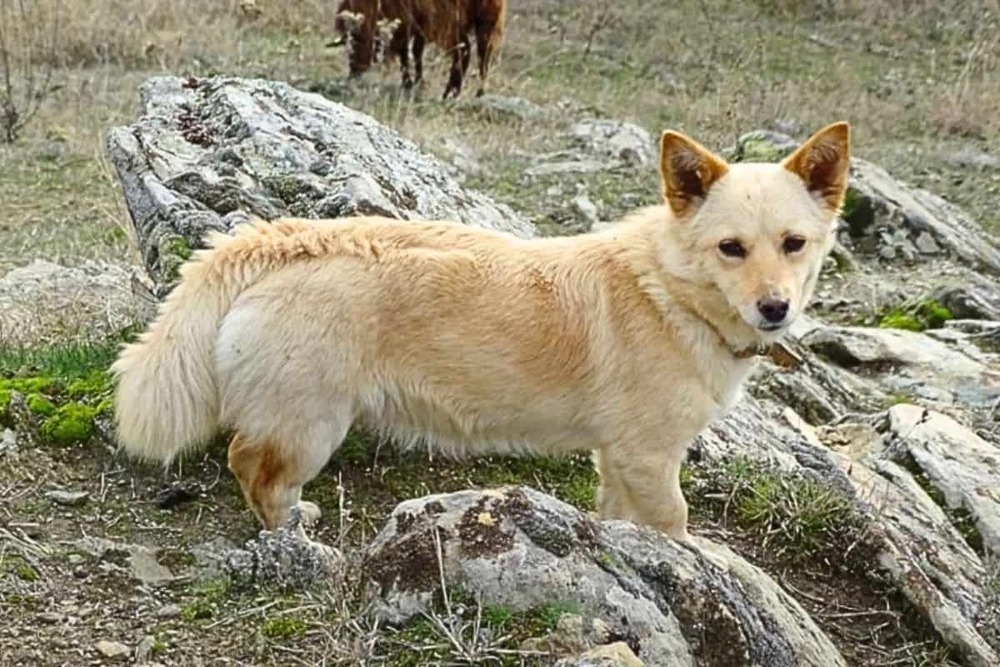
The Alopekis is commonly described as an old Greek type of small dog, historically kept around farms and villages. In that setting, a dog did not need to match a written standard, it needed to work: alert to movement, quick on its feet, and capable of fitting into busy human spaces without taking up much room.1, 2
Calling the Alopekis a landrace is important. Landraces are shaped over time by local conditions and practical selection. That usually means you see variation in ear set, coat length, and overall outline, even within the same region. It also means that “purebred” can be a complicated word, especially if you are used to dogs with long-established registries and predictable pedigrees.1
One more point that can save confusion: the Alopekis is generally described as not recognised by the Fédération Cynologique Internationale (FCI), the international body many countries and kennel clubs align with for breed recognition and standards.1, 3
Appearance and everyday behaviour
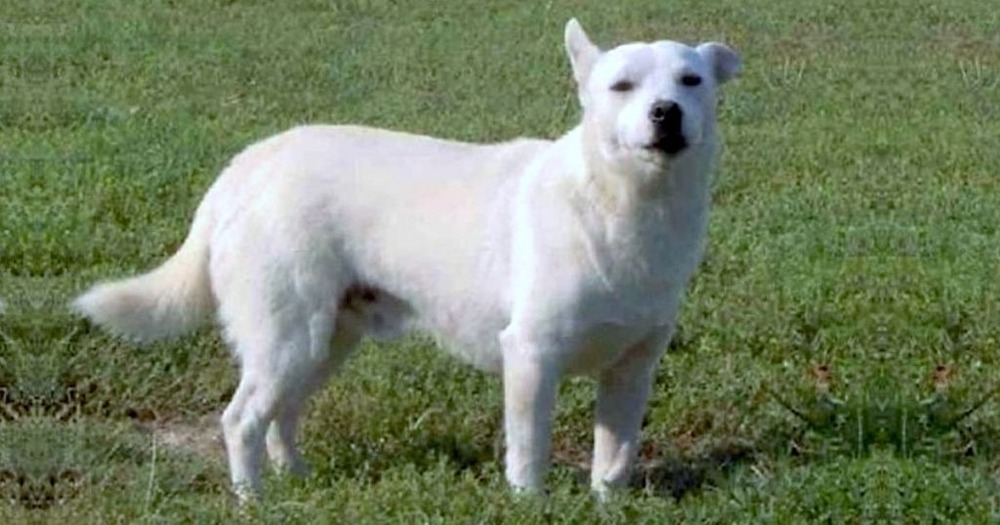
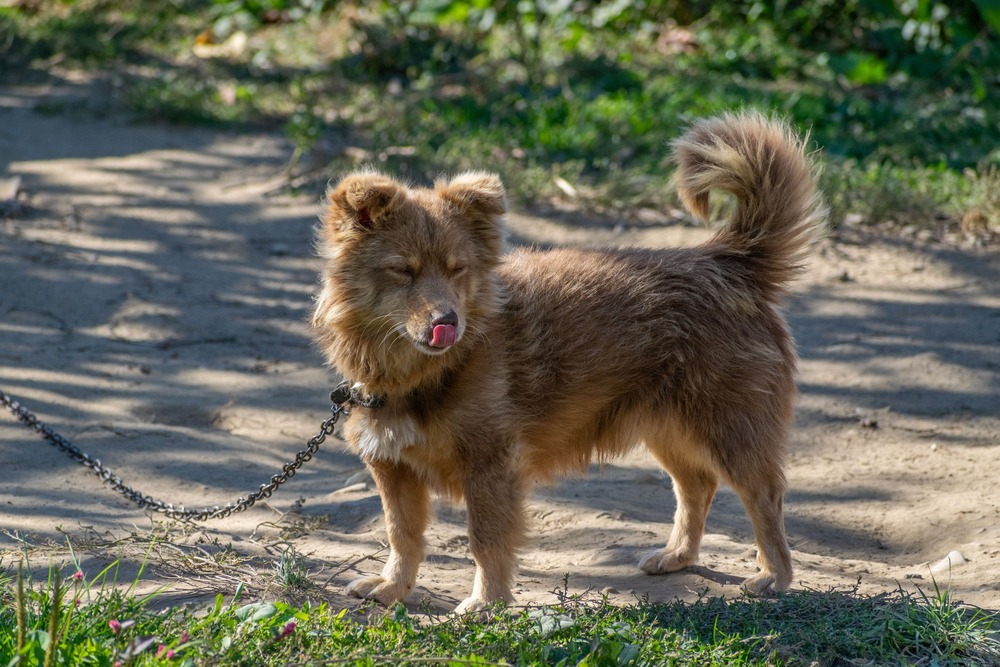
Alopekis are typically described as small, light, and agile, often with upright or semi-upright ears and a tail that may curl. Coats are often described as short and double-coated, with a range of colours and markings reported. In practical terms, this is usually a dog built for movement and alertness rather than heavy bone or a plush, high-maintenance coat.1, 2
In temperament descriptions, you will often see words like bright, watchful, and people-oriented. It is worth holding those lightly. Individual dogs vary, and a landrace background can produce dogs that are wonderfully adaptable, but also quick to notice things and quick to rehearse behaviours that “work” for them, including barking or chasing. The goal in a home setting is not to suppress those instincts, but to give them outlets and clear guidance.
Family life, kids, visitors, and other pets
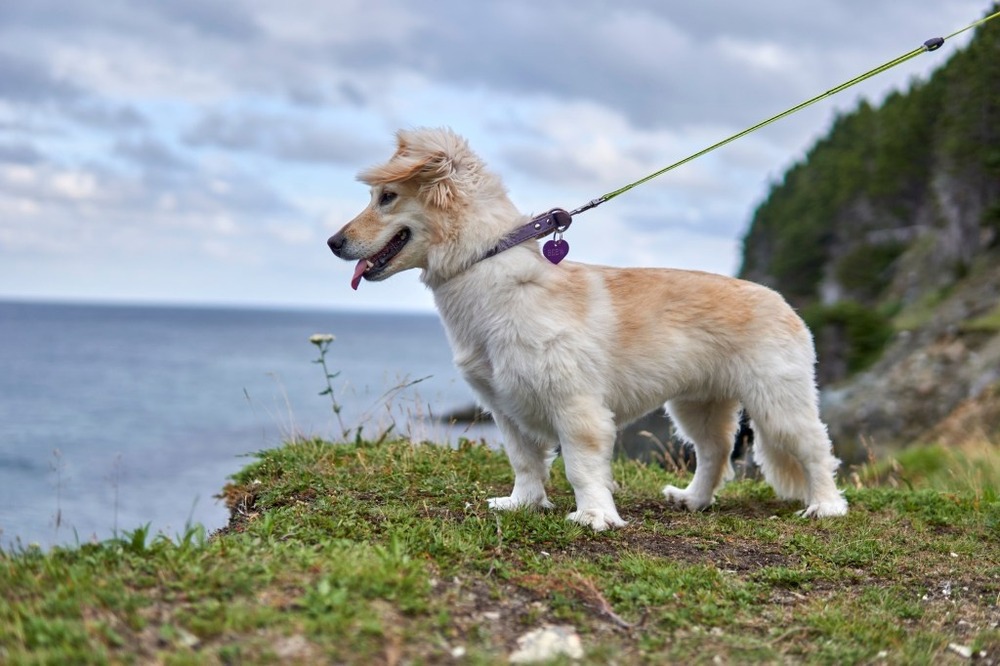
Small, clever dogs can be excellent family companions when their routines are steady and their boundaries are respected. With children, what matters most is not “are they good with kids?” as a blanket label, but whether the household can support calm interactions, supervision, and teaching children how to approach, pat, and play without overwhelming a small dog.
With other pets, early exposure helps, and it helps even more when you assume the dog may have some interest in movement and small animals, given the traditional farm-dog role often described for the type. If you have cats, poultry, rabbits, or pocket pets, set the home up to succeed by using baby gates, safe retreat spaces, and gradual introductions. Aim for safe management first, then build trust over time.
Training and exercise that suits a bright, busy small dog
Most small, intelligent dogs do best with training that is clear, consistent, and kind. Reward-based methods, including food, play, and praise, are widely recommended by animal welfare organisations because they build skills without relying on intimidation or pain.4, 5
For many households, the “secret” is not a special trick, it is repetition plus good timing. Keep sessions short, finish while the dog is still engaged, and practise skills in real-life moments: at doorways, before meals, on lead, and when visitors arrive.
Daily activity should include more than a quick lap of the block. Think in terms of a simple mix:
- Sniffing walks (not rushed, lots of information through the nose)
- Short training games (sit, down, recall, leash manners)
- Food puzzles or scatter feeding for mental effort
- Play that stays controlled (tug with rules, fetch in short bursts)
If barking is an issue, treat it like information rather than “naughtiness”. Work out what sets it off, reduce rehearsals where you can, and teach an alternative behaviour such as coming to a mat, checking in, or finding a toy.
Health, preventative care, and dental realities for small dogs
Because the Alopekis is not a widely standardised, globally tracked breed, you will see broad statements like “generally healthy”. That may be true for many individuals, but it should never replace routine preventative care: vaccinations and parasite control suited to your region, regular vet checks, weight monitoring, and dental assessments.
Dental disease is especially worth taking seriously in small dogs. Veterinary guidelines commonly emphasise that tooth brushing needs to be frequent, ideally daily, to make a meaningful difference. Dental chews can help, but they do not replace brushing, and they do not address every dog’s risk profile.6, 7
If you are not sure where to start, ask your vet to show you a realistic technique, then build tolerance slowly. Many dogs accept brushing well when it is introduced in tiny steps, with rewards, and without forcing the mouth open.
Coat care, grooming, and cold weather comfort
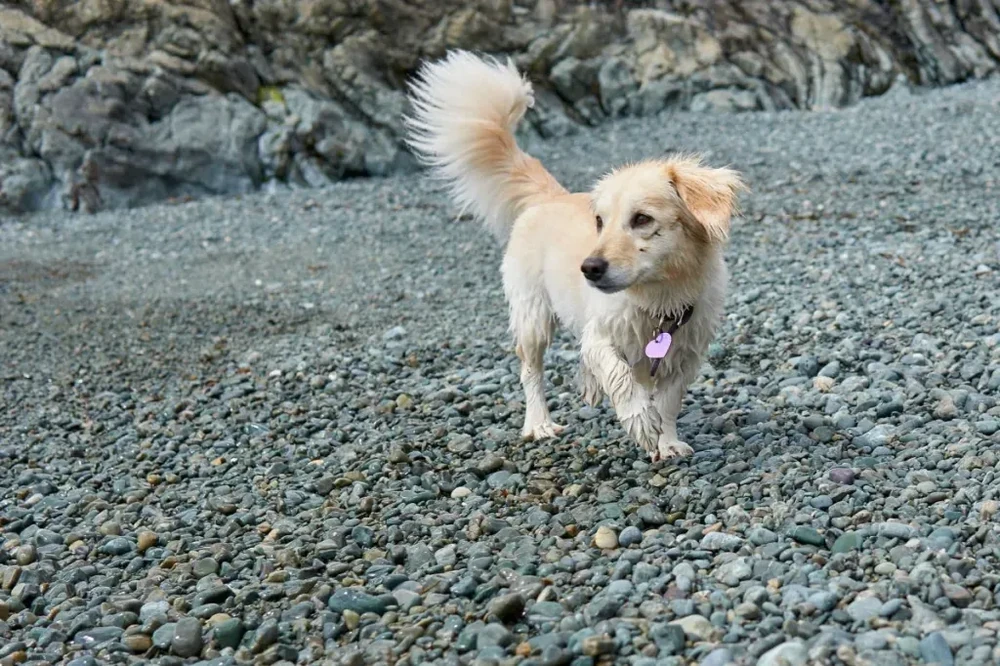
Coat care for an Alopekis-type dog is often fairly straightforward. A weekly brush is usually enough to lift dirt and loose hair, and it gives you a chance to check ears, nails, paw pads, and skin. If your dog has a denser undercoat than expected, you may find seasonal shedding periods where more frequent brushing helps.
Cold sensitivity varies by individual, coat type, and what the dog is used to. Small dogs can lose body heat quickly, particularly when it is wet or windy. If your dog starts to slow down on winter walks, shivers, or avoids going outside, consider simple supports like a properly fitted coat, shorter outings, and warm bedding indoors. The goal is comfortable movement, not “toughing it out”.
Food and feeding, keeping it simple and evidence-based
For most pet dogs, the most practical nutrition goal is consistency: a diet that is complete and balanced for your dog’s life stage, fed in measured portions, with treats kept sensible. Veterinary associations regularly highlight obesity as a significant health and welfare problem, and small dogs can gain weight quickly when portions drift over time.8
If you want to compare foods, one useful starting point is to look for a clear nutritional adequacy statement on the packaging (for example, that the diet is complete and balanced for a given life stage). If you are feeding home-prepared food, it is worth getting veterinary guidance so the diet stays balanced over the long term, not just appetising in the bowl.8
As a day-to-day habit, keep an eye on body condition rather than relying on the scales alone. You should usually be able to feel ribs with light pressure, and see a waistline from above. If you are unsure, your vet can show you how to score body condition and adjust intake without guesswork.
Finding an Alopekis responsibly (and what to ask)
Outside Greece, genuine Alopekis are likely to be uncommon. That scarcity can create confusion with similar-looking small dogs, mixes, and other Greek breeds or types. It is also why you may read big claims online that are hard to verify.
If you are trying to source one, focus on the quality of the human decisions around the dog rather than a label:
- Health care records, including parasite control and vet checks
- Clear, honest information about temperament in the home
- Evidence of early socialisation (sounds, surfaces, handling, visitors)
- Transparent rehoming or return policy if it does not work out
And if what you love is the look and size rather than the specific name, consider whether a small rescue dog with similar needs might suit you just as well.
Final thoughts
The Alopekis tends to draw people in because it looks like a small, bright companion with a working-dog spark. If you keep the landrace context in mind, you will make better decisions: you will expect some variation, you will prioritise early learning and good routines, and you will be less swayed by neat stories that oversimplify what a village dog actually is.
In the right home, with steady training and daily enrichment, a small, agile dog like this can be a delight: observant, responsive, and genuinely good company.
References
- Wikipedia: Alopekis
- DogFlux: Alopekis dog breed overview
- Fédération Cynologique Internationale (FCI): Breeds nomenclature
- RSPCA ACT: Reward-based dog training methods
- FOUR PAWS Australia: Positive reinforcement dog training
- AAHA: Dental care guidelines, recommending home oral hygiene
- AKC Canine Health Foundation: Dental health for dogs
- BSAVA: Companion animal nutrition position statement