

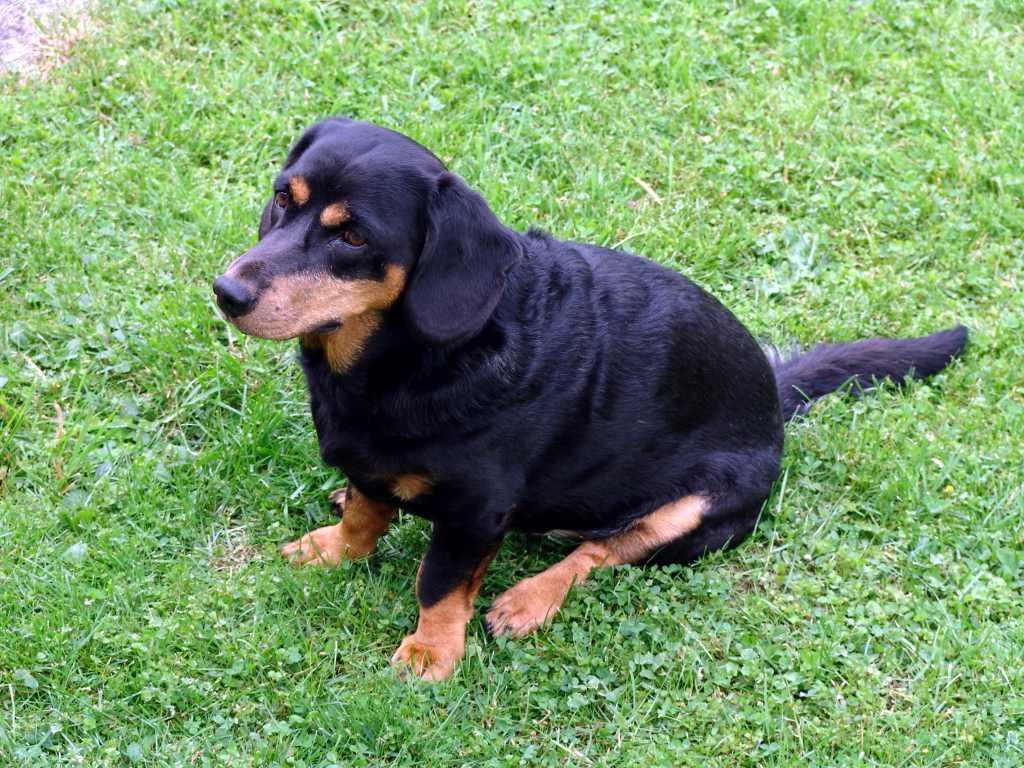
People usually come across the Alpine Dachsbracke in a roundabout way. Maybe you have met one on a bushy trail and noticed the low, sturdy build and the way it works the ground with its nose. Or you have seen the breed name online and wondered whether it is basically a Dachshund, a Beagle, or something else entirely.
It helps to start with what this dog was made for. The Alpine Dachsbracke is a compact Austrian scent hound, shaped by steep country and the practical demands of tracking. That background shows up in everyday life through its stamina, its interest in smells, and its preference for having a job, even if that job is “helping” you find yesterday’s wallaby track in the park.1, 2
When people call them “easy” because they are small and short-coated, it is only half the story. Physically, they are manageable. Mentally, they do best with routines, enrichment, and owners who enjoy training that is built around a hound’s priorities: scent, persistence, and clear boundaries.1, 3
- Breed category: Scent hound
- Country of origin: Austria
- Typical height: 34 to 42 cm (ideal: dogs 37 to 38 cm, bitches 36 to 37 cm)2
- Typical weight: often reported around 15 to 18 kg1
- Coat: short, dense, double coat2
- Colours: dark deer red, or black with red-brown markings (white chest star permitted)2, 4
- Life expectancy: commonly reported around 10 to 14 years (individual variation applies)3
- Exercise needs: high, especially scent-led activity3
History and purpose
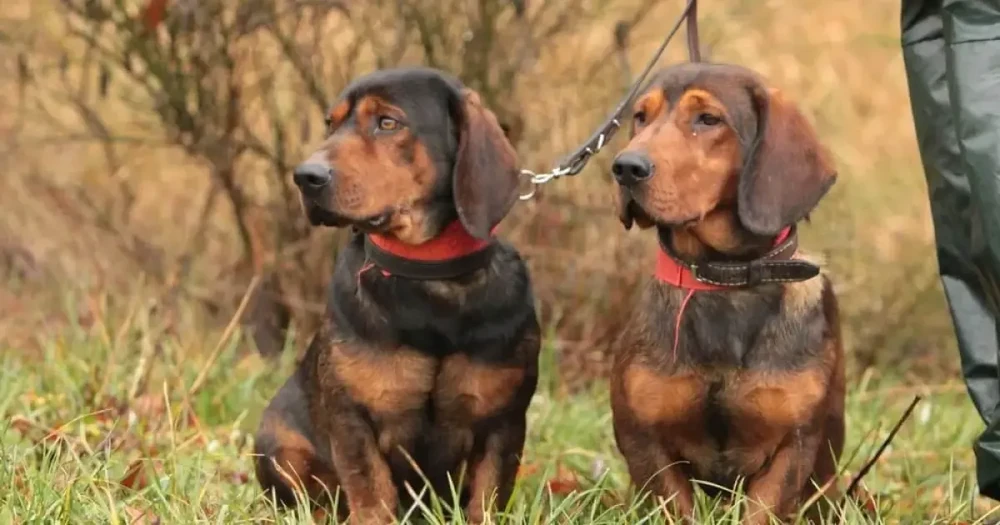
The Alpine Dachsbracke (Alpenländische Dachsbracke) is an Austrian scent hound developed for practical hunting work in mountainous terrain. The breed is best known for tracking wounded game, including deer, and for being able to hold a trail even when conditions are difficult or the scent is older.1, 2
In day-to-day terms, that history matters because it explains the dog you are living with. This is a breed that tends to “think with its nose” first. The drive to follow a scent line can be stronger than the drive to come back when called, particularly in new places or wildlife-rich areas.
Many summaries mention a royal association with Crown Prince Rudolf of Habsburg, but the strength of that claim varies by source and is not as clearly documented as the breed standard itself. It is safer to treat it as background colour rather than a defining fact.1
What they look like in real life
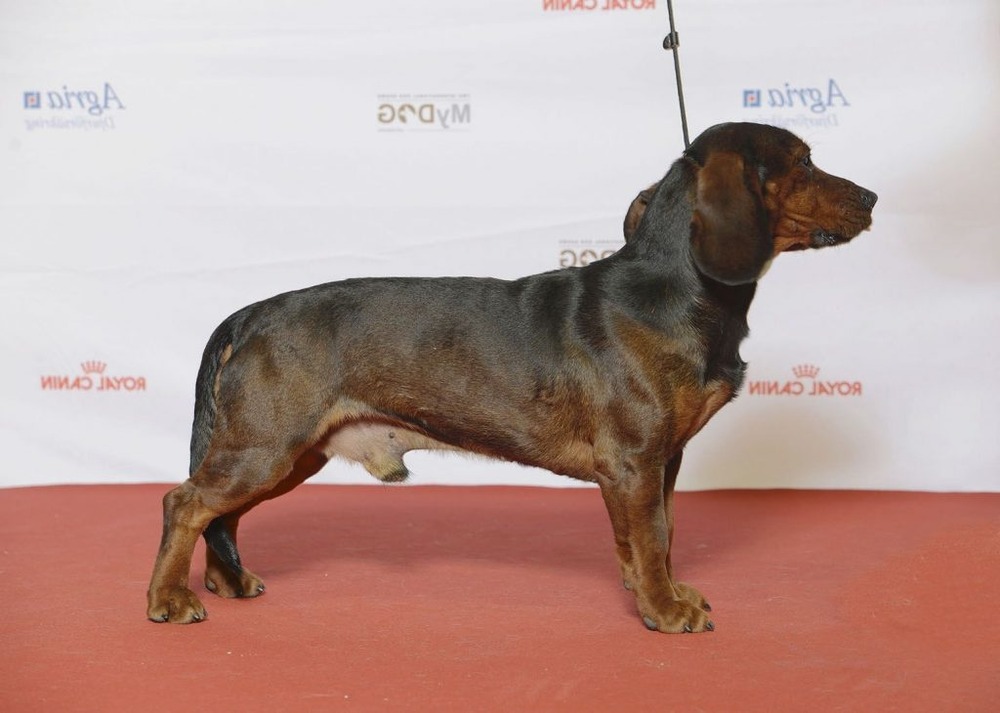
An Alpine Dachsbracke is low to the ground, robust, and built to keep moving. The FCI standard gives a height range of 34 to 42 cm, with ideal heights slightly narrower, and describes a thick topcoat with a dense undercoat that sits close to the body.2
Colour is usually dark deer red, sometimes with interspersed black hairs, or black with clearly defined red-brown markings on the head, chest, legs, feet, and underside of the tail. A small white marking on the chest is permitted in the standard, which can be a helpful detail if you are comparing the breed to similar hounds.2, 4
Those floppy ears look soft and practical for pushing through scrub. They also mean owners should get comfortable with routine ear checks, particularly if the dog swims, bathes often, or tends to collect debris outdoors.5, 6
Temperament, behaviour, and household fit
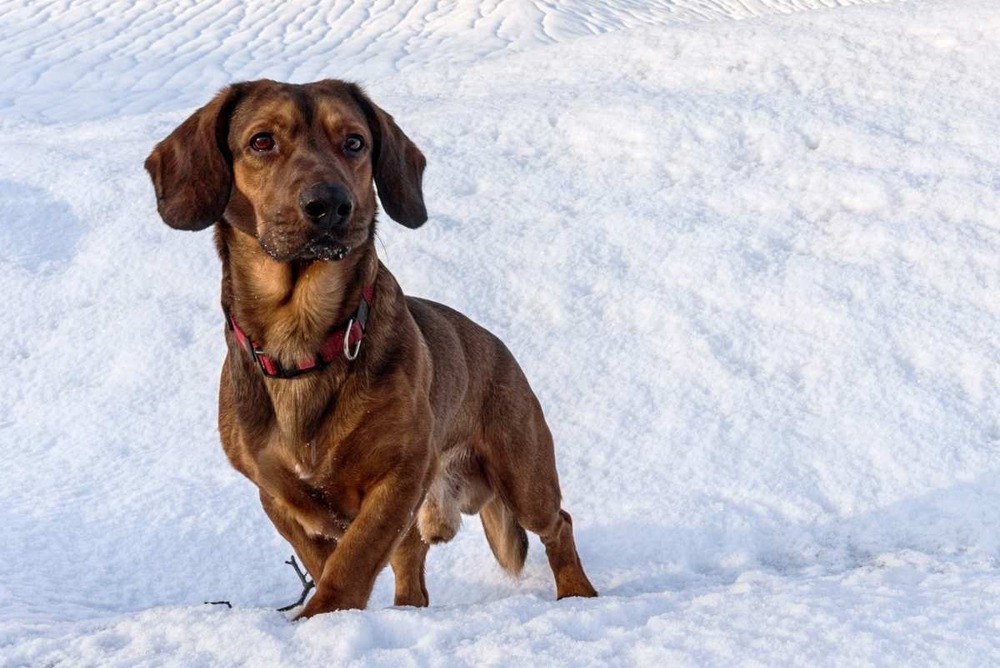
Most people experience the Alpine Dachsbracke as steady and engaged, with a strong interest in the environment. They are often described as loyal and capable workers, which usually translates to a dog that likes being included, and that settles better when it has had a proper outlet for sniffing and moving.1, 3
With children and other pets, the usual rules apply. Early socialisation, supervision, and teaching kids how to interact respectfully matter more than a single label like “good with children”. The breed’s hunting background can also mean a strong chase response with wildlife and small running animals, so thoughtful management outdoors is part of responsible ownership.
Vocalisation varies, but as scent hounds go, they can be expressive. If you live close to neighbours, it helps to plan ahead for enrichment, calm training, and not leaving the dog to self-entertain in the yard for long stretches.
Training and exercise that suits a scent hound
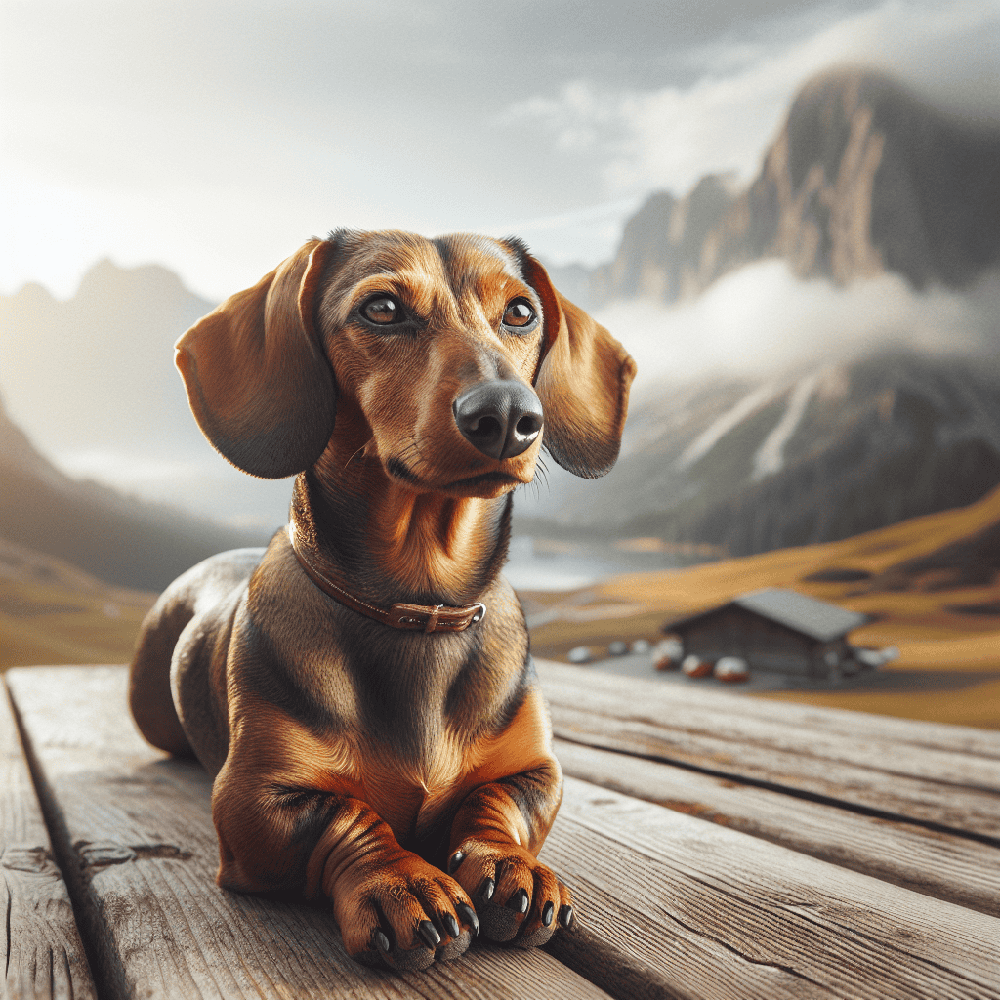
Training tends to go best when it respects what the breed finds reinforcing. Food, play, and access to sniffing can all be used in a structured way, but the real key is consistency and realistic expectations. A hound that is following scent is not being “naughty”, it is doing exactly what it was selected to do.
Useful focus areas include:
- Recall foundations (start on a long line and build value for returning)
- Loose-lead walking, especially around scent-heavy edges and verges
- Calm settling skills at home, so exercise does not become the only off-switch
- Scent games, tracking-style “find it”, and structured sniff walks as everyday enrichment
The breed standard also emphasises efficient, ground-covering movement. In practice, this is a dog that benefits from regular, moderate-to-long outings rather than quick laps around the block.2
Health considerations and lifespan
Most breed profiles place the Alpine Dachsbracke’s life expectancy somewhere around the low teens, often reported as roughly 10 to 14 years. Individual lifespan varies with genetics, weight management, dental care, and the basics of preventative veterinary care.3
Two practical health themes are worth keeping in mind:
- Ear health: Dogs with floppy ears can be more prone to ear infections, particularly when moisture and inflammation are involved. Regular checks and prompt vet advice if you see redness, smell, discharge, or head shaking make a real difference.5, 6
- Joint and mobility: Hip dysplasia is commonly mentioned across many medium working breeds, and it is one reason breeders may screen hips and why owners should keep dogs lean and well-muscled. If you are buying a puppy, ask what health testing is done and how results are shared.7, 8
If something feels “slightly off” over weeks, stiffness after rest, reluctance to jump, changes in gait, or repeated ear irritation, it is worth booking a proper assessment rather than guessing. Early support is often simpler and kinder than late-stage management.
Grooming and maintenance
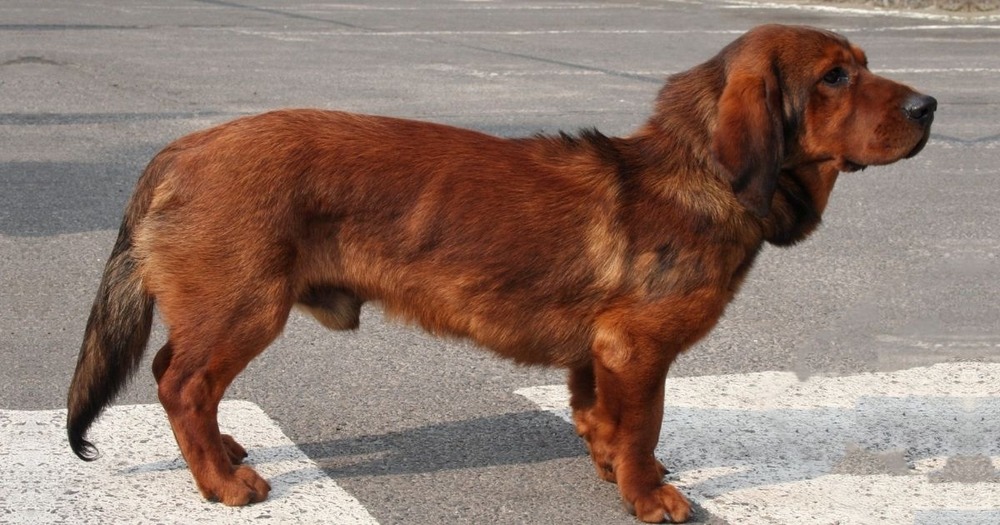
The coat is one of the easier parts of living with the breed. The FCI describes a close-fitting double coat, which usually means it copes well with weather and scrub, but it also means there will be seasonal shedding.2
A simple routine is often enough:
- Brush weekly, and more often during heavier sheds
- Check ears regularly and keep them dry after bathing or swimming5
- Trim nails as needed, working dogs still need foot care
- Keep an eye on skin and coat condition, which can reflect diet, parasites, or allergies
Bathing is generally occasional. A dog that spends time outdoors may need a rinse, but frequent shampooing can dry the skin and is rarely necessary unless advised by your vet or groomer.
Feeding and keeping weight in check
Alpine Dachsbrackes are built to work, which makes them look deceptively “solid” even when they are carrying extra weight. For a low-set dog, that extra load can matter. Keeping the dog lean supports joints and stamina, and it tends to make training easier because food rewards stay meaningful.
General feeding principles are straightforward: choose a complete and balanced diet appropriate to age and activity, measure portions, and adjust based on body condition rather than the label on the bag. If you want a practical framework for what “healthy size” looks like, body condition scoring charts are a useful common language between owners and vets.9
Be careful with high-calorie extras. Treats, chews, and table scraps add up quickly, especially if the dog is also getting plenty of training rewards.
Final thoughts
The Alpine Dachsbracke suits people who enjoy a dog that is present, practical, and a little single-minded outdoors. In the home, many settle into a steady companion, but they are rarely happiest as purely ornamental pets.
If you can provide daily scent-led exercise, patient training, and a life that includes the dog rather than parking it in the yard, this small Austrian hound can be a genuinely satisfying partner. If what you want is a dog that ignores wildlife, stays close off-lead by default, and is content with minimal stimulation, it may be worth looking at breeds with a different working history.
References
- Wikipedia: Alpine Dachsbracke
- Fédération Cynologique Internationale (FCI): Breed Standard No. 254, Alpine Dachsbracke (PDF)
- Wisdom Panel: Alpine Dachsbracke
- United Kennel Club (UKC): Alpine Drachsbracke Breed Standard
- The Animal Medical Center: Ear Infections in Pets, Causes and Treatments
- PetMD: Signs of Ear Infections in Dogs
- Australian Veterinary Association (AVA): Companion animals, dog breeding
- Orthopedic Foundation for Animals (OFA): Hip Dysplasia
- World Small Animal Veterinary Association (WSAVA): Dog Body Condition Score Chart (PDF)