

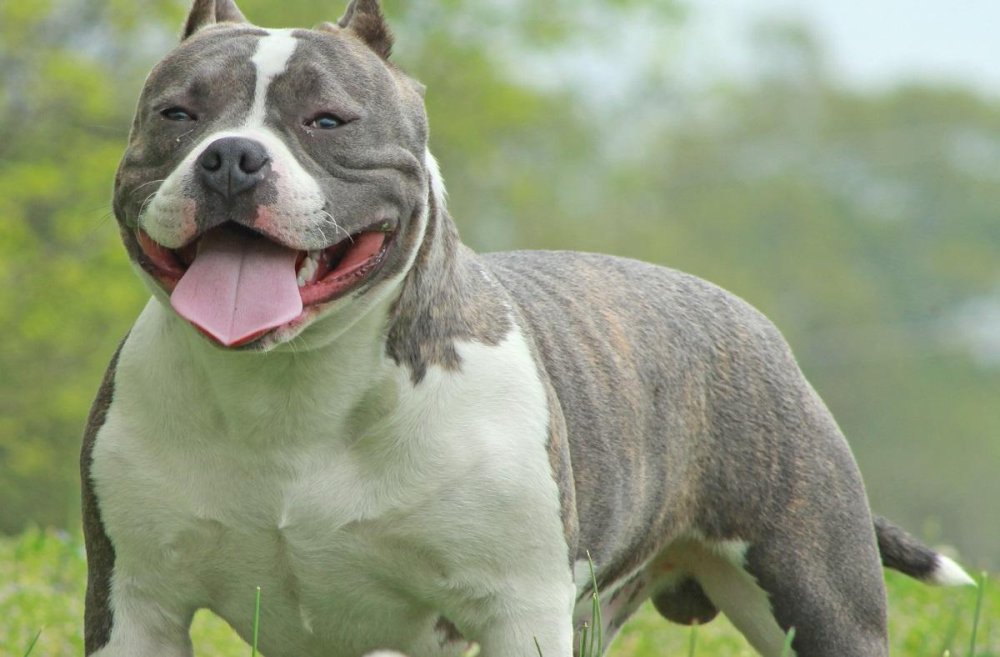
You might notice an American Bully on a walk and do a double take. The broad head, solid chest, and compact stance can look a lot like other “bully” types at a glance, and that is where most of the confusion starts. People often assume they can tell temperament from a silhouette, or that every stocky dog must be high maintenance, high drive, or “tough”. In real life, the picture is more mixed than that.
The American Bully was developed with companionship as the goal, but it sits in the middle of public debates about dog identification, appearance-based assumptions, and sometimes even legal definitions. If you are considering one, or you simply keep seeing them around your neighbourhood, it helps to understand what the breed standard actually describes, what good care looks like day to day, and where the common misunderstandings tend to live.
At its best, life with an American Bully is fairly ordinary: training, routine, enrichment, and thoughtful management around other dogs. The difference is that their strength and shape can magnify small gaps in handling, and that means a bit more care with foundations.
At a glance: the American Bully profile
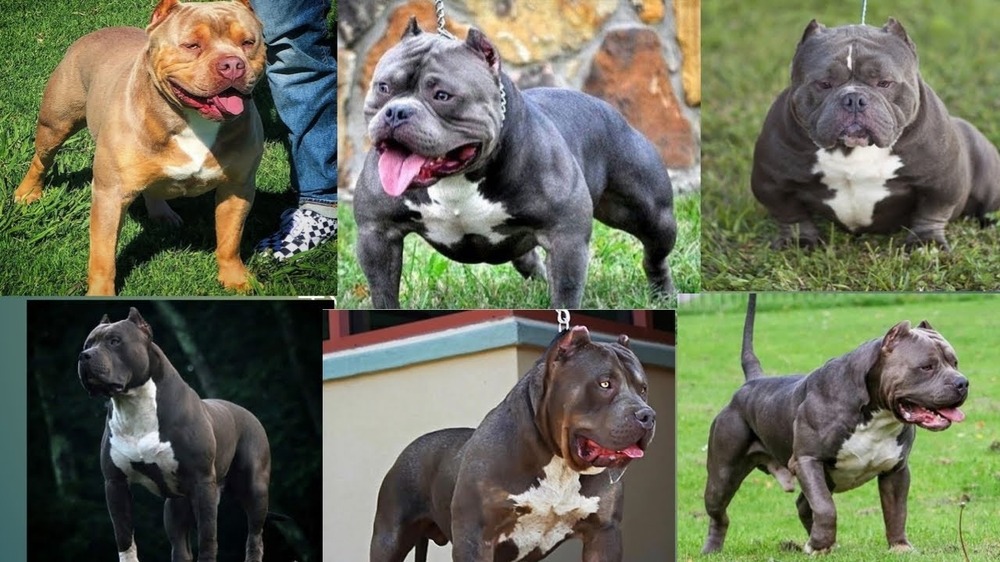
The American Bully is generally described as a companion breed with a short coat, substantial muscle, and an athletic, compact build. In the United Kennel Club (UKC) standard, the breed is grouped into size categories including Pocket, Standard or Classic, and XL, with height ranges specified at the withers rather than a fixed weight requirement.1
- Breed category: Companion dog1
- Coat: Short and smooth, low fuss grooming for most dogs
- Exercise needs: Usually moderate, but highly individual
- Temperament: Commonly people-focused, benefits from early training and socialisation1
One practical note: because “bully” can be used loosely in conversation, you will hear the name applied to a range of dogs that do not match the American Bully standard. That matters in everything from choosing a breeder to finding accurate health and training advice.
Development and role of the American Bully
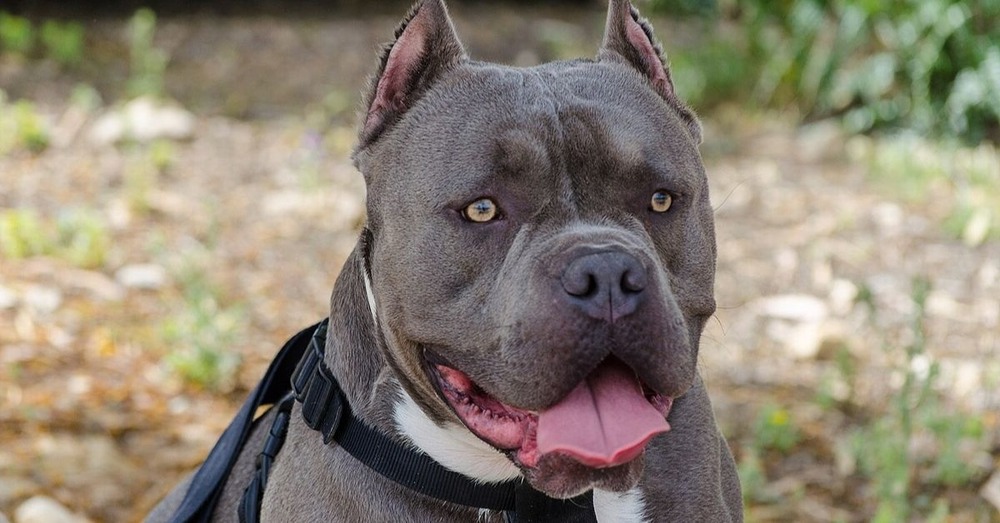
The American Bully is a relatively modern breed type, developed in the United States and formally recognised by the UKC in 2013.1 Breed histories are often simplified online, but most credible descriptions point to a foundation in American Pit Bull Terrier type dogs, blended with other bull breeds over time, with the aim of producing a stable companion temperament in a powerful, compact body.1
In practice, “companion” does not mean effortless. It means the dog was selected to live closely with people, and to cope well with ordinary household life when raised thoughtfully. Like many strong breeds, they can be socially confident, sometimes overconfident, and they do best when the humans around them are quietly consistent.
Recognition and breed standards
The UKC standard puts heavy emphasis on balance and soundness, with a clear warning against exaggerations that interfere with movement or physical activity.1 That is worth keeping in mind when you see extremely overdone examples online. A healthy, functional American Bully should be able to move freely, breathe comfortably, and enjoy normal exercise.
Temperament, behaviour, and family suitability
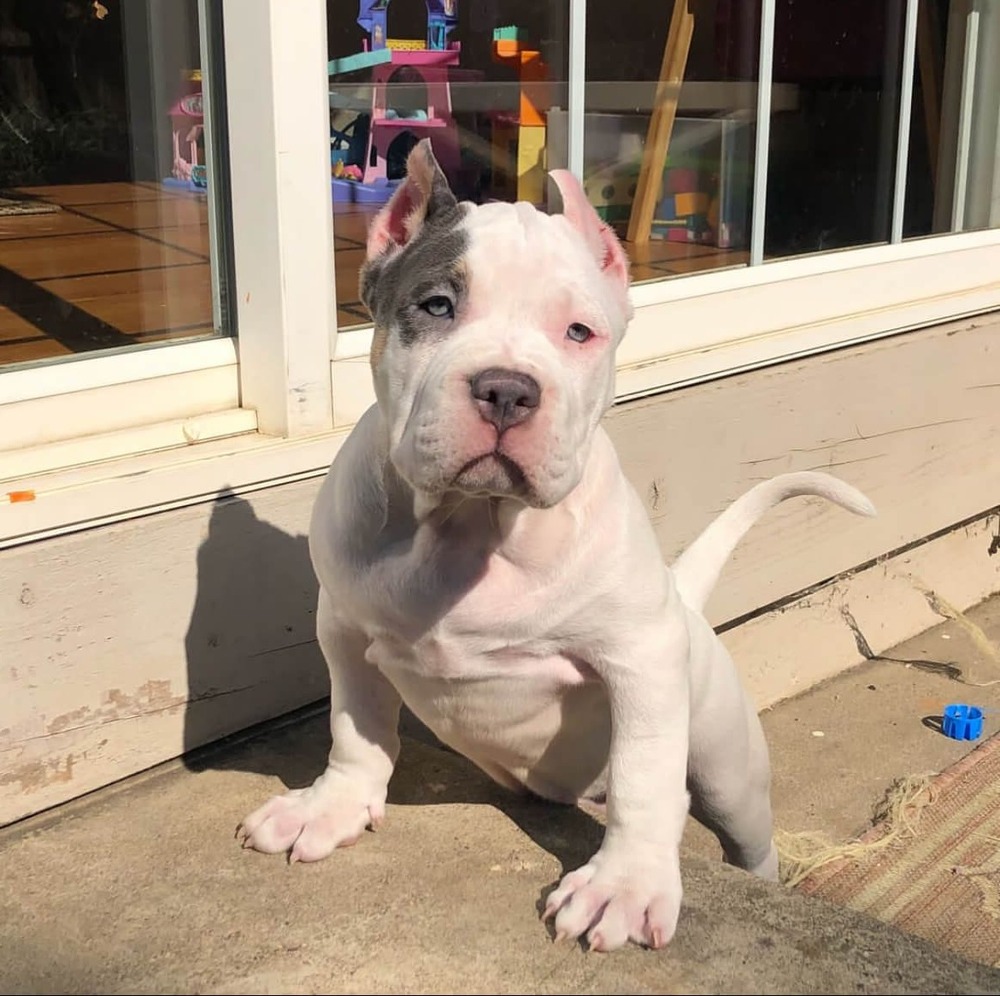
The UKC describes the American Bully as confident and loyal, first and foremost a companion dog.1 That often shows up as a dog that wants to be near the household, notices routines, and learns quickly when training is clear and rewarding.
Family suitability is less about a breed label and more about the match between dog temperament, management, and household rhythm. With children, supervision and teaching respectful interaction matters, even with very tolerant dogs. With other dogs, early social experiences help, but so does recognising that some individuals are selective, especially as they mature.
What helps this breed thrive at home
- Predictable routines for food, walks, and rest
- Reinforcement-based training that rewards calm choices
- Planned introductions to new people and environments, not accidental overwhelm
- Physical outlets that suit the dog’s body, plus mental enrichment
A gentle caution: because these dogs can be strong for their size, training is not optional. Polite leash skills and reliable recall foundations are everyday safety tools, not “extras”.
Training and exercise that fits the dog in front of you
American Bullies often respond well to reward-based training, short sessions, and clear repetition. The goal is not to “dominate” a powerful dog, it is to build habits that hold up under distraction. Focus on the basics that make life easier: loose lead walking, settling on a mat, impulse control around doors and food, and calm greetings.
Exercise is usually moderate, but it should be structured and joint-friendly. Many dogs enjoy brisk walks, tug with rules, scent games, and short training loops that keep the brain busy. Very intense repetitive jumping or hard impact work can be unhelpful for dogs with poor structure, and some bully types are prone to overheating in hot weather, so plan summer activity around cooler parts of the day.
Socialisation, done properly
Socialisation is not about saying hello to every dog. It is about learning the world is safe, and learning skills for staying composed. Calm exposure at a distance, paired with rewards, is often more valuable than chaotic off-lead play.
Health considerations and preventative care
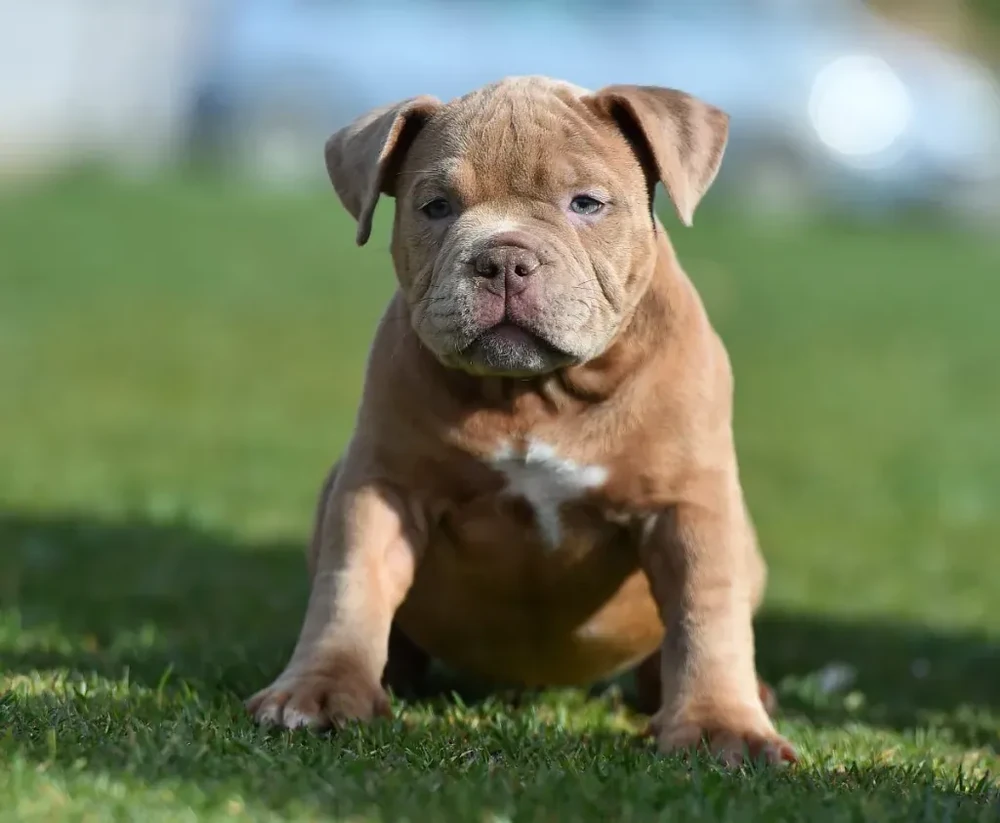
Like many medium to large, muscular breeds, American Bullies can be seen with orthopaedic issues (including hip dysplasia), skin conditions, and breed-linked heart disease in some lines. A key part of responsible ownership is choosing breeders who health test, and then keeping your own dog lean, fit, and well monitored. Orthopaedic Foundation for Animals (OFA) screening information is widely used as a reference point for heritable conditions, and it is a helpful starting place when you are learning what “tested” actually means.2
Regular veterinary checks matter, but so does what happens between appointments: weight management, nail care, dental hygiene, parasite prevention, and noticing small changes early. The UKC standard’s emphasis on soundness is a useful reminder here, because exaggeration in build can come with real welfare costs.1
Everyday preventative habits
- Keep them lean, extra weight compounds joint stress
- Build fitness gradually, avoid sudden “weekend warrior” bursts
- Check ears, skin folds (if present), and paws regularly
- Ask your vet about heart screening if there is family history
Coat care, grooming, and the ear cropping question
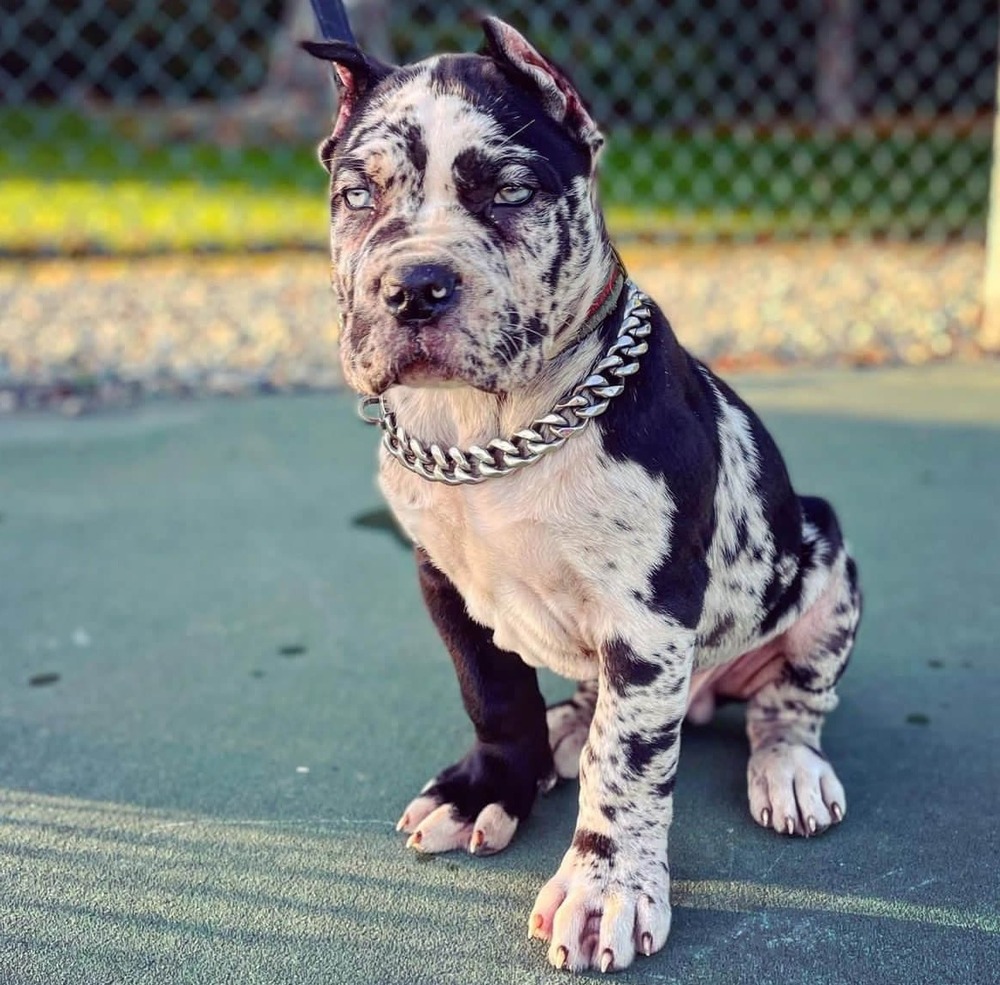
Most American Bullies have a short coat that is straightforward to maintain. A weekly brush usually keeps shedding manageable and helps you spot skin irritation early. Because some lines are prone to allergy-related skin issues, grooming is also a chance to notice redness, itch, or recurrent ear trouble before it becomes a bigger problem.
You will also see American Bullies with cropped ears. In Australia, ear cropping is illegal unless there is a genuine therapeutic reason, and only veterinarians may perform it in line with local law. The RSPCA states it is illegal across all Australian states and territories.3 In Victoria, state guidance lists ear cropping as a prohibited procedure except for therapeutic reasons by a registered vet.4 If you are seeing cropped ears locally, it can reflect importation history, past illegal procedures, or medical intervention, but it should prompt questions rather than assumptions.
Legal and identification issues: why “looks like” can get complicated
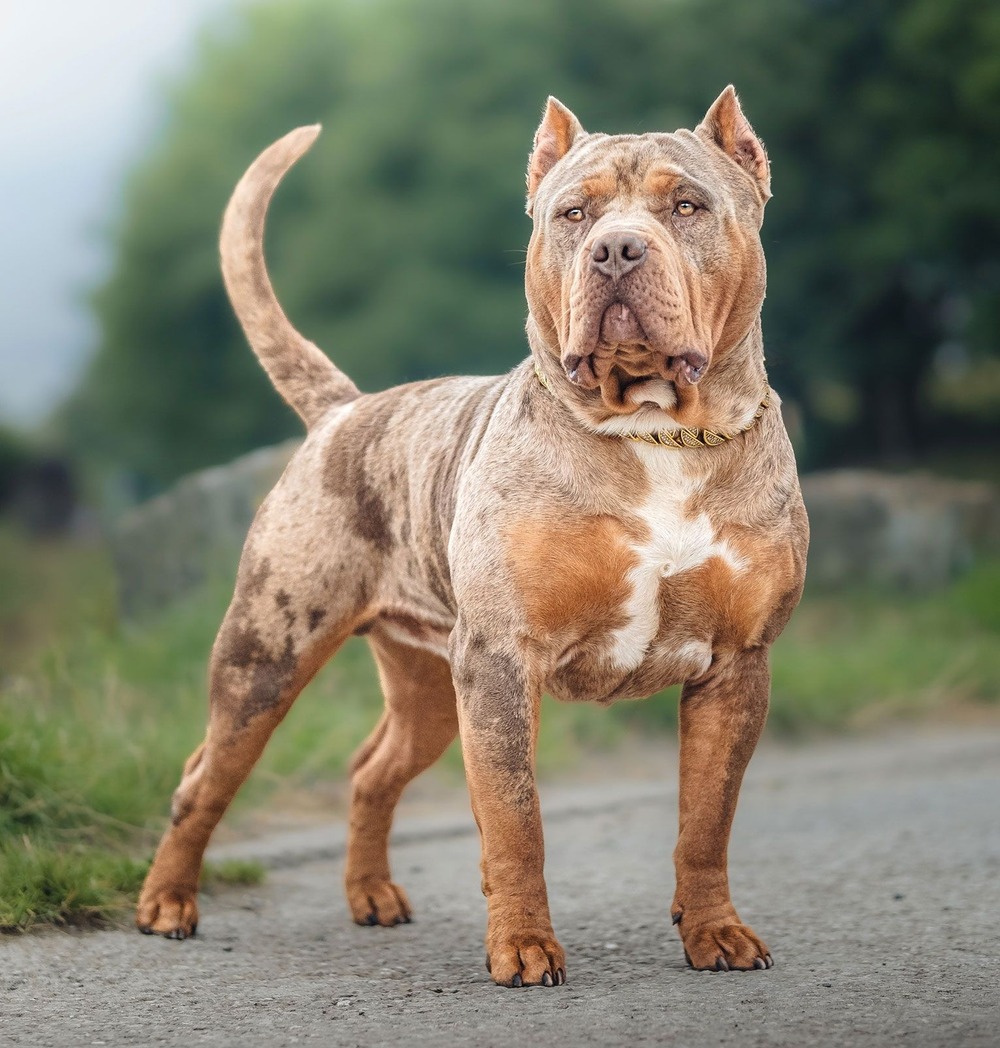
In parts of Australia, “restricted breed” rules are tied to physical characteristics and identification processes, not just what a dog is called. In New South Wales, the Office of Local Government lists restricted dogs and explains that councils may declare a dog restricted under the Companion Animals Act processes, including where a dog appears to match a restricted breed type.5
This is one reason American Bully owners sometimes find themselves navigating uncomfortable conversations in public. A dog can be friendly and well trained, while still being mistaken for another type. If you live in an area with breed restrictions, it is worth checking your state and council rules, keeping your paperwork in order, and focusing on visible good management: secure containment, calm leash behaviour, and thoughtful handling around other dogs.
It is also worth knowing that many animal welfare and veterinary groups argue breed-specific laws do not address the complexity of dog bites, and that behaviour and owner practices are more useful targets for prevention. South Australia’s Dog and Cat Management Board, for example, states it does not support breed specific legislation as a strategy to reduce dog-related incidents.6
Final thoughts
The American Bully can be a steady, affectionate companion, but it is not a “set and forget” breed. Their strength, confidence, and public profile make early training and sensible management part of the package, not something you add later if problems appear.
If you are drawn to the breed, look past the hype and the extremes. Seek out dogs that move well, breathe easily, and show calm social behaviour. Ask direct questions about health testing and temperament, and choose the sort of day-to-day routine that keeps a powerful companion feeling settled and safe.
References
- United Kennel Club (UKC), American Bully breed standard
- Orthopedic Foundation for Animals (OFA), health testing and database
- RSPCA Australia Knowledgebase, Is ear cropping of dogs legal in Australia?
- Agriculture Victoria, Prohibited procedures on dogs
- NSW Office of Local Government, Restricted dogs
- Dog and Cat Management Board (South Australia), Position statements on breed specific legislation
- American Animal Hospital Association (AAHA), Ear cropping and tail docking position
- ASPCA, Position statement on elective (cosmetic) surgery
- NSW Pet Registry (Office of Local Government), Restricted dogs overview