


People often notice an American Cocker Spaniel for the same reasons they are so hard to ignore in daily life: the long, feathered ears, the soft coat that seems to catch every burr, and that watchful expression that can make strangers stop for a chat.
Then reality sets in. A dog that looks like a little show dog still needs ordinary dog things, steady training, enough sniffy exercise, and health care that fits their body. With Cockers, the practical details matter because their coat and ears are part of what makes them wonderful and part of what can make them tricky.
If you are thinking about living with one, or you already are, it helps to understand the breed’s background and what it tends to mean day to day. Not every Cocker is the same, but the patterns are familiar to vets, groomers, and owners who know them well.
- Breed category: Sporting (gundog type)
- Origin: United States
- Typical height: about 34 to 39 cm at the withers (dogs often taller than bitches, depending on lines)
- Typical weight: commonly around 10 to 14 kg (varies with build and condition)
- Life expectancy: often 12 to 15 years
- Coat: silky, medium length with feathering, high maintenance
- Exercise needs: moderate, daily walks plus play and sniff time
- Common health themes: ears and eyes can need extra attention
History and origin

The American Cocker Spaniel developed from Cocker Spaniels brought to the United States, with breeding choices gradually favouring a smaller sporting dog with a more rounded head and a fuller coat. Over time, the type became distinct from the English Cocker Spaniel, even though they share earlier roots.
A useful date to know is 1946, when the English Cocker Spaniel was recognised as a separate breed in the United States, which effectively clarified the American type as its own breed in that kennel club system.1
What does any of this matter in real life? Because the breed’s working background still shows up in small ways. Many Cockers love scent trails, busy parks, and anything that looks like a game of fetch, even if they are now much more commonly kept as companion dogs.
What an American Cocker Spaniel looks like
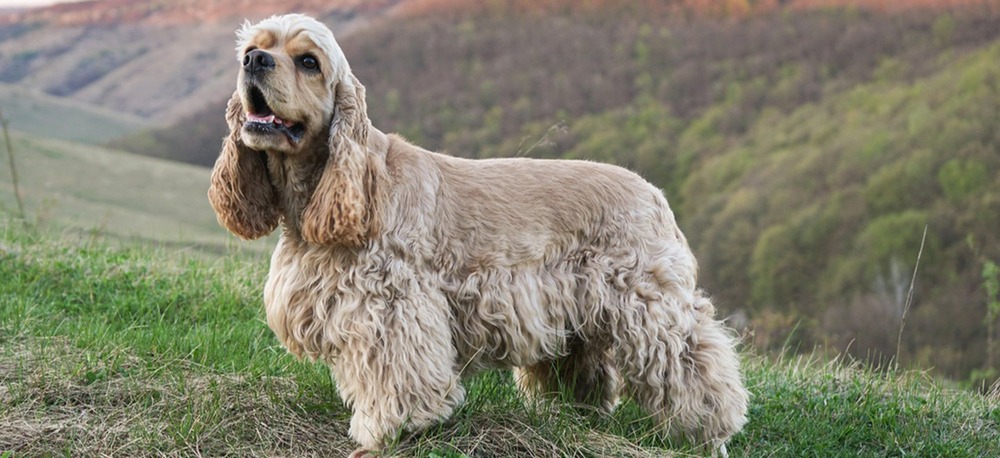
American Cockers are compact dogs, with plenty of feathering on the chest, legs, and ears. Their size is one reason they suit smaller homes, but their coat and daily needs stop them being a “low effort” breed.
Breed standards describe an ideal height around 15 inches (about 38 cm) for adult dogs and 14 inches (about 36 cm) for adult bitches, with specific disqualifications above certain heights in show contexts. In everyday life, you will still see some variation, especially between working and show lines.2, 3
The signature features are the long, lobular ears and the rounded, forward facing eyes. It is worth remembering that these physical traits are not just cosmetic. Coat and ear shape affect care, especially around matting, ear moisture, and debris after outings.
Temperament and behaviour in real households
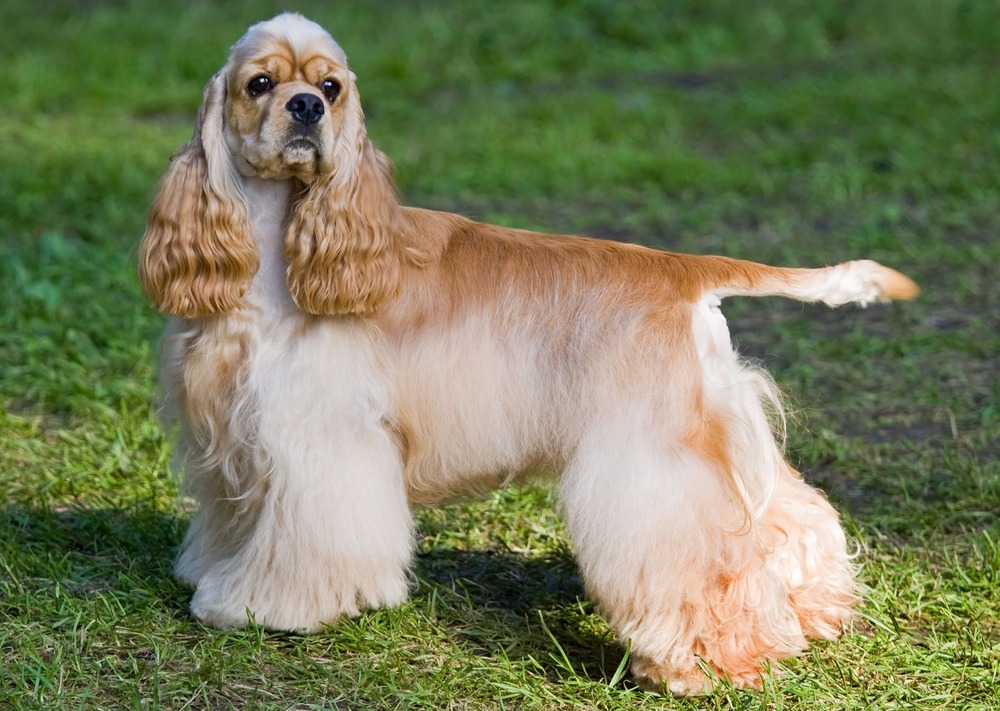
Most American Cocker Spaniels are people oriented dogs. They often do best when they are included in daily routines, given enough gentle structure, and not left to entertain themselves for long stretches.
They are commonly described as cheerful, responsive, and keen to engage. That said, a sensitive, highly social dog can also be easily overwhelmed if their world is chaotic, or if handling is rushed, particularly around grooming and ear care. Calm handling matters for building trust and cooperation.
With children and other pets, many Cockers do well when introductions are sensible and supervision is normal. It helps to avoid assuming the breed is automatically “good with everyone”. Individual temperament, socialisation, and respectful interactions make the biggest difference.
Training and exercise needs
Training usually goes smoothly when it is consistent, reward based, and kept short enough to stay enjoyable. Because many Cockers are responsive and food motivated, you can get a lot done with tiny treats, praise, and play.
Early socialisation is less about “meeting everyone”, and more about learning that ordinary life is safe: different surfaces, gentle grooming, brief separations, visitors, the car, the vet clinic, and other dogs at a comfortable distance. Build confidence gradually, rather than flooding them with too much too fast.
For exercise, think in terms of daily movement plus mental work. Many American Cockers are happy with a couple of walks and play sessions, as long as they also get time to sniff and explore. A bored Cocker often finds their own fun, which can look like barking, counter surfing, or chewing.
- Sniff walks with a loose lead, not constant heel work
- Retrieving games, if the dog enjoys them
- Simple scent games at home (find it, scattered feeding, snuffle mat)
Health and lifespan

Many American Cocker Spaniels live into their early to mid teens, and a lot of their wellbeing comes down to routine care: healthy weight, dental hygiene, parasite prevention, and addressing problems early rather than waiting.
The breed is well known for ear trouble, and the “why” is straightforward. Dogs with pendulous ears and hair around the ear canal are more prone to otitis externa because airflow is reduced and moisture and debris can be trapped, especially after swimming or frequent bathing.4
Eye issues are also part of the broader breed conversation. Regular veterinary checks are valuable, and it is sensible to ask breeders about eye testing and family history when choosing a puppy. Preventive care saves discomfort, and often cost, too.
Everyday prevention that actually helps
- Keep ears dry after baths and swims, and follow your vet’s guidance on cleaning products and frequency.
- Brush and comb to the skin several times a week if the coat is kept longer.
- Maintain a lean body condition, not just a target weight.
- Book routine veterinary visits, and do not ignore recurring head shaking, squinting, or rubbing at the face.
Grooming and maintenance

The coat is often what people fall in love with, and also what surprises them later. American Cockers can mat quickly, particularly behind the ears, in the armpits, and through the feathering on legs and belly.
If you like a longer coat, plan for brushing and combing several times a week, plus regular professional grooms. If you prefer a practical trim, you still need routine coat care because shorter is not the same as no grooming, especially around ears and paws.
It is also worth keeping grooming sessions low pressure. A few minutes daily, paired with calm rewards, often works better than occasional long sessions that become stressful for both dog and person.
Diet and nutrition
A balanced, complete diet that suits the dog’s life stage matters more than any single trendy ingredient. Many Cockers do well on a consistent food that keeps them lean, supports skin and coat, and does not encourage overeating.
Two practical points come up often with this breed. First, they can gain weight if treats creep up, and extra weight can make everything harder: heat tolerance, joints, stamina, even willingness to exercise. Second, because they are often motivated by food, training treats can accidentally become a large part of daily intake. Count treats as calories and adjust meals accordingly.
If your dog gets into human food, it is important to know a few common hazards. Grapes and raisins, onion and other alliums, and chocolate are all well recognised risks for dogs.5
Fun facts, with a reality check

The American Cocker Spaniel has been a popular show and media dog for generations. A Cocker Spaniel named Ch. Midkiff Seductive won Best in Show at the Westminster Kennel Club Dog Show in 1921, which is often mentioned in breed trivia, although it is more accurate to say it was the first time a Cocker Spaniel took that title at Westminster, not the first Best in Show winner overall.6, 7
In popular culture, many people think of “Lady” from Disney’s Lady and the Tramp, who is portrayed as a Cocker Spaniel. It is a sweet reference point, but it can accidentally set expectations that the breed is automatically easy. In real homes, the coat, ears, and training are what shape the day to day experience most.
Living well with an American Cocker Spaniel
An American Cocker Spaniel tends to thrive when life is steady: gentle training, regular exercise, and grooming that is treated as normal care rather than a battle. Their needs are not extreme, but they are consistent, especially around coat and ears.
If you are choosing the breed, it is worth selecting for temperament and health as carefully as you select for looks. If you already have one, the best approach is usually simple and unglamorous: routines, good handling, and early veterinary support when something seems “a bit off”. Small habits make a big difference with Cockers.
References
- American Spaniel Club, History of the Cocker Spaniel and the American Spaniel Club
- American Spaniel Club, Breed Standard
- The Kennel Club (UK), Spaniel (American Cocker) Breed Standard
- Merck Veterinary Manual, Otitis Externa in Animals
- ASPCA, People Foods to Avoid Feeding Your Pets
- The Westminster Kennel Club, Best American-Bred in Show Records
- Wikipedia, Midkiff Seductive
- RSPCA Australia, Keeping your pet safe during the heat
- RSPCA ACT, Hot weather advice for pets