

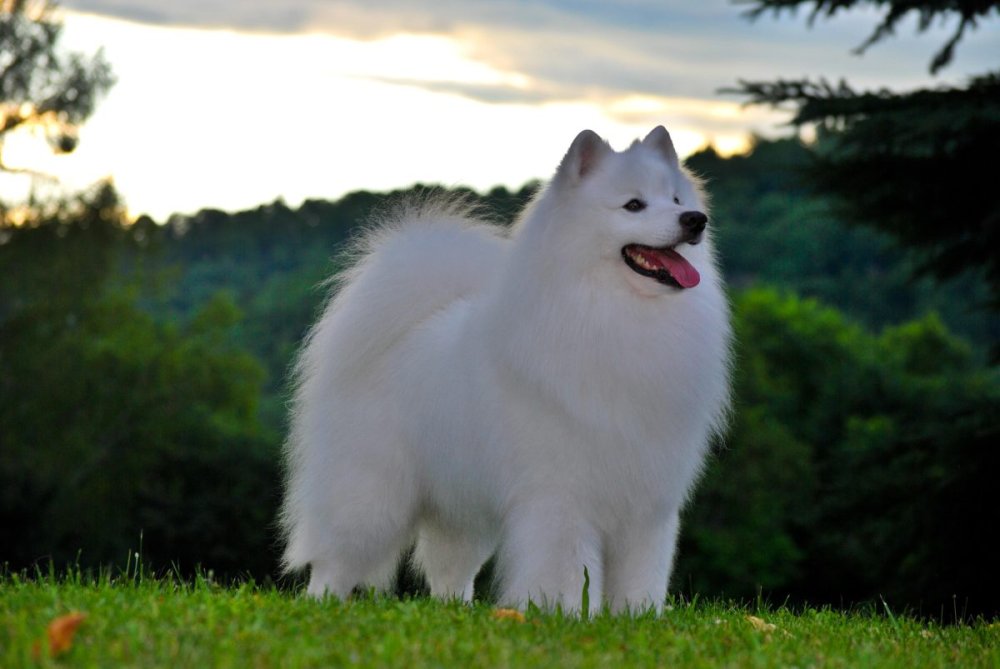
People often notice an American Eskimo Dog because of the coat first. The clean, bright fluff, the upright ears, the curled tail. Then you live with one, or spend time around one, and you realise the more practical story is about noise, movement, and attention. Eskies are often quick to comment on the world around them, and they tend to be happiest when they have something to do.
It is easy to assume they are just a small, pretty companion breed that will quietly fit in anywhere. In practice, their comfort depends on whether their needs are met, especially daily mental work, sensible exercise, and steady social exposure. When those pieces fall into place, they can be deeply enjoyable dogs to share a home with.
If you are considering the breed, or already have one and are trying to understand the barking, the shedding, or the endless interest in what you are doing, it helps to look at where they came from and what their bodies and brains are built for.
At a glance
- Breed type: Companion, spitz type
- Origin: United States (developed from German Spitz-type dogs)
- Sizes (AKC): Toy, Miniature, Standard
- Coat: Dense double coat, typically white or white with biscuit
- Typical lifespan: Around 12 to 15 years
- Common themes: Bright, alert, people-focused, often vocal
History and origin
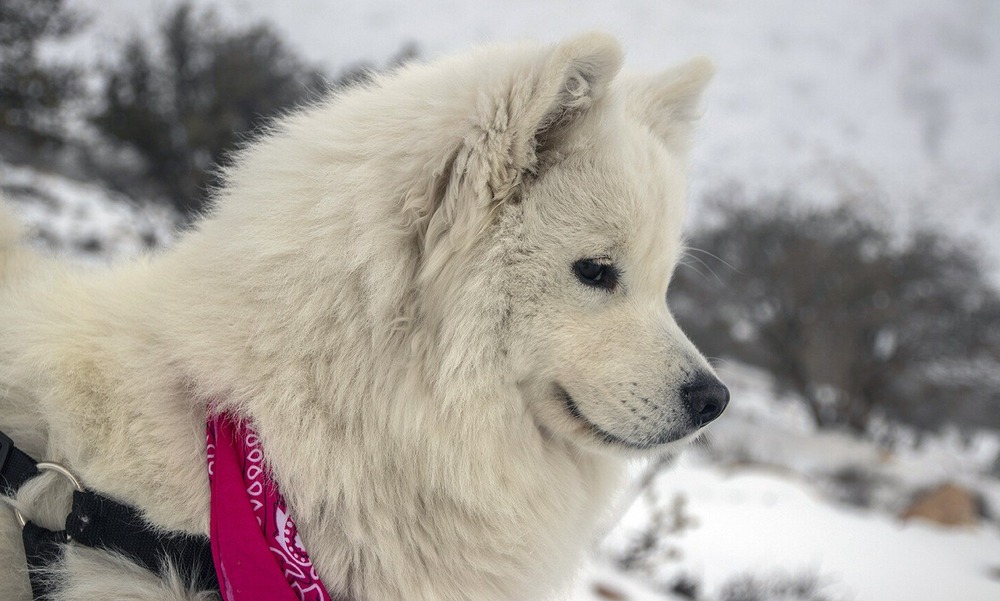
The American Eskimo Dog did not originate in the Arctic, and it is not connected to Inuit or Yupik cultures. The breed developed in the United States from German Spitz-type dogs brought by immigrants, and it became more distinctly “American” over time as breeding and registration took shape locally.1, 2
The name shift is often linked to anti-German sentiment around the World War I era. That explanation is widely repeated and likely part of the picture, but historical records are not always neat, and breed naming usually has multiple influences, including marketing and club decisions.2, 3
What is well supported is the breed’s long-running reputation as an entertainer and all-rounder: clever enough for tricks, agile enough for performance, and alert enough to act as a watchful presence around home and farm.1, 4
Physical characteristics and coat
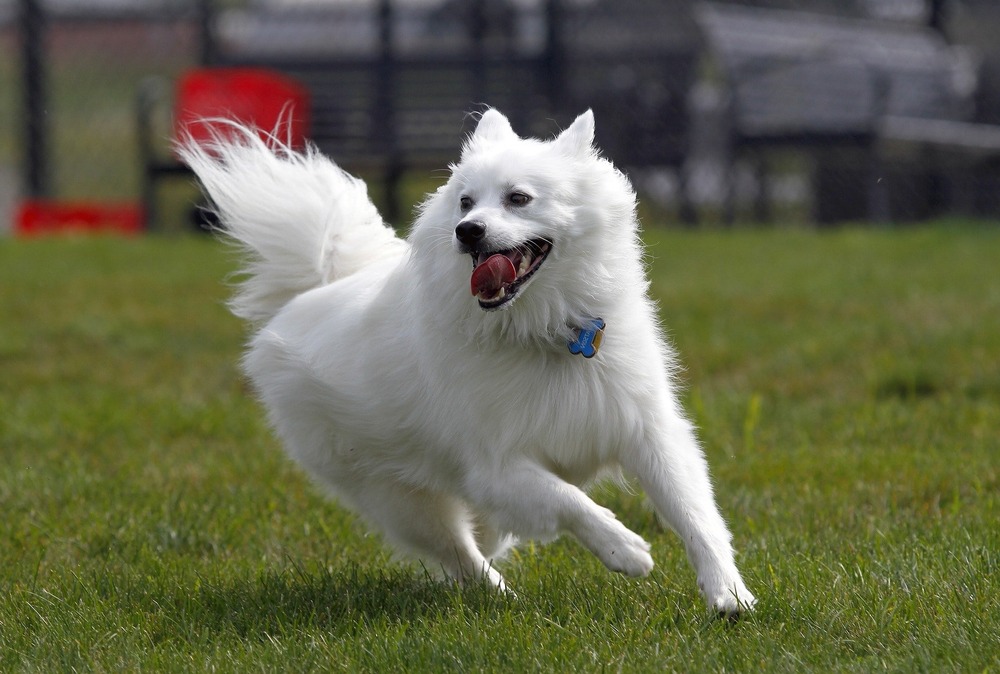
Eskies are small to medium dogs with a compact, balanced build. They are one of those breeds where the outline matters, the wedge-shaped head, erect ears, and that plumed tail curled over the back are part of the classic spitz look.1
They come in three recognised sizes in the American Kennel Club system: Toy, Miniature, and Standard. Height is measured at the withers, and the ranges overlap a little between sources because clubs and educational summaries may describe them slightly differently, but the overall picture is consistent: Toy is around 23 to 30 cm, Miniature around 30 to 38 cm, and Standard around 38 to 48 cm.1, 4
The coat is a dense double coat with a stand-off outer layer and a softer undercoat. Most are white, and white with biscuit is also commonly accepted in breed descriptions.1, 4
That coat can look cloudlike, but it is also a real, practical layer of insulation. It is not a reason to assume an Eskie will cope well in hot weather. Many do best with heat-aware routines, including exercise at cooler times and access to shade and water.5, 6
Temperament and everyday behaviour
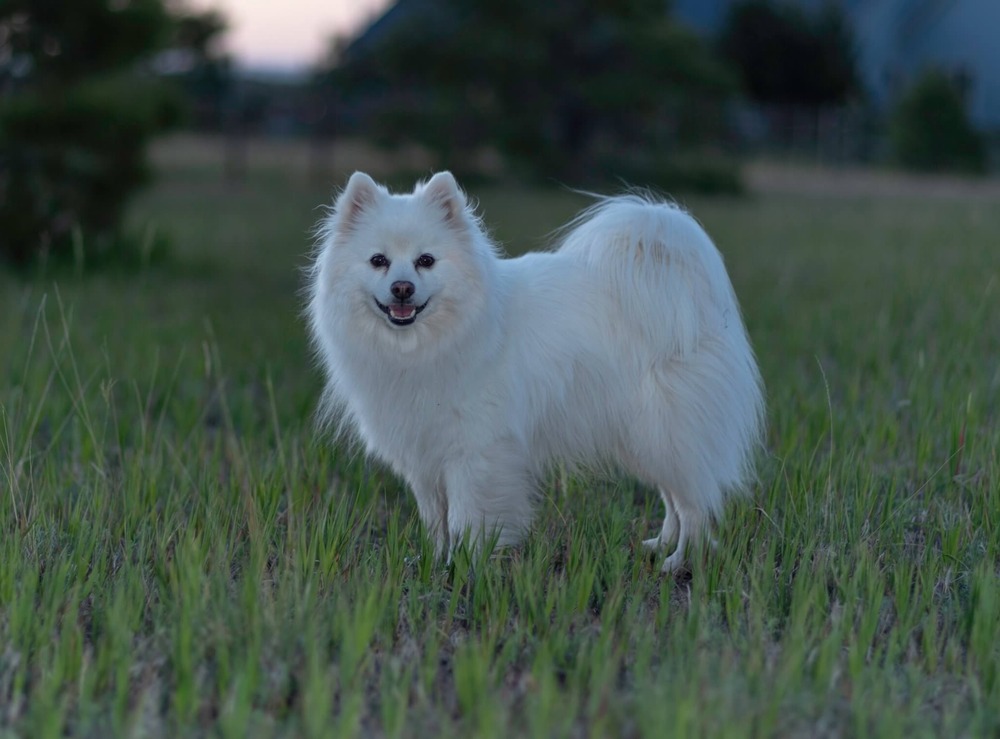
Eskies are usually described as bright, lively, and people-oriented. In a home setting, this often shows up as a dog who tracks patterns quickly: who leaves for a walk when, where the treats live, which noises mean visitors, and what gets them attention.4, 7
Many are naturally alert and can be vocal. It is not always “naughty barking”. Often it is a combination of watchfulness, excitement, and learned habit. The practical takeaway is that barking is easier to prevent than to undo, and it improves when the dog has predictable enrichment, calm exposure to everyday triggers, and clear training around what happens when someone knocks or walks past.5, 7
They can do well with children and other pets, but they are not a set-and-forget dog. Their speed and enthusiasm can overwhelm smaller animals or very young kids if interactions are not managed. Early, gentle socialisation and supervised practice matter more than the label “good with children”.4, 7
Training and exercise, what actually works
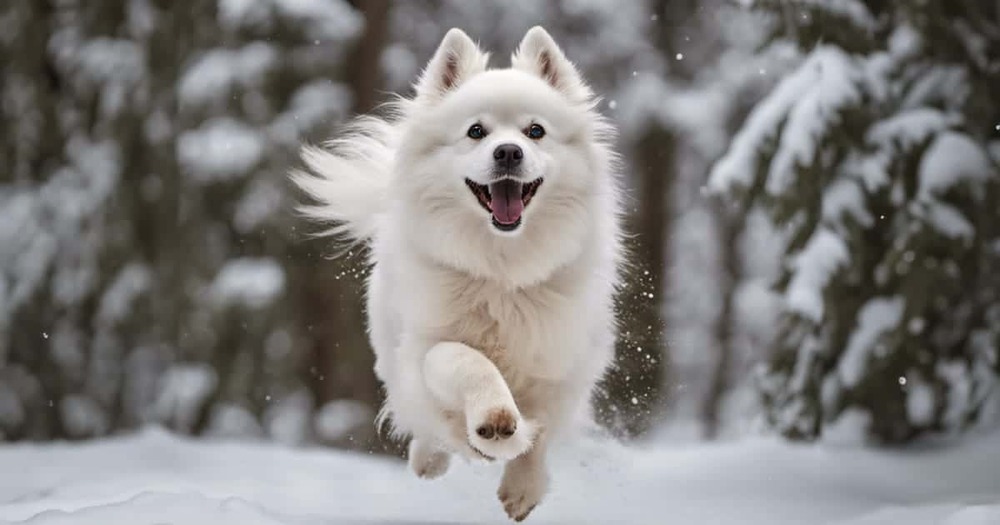
Eskies tend to learn quickly, which can feel like a gift, until they also learn the things you did not mean to teach. A consistent approach helps, especially around greetings, doorways, and noise.
Most do best with reward-based training that is frequent and short. Think small sessions woven into the day, rather than a single long drill. Because they are observant, they usually respond well to clear cues and calm repetition, particularly when the reward is something they value: food, play, or permission to go and sniff.7
Exercise needs are often described as moderate, but the more important point is that they need both physical movement and brain work. A walk alone may not touch the sides if the dog is under-stimulated.
- Physical: brisk walks, safe off-lead running where appropriate, fetch, hikes suited to size and fitness
- Mental: scent games, puzzle feeders, trick training, basic agility-style handling (even at home)
- Life skills: calm settles, mat training, “quiet” cues paired with a real alternative behaviour
For apartment living, they can cope well if you plan for sound management and daily enrichment. If you already know you cannot commit to that, the breed’s watchdog style alertness can become a stress point for everyone.5, 7
Health and lifespan
Many American Eskimo Dogs live into their teens, with a commonly cited lifespan in the 12 to 15 year range. Genetics, weight management, dental care, and early veterinary attention all make a difference to how those years feel for the dog.4, 8
Like many breeds, they can be prone to certain inherited issues. Hip dysplasia and eye disease are commonly mentioned, including progressive retinal atrophy in breed discussions and veterinary summaries. Not every Eskie will develop these problems, but it is part of why choosing a health-testing breeder matters, and why routine checks are worth taking seriously.8, 9
If you are buying a puppy, ask what screening has been done in the lines, and request documentation rather than reassurance. If you already own an adult, the practical approach is steady preventative care: keep them lean, keep them moving, and talk to your vet promptly if you notice stiffness, changes in vision, or a sudden shift in behaviour or sleep patterns.
Grooming and maintenance, living with the fluff
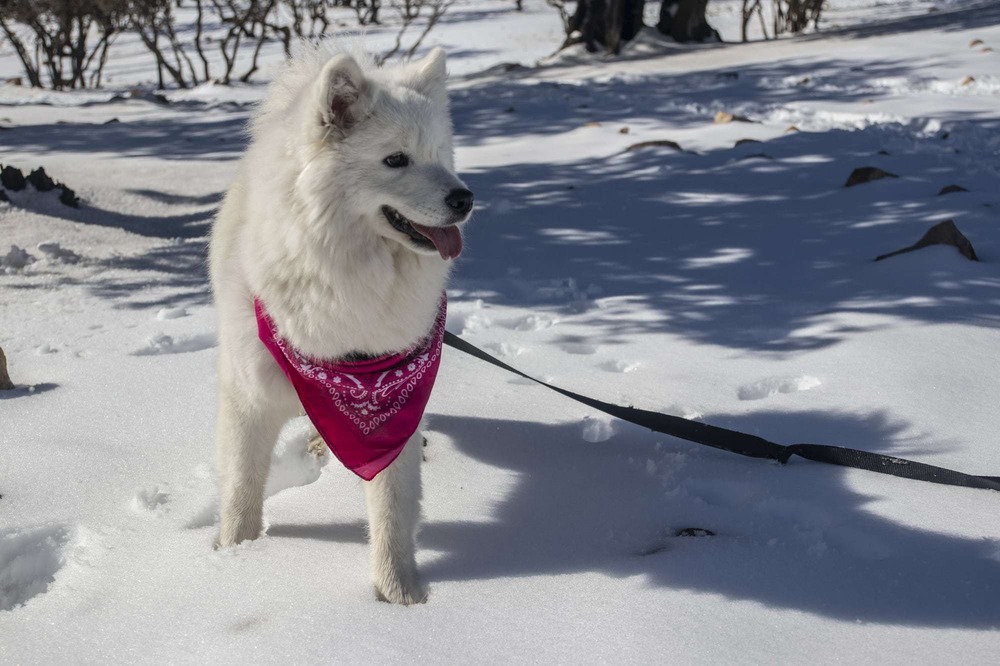
The coat is beautiful, but it is also work. Most owners find the real challenge is not the occasional bath, it is the steady rhythm of brushing to prevent mats and to manage shedding.
A few thorough brush-outs each week is a realistic baseline for many Eskies, with more during heavy seasonal shedding. Focus on friction zones: behind ears, under collars and harnesses, the “trousers” and the tail. Regular grooming also gives you a chance to spot skin irritation early.5, 6
It is tempting to think shaving will help in summer. For double-coated breeds, that can be counterproductive, because it may affect coat function and regrowth. A better plan is brush, de-shed, and manage heat with timing and environment rather than cutting the coat right down.5, 6
Diet and weight, the quiet health lever
Eskies can be enthusiastic eaters, and small to medium dogs often gain weight faster than people expect. A healthy body condition helps joints, stamina, and even heat tolerance.
A good quality, complete diet suited to life stage is usually enough, but portion control matters. Treats are useful for training, but they add up quickly, especially in a breed that benefits from lots of reinforcement. If you are unsure, ask your vet to show you how to assess body condition and adjust food accordingly.10
Fresh water, measured meals, and a habit of using part of the daily ration for training or puzzle feeders can make feeding feel like enrichment rather than just a bowl appearing twice a day.
Final thoughts
The American Eskimo Dog often suits people who enjoy an engaged companion, one who notices things, learns quickly, and wants to be involved. The same traits that make them fun to train can also make them challenging if their world is too small or too quiet.
If you meet their needs for grooming, enrichment, and thoughtful socialisation, you usually get a dog who is bright, responsive, and deeply companionable. Not perfect, but very alive to life with you, which is what many people are looking for in the first place.
References
- American Kennel Club (AKC): American Eskimo Dog
- Wikipedia: American Eskimo Dog
- United Kennel Club (UKC): American Eskimo Dog
- Hill’s Pet Nutrition: American Eskimo Dog
- The Spruce Pets: American Eskimo Dog breed characteristics and care
- RSPCA: Heatstroke in dogs
- Chewy: American Eskimo Dog breed guide
- VCA Animal Hospitals: American Eskimo Dog
- Orthopedic Foundation for Animals (OFA): CHIC programme, American Eskimo Dog
- WSAVA: Global Nutrition Guidelines