

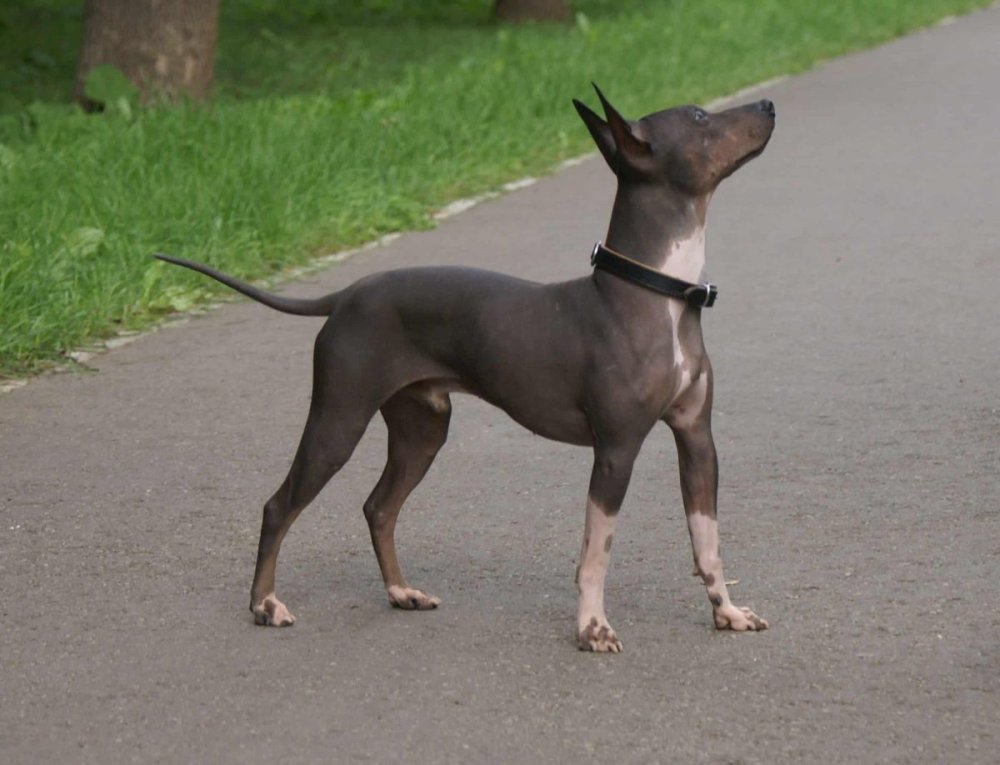
You might notice them first in an unexpected place, a neighbour’s dog at the park, a photo online, or a pup in a jumper on a mild day. The American Hairless Terrier tends to prompt a double take: smooth skin, bright eyes, and the quick, busy movement you expect from a terrier, just without the coat.
It is easy to assume that a hairless dog is automatically low-effort, or automatically “hypoallergenic”. In practice, the American Hairless Terrier can be wonderfully straightforward in some ways (minimal shedding, no coat to clip), while asking for a different kind of routine, especially around skin care, sun protection, and cold weather comfort.
If you are considering the breed, or you are already living with one and trying to interpret what you are seeing, it helps to understand where they came from, what they were built to do, and why their hairlessness changes some day-to-day decisions without changing the essentials of good dog care.
At a glance: what the breed is like day to day
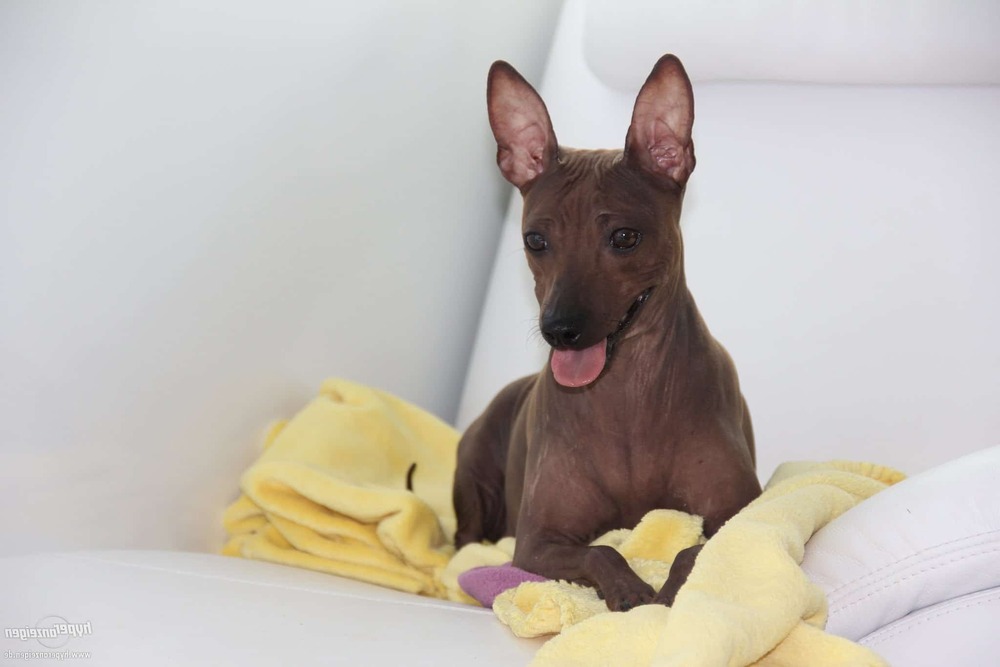
The American Hairless Terrier (often shortened to AHT) is a small to medium terrier developed in the United States from Rat Terrier lines.2, 3 They tend to be lively, people-oriented dogs who enjoy activity, learning, and being involved in the household rhythm.
- Size: commonly around 25 to 46 cm at the shoulder (10 to 18 inches).3
- Coat: a hairless variety and a coated variety exist. Hairless pups are typically born with a light “down” that fades over the first weeks.3, 4
- Life expectancy: often quoted around the mid-teens, although individuals vary and good preventative care matters.8
One practical note: minimal shedding is not the same as non-allergenic. Many people with allergies do better with some individual dogs, but allergies are complex and usually relate to dander and saliva rather than coat length alone.8
Where the American Hairless Terrier came from
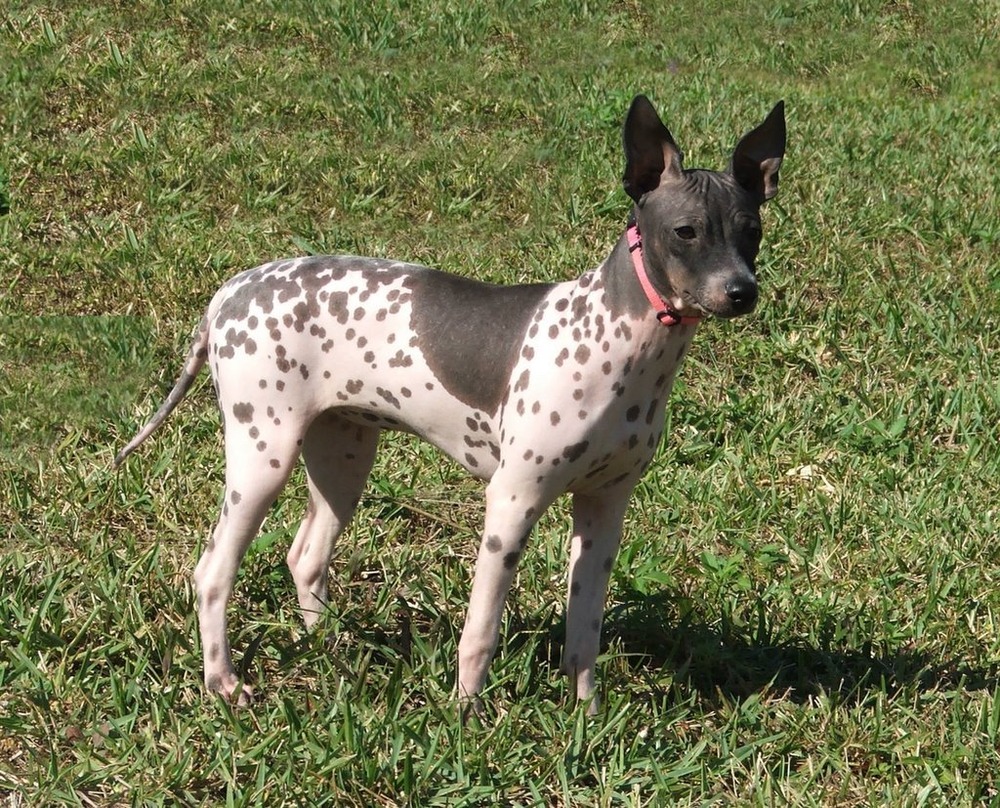
The modern breed story begins in Louisiana in 1972, when a completely hairless pup was born in a litter of Rat Terriers. The pup, Josephine, was later bred, and her descendants became the foundation for the American Hairless Terrier line.2
Recognition came in stages. The United Kennel Club recognised the American Hairless Terrier as a separate breed on 1 January 2004.3 The American Kennel Club later granted full recognition, with the breed eligible to compete in the Terrier Group from 1 January 2016.1
It is also worth knowing that “hairless” does not always mean “no coat genes in the population”. Breed standards describe both hairless and coated varieties, and coated dogs can carry the hairless gene.1, 3
Temperament: bright, busy, and very people-aware
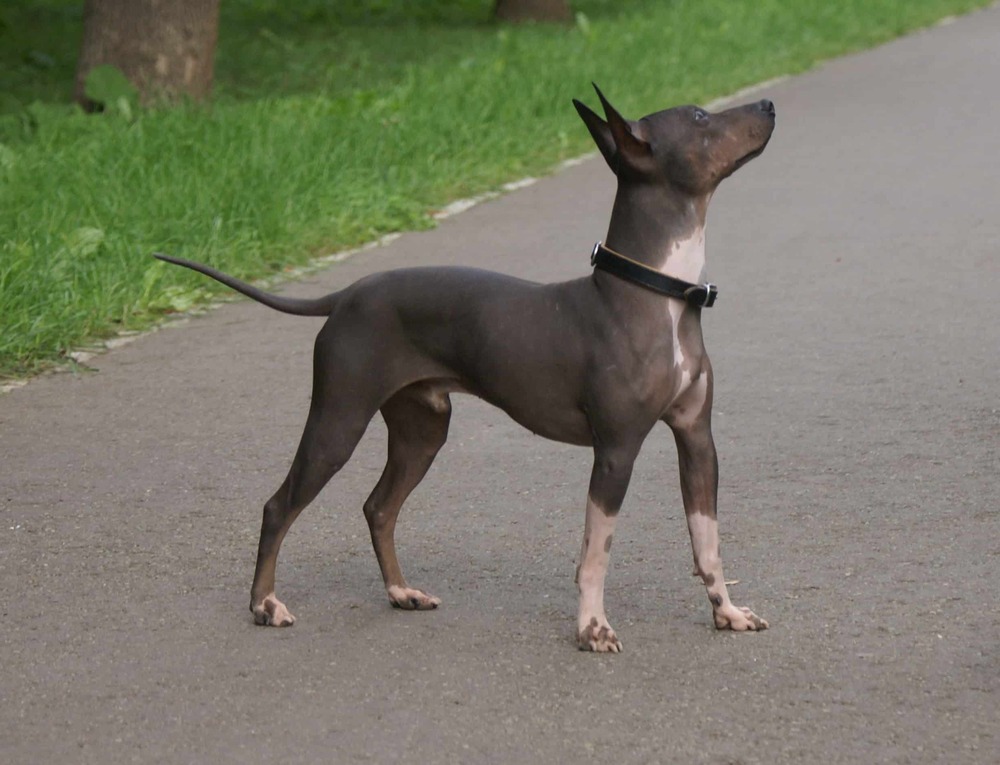
Most AHTs read as classic terriers in a smaller, more household-friendly package: alert, quick to notice change, and keen to investigate. Breed descriptions commonly highlight curiosity and trainability, which can make them enjoyable companions for people who like interacting with their dog rather than simply “owning” one.3
They often do well as family dogs when the household understands terrier traits. That usually means giving them structure, helping them settle, and teaching polite behaviour early. With children, supervision and coaching on both sides matter, especially because smaller dogs can be overwhelmed by rough handling even when they are tolerant.
If you have other pets, plan introductions carefully. Terriers were developed for hunting small prey, and some individuals retain strong chasing instincts. Early socialisation helps, but it does not erase genetics, so thoughtful management is part of responsible ownership.8
Training and exercise: what keeps them steady
AHTs tend to learn quickly, but “quick” can cut both ways. If a dog discovers that barking brings attention, or that racing the fence line is thrilling, those habits can set just as fast as the good ones. The aim is not to dominate a terrier, but to be consistent and rewarding, so the dog understands what works.
Reward-based training is a practical fit for this breed: short sessions, clear cues, and frequent reinforcement. For many AHTs, play can be as valuable as food rewards, particularly in recall training and “leave it” work.
Exercise needs are usually moderate, but they are not a lounge-room ornament. Most do best with a daily walk plus opportunities to sniff, explore safely, and use their brain. Puzzle feeders, scent games, and beginner agility-style setups in the backyard can make a noticeable difference to settling indoors.
Skin, sun, and cold: the care that is different
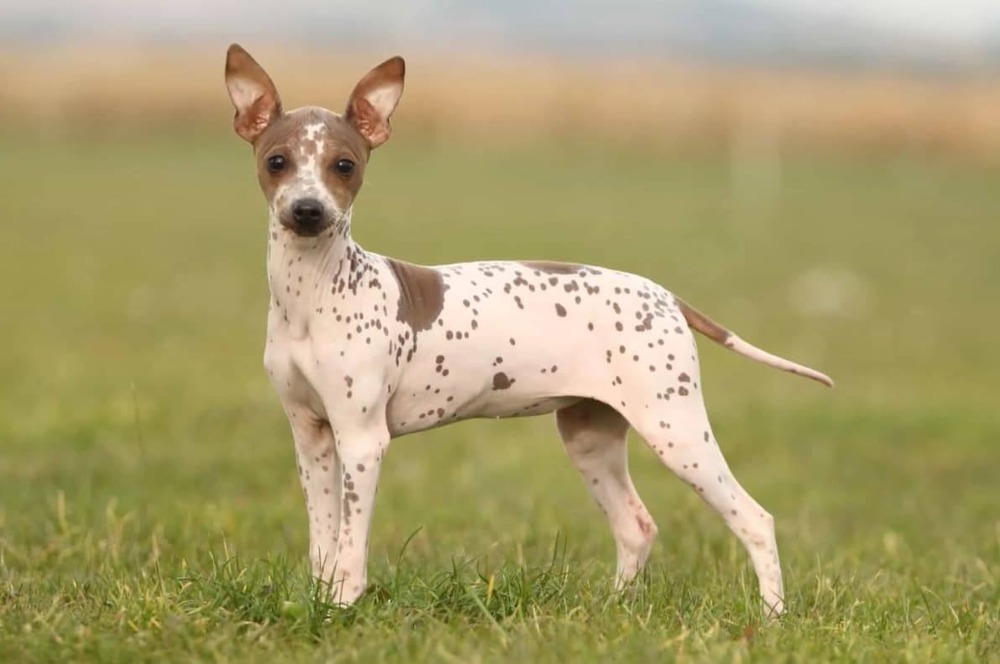
Living with a hairless dog often means shifting your idea of “grooming”. Instead of brushing hair, you are managing skin. Breed standards note that hairless puppies usually lose their initial down by around 6 to 8 weeks, and adults may retain only small areas such as whiskers and eyebrows, with possible very fine vellus hair.3
Because there is no coat barrier, AHTs are more exposed to both sun and cold. Sunburn is a genuine risk for dogs, particularly hairless and short-coated breeds, and repeat sun damage can increase the risk of skin disease over time.7 In cooler weather, many AHTs are more comfortable in a well-fitted jumper on walks, especially early mornings and evenings.
- Use dog-specific sunscreen on exposed areas when needed, and avoid human sunscreens that may contain ingredients unsafe if licked.7
- Prioritise shade and adjust walk times during high UV periods.
- Consider UV-protective clothing if your dog tolerates it, especially for longer outdoor sessions.7
Bathing is individual. Some AHTs do well with occasional gentle baths, while others need more frequent rinsing depending on skin oils, environment, and any sensitivity. If you are seeing persistent redness, itch, pimples, or recurrent infections, it is best approached as a veterinary question rather than a cosmetic one.
Health and lifespan: what to watch, and what to plan for
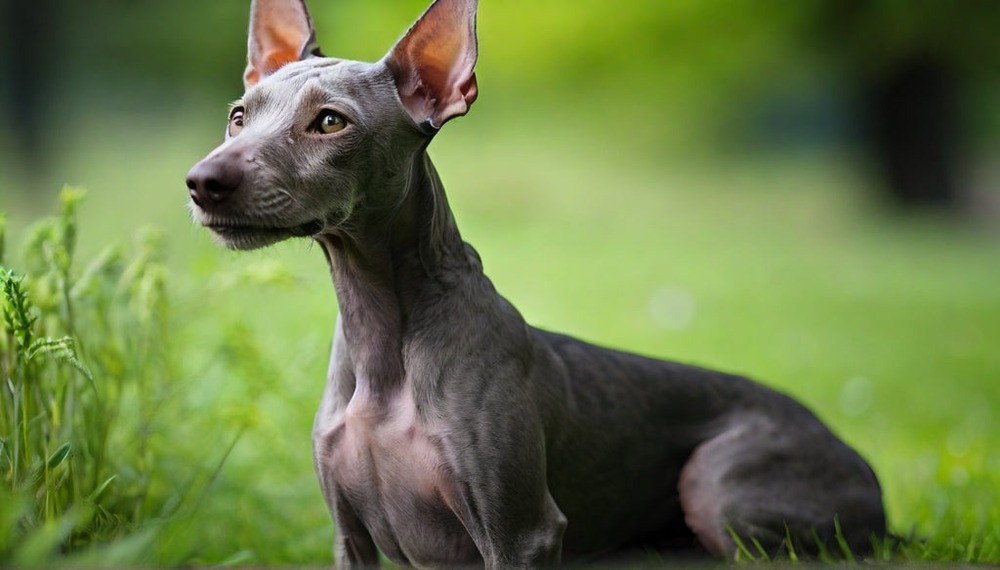
The breed is often described as generally healthy, with many individuals living well into their teens with good care.8 Still, “healthy breed” never means “no health concerns”. For the AHT, the practical themes tend to be skin-related issues (including irritation, allergies, or infections), and environmental exposure because of hairlessness.
Good preventative care looks fairly ordinary, but it pays off: regular dental checks and home tooth care, parasite control, appropriate vaccination choices for your area, and weight management. The small, athletic terrier body type often stays comfortable longer when kept lean, particularly as the dog ages.
If you are buying a puppy, seek breeders who can discuss health screening in their lines and who are realistic about the work involved. If you are adopting, ask about skin routines that have worked so far, including products used and any seasonal patterns.
Feeding and skin support: practical nutrition choices
There is no single “best” food for every AHT, but the basics matter: a complete and balanced diet appropriate for life stage, with portions adjusted to keep a stable, lean condition. If your dog is itchy or gets recurring ear or skin trouble, it can be tempting to jump straight into elimination diets without a plan. It is usually more effective to work with a vet so you can separate food issues from environmental allergies, parasites, or skin infection.
For many hairless dogs, owners look for diets that support the skin barrier. Fatty acids (including omega-3s) are commonly discussed in this context, but they are not a cure-all. Think of them as one possible support alongside bathing routines, parasite control, and sensible sun management.
If you want a structured way to evaluate your dog’s diet and body condition, the World Small Animal Veterinary Association provides nutrition guidance that vets commonly use in practice.9
Final thoughts
The American Hairless Terrier is unusual to look at, but the day-to-day success of living with one comes down to familiar things: meeting a terrier’s need for activity and engagement, keeping routines calm and consistent, and staying curious about what your dog is telling you through their behaviour and skin.
If you enjoy an alert companion who likes to learn, and you are willing to treat sun protection as routine care, the AHT can be an excellent fit. They are not difficult dogs, but they do ask you to pay attention in slightly different places than you would with a heavily coated breed.
References
- American Kennel Club: Full recognition of the American Hairless Terrier (eligible to compete from 1 January 2016)
- Wikipedia: American Hairless Terrier (breed history overview, including Josephine in 1972)
- United Kennel Club (UKC): American Hairless Terrier breed standard (history, coat varieties, height range, recognition date)
- American Hairless Terrier Association: Breed standard (coat and skin description)
- Newsweek: AKC recognises American Hairless Terrier (January 2016 coverage)
- The Spruce Pets: American Hairless Terrier breed characteristics and care (general overview, allergy nuance)
- Time: Dogs can get sunburned, what to know about prevention and sunscreen safety
- American Kennel Club: American Hairless Terrier breed information
- WSAVA: Global Nutrition Guidelines (framework for assessing diet and body condition)