

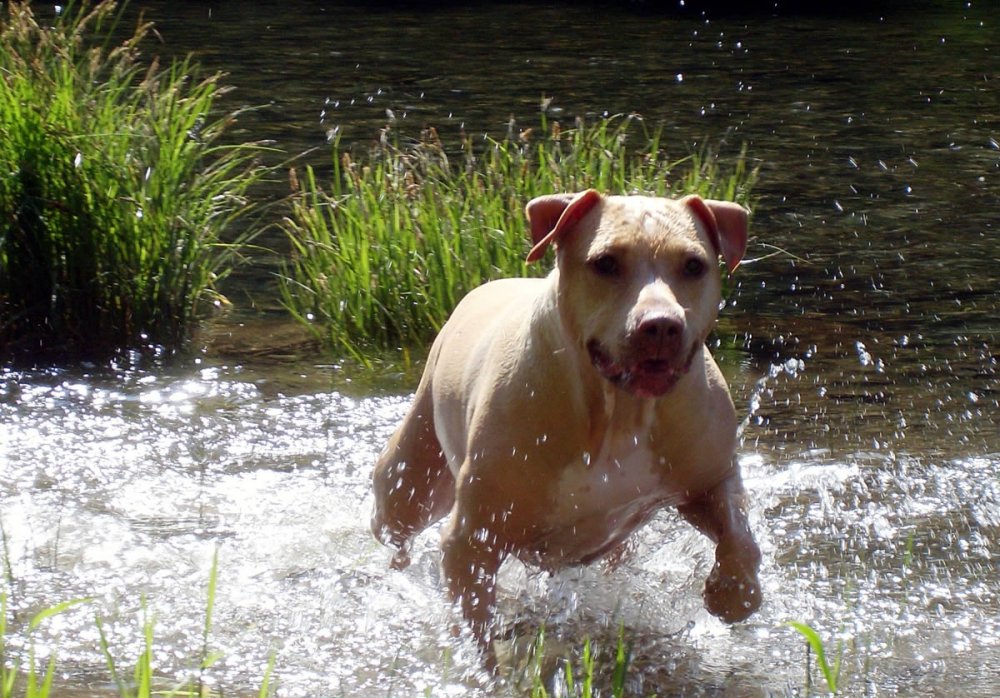
You might first hear “American Pit Bull Terrier” in a moment that feels slightly loaded, a neighbour’s comment at the park, a rental listing with breed restrictions, a council form that asks for a “type”, or a social media post that swings between fear and devotion. The name can carry more baggage than most breeds, which makes it hard to know what is actually being described.
Part of the confusion is that “pit bull” is often used as a broad label, while the American Pit Bull Terrier is a specific breed recognised by some registries but not others. Add in lookalike breeds and crossbreeds, plus the reality that laws and housing rules can focus on appearance, and it becomes clear why people end up searching for straight, practical information.
When you strip away the slogans, what you are left with is a medium sized, athletic dog with real drive, plenty of strength, and a strong need for thoughtful handling. For the right household, that can be deeply rewarding. For the wrong match, it can be stressful for everyone, including the dog.
At a glance: what this breed is and is not
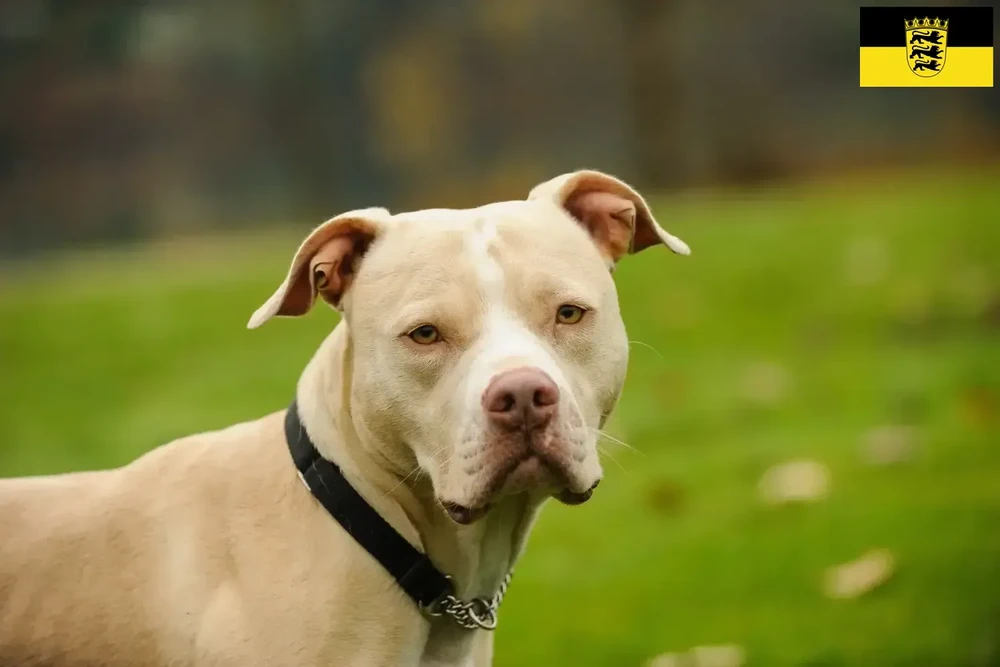
The American Pit Bull Terrier (often shortened to APBT) is widely described as a compact, muscular, people oriented dog with a short coat and high energy. Breed standards tend to emphasise balance and athleticism, rather than a single “correct” size, which is why you will see quite a bit of variation in the real world.1
In practical terms, many adults sit roughly in these ranges:
- Height: about 43 to 53 cm at the withers
- Weight: about 13 to 27 kg, depending on sex and build
- Life expectancy: often quoted around 12 to 16 years
Those figures are a guide, not a guarantee. A dog’s condition, genetics, and day to day lifestyle matter at least as much as the numbers on paper.1
It also helps to be clear about labels. “Pit bull type” is sometimes used informally for several breeds and mixes with similar looks. That can lead to mistaken identity, especially in places where restrictions are tied to appearance or “type” rather than verified pedigree.8
History and how that shapes the modern dog
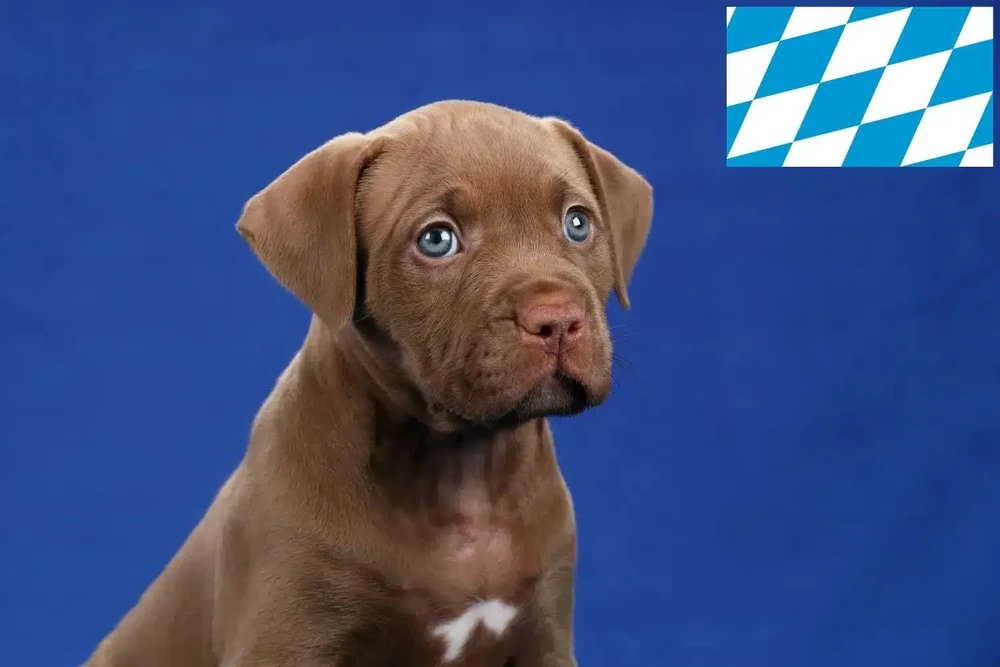
The APBT developed from bull and terrier type dogs, selected for physical ability, persistence, and agility. Historical accounts include use in now outlawed blood sports, and later as working farm dogs and general purpose companions. It is not comfortable history, but it is part of why the breed can be so capable and so intense.2
One common modern misunderstanding is that these dogs were “bred to be aggressive”. Selection in any working lineage is more nuanced than that. You can have a dog with substantial drive, arousal, and physical strength without having a stable, predictable temperament in every setting. That is where experienced handling, careful socialisation, and realistic expectations become the difference between a settled dog and a chaotic one.
If you are researching the breed because you have seen the phrase “nanny dog”, it is worth holding it lightly. It is a story that circulates widely, but it can be misleading in practice because it encourages people to skip the basics of supervision, management, and child safe dog handling.9
Physical traits: strength, movement, and everyday care
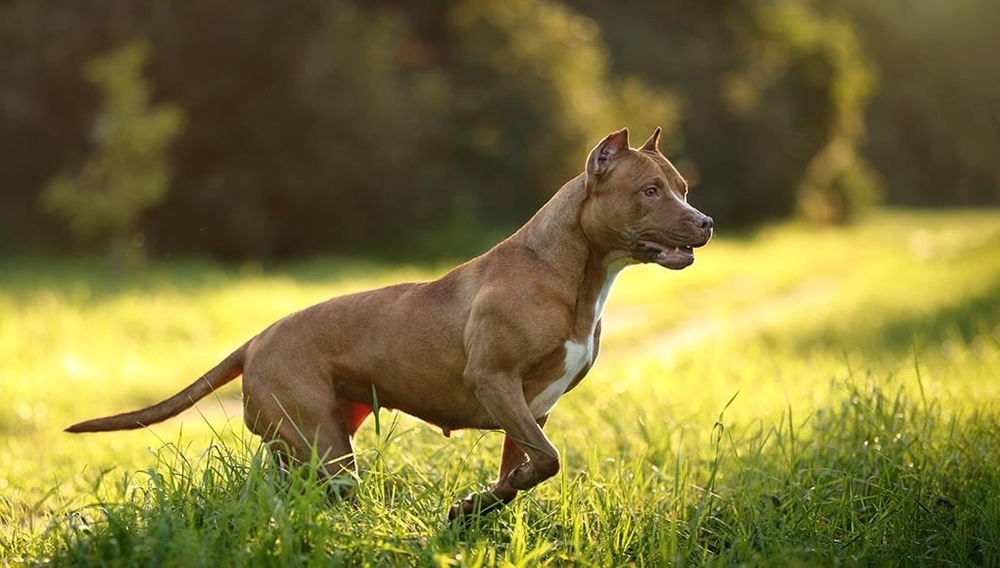
Most APBTs have a short, smooth coat and a solid, athletic frame. In good condition, they look like dogs built to move, not just to stand still. Breed standards describe a dog that should appear both powerful and agile, with coordinated movement and endurance.1
Because the coat is short, grooming is usually straightforward, but it does not mean “no maintenance”. Many owners find regular brushing helps with loose hair and skin debris, and it creates a routine where you notice small changes early, like new lumps, sore spots, or signs of itch.
Cold weather can be a quiet issue for short coated dogs. Some individuals cope well, while others benefit from shorter outings, a coat, and a warm indoor resting place after exercise. It is less about the breed label and more about the individual dog’s body condition, age, and where you live.
Temperament and behaviour: what people notice day to day
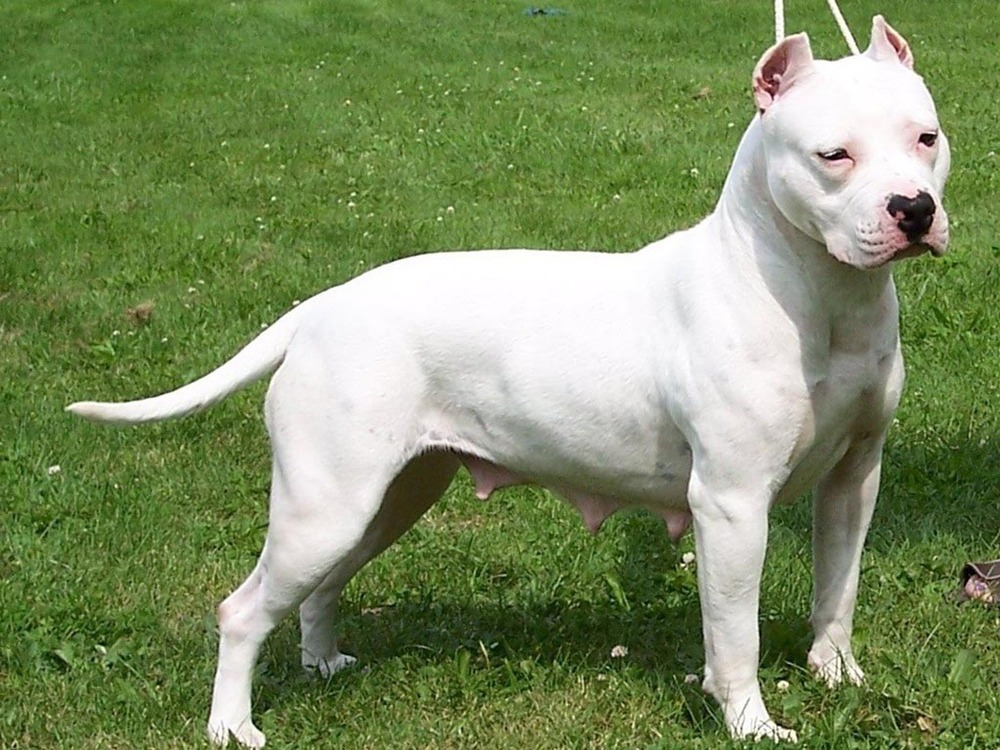
Well raised APBTs are often described as people focused, responsive, and keen to engage. Many have a strong desire to interact, which can show up as enthusiastic greetings, close following around the house, and a tendency to get bored if they are under-stimulated.
It is also common to see high arousal and determination. Those traits can be wonderful in structured activities, but they can become difficult in busy environments if the dog has not learned to settle, disengage, and respond under distraction.
Dog to dog interactions vary. Some individuals are social and flexible, others are selective, and some should not be placed in off lead dog park situations at all. Early social experiences help, but they do not erase genetics, maturity, or learning history. If you need a clear plan, a force free trainer or a veterinary behaviourist can help you assess what is realistic for your dog.
On the question of safety and bite risk, broad statements about breed tend to be less useful than people hope. The American Veterinary Medical Association notes it is inappropriate to predict a dog’s propensity for aggression based solely on breed, and encourages prevention strategies that focus on behaviour, management, and responsible ownership.5
Training and exercise: building skills, not just burning energy
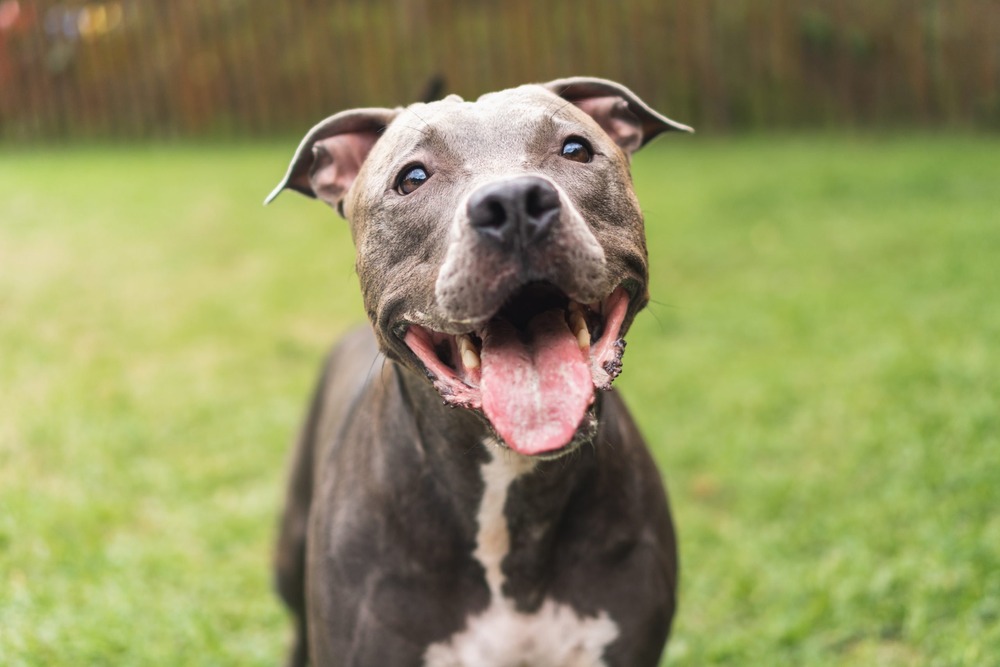
These dogs usually do best when exercise and training are treated as a combined project. A long walk is helpful, but the bigger win often comes from teaching the dog how to move through the world calmly, how to wait, and how to respond when something exciting happens.
For many APBTs, the essentials are surprisingly ordinary:
- Early socialisation that stays within the dog’s comfort zone
- Reward based training that builds reliable recall, leash skills, and a settle cue
- Daily enrichment, such as scent games, food puzzles, and short skill sessions
Avoid the trap of thinking “more exercise fixes everything”. Some dogs become fitter and more intense without learning any better self control. If your dog struggles with over-excitement, add rest, decompression walks, and calm reinforcement, not just kilometres.
Health: what to watch and how to support longevity
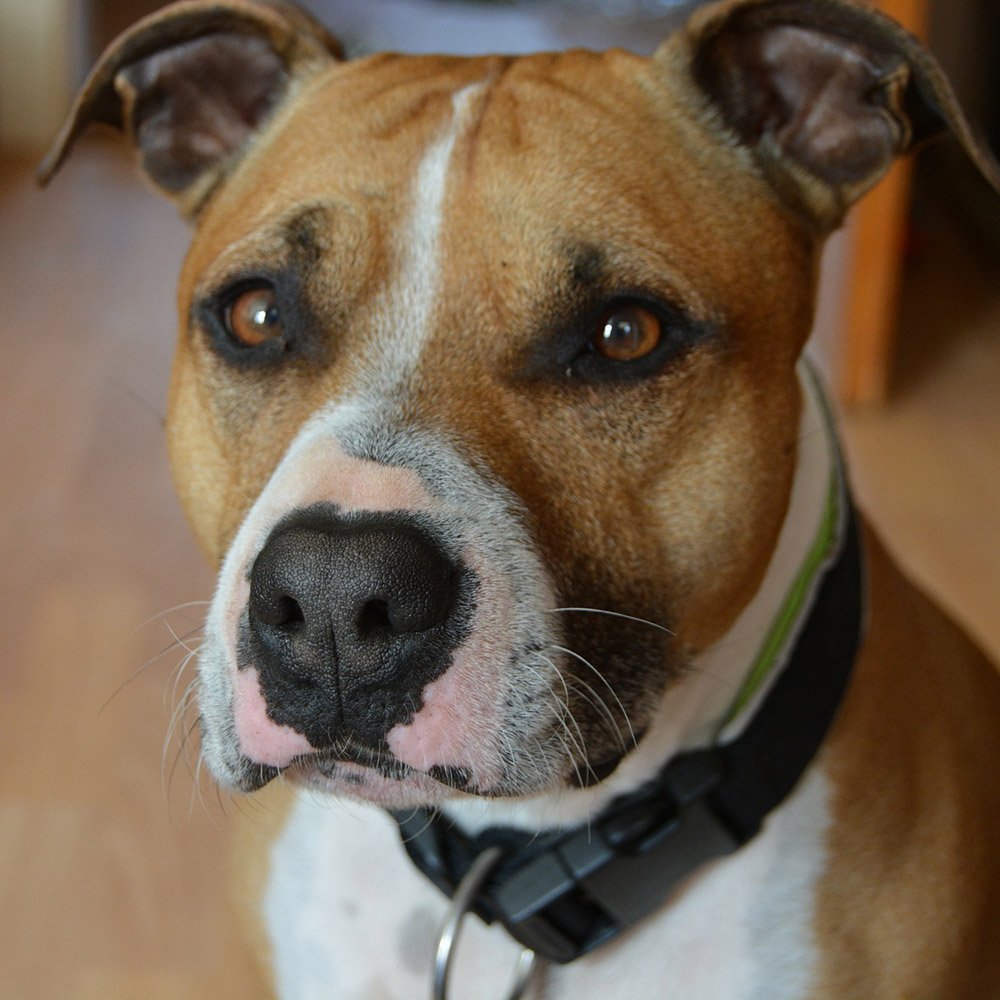
The breed is often described as generally robust, but that does not mean problem free. Owners and vets commonly discuss joint disease (including hip dysplasia), skin disease (including allergies), and some cardiac conditions as issues that may appear in the population.6
Good prevention tends to look boring, which is usually a good sign:
- Keep your dog in lean body condition, weight management supports joints and stamina
- Ask your vet about appropriate screening, especially if you are choosing a breeder
- Take itch and recurring ear issues seriously, early treatment often prevents long cycles of flare ups
If you are comparing sources, you will see lifespan estimates vary. Many references place APBT longevity around the low to mid teens, with wide variation based on genetics and lifestyle.2
Diet and nutrition: practical feeding for an active dog
Most APBTs thrive on a complete and balanced diet that matches their activity level and life stage. For some, a standard high quality commercial diet is perfectly adequate. Others, particularly those with skin issues, do better with veterinary guided diet trials that rule in or out food related triggers.
Two small details matter more than they get credit for: consistency and portions. Active dogs can look “fine” while slowly gaining weight, particularly if training treats and chews are not counted. If you are unsure, ask your vet or vet nurse to show you how to body score your dog, then adjust food by condition rather than by guesswork.
Living with an APBT in Australia: rules, housing, and realistic planning
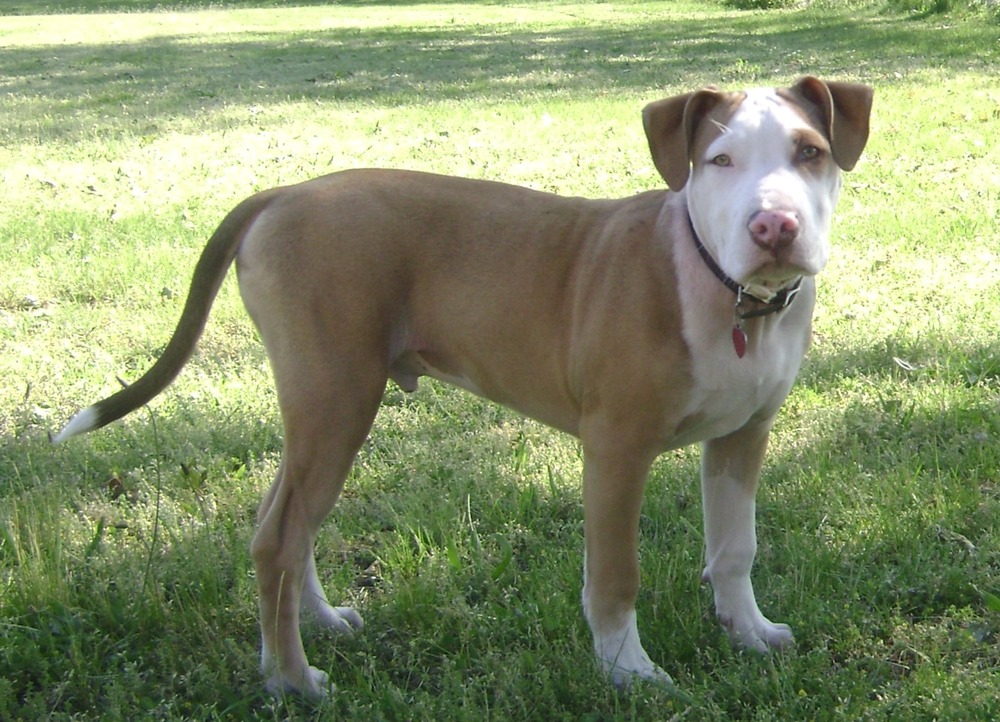
If you are reading from Australia, the legal landscape matters. The Australian Government lists the American pit bull terrier (or pit bull terrier) among pure breeds prohibited from import into Australia.4
Within Australia, some states and councils regulate “restricted breed” dogs with specific conditions. For example, in New South Wales, restricted dogs have strict control requirements such as muzzling and leashing in public, prescribed collars, enclosure standards, desexing, and permit requirements.7
Victoria also outlines requirements for restricted breed dogs and notes that councils may assess dogs against an approved standard.3
It is worth checking your local council rules before you commit, especially if you rent or expect to move. Even when a dog is well behaved, legal definitions and appearance based assessments can create practical hurdles that families do not anticipate.
Final thoughts
The American Pit Bull Terrier sits at an uncomfortable intersection of real canine capability and human projection. The dogs themselves are not a headline. They are individuals, shaped by genetics, early experiences, training, and the daily competence of the people around them.
If you are considering one, think less about the stories and more about your routine. Do you have time for training that builds calm behaviour, not just obedience? Can you provide safe management around visitors, other dogs, and busy places? When those answers are yes, many owners find the breed’s steadiness, athleticism, and engagement to be genuinely satisfying to live with.
References
- United Kennel Club (UKC), Breed Standards: American Pit Bull Terrier
- Wikipedia, American Pit Bull Terrier (overview and history summary)
- Agriculture Victoria, Owning a restricted breed dog
- Australian Border Force, Importing animals (dangerous breeds of dogs)
- American Veterinary Medical Association (AVMA), Dog bite prevention policy
- Cornell University College of Veterinary Medicine, Skin allergies in dogs (overview)
- NSW Office of Local Government, Control requirements for restricted dogs
- RSPCA Knowledgebase, What is breed specific legislation (BSL)?
- The Guardian, Dog attack data and the limits of breed identification (NSW context)