

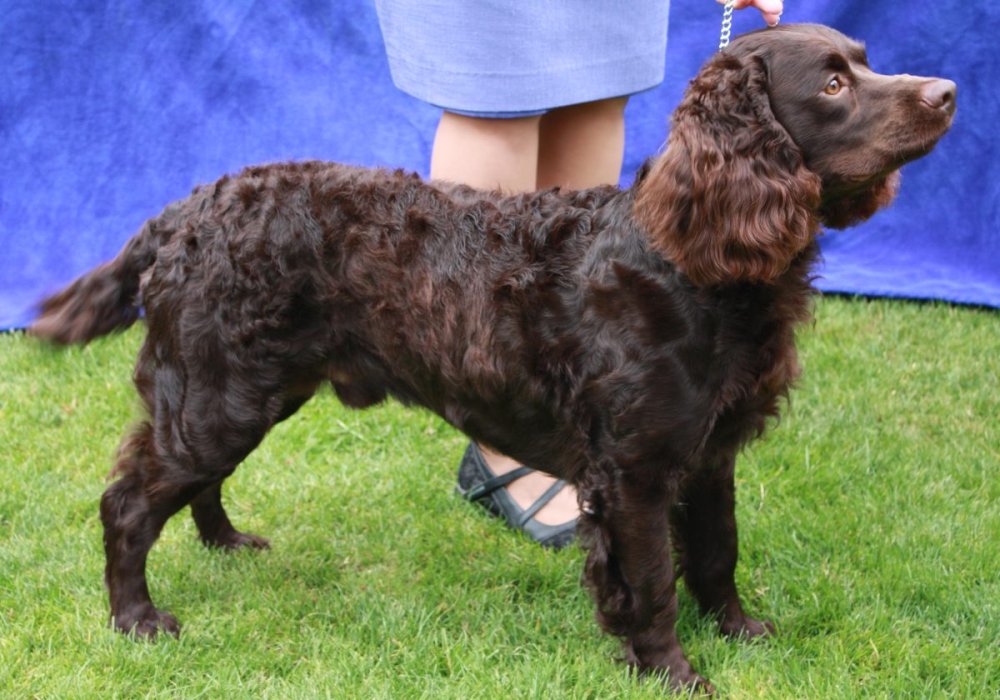
You might come across an American Water Spaniel because you have met a small, curly-coated brown dog who seems to switch effortlessly between “busy little retriever” and calm house companion. Or you might have noticed the breed name on a rescue listing and wondered if it is just another “water dog”, or something more specific.
Part of the confusion is that the American Water Spaniel is uncommon outside its home region, and it does not fit neatly into the mental boxes people use for sporting dogs. It is compact enough to live comfortably in ordinary homes, yet it carries the stamina and persistence of a working gundog.
Understanding what the breed was built to do, and what that means for daily life, helps you make sense of the coat, the energy, and the sometimes watchful, independent streak. It also helps you decide whether this is the sort of dog who will thrive with you, or merely cope.
At a glance
Group: Sporting (gundog type)
Origin: United States (developed in Wisconsin and the upper Midwest)
Size: 38 to 46 cm at the shoulder, roughly 11 to 20 kg (varies by sex and build)4, 5
Coat: Curly to wavy, double coat, typically liver, brown, or chocolate4, 5
Life expectancy: Often around 10 to 14 years4, 5
Best suited to: People who enjoy training, outdoor time, and a dog who likes having a job
History and origin
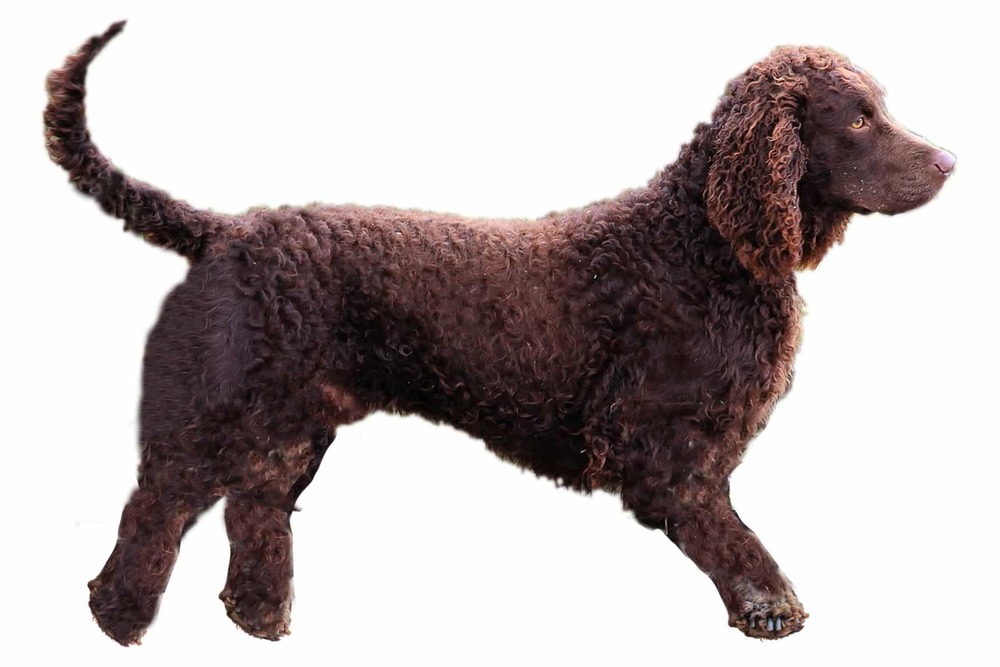
The American Water Spaniel was developed in the United States, with strong roots in Wisconsin and the Great Lakes region. It was shaped by practical hunting needs: a dog small enough for a skiff or canoe, tough enough for cold water, and capable of working thick cover on land as well as retrieving from water.6, 7
When people describe the breed as “versatile”, they are usually pointing to this original purpose. These dogs were expected to do more than one job in a day, and to do it in awkward terrain, in changeable weather, and without much fuss. That history still shows up in the modern dog’s stamina and willingness to keep going when something interesting is happening.
Breed histories can get muddy, and the American Water Spaniel is no exception. Many sources suggest contributions from other water and retrieving types, including the Irish Water Spaniel and Curly-Coated Retriever, but the exact recipe is not fully documented.6, 8
Dr F. J. Pfeifer of New London, Wisconsin, is widely credited with helping to standardise and promote the breed, including early registry work. The American Kennel Club granted recognition in 1940.1, 6, 7
Wisconsin later named the American Water Spaniel as its state dog. You will see different years mentioned in different places, which often reflects how state symbols are recorded and updated. A commonly cited year is 1985.2, 3
Physical characteristics that matter day to day
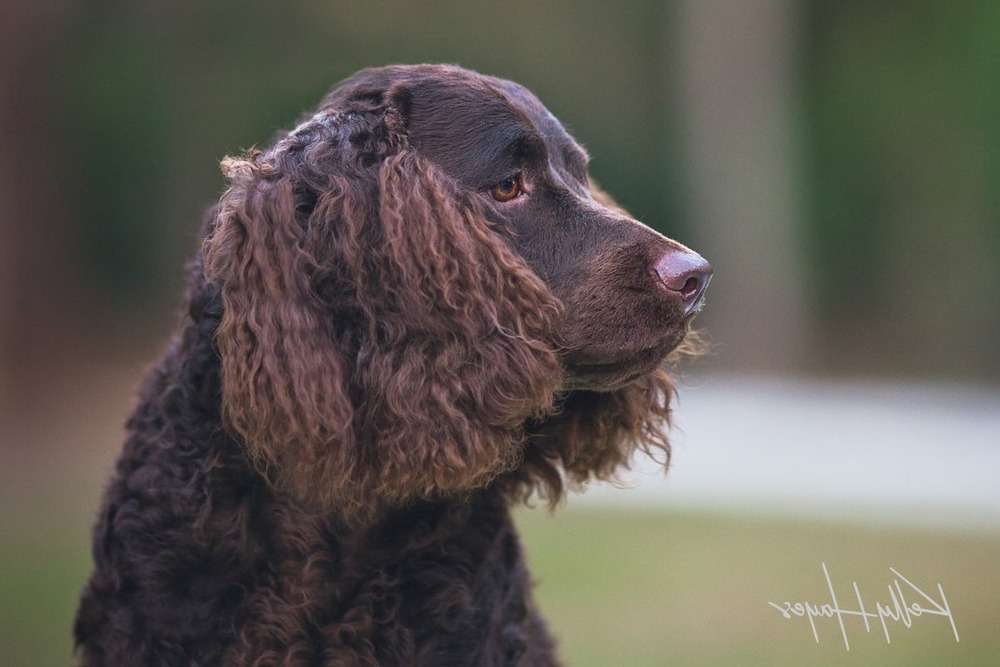
On paper, the American Water Spaniel is a medium dog. In real life, many people experience them as “handy sized”: solid, muscular, and built for movement rather than for bulk. Their height is typically in the 38 to 46 cm range, with weight commonly around 11 to 20 kg, depending on sex and conditioning.4, 5
The coat is one of the big practical differences compared with more familiar spaniels. It is usually curly or wavy, with a protective undercoat designed for water work. That can be helpful in the cold and wet, but it also means the coat can hold moisture and debris if you do not keep an eye on it.4, 5
Features like webbing between the toes are often mentioned, and for good reason. They support strong swimming and efficient movement in marshy ground. Long, floppy ears fit the spaniel pattern, but they also mean you need to pay attention after swimming or bathing, because reduced airflow can contribute to ear trouble in many drop-eared breeds.4
Temperament and behaviour
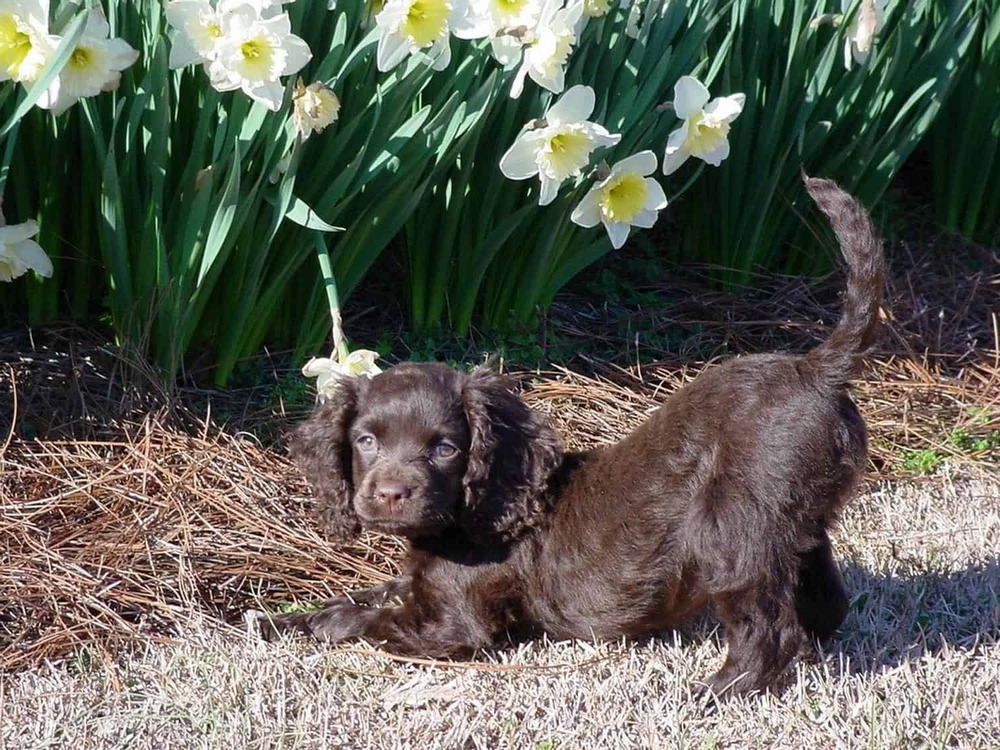
American Water Spaniels are often described as friendly, intelligent, and energetic. That is broadly true, but it helps to translate those words into what you might live with.
Energetic usually means they do best when the day includes purposeful activity, not just a quick stroll. Intelligent can look like quick learning, but it can also look like experimentation: if the dog is bored, it may invent its own games. Friendly often means sociable with their people, although some individuals can be a bit reserved at first with strangers, particularly if they have not had much early exposure to new environments.4, 5
Because the breed was developed for hunting and retrieving, you may see behaviours like sniffing, tracking movement, or an intense interest in birds. That does not make them “naughty” or “dominant”. It is simply a dog doing what its body and brain were selected to do. The practical question is how well those instincts are channelled into training, games, and safe outlets.
With children and other pets, early socialisation and supervision matter, as they do with any active sporting breed. Many American Water Spaniels do well in family life, but they tend to cope best when the household is ready to meet the dog’s needs for exercise, boundaries, and calm settling time.
Training and exercise needs
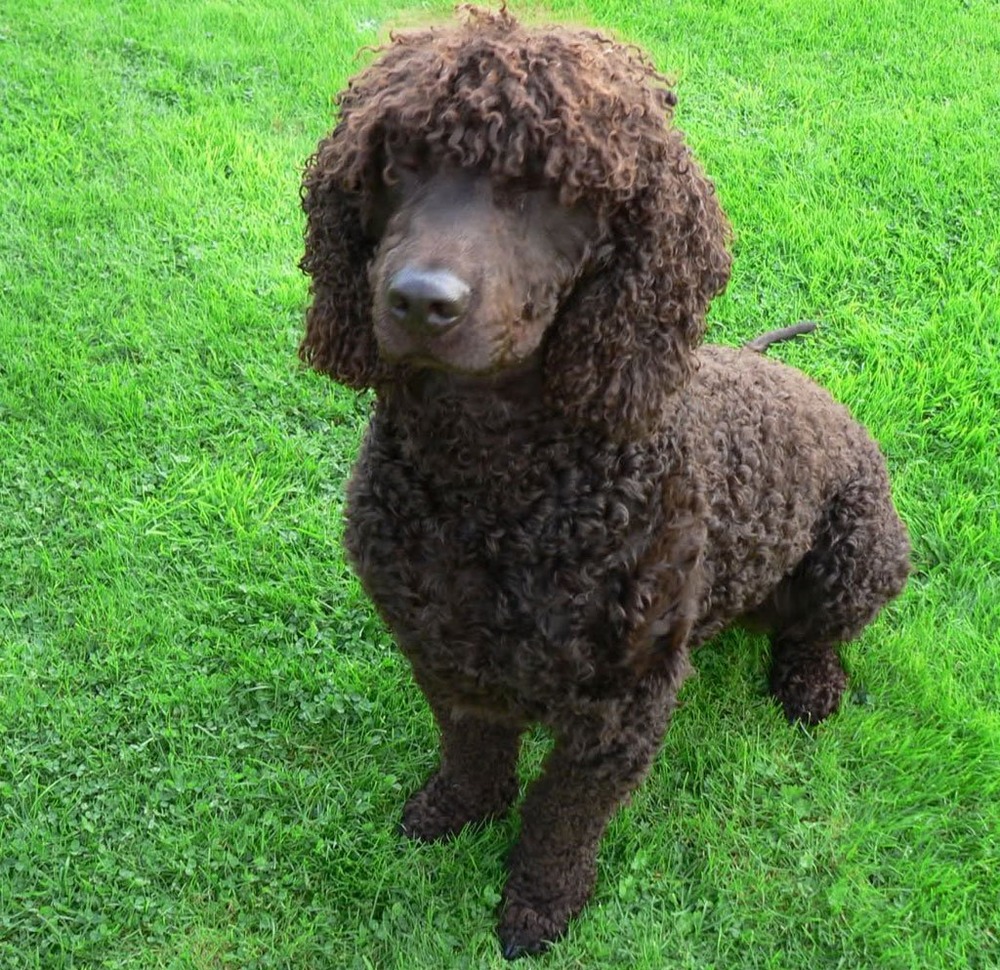
If you enjoy training, this breed can be very satisfying. They commonly respond well to reward-based methods and clear repetition, especially when the rewards match the dog. For some individuals, food works. For others, a retrieve, a swim, or permission to sniff can be the real currency.
Early training is less about teaching tricks and more about building useful everyday skills: recall, loose-lead walking, settling on a mat, and calm behaviour around visitors. Sporting dogs often mature into their confidence, and the habits you build early tend to show up later when the dog has more strength and stamina.
Exercise is not just distance. A thoughtful mix tends to work best:
- Brisk walking or jogging most days
- Retrieving games in a safe area (with boundaries so it does not become frantic)
- Swimming, if you have safe access and your dog enjoys it
- Scent work games and food puzzles for indoor days
Many sources suggest aiming for about an hour of activity a day for an adult American Water Spaniel, adjusted for age, fitness, and weather.8, 5
Health and lifespan
American Water Spaniels often live around 10 to 14 years.4, 5
Like many medium sporting breeds, they can be affected by inherited conditions, and it is worth asking breeders or breed clubs what is being screened for in their lines. Hip dysplasia is commonly discussed across many breeds, and eye disease is also mentioned in breed profiles. The most useful approach is not to assume the worst, but to plan for sensible monitoring and preventative care, including keeping the dog lean and fit, because extra weight can make joint issues harder to manage.9
If you are choosing a puppy, look for health testing transparency and clear, calm answers about what conditions exist in the line, what is being done about them, and what support is offered if a problem appears later.
Grooming and maintenance
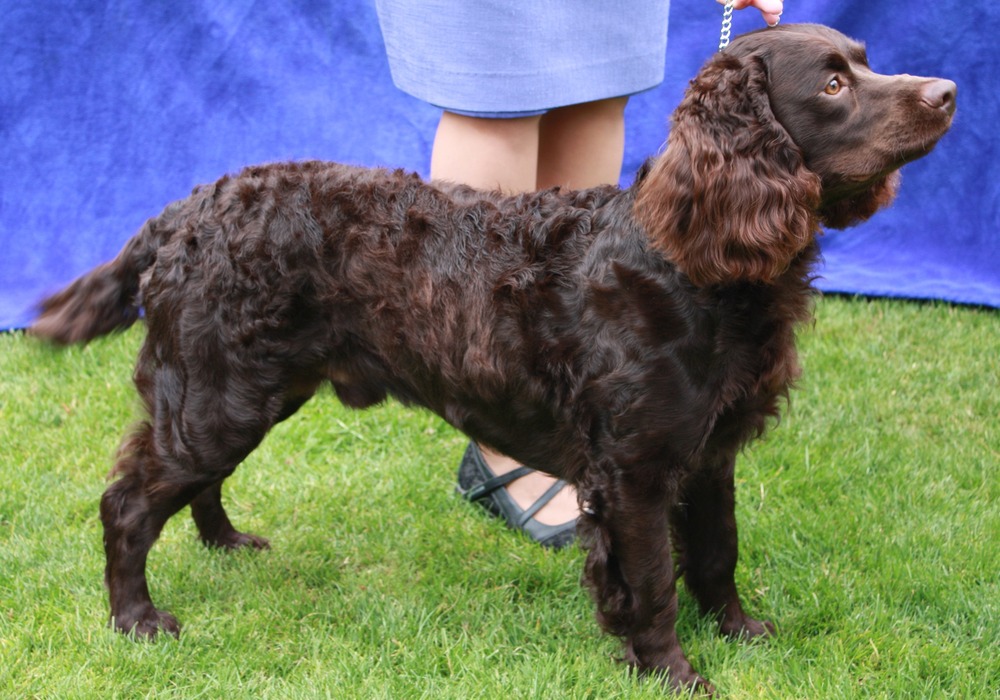
The coat can be surprisingly practical once you understand it. It is designed to protect, not to sit perfectly. Regular grooming is less about creating a “show finish” and more about preventing mats, keeping the skin healthy, and removing debris.
A simple routine often works well:
- Brush or comb once or twice a week, more if the coat is longer or the dog swims often.
- Check behind the ears, under the collar, and around the tail base, because these areas mat easily.
- Rinse after swimming in chlorine or salt water, then dry the ears and coat thoroughly.
Ear care deserves special attention. Drop ears can trap moisture, and many veterinary sources recommend regular ear checks, particularly after water exposure. If you notice redness, odour, head shaking, or sensitivity, it is worth a vet visit rather than repeated home cleaning, because the cause can differ and treatment is not one-size-fits-all.10
Diet and weight management
This is an athletic breed type, and they generally do best on a balanced diet that supports steady energy and good muscle condition. The bigger day-to-day issue is often not the ingredient list, but portion sizes and treat habits, especially in a clever dog that learns quickly which behaviours make snacks appear.
If you are unsure, it helps to use a body condition score approach with your vet, rather than relying on the scales alone. Keeping your dog at a healthy weight is one of the most practical ways to support long-term comfort, particularly for joints.9
Living with an American Water Spaniel
They can live in a suburban home or even a flat, but only if their needs are met in the part of life that happens outside the lounge room. This is a dog that tends to settle better when it has been exercised and given something meaningful to do.
In many households, the turning point is deciding what “a job” looks like. For some dogs it is retrieving. For others it is scent games, training classes, or structured play with clear starts and finishes. When the dog has that outlet, the breed’s best traits become easier to enjoy: bright, responsive companionship with a practical, outdoorsy spirit.
References
- American Kennel Club, Breeds by Year Recognized
- State Symbols USA, Wisconsin State Dog: American Water Spaniel
- Wisconsin Historical Society, American Water Spaniel (historical essay)
- WebMD, What to Know About American Water Spaniels
- Hill’s Pet Nutrition, American Water Spaniel
- American Kennel Club, American Water Spaniel History
- Wikipedia, American Water Spaniel
- The Spruce Pets, American Water Spaniel: Breed Characteristics and Care
- WSAVA, Body Condition Score (Dog)
- RSPCA, Dog ear care and problems