

You might come across the Ariège Pointer when you are looking for a lean, athletic gundog, or you have met one that seems quietly switched on outdoors and surprisingly gentle at home. They are not a common sight in Australia, so it can be hard to work out what is “normal” for the breed, and what is simply a well-managed hunting dog.
One of the easy assumptions is that a pointer is only happy in the field. In practice, many do settle into family life, but they do best when their daily routine still makes room for movement, scent work, and training that feels purposeful. When those needs are met, the Ariège Pointer often reads as calm and companionable rather than restless.
The other thing worth knowing upfront is that this is a recognised breed with a defined standard, even if it is not widely known in every kennel club system. That matters when you are trying to make sense of size, coat, temperament, and what good breeding and sensible care usually look like.1
Quick breed snapshot
Breed category: Gundog (pointing dog)
Origin: Ariège region, France
- Height: Males 60 to 67 cm, females 56 to 65 cm1
- Coat: Short, close, glossy
- Typical colour: White with orange (fawn) or brown (liver) markings, usually with noticeable white patterning1
- Energy level: High, especially outdoors
- Often noted for: Strong scenting, endurance, and a cooperative working style1
History and origin
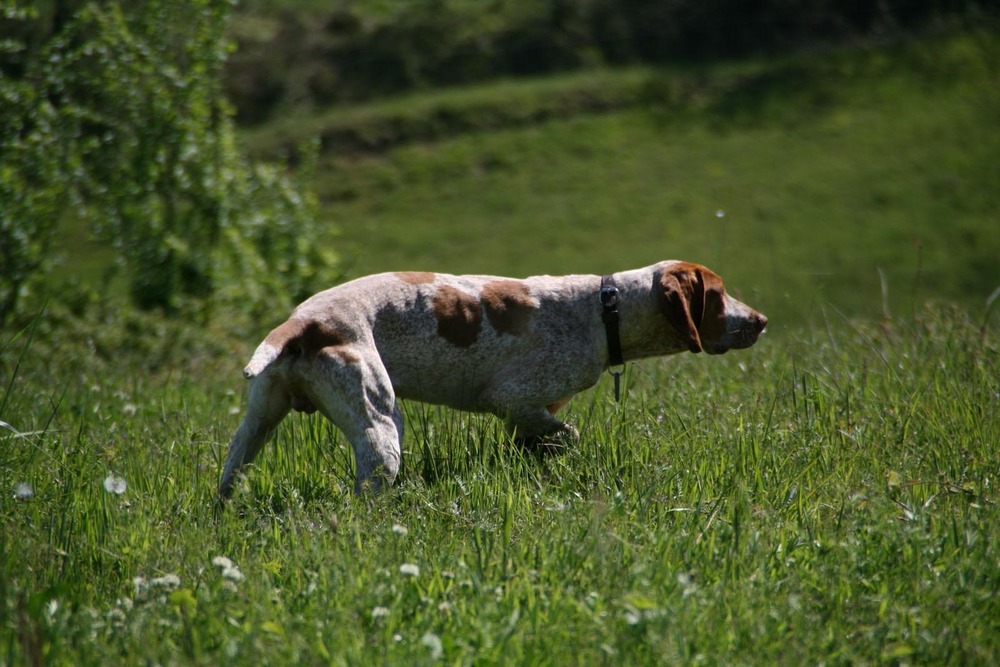
The Ariège Pointer is also known by its French name, Braque de l’Ariège. It comes from south-west France, where hunters wanted a dog that could cover ground efficiently and work with precision on gamebirds in varied terrain.1, 4
You will often see it described as developing through crosses involving French pointing dogs and English Pointer influence, aimed at producing a lighter, faster dog than some of the older “braque” types. The details vary by source, but the broad story is consistent: a practical hunting dog shaped by local needs, then later supported by breed clubs to protect type and working ability.3, 4
Importantly, the breed is recognised by the Fédération Cynologique Internationale (FCI) as a pointing dog (Group 7), with definitive recognition dating to 1955. The current official standard was updated and published in 2023.1
Physical characteristics

The Ariège Pointer is built to move: long-lined, athletic, and strong without heaviness. In the field, that shows up as an economical trot, the ability to hold pace over distance, and quick changes of direction when the scent picture shifts.
The coat is short and close, which tends to be easy-care, but it also means the dog can feel cold if they are standing around in winter or riding in the ute after a swim. Many owners find a simple coat or drying routine helps on cold, damp days.
Key features you will notice include long, fine drop ears and a head that reads “pointer-like” in profile. Those ears are part of the breed’s look, but they also have practical implications for ear care, particularly in wet grass, muddy country, or frequent swimming.1
Temperament and behaviour
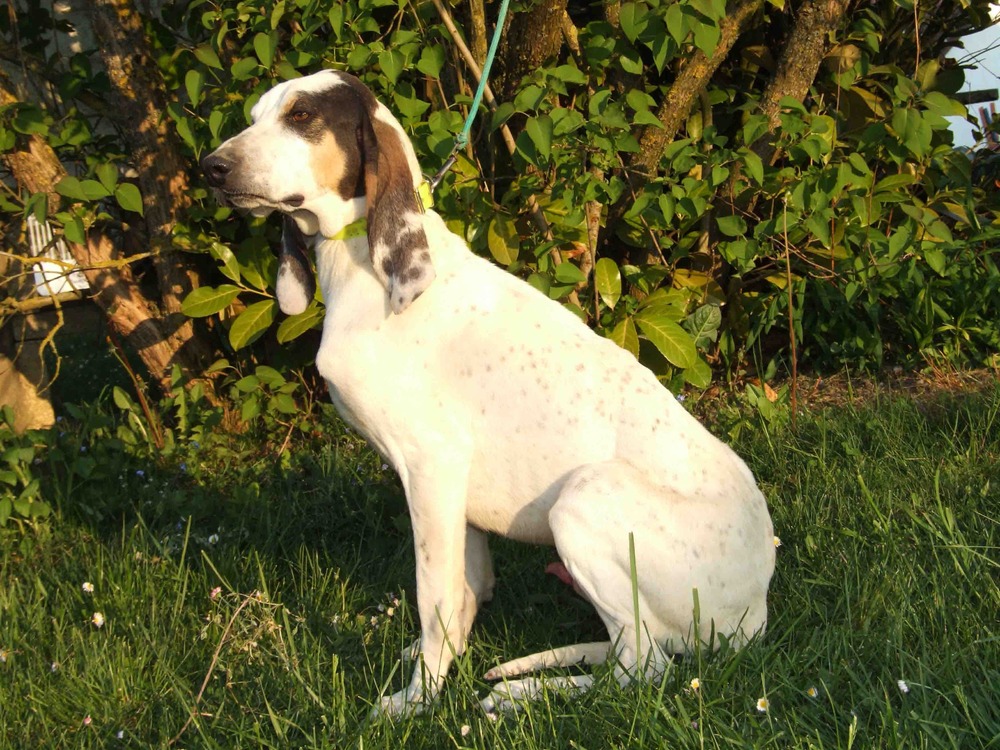
Well-bred Ariège Pointers are typically described as docile and easy to educate, which often matches what people experience when training is fair, consistent, and interesting.4
At home, they can be quietly attached to their people, but it helps to remember that a pointing dog’s default mode is to notice things. Some individuals relax quickly after exercise. Others take longer to “come down” and do best with a routine that includes both physical work and mental decompression.
If you have children, the main consideration is less about “is this breed good with kids?” and more about management. A high-energy dog that turns tightly and accelerates fast can bowl over small bodies by accident. Calm introductions, structured play, and a clear rest space tend to matter more than any single temperament label.
With other pets, early socialisation helps, but so does realism. This is a hunting breed, so prey drive may be present even in friendly, affectionate dogs. That does not mean they cannot live with cats or poultry, but it usually means you plan carefully, train thoughtfully, and supervise until you truly know the individual dog.
Training and exercise needs
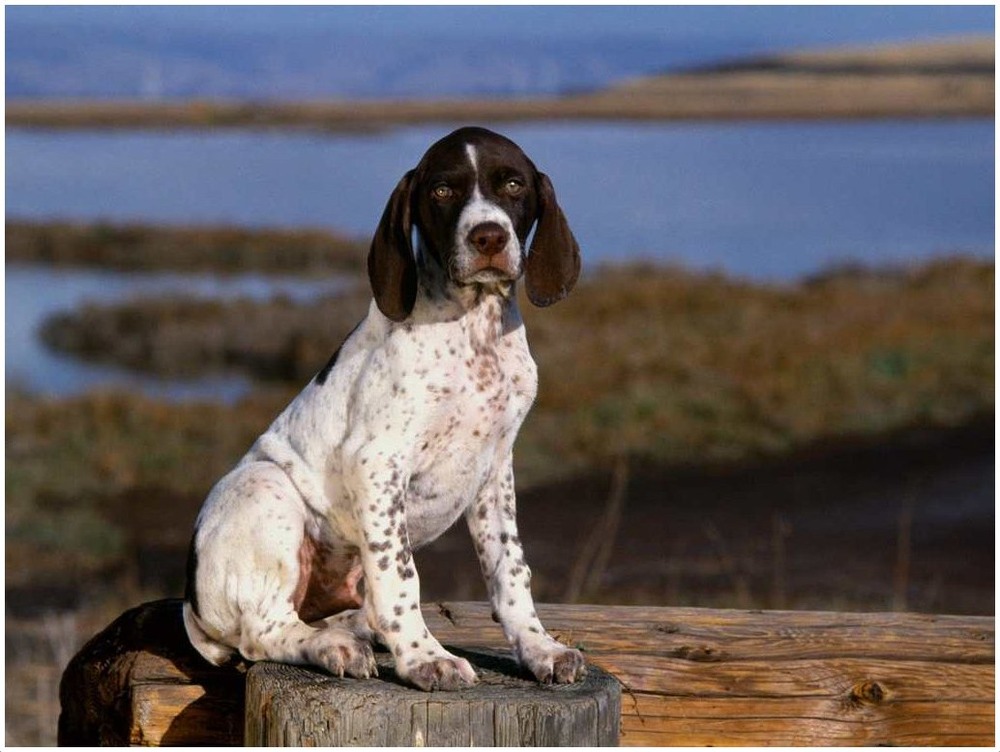
Ariège Pointers tend to respond best to training that feels like teamwork. They often learn quickly, but they can also become bored with repetition. Short sessions, clear cues, and rewards that matter to the dog (food, play, access to sniffing) usually go a long way.
Exercise needs are high. Most adults will need daily movement that elevates the heart rate, plus time to use their nose. “A walk around the block” might keep them polite, but it rarely satisfies them.
Many owners find the sweet spot is a mix of:
- Off-lead running in safe, legal areas
- Long-line sniff walks where the dog can range and investigate
- Retrieve games with structure (so arousal does not spiral)
- Scent games, tracking-style activities, or field-style training
If you live in a unit or have limited outdoor space, it is not automatically impossible, but you would want a realistic plan for daily exercise and enrichment. A large, energetic pointer with unmet needs can become noisy, destructive, or perpetually “busy”, not out of spite, but because their body and brain are under-used.
Health and lifespan
Breed-specific health data for rarer breeds can be limited, so it is worth approaching health claims with a little humility. What tends to matter most is responsible breeding, appropriate growth and body condition, and early attention to small issues before they become chronic.
Two practical topics that come up often with this type of dog are hips and ears.
Hips and joint health
Hip dysplasia is a developmental condition linked to joint laxity and multiple risk factors, including genetics. Keeping a dog lean during growth and adulthood is widely recommended, because excess weight can worsen strain on joints and can complicate outcomes when problems occur.6
Ears and recurring infections
Dogs with drop ears can be more prone to otitis externa, and moisture from swimming, bathing, or wet conditions can contribute. Ear infections also commonly relate to allergies, yeast, bacteria, foreign material, and other underlying causes, so recurring ear trouble is worth a veterinary work-up rather than endless trial-and-error cleaning.7
Preventative care that pays off
- Keep your dog at a healthy body condition, and monitor weight changes early.
- Check ears after wet outings, and dry them gently if needed (ask your vet what is appropriate for your dog).
- Discuss hip screening and breeding health practices with breeders, especially if you plan to hunt or do high-impact sport.
- Keep vaccinations, parasite prevention, and dental care current with your vet’s advice.
Grooming and maintenance
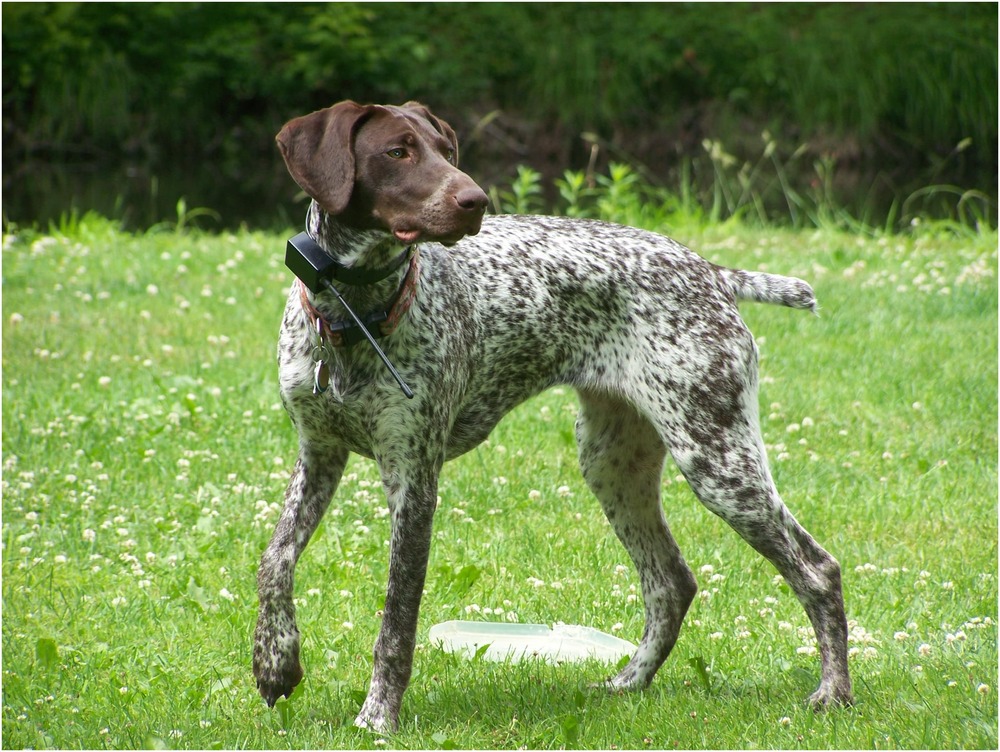
The short coat is straightforward. A weekly brush or grooming mitt is usually enough to lift loose hair and keep the coat glossy. You will still see shedding, but it tends to be manageable, especially if you brush more often during seasonal coat change.
The bigger maintenance jobs are often the ones that are easy to overlook: nails, teeth, and ears. Active dogs can still end up with long nails if they run on soft ground, and nails that are too long can affect movement and comfort.
If your dog is frequently in long grass, scrub, or burr-heavy areas, make a habit of quick post-walk checks. A few minutes looking over feet, ears, and coat can prevent a lot of hassle later.
Diet and nutrition
Feeding an athletic gundog is less about finding one perfect brand and more about meeting the dog in front of you. Appetite, workload, age, and body condition all matter. The most useful benchmark is whether your dog is maintaining a healthy weight, good muscle, steady stools, and a coat that stays in good condition.
The World Small Animal Veterinary Association (WSAVA) encourages an individualised nutrition plan, ideally supported by your veterinary team, using practical tools like body condition scoring and diet history to guide decisions over time.2
Foods to avoid
Some common household foods are dangerous for dogs. For example, grapes and raisins can cause kidney failure, and chocolate is toxic. It is also worth keeping an eye on xylitol (a sweetener found in some products). If in doubt, treat unknown “people food” as a risk until you have checked with a vet.8
Living with an Ariège Pointer
This breed tends to suit people who enjoy doing things with their dog, not just owning a dog. If you hunt, hike, run, or spend weekends outdoors, an Ariège Pointer can be a natural fit. If you are more home-based, it can still work, but it usually means you build movement and scent work into daily life as a non-negotiable.
Because they are relatively uncommon in many countries, it is worth taking your time when looking for a breeder. A good breeder will talk plainly about working instincts, exercise needs, and the realities of living with a pointing dog. They should also be comfortable discussing health screening and how they raise and socialise pups.
When it all comes together, the appeal is easy to understand: a practical, elegant worker that can share family life, provided its instincts and energy have a place to go.
References
- Fédération Cynologique Internationale (FCI): Braque de l’Ariège (Breed No. 177) standard and classification
- World Small Animal Veterinary Association (WSAVA): Global Nutrition Guidelines
- Club du Braque de l’Ariège: Breed club information
- Wikipedia (French): Braque de l’Ariège overview (general background and description)
- Fédération Cynologique Internationale (FCI): Braque de l’Ariège (French entry, recognition details)
- American College of Veterinary Surgeons (ACVS): Canine hip dysplasia overview
- The Animal Medical Center: Ear infections in pets, causes and risk factors
- RSPCA Pet Insurance Australia: Foods and ingredients to avoid feeding dogs