

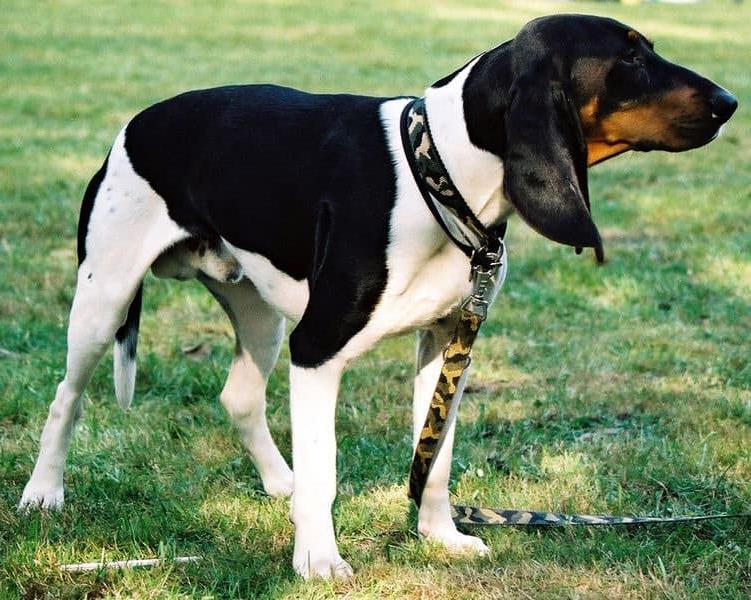
You usually find yourself reading about the Ariégeois after noticing a particular kind of dog: athletic and tidy-coated, with long soft ears and a nose that seems to switch on the moment it hits the ground. Sometimes it is a dog you have met through friends, sometimes it is a photo that looks a bit like a Beagle crossed with a taller French hound, and you start wondering what life with that sort of scent-driven dog is actually like.
It is easy to assume that a hunting hound is either “too much dog” for home life or, on the flip side, that plenty of exercise will automatically make everything smooth. With the Ariégeois, reality sits in the middle. They can be genuinely companionable, but their instincts are practical and persistent, and they do best when their day has structure, safe outlets for sniffing, and enough movement to settle their bodies and minds.
What matters most in practice is not whether the Ariégeois is rare or famous, but whether your home, your routines, and your expectations match a dog bred to work by scent, often in a pack, over varied terrain.
At a glance: Ariégeois basics
- Breed group: Scent hound (FCI Group 6)
- Origin: Ariège, southern France
- Height: Males 52 to 58 cm, females 50 to 56 cm1
- Coat: Short, fine and dense, generally low fuss1
- Colour: White with well-defined black markings, sometimes mottled, with pale tan points on the face1, 2
- Typical lifestyle fit: Often better suited to homes with space and secure boundaries than to busy urban living6
Origins and working background
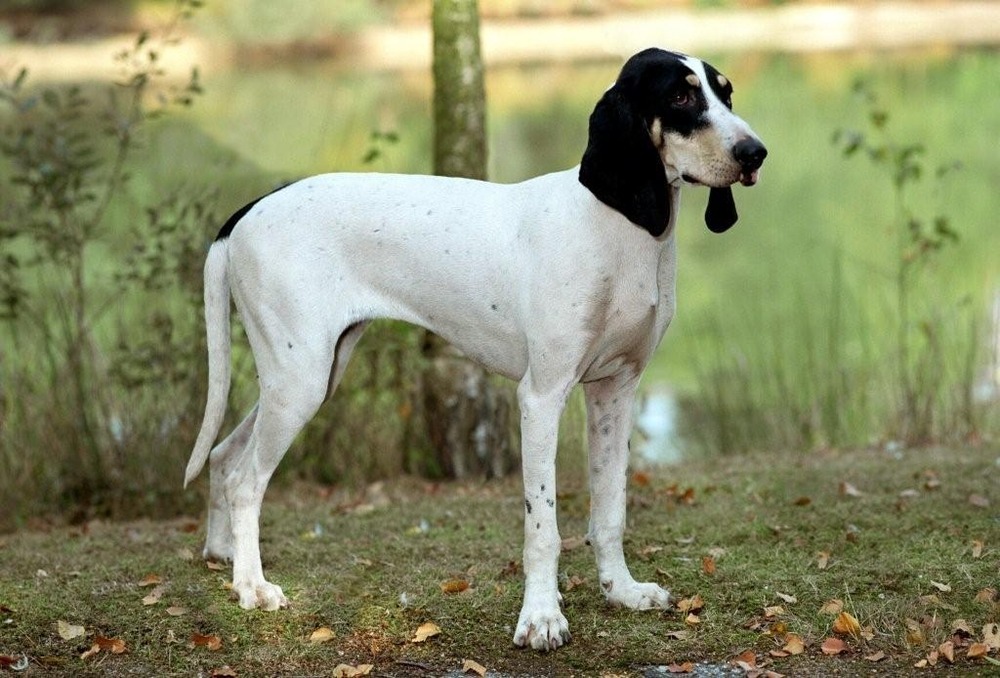
The Ariégeois comes from the Ariège region in southern France and is best understood as a purpose-built scenthound: medium-sized, light in build, and designed to keep going. Breed histories often describe development from regional French hounds such as the Grand Bleu de Gascogne and Grand Gascon Saintongeois, blended with smaller local “briquet” type dogs to produce a more agile pack hound for hare and similar game.6
In practical terms, that background tends to show up as persistent scent-tracking behaviour. Many Ariégeois will happily follow an odour trail with very little regard for how interesting you are at that moment. This is not stubbornness so much as a dog doing what generations of selection prepared it to do.
The breed is recognised internationally through the Fédération Cynologique Internationale (FCI) under Standard No. 20, which describes the Ariégeois as a medium-sized, lightly built French hound with a supple gait and a short dense coat.1
Temperament and day-to-day life
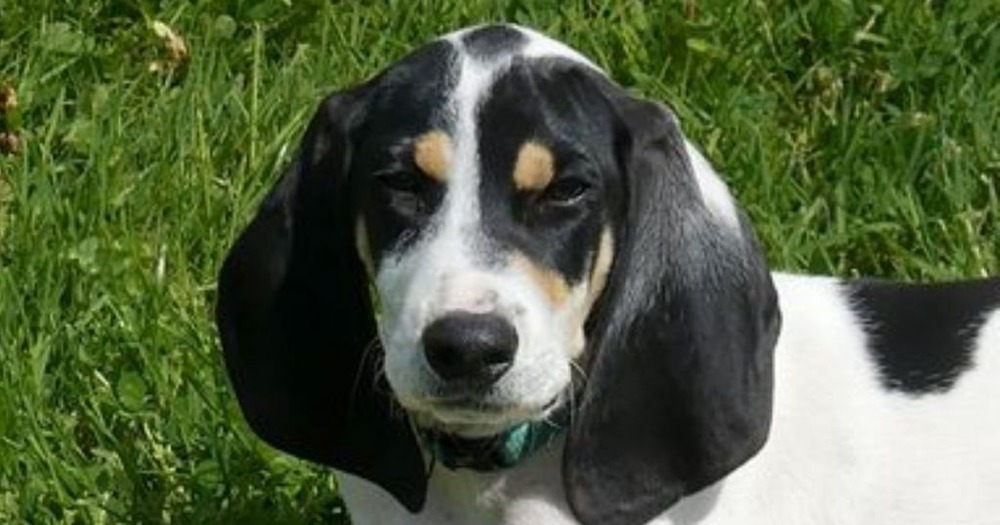
Well-bred hounds are often social dogs, and the Ariégeois is typically described as lively and sociable, with the kind of steady application you see in working pack animals.5 In a home setting, that can translate to a dog that enjoys being near people and other dogs, but still wants a job to do, even if the job is “follow this scent trail” on a long lead.
It also helps to be honest about environment. Many breed overviews note that the Ariégeois can struggle with urban life and is not usually kept solely as a companion dog in the way some smaller scent hounds are.6 That does not mean it cannot live happily in suburbia, but it does suggest you will need secure fencing, thoughtful lead management, and a realistic plan for daily exercise.
Children, visitors, and other pets
As with any breed, the individual dog and its early experiences matter. In general, a well-socialised Ariégeois can be friendly and mannerly with children, but supervision is still important, especially during high-energy play. Their scent drive can also make smaller pets interesting in a way that needs careful management rather than assumptions.
If you already have other dogs, the pack-hound background can be a positive, provided introductions are done calmly and you have enough space and resources so no one feels crowded.
Training that works with a scent hound brain
Training an Ariégeois is often less about teaching intelligence and more about building habits that hold up when the nose is engaged. Positive reinforcement tends to work well with scenthounds, particularly when you can reward focus and recall in low-distraction settings before gradually adding more challenging environments.
A common turning point for owners is realising that “more commands” is not the same as “better real-world skills”. For many Ariégeois, practical training includes:
- Lead skills that make long sniffy walks enjoyable, not a tug-of-war.
- Recall foundations practised at distance, behind fences, and with staged distractions, not only in the backyard.
- Scent-based enrichment (trail games, scatter feeding, hide-and-seek) so the dog can use its strongest sense safely.
It is also worth knowing that timid or overly sharp behaviour is considered undesirable in the breed standard, which reinforces the value of early, gentle social exposure rather than forceful “toughening up” approaches.1
Exercise and enrichment
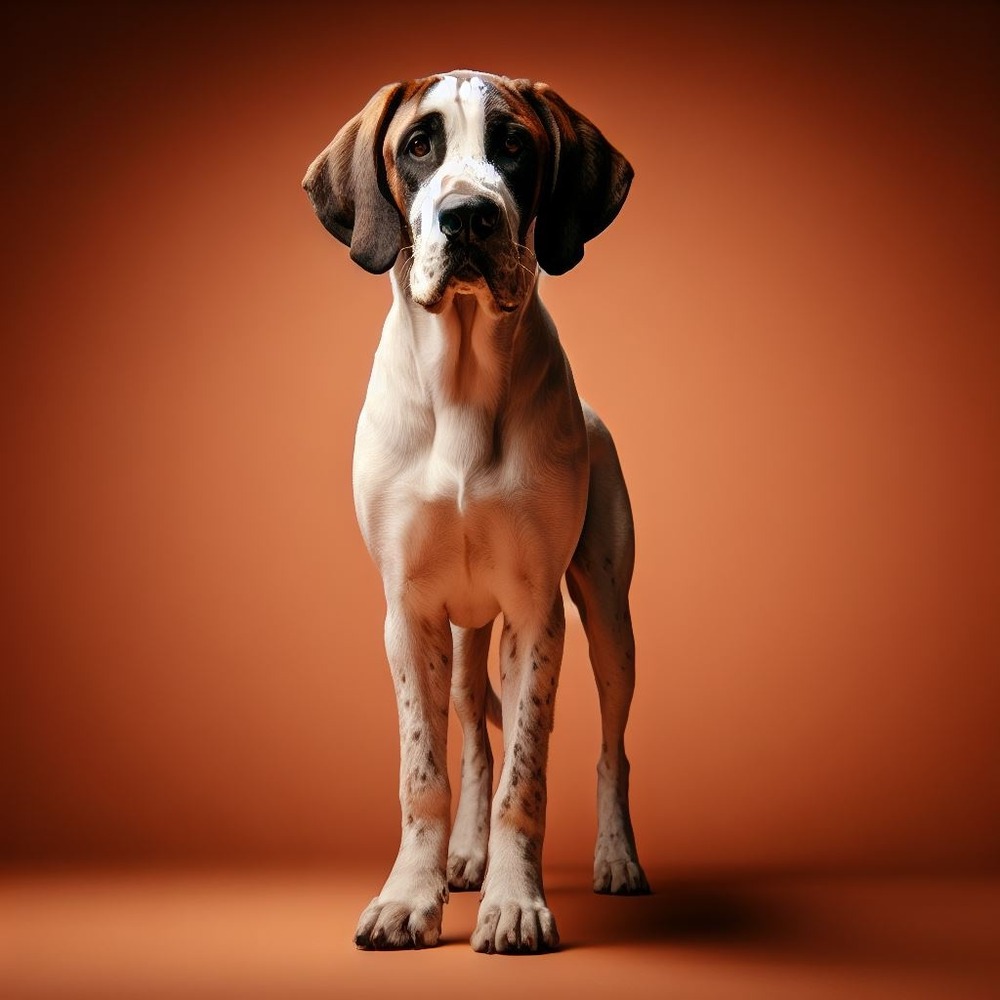
The Ariégeois is typically happiest with daily movement that includes real sniffing time. A brisk walk is useful, but many hounds settle best after a mix of steady exercise and mentally absorbing scent work. In other words, a short run without sniffing can leave the dog physically tired but still mentally busy.
Because scenthounds can be single-minded outdoors, many owners find it helpful to plan exercise around safety rather than hope. A secure area or long lead is often the difference between a relaxed dog and a stressful outing.
Health considerations and lifespan
Reliable, breed-specific health statistics for the Ariégeois are limited compared with very common breeds, but it is still sensible to think in terms of the risks seen in medium to larger athletic dogs and in floppy-eared hounds.
Hips and sound movement
Hip dysplasia is a developmental condition that begins as a dog grows and can lead to joint laxity, pain, and progressive arthritic change over time.7 Not every dog with hip changes will show obvious signs, which is one reason maintaining a healthy body condition and seeking veterinary advice early if you notice stiffness, reluctance to jump, or an altered gait is so important.
Ears and recurrent infections
Long, floppy ears can reduce air circulation and trap moisture, which can make some dogs more prone to ear problems.8 If your dog is getting recurrent ear infections, your vet may recommend a targeted cleaning plan, and in some cases further investigation. Australian veterinary prescribing guidance also highlights that ear disease needs an appropriate approach, particularly if the ear drum may be compromised, because some products can be ototoxic.9
If you are cleaning ears at home, focus on gentle, surface-level cleaning with a dog-specific product, and avoid cotton buds in the ear canal.10
Grooming and everyday care
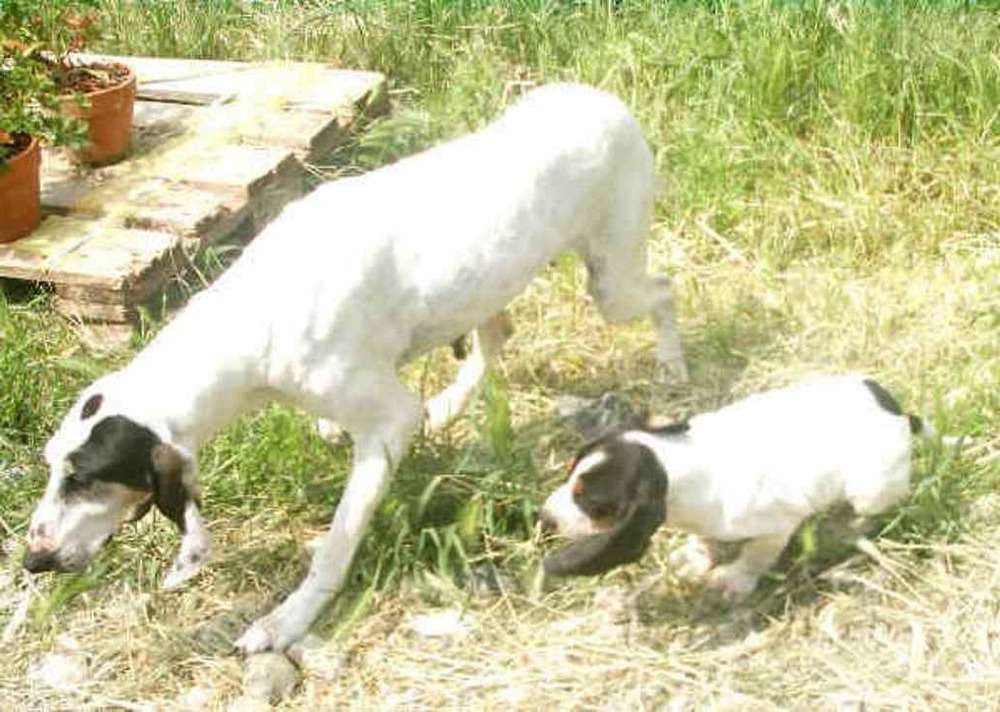
The Ariégeois coat is short and dense, so grooming is usually straightforward. A weekly brush is often enough to lift dead hair and keep the coat looking clean. The bigger routine work tends to be the ordinary basics: nails, teeth, and especially ears, given the ear shape.
Rather than doing everything on a rigid schedule, it often works better to set a calm weekly “health check” routine. A quick look at ears, paws, skin, and body condition can catch small issues before they turn into expensive ones.
Feeding and keeping a healthy body condition
For an active hound, food is not only fuel, it is also one of your most useful training tools. The goal is a diet that supports steady energy without creeping weight gain, because excess weight can worsen the impact of joint problems over time.7
The World Small Animal Veterinary Association (WSAVA) emphasises regular nutritional assessment, including using body condition scoring, as a practical way to tailor feeding to the individual dog rather than relying only on packet guidelines.3
If you are unsure where to start, a helpful, low-pressure approach is to ask your vet to show you how to body-score your dog, then adjust portions gradually. For many owners, that single skill makes feeding decisions simpler and more consistent.
Final thoughts on living with an Ariégeois
The Ariégeois can be a lovely dog for the right home: athletic, social, and built for long days with a purpose. The trade-off is that their strongest trait, the nose, asks you to manage the world a little differently, with more attention to secure spaces, lead skills, and enrichment that lets the dog do what it was bred to do.
If you can make room for safe sniffing and steady exercise, and you enjoy a dog that notices everything the ground has to say, the Ariégeois can be deeply satisfying to live with.
References
- Dogs Global, FCI Standard: Ariégeois (Standard No. 20)
- United Kennel Club (UKC), Breed Standards: Ariegeois
- WSAVA Global Nutrition Guidelines
- United Kennel Club (UKC), Breed Standards: Braque de l'Ariège
- Wikipédia (French), Ariégeois (chien)
- Wikipedia, Ariégeois
- American College of Veterinary Surgeons, Canine Hip Dysplasia
- Dogs Australia, Essential Guide To Canine Care (ears)
- Australian Veterinary Prescribing Guidelines, Companion Animal Medical Guidelines: Ear
- Walkerville Vet, How to clean dog's ears