

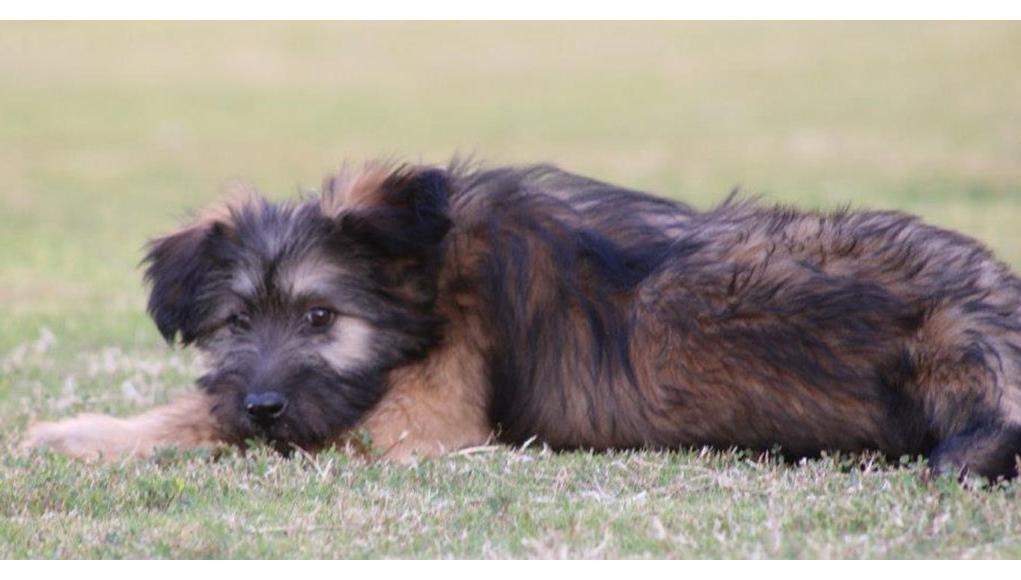
- Breed category: Herding and farm dog
- Country of origin: Egypt
- Typical height: Medium sized (breed descriptions vary)
- Typical weight: About 23 to 29 kg is commonly reported
- Typical lifespan: About 12 to 15 years
- Grooming: Moderate, regular brushing
- Exercise: High, daily movement plus mental work
- Coat: Rough, shaggy, weather resistant
- Common colours: Often black, grey, and yellowish tones, with variation
- Shedding: Moderate
- Best suited to: Active households with space and purpose
Sometimes you notice a dog that does not quite fit the usual pet mould. It watches the world closely, has a body built for work, and seems to settle best when it has something practical to do. People often arrive at the Armant from that kind of curiosity, after seeing one described as an Egyptian sheepdog, or meeting a similar dog and wondering what shaped it.
The common assumption is that a herding dog is simply energetic and clever, and that is true as far as it goes. What gets missed is that working breeds tend to be pattern driven, tuned to movement, boundaries, and routine. With an Armant, understanding that working background matters, because it influences how the dog learns, how it copes with busy environments, and what it needs to feel settled day to day.
The Armant is not a mainstream breed in Australia or the US, and even its early history is described in competing ways. That does not make it less real or less capable. It just means it helps to read about the Armant as a practical farm dog first, and a “rare breed” second.1
Where the Armant comes from, and what we actually know
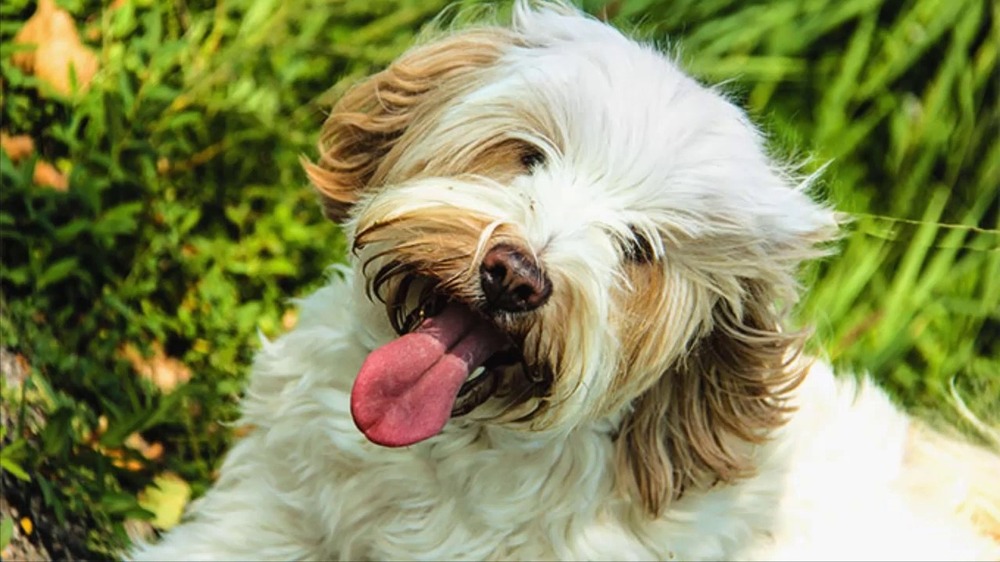
The Armant is a herding and guarding dog associated with rural Egypt, and it is often referred to as the Egyptian Sheepdog. Beyond that, the story becomes less tidy. Some accounts suggest European influence, including a theory linking the breed to French Briard type dogs brought to Egypt in the Napoleonic period. Other accounts argue the Armant is largely African in origin, related to local village dogs, and that the European stories are plausible but not well evidenced.1
In practical terms, these debates tell you something useful. The Armant is best understood as a landrace style working dog that developed around farm needs, climate, and function, rather than a breed shaped for the show ring. That often goes along with a little variation in appearance and size across lines.1
Temperament, instincts, and family life
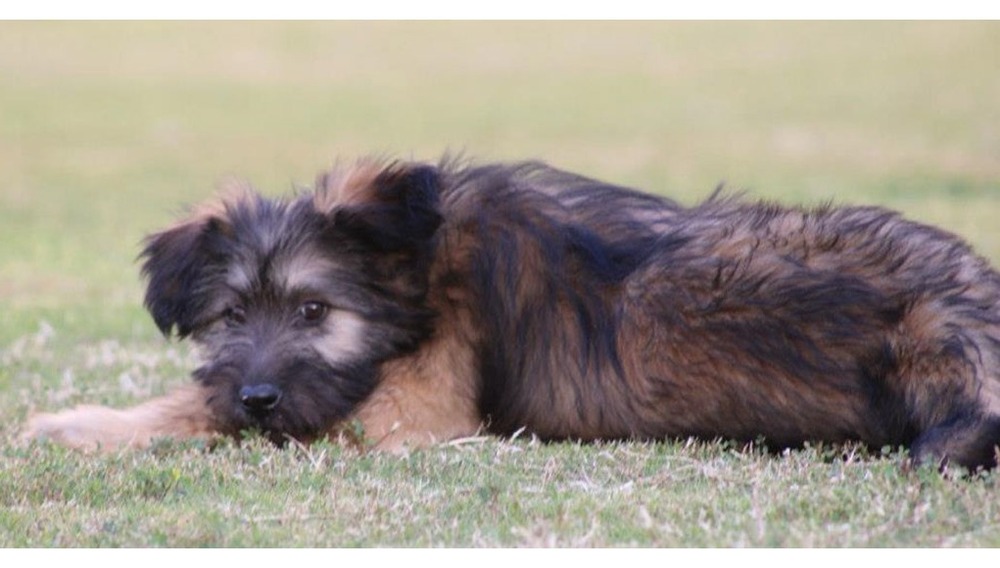
Most descriptions of the Armant converge on a similar picture: intelligent, loyal, naturally protective, and attentive to its surroundings.1 Those traits can make life feel easy with the right match, because you are living with a dog that notices patterns quickly and tends to take its “job” seriously.
That same sensitivity can be challenging in households that are noisy, unpredictable, or short on time. Protective behaviour is not automatically a problem, but it needs shaping, especially around visitors, fences, and high traffic areas. The goal is not to suppress instinct. It is to teach the dog what is and is not its responsibility, using clear routines and reinforcement for calm choices.
Children and other animals
Armants are often described as doing well with children when they are raised with them and given appropriate guidance and supervision. As with any herding type dog, it is worth watching for chasing, circling, or attempts to control movement. These behaviours can look like play at first, then become a habit if they are accidentally rewarded.
With other pets, early introductions and ongoing management matter more than breed slogans. Many working dogs can live peacefully with other animals, but they tend to cope best when the household rules are consistent and the dog has enough structured activity each day.
Training that suits a working mind
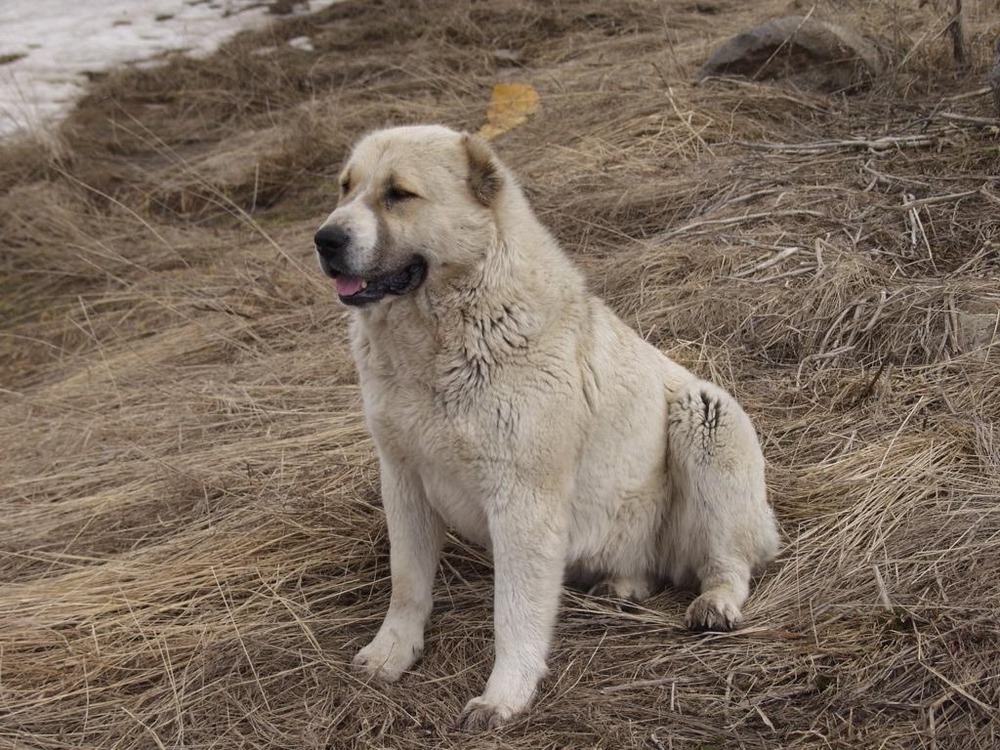
Armants are typically quick learners, but speed is not the same as steadiness. A dog can learn cues fast and still struggle with impulse control, over arousal, or over guarding. The training approach that tends to hold up best is reward based practice that builds skills gradually, in real environments, with repetition and calm handling.2, 3
It is also worth being deliberate about what you avoid. The RSPCA advises steering clear of punitive methods and aversive equipment such as shock devices and prong collars, noting potential welfare impacts and behaviour fallout. In many dogs, harsh handling does not reduce big feelings, it can simply add uncertainty or increase conflict.3
What “a job” looks like in a pet home
For an Armant, “work” does not have to mean livestock. It can mean predictable activities that use the dog’s brain and body in a satisfying way, such as:
- Long sniffy walks plus short training sessions
- Recall games and boundary work in safe areas
- Food puzzles and scatter feeding for calm foraging
- Low impact agility style skills, built slowly
If you only meet physical exercise needs, some dogs still look for a job on their own. That can turn into fence running, barking at movement, or “organising” the household. A little daily training, done well, often reduces those issues more effectively than another fast walk.
Exercise and day-to-day management
Most sources describe the Armant as a high energy dog, and that matches the general pattern for farm herders and guardians.1 In practice, the exercise requirement is not just about kilometres. It is also about how the dog comes down afterwards.
Look for a rhythm where the dog gets movement, social contact, and downtime. Many working breeds benefit from being taught how to rest, with a mat routine, calm enrichment, and a predictable evening wind down. When people say a dog “needs space”, they often mean it needs enough calm space to switch off, not simply a bigger yard.
Health considerations, including hips
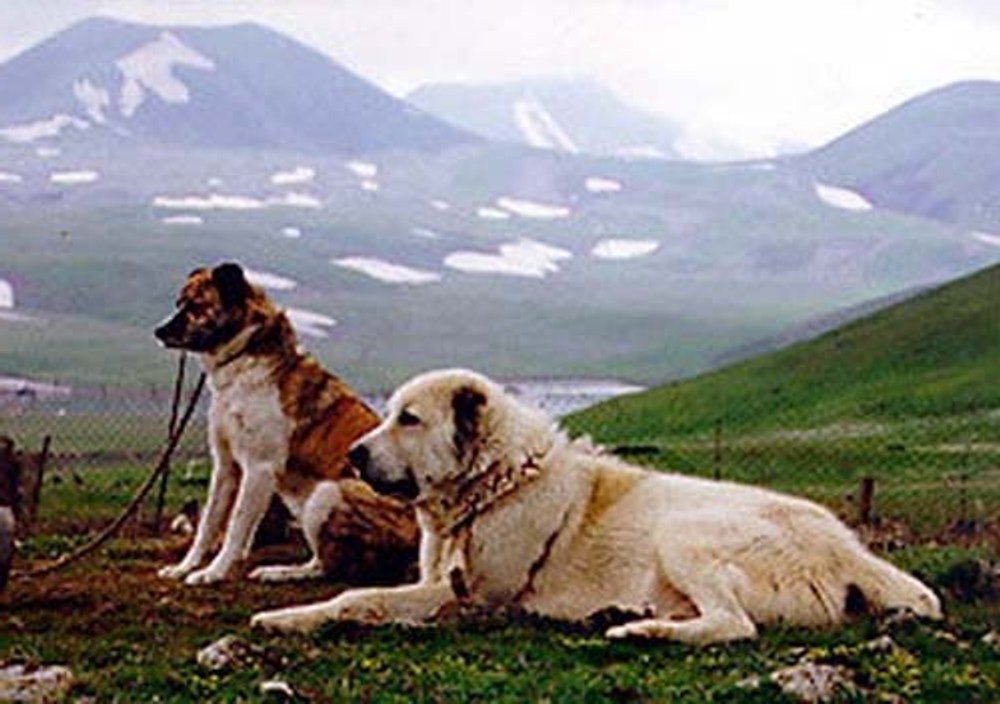
Because the Armant is not widely documented in large veterinary datasets, health claims should be treated carefully. It is often described as generally robust, with some sources mentioning hip dysplasia as a potential concern, which is a common theme across many medium to large working dogs.1
Hip dysplasia is a developmental condition involving an abnormally formed hip joint and can lead to osteoarthritis. Signs can include stiffness, reduced willingness to jump, lameness that is worse after exercise, or a “bunny hop” gait. Diagnosis is typically via veterinary examination and radiographs, and management often includes weight control, appropriate exercise plans, physiotherapy, and medication when needed.4, 5
If you are acquiring a puppy, ask what health screening is actually being done in that line. In many countries, hip evaluation schemes exist (including OFA style radiographic assessment), and while no program eliminates risk, thoughtful selection and good rearing practices can help.6
Coat care, grooming, and the unglamorous basics
The Armant is commonly described as having a rough, shaggy, weather resistant coat.1 In a pet home, this usually translates to moderate maintenance: brushing to prevent knots, extra attention during shedding periods, and the occasional bath when life gets muddy.
Grooming is also your chance to notice small changes early. Check ears, nails, and skin. If the dog is suddenly avoiding brushing or seems sore when handled, that is information worth taking seriously. Many joint and skin issues are easier to manage when you catch them early.
Feeding and nutrition, without the internet noise
For an athletic, working minded dog, the best diet is usually the one that keeps a stable body condition and supports steady energy, without tipping into weight gain. The World Small Animal Veterinary Association recommends routine nutritional assessment and tailoring feeding plans to the individual dog, not just the label on the bag.7
Two practical habits help most owners:
- Measure meals and adjust based on body condition over time
- Keep treats as a planned part of the day, especially if you are training
And it is worth being strict about household hazards. Grapes and raisins, and also onions and related allium vegetables, are among the foods widely advised against for dogs due to toxicity risk.8
Final thoughts on living with an Armant
The Armant tends to suit people who like the idea of a dog that is observant, capable, and engaged with its environment. When you meet that dog’s needs, both physical and mental, you often get a companion that is steady, present, and surprisingly easy to live with.
If you are drawn to the Armant because you want loyalty and intelligence, it helps to also choose it for the less romantic parts: daily training, regular grooming, and a lifestyle that makes room for a dog that notices everything. Done thoughtfully, that is where this breed’s strengths really show.
References
- Armant dog (Egyptian Sheepdog) overview
- RSPCA ACT: Reward based dog training overview
- RSPCA Knowledgebase: Training recommendations and avoiding aversive methods
- Merck Veterinary Manual (Pet Owner): Hip dysplasia in dogs
- American College of Veterinary Surgeons: Hip dysplasia and hip arthritis
- Cornell University College of Veterinary Medicine: Orthopedic Foundation for Animals database and hip radiograph evaluation
- WSAVA: Global Nutrition Guidelines
- ASPCA: People foods to avoid feeding pets