

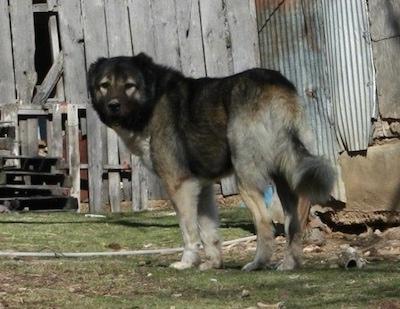
- Breed Category: Working dog (livestock guardian)
- Country of Origin: Armenia (Armenian Highlands)
- Average Height: Males 65 to 75 cm, females 60 to 70 cm
- Average Weight: Males 45 to 60 kg, females 40 to 55 kg
- Average Life Span: About 12 to 15 years
- Grooming Requirements: Moderate, regular brushing
- Exercise Requirements: High, needs daily movement and mental work
- Coat Type: Dense double coat (short or long)
- Coat Colour Variations: Wide range of colours
- Shedding Level: Moderate to high
- Ear Type: V-shaped, medium-sized
- Tail Type: Often carried curled over the back
- Temperament: Loyal, watchful, independent
- Intelligence Level: High
- Barking Tendency: Moderate
- Compatibility with Children: Often good with supervision and sensible boundaries
- Compatibility with Other Pets: Varies, early socialisation helps
- Training Ease: Moderate, best with experienced handlers
- Common Health Issues: Hip dysplasia (risk in large breeds), bloat (GDV)
- Dietary Needs: Balanced, complete diet matched to size and activity
- Energy Level: High
- Drooling Tendency: Low to moderate
- Sensitivity to Weather: Tolerant of cold, needs help in heat
- Overall Maintenance Level: Moderate
- Original Purpose: Livestock guardian
- Apartment Friendly: Usually not ideal
- Best Suited For: Rural or spacious suburban homes
- Cost of Ownership: Moderate to high
- Unique Traits: Strong guardian instincts, landrace variation
People usually stumble onto the Armenian Gampr because they have seen a photo of a powerful mountain dog, heard it described as a “wolfhound” type, or met one that seemed calm one moment and very switched on the next. It can look like a typical “big guard dog” from a distance, but living with a true livestock guardian is a different experience from owning a large pet breed.
A Gampr is shaped by work: noticing what is normal, what is not, and making decisions without constant human direction. That independence can be deeply reassuring in the right setting, and surprisingly challenging in the wrong one. Understanding the breed as a guardian first, and a companion second, helps everything else make sense, from training to exercise to how they greet visitors.
It also matters because “rare” breeds attract myths. Some claims about extreme antiquity or effortless “natural” behaviour get repeated without much checking. The more useful truth is simpler: the Gampr is a landrace livestock guardian from the Armenian Highlands, with real strengths and real needs that deserve clear-eyed planning.1
The Armenian Gampr and where it comes from
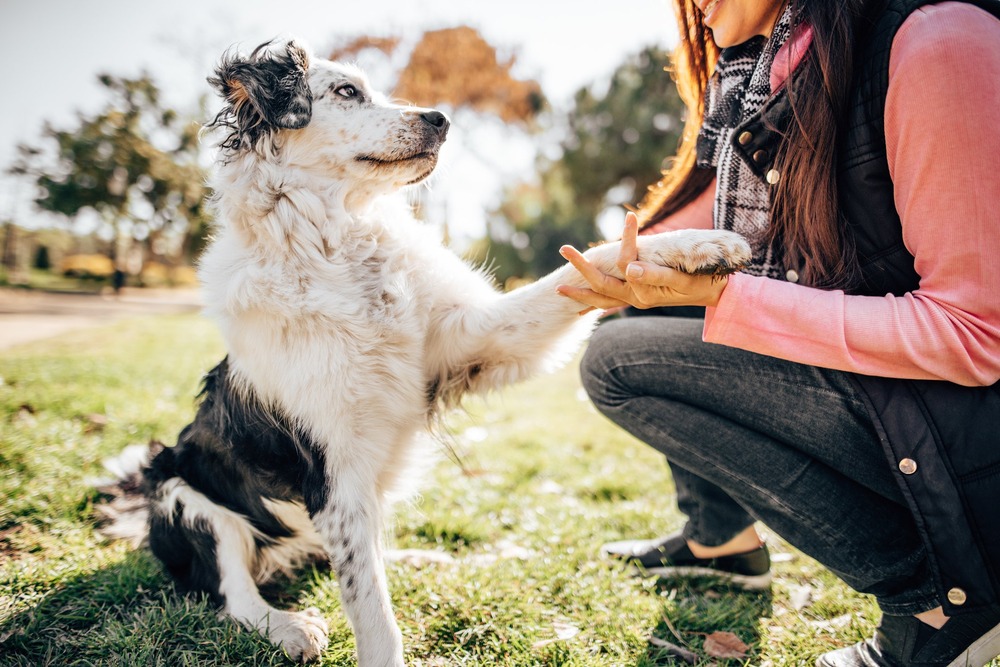
The Armenian Gampr is best understood as a traditional flock guardian dog of the Armenian Highlands. It sits within the broader family of livestock guardian dogs found across the region, and it is often described as a landrace, meaning there can be visible variation in type while still sharing the working purpose and general traits people recognise.1
Unlike breeds developed mainly for the show ring, livestock guardians are shaped by practicality. In working contexts, dogs that cope with weather, terrain, predators, and long hours around stock are the ones that stay. That background helps explain why a Gampr may seem measured and quiet, then suddenly alert when something changes.
You may also see modern recognition referenced in breed discussions. The Gampr has been recognised by the International Kennel Union (IKU) (in 2011), and the Armenian Kennel Club has published a standard. That does not mean every large “Gampr-looking” dog is the same, or that temperament is guaranteed, but it does explain why you will sometimes see formal standards alongside landrace language.1
Temperament, instincts, and what “guardian” really means
Gamprs are often described as loyal and protective. In day-to-day life that can look like a dog that chooses a spot with a view, checks the boundary, and watches visitors carefully before deciding whether they are “part of the picture”. Many owners find that steadiness appealing, especially if they want a dog that is present without being needy.
It is worth holding a gentle distinction in mind: a livestock guardian is not a patrol dog waiting for commands. A working guardian is expected to make its own calls about what is concerning. That can be excellent when the dog has space, a clear routine, and calm handling. It can be messy when the dog is under-socialised, frequently overwhelmed, or asked to cope with high visitor traffic in a tight suburban setting.
Because their job is about assessing what is “normal”, these dogs can be reserved with strangers. That is not a character flaw. It is part of the function. The practical question is whether your household can support a dog that may need slow introductions, thoughtful management at the front gate, and a plan for deliveries and trades.
Family life with a Gampr (children, visitors, other animals)
Many livestock guardian dogs can live well with families, including children, when the adults set the tone. With a Gampr, supervision is not only about safety, it is about teaching the dog what your family considers normal. Children running, squealing, and bringing friends through the house can be confusing for a dog that is wired to notice unusual movement.
For households with kids, it helps to treat “good with children” as a relationship to be built, not a label. Make space for the dog to opt out, avoid rough play, and prevent children from approaching the dog when it is resting or guarding a favourite spot.
With other pets, early socialisation matters, but so does realism. A Gampr may live peacefully with cats, other dogs, and stock, yet still take its boundary work seriously. If you already have small animals or free-ranging poultry, plan for careful introductions and secure areas rather than hoping instinct will sort it out on its own.
Training and socialisation that suits an independent dog
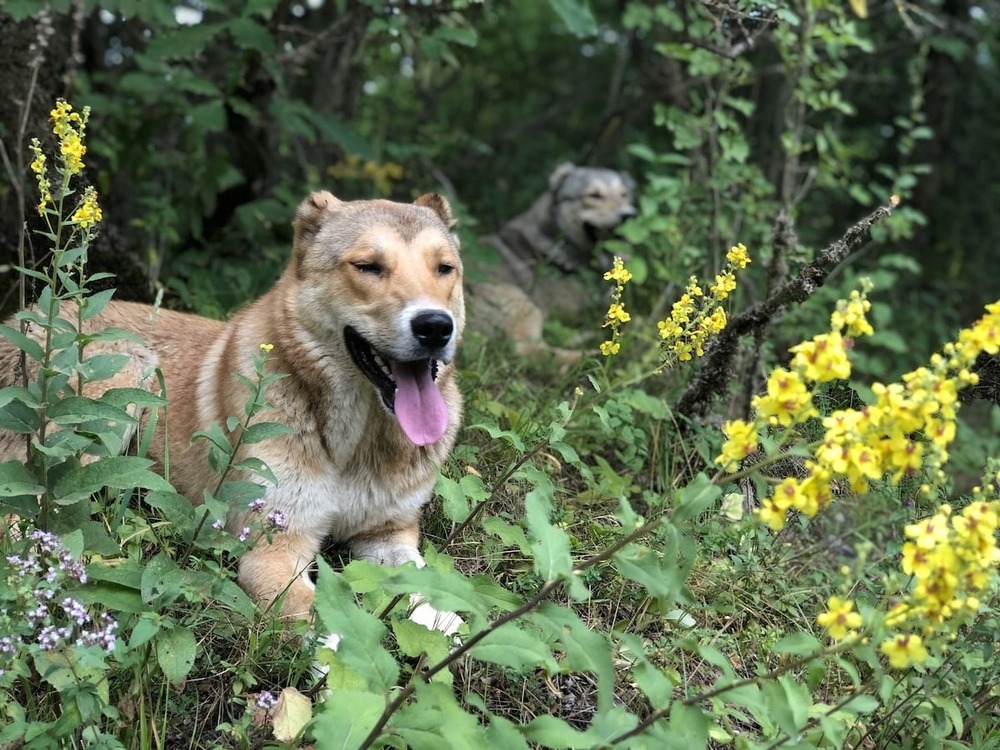
Training a Gampr is usually less about teaching tricks and more about building cooperation: coming when called, settling, walking politely, and staying relaxed around everyday events. Because these dogs can be independent, harsh methods often backfire. A steady approach with rewards, clear boundaries, and calm repetition tends to work better, and it supports the relationship you will rely on as the dog matures.2
Socialisation is also easily misunderstood. It does not mean “meet everyone”. It means helping the dog experience the world at a pace it can handle, so novelty does not automatically become suspicion. Consider a wide range of calm exposures: different surfaces, noises, vehicles, people at a distance, and friendly visitors introduced thoughtfully.
- Start early and stay consistent, especially with boundaries around gates, fences, and visitors.
- Reward the behaviours you want, such as calm watching, checking in, and settling on a mat.2
- Practise handling skills (paws, ears, brushing) in tiny steps so grooming and vet visits are not a wrestling match later.
Exercise, enrichment, and why space matters
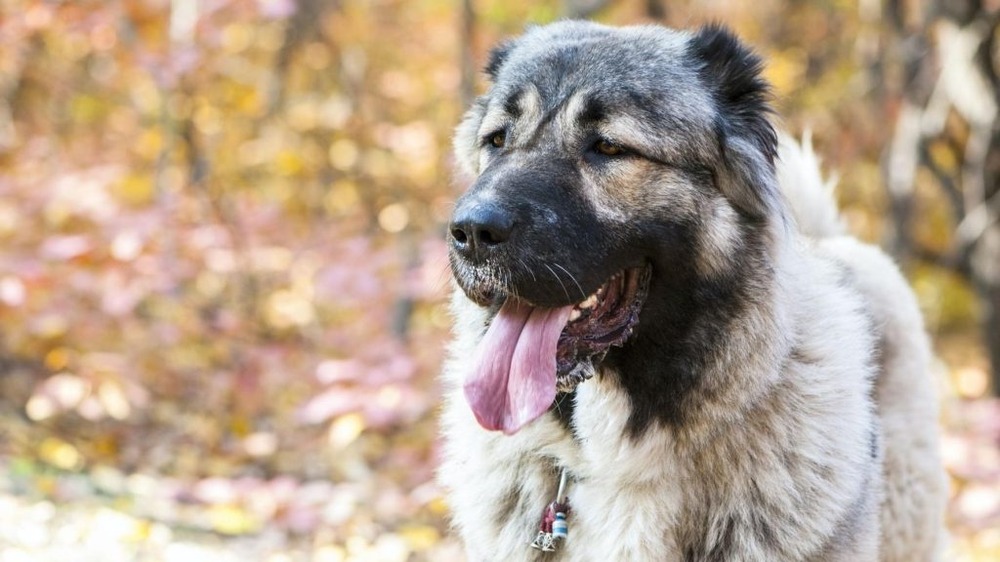
Gamprs tend to need daily movement, but not all exercise is the same. A long, frantic run can create a fitter dog that still feels on duty. Many guardians do better with a blend of walks, sniffing time, and simple jobs that use their brain, such as searching for scattered kibble in grass or learning a calm “place” routine.
Space matters because it reduces pressure. In a small yard with constant foot traffic, a guardian can become stuck in “monitoring mode”. In a larger property, the dog can choose distance, rest away from the fence line, and settle more easily between points of interest. That does not mean they should be left to roam without structure, but it does mean the environment can support steadier behaviour.
If you live somewhere hot, plan exercise times carefully. Thick-coated dogs are at higher risk of heat stress. Walk early or late, offer shade and airflow, and treat heavy panting, drooling, weakness, vomiting, or collapse as warning signs that need immediate cooling and veterinary help.3, 4
Health considerations in a large working breed
No breed is “immune” to health problems, and large dogs come with a few predictable risks. Hip dysplasia is one of the better-known issues across many big breeds. The most practical step is to choose breeders who screen, keep puppies at a healthy growth rate, and avoid pushing heavy exercise on young joints. If you are adopting an adult, a vet check and a sensible fitness plan can make a meaningful difference.5
Gamprs are also often listed as at risk for bloat, more accurately called gastric dilatation-volvulus (GDV). GDV is a life-threatening emergency. It can progress rapidly and needs immediate veterinary care. Risk is influenced by multiple factors, and rapid eating of large meals is commonly associated, so many vets suggest practical precautions such as slowing down meals and avoiding intense activity around feeding times.6
If you are discussing desexing timing, gastropexy, growth, or joint support, use your vet as a partner. These decisions are individual, and they depend on the dog in front of you, not only the breed label.
Coat care, shedding, and everyday grooming
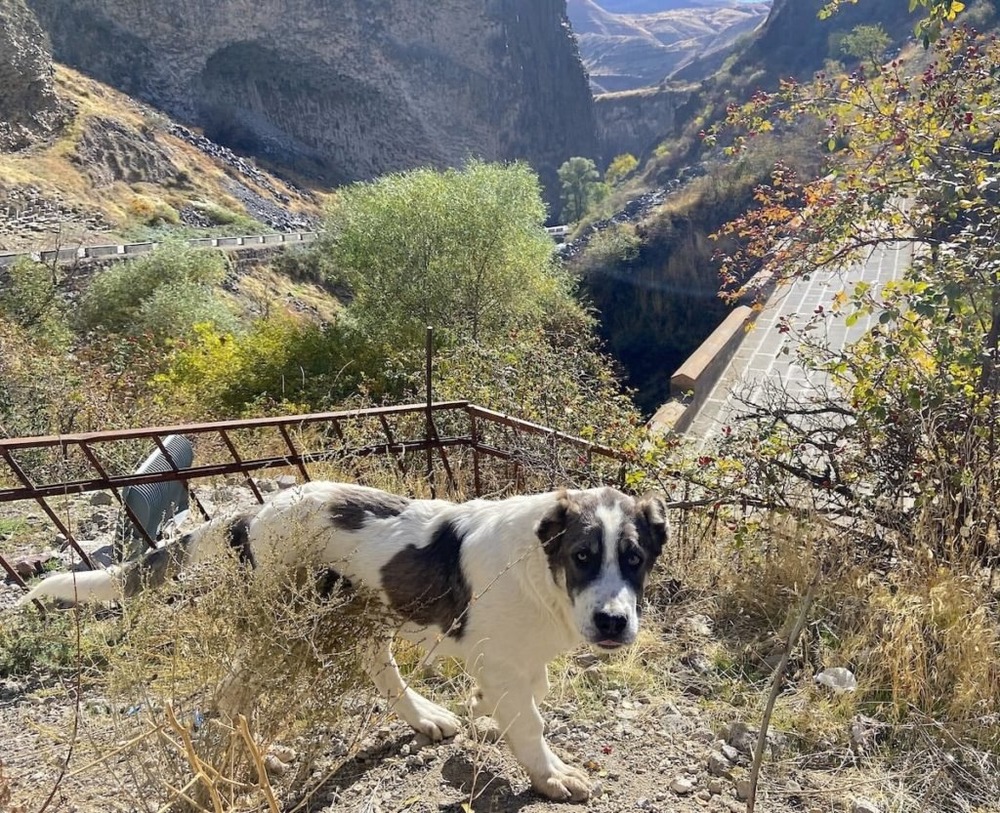
The Gampr’s double coat is practical, not decorative. It insulates against cold, sheds dirt, and can be surprisingly weather-resistant. The trade-off is seasonal shedding and the need for routine brushing. For many dogs, brushing a few times a week is enough, with more frequent sessions during coat blow.
Keep grooming simple and predictable. A slicker brush and an undercoat rake can help, but technique matters more than tools. Check behind the ears, around the tail, and under the collar area for tangles. While you are there, do a quick scan for skin irritation, ticks, and grass seeds, especially after long walks.
Bathing is usually occasional. Over-bathing can strip oils and irritate skin. When you do bathe, rinse thoroughly, and dry well in cooler weather so the undercoat does not stay damp.
Feeding a Gampr: practical nutrition without the hype
Large working dogs need food that supports lean muscle, joints, and steady energy. Many people focus heavily on ingredient lists, but nutrition bodies note that an ingredient list alone can be misleading. It is more useful to choose a diet that is complete and balanced, made by a company with appropriate expertise, quality control, and transparent feeding guidance.7
Portion sizes depend on age, activity, climate, and desexing status. A growing adolescent may look “all legs” for a while, and that is normal. Aim for a visible waist and an easy-to-feel ribcage without a thick layer of padding. If you are unsure, ask your vet to show you what a healthy body condition looks like for your individual dog.
For dogs with fast eating habits, consider a slow feeder or spreading food across multiple bowls. And because GDV is a risk in large dogs, it is sensible to avoid hard exercise straight after a big meal and to learn the early warning signs so you can act quickly if needed.6
Final thoughts
The Armenian Gampr can be an extraordinary companion for the right home: steady, capable, and quietly attentive. The same traits that make them valuable guardians can become difficult in a busy, close-quarters life without clear routines and thoughtful handling.
If you are drawn to the breed, take your time. Meet adult dogs if you can, speak with experienced owners, and be honest about your space, visitor patterns, and willingness to train with patience. When the match is right, a Gampr often brings a sense of calm presence and practical loyalty that is hard to mistake.
References
- Wikipedia: Armenian Gampr
- RSPCA ACT: Dog Training School (reward-based training)
- RSPCA Pet Insurance: Heatstroke guide for cats and dogs
- RSPCA Australia: Warm weather worries, protect pets from heatstroke
- Orthopedic Foundation for Animals (OFA): Hip Dysplasia
- American College of Veterinary Surgeons (ACVS): Gastric Dilatation-Volvulus (GDV) and gastropexy
- WSAVA: Global Nutrition Guidelines
- RSPCA South Australia: Puppy Partnership Program (positive socialisation)