

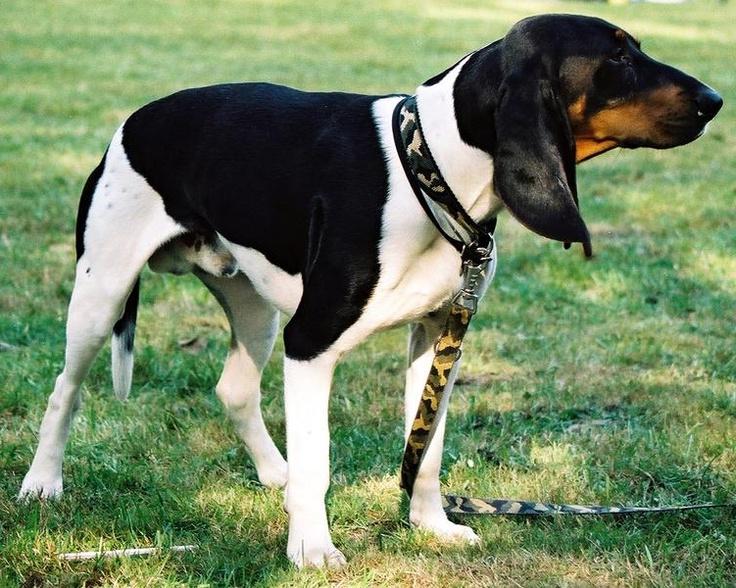
- Breed category: Hound (scent hound)
- Country of origin: France
- Typical height: 53 to 58 cm
- Typical weight: 28 to 30 kg
- Typical lifespan: Around 12 to 14 years
- Coat: Short, dense
- Common colours: Tricolour, often dark fawn tricolour
- Grooming needs: Low, occasional brushing
- Exercise needs: High, daily outlets needed
- Temperament (general): Friendly, intelligent, independent-minded
- Training ease: Moderate, can be single-minded on scent
- Common health watch-outs: Ear problems, joint issues (varies by individual)
- Best suited to: Active households with secure space, people who enjoy training and enrichment
You might come across the Artois Hound because you have seen a photo of a compact, tricolour French hound, or because you have met a dog that seems wonderfully social, then promptly “switches off” the moment an interesting scent appears. That combination can be confusing if you are expecting a dog to behave like a keen-to-please retriever or a biddable herding breed.
Hounds tend to make sense once you stop viewing everything through the lens of obedience. The Artois is a scent hound, shaped by generations of work where following a trail mattered more than checking in. When you live with that kind of dog, day-to-day success usually comes from management plus enrichment, not from trying to out-stubborn a nose.
This is also a rare breed in many countries, which means reliable information can feel scattered. It helps to anchor your expectations in what the breed was designed to do, then translate that into practical routines for exercise, training, health care, and home life.
The Artois Hound in context
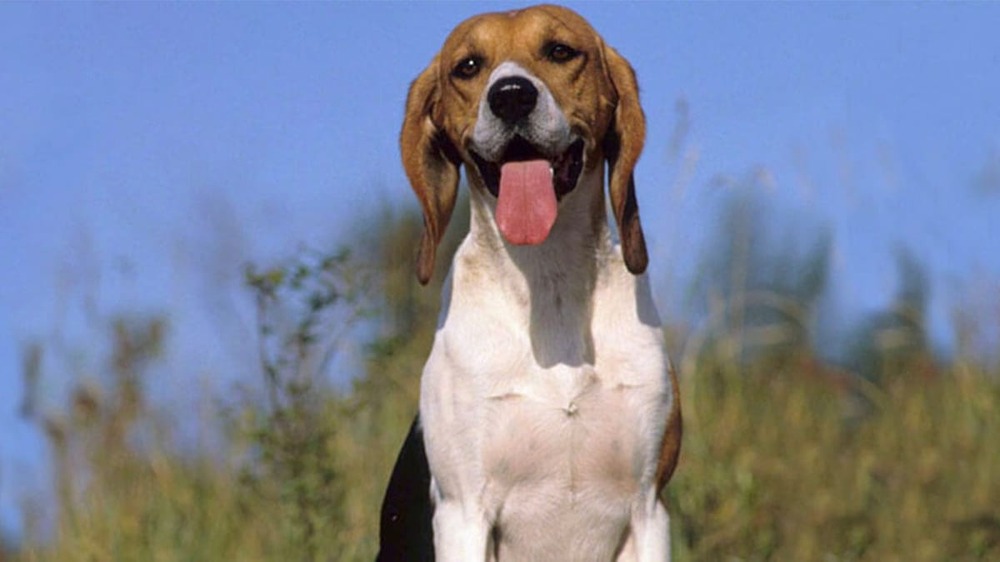
The Artois Hound (Chien d’Artois) is a medium-sized French scent hound in the FCI group for scent hounds and related breeds.1, 2 Breed standards describe a sturdy, muscular dog with a short coat and long, low-hanging ears, built for moving through the countryside with purpose and endurance.1, 2
Historically, Artois Hounds were used as pack hunters, valued for trail work and stamina rather than speed alone. That heritage still shows up in modern home life as a strong interest in scent, a tendency to range if given the chance, and a preference for doing things that feel meaningful to a hound, such as tracking, sniffing, and exploring.2
Most breed summaries put typical adult height around 53 to 58 cm and weight around 28 to 30 kg, which matches the picture many people form when they first meet one: substantial, but not oversized.2
Temperament, social life, and what “friendly” can look like
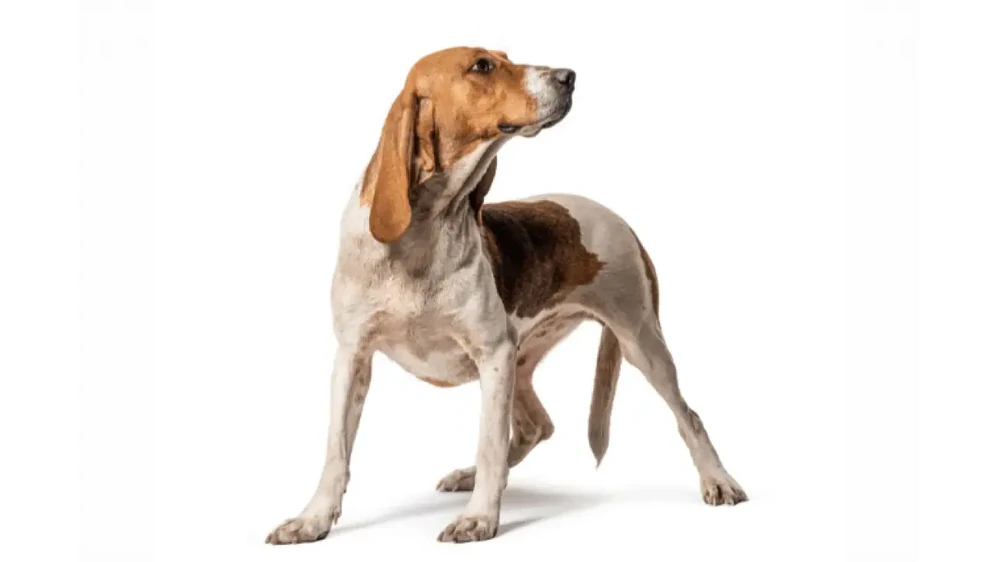
Artois Hounds are often described as sociable and steady. In practice, “friendly” can look like an easy dog around visitors, then a dog who becomes very absorbed outdoors. Both can be true, and neither is a flaw.
Many hounds are comfortable in company, but they can also be independent in decision-making, especially when scent is involved. That independence tends to respond better to thoughtful training plans and good routines than to heavier-handed handling.
Children and other animals
With children, the usual ingredients still matter most: supervision, teaching kids how to interact respectfully, and giving the dog a quiet retreat. With other animals, early socialisation helps, but remember that a scent hound’s interest in movement and smell can become intense in the wrong moment. Management is not pessimism, it is simply good practice.
Training that fits a scent hound brain
Hounds can be trained very well, but they often need training that is worth their time. Reward-based approaches are widely recommended by animal welfare organisations because they support learning without relying on intimidation, pain, or “dominance” narratives.6, 7
For many Artois-type dogs, the most useful early skills are not flashy tricks. They are the everyday foundations that keep everyone safe and relaxed, especially when the environment is exciting.
- Recall with a plan: start on a long line, reward heavily, and avoid calling if you cannot follow through.
- Loose lead walking: teach it as a skill, not a tug-of-war, and allow structured sniff breaks.
- Settle and rest: practise calm behaviour at home so “off switch” becomes familiar.
- Handling tolerance: gently build comfort with ear checks, nail trims, and brushing.
If training feels like it “works indoors but disappears outside”, that is common. Outdoors is more difficult, not because the dog is being difficult, but because the reinforcement available in the environment is enormous for a scent hound.
Exercise and enrichment, beyond just kilometres
Artois Hounds generally need daily exercise, but many do best when exercise includes time to sniff, problem-solve, and use their nose with purpose. The RSPCA notes that enrichment and walks that allow sniffing can support wellbeing and reduce boredom-related behaviour.8
Useful outlets often look simple:
- Long-line “sniffaris” in safe areas (sniffing allowed, pace is the dog’s choice).
- Scatter feeding in grass or a snuffle mat for meals.
- Basic tracking games at home, such as finding hidden treats in boxes.
- Rotating toys and chews so novelty does not disappear after day two.
Because hounds may follow a scent without checking their surroundings, a secure yard and secure fencing matters more than people sometimes expect. If you cannot guarantee containment, lean into lead work, long lines, and controlled enrichment rather than relying on off-lead freedom.
Health considerations and preventative care
No breed is “problem-free”, but you can stack the odds in your favour with sensible routines, appropriate body condition, and early attention to changes in movement, skin, or ears.
Hips and joint comfort
Hip dysplasia is a developmental condition that involves joint laxity and can contribute to pain and arthritis over time. Genetics is a major risk factor, and growth rate and body weight can influence how problems show up.9 If you are choosing a puppy, ask what health screening has been done in the line, and discuss any concerns early with your vet.
Ears and recurrent infections
Long, drop ears can increase susceptibility to ear inflammation and infection in some dogs. If your Artois has frequent head shaking, odour, redness, or discomfort, it is worth a proper veterinary check rather than repeated home cleaning.10 Ear problems can have multiple drivers (including allergy), so long-term improvement often depends on understanding the underlying cause.
Preventative care is not complicated, but it is consistent:
- Regular vet checks, including ears, skin, and body condition.
- Parasite prevention appropriate to your region and lifestyle.
- Dental care from early life, even if the teeth look fine at a glance.
Feeding and keeping an athletic body condition
It is easy to overestimate how much food an active-looking hound needs, especially if treats are doing a lot of training work. A practical way to stay on track is to treat nutrition as something reviewed at vet visits, rather than a set-and-forget decision.
The World Small Animal Veterinary Association (WSAVA) Global Nutrition Guidelines emphasise that nutritional assessment should be part of routine care, and they provide tools to help owners and veterinary teams make more informed choices about diets and feeding amounts.3
If you want one simple priority, make it steady body condition. For joint health, overall comfort, and long-term mobility, staying lean tends to be more helpful than chasing supplements.
Final thoughts
The Artois Hound is a dog for people who like dogs as they are, not as they are imagined to be. If you enjoy walking, can provide safe containment, and are willing to meet a scent hound on its own terms, this breed can be an engaging companion.
When life with an Artois goes well, it is usually because the household has made room for what the dog is built to do: move, sniff, learn through rewards, and come home to a calm, predictable routine. That balance is the care.
References
- FCI: Chien d’Artois (Artois Hound), breed nomenclature entry
- Artois Hound overview (Wikipedia, with FCI standard links)
- WSAVA Global Nutrition Guidelines
- United Kennel Club (UKC): Chien d’Artois breed standard summary
- RSPCA ACT: Reward-based dog training (positive reinforcement)
- RSPCA Knowledgebase: Training recommendations and avoiding aversive methods
- RSPCA Knowledgebase: Why the RSPCA supports reward-based training
- RSPCA Australia: The importance of enrichment for dogs (including sniffing on walks)
- American College of Veterinary Surgeons (ACVS): Canine hip dysplasia overview
- Merck Animal Health: Pet ear infections and risk factors (including long ears)