

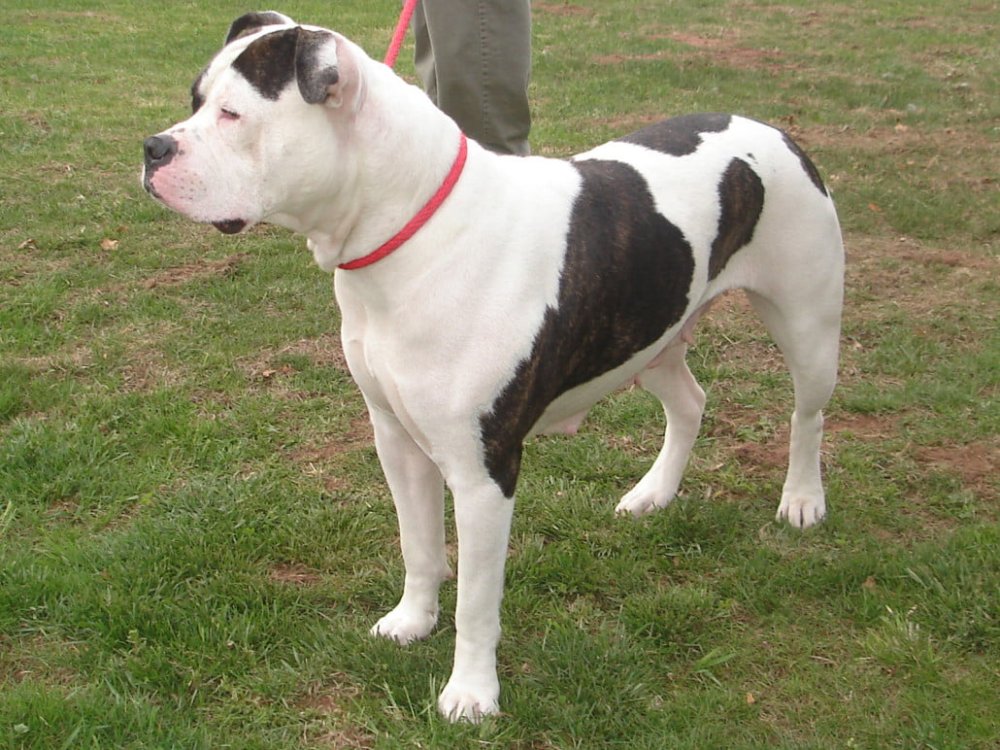
People usually start looking up the Australian Bulldog after noticing a particular kind of “bulldog” around the neighbourhood, sturdy, sociable, a bit less extreme in shape than the old-fashioned English Bulldog, and often advertised with big promises about being “healthier” and “better in the heat”. It can be hard to tell what’s marketing, what’s breeding goals, and what actually matters day to day when you are living with the dog.
The truth is more ordinary, and more useful. The Australian Bulldog is a relatively recent Australian-developed type, shaped by breeders who wanted a companion dog that could cope better with local conditions, while still looking and behaving like a bulldog. That aim helps explain why these dogs often suit family life well, and also why it is still important to think carefully about heat management, weight, skin care, and breathing in any short-nosed dog.1, 6
If you are considering one, or already share your home with one, the most practical question is not whether they are “easy”. It is whether their needs and your routine line up, especially around training consistency, keeping cool, and everyday health habits that make a real difference over years.
At a glance: the Australian Bulldog in daily life
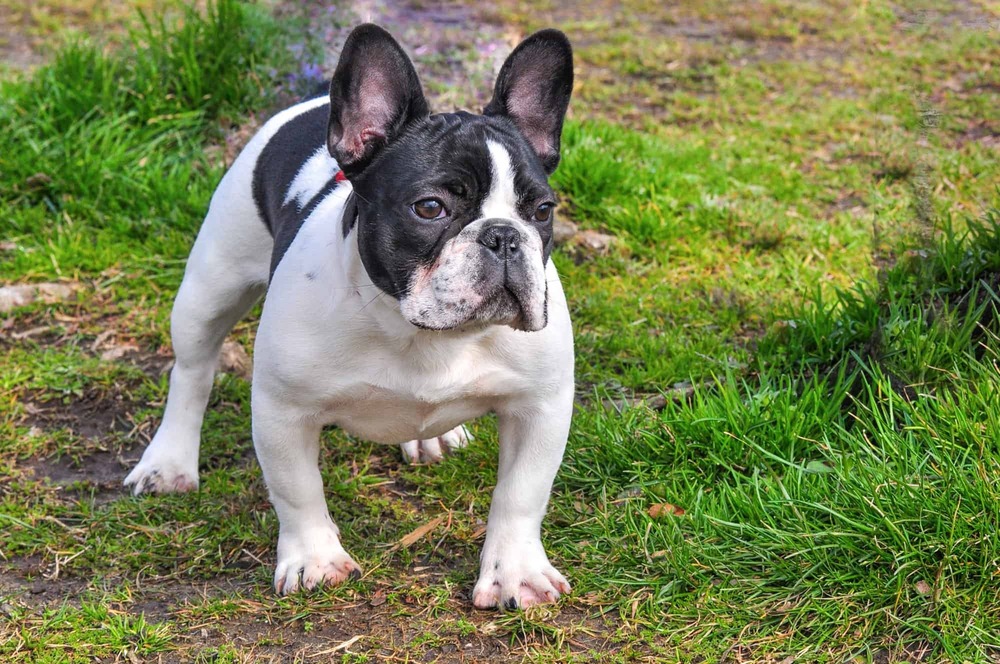
The Australian Bulldog is commonly described as a medium-sized companion dog with a solid, muscular build, a short smooth coat, and the familiar bulldog head and facial wrinkles. Many owners are drawn to them because they can be affectionate and people-focused, without needing hours of running each day.
- Size: often around 44 to 50 cm at the shoulder, commonly 25 to 35 kg (varies by line and body condition).
- Coat: short, smooth, moderate shedding.
- Common colours: brindle, fawn, white, pied.
- Energy: generally moderate, most do well with daily walks and play.
- Heat: many are heat sensitive due to brachycephalic traits, even if they are marketed as more robust than some other bulldogs.6, 7
One important note on names: some breeder and registry groups use different labels for related lines. For example, the Australasian Bosdog Society describes a history in which “Australian Bulldog” was used earlier, with a later name change to “Australasian Bosdog” in 2011 in their organisation.1 In practice, you may see both terms used depending on the breeder and paperwork.
Where the breed came from, and why it is still a bit complicated
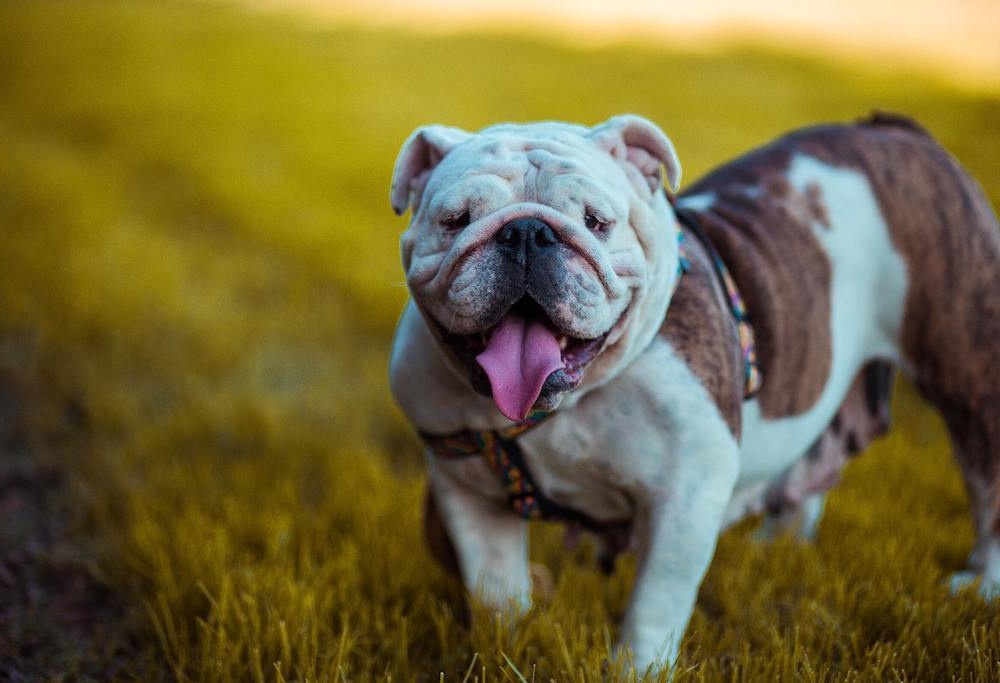
The modern “Australian Bulldog” story is usually placed in the late 1990s, with breeders cooperating to develop a bulldog-type companion better suited to Australian conditions, and keeping records through breed clubs and stud book registers.1 It is not an ancient, fixed breed in the way some older kennel club breeds are.
You will also come across references to breeders who helped shape the name and early direction of “Aussie Bulldog” lines, including Noel and Tina Green, alongside other breeding programs mentioned in club histories and registry discussions.2, 3
That living, still-evolving history is not a reason to dismiss the dogs. It just means you should treat big claims gently, ask to see health testing and lineage documentation, and focus on what matters most, sound structure, breathing comfort, and the everyday temperament that fits your household.
Temperament and behaviour: what owners often notice
Most Australian Bulldogs are kept as companion animals, and many are described by clubs and owners as friendly, people-oriented dogs who enjoy being near the family. In the home, that often looks like following you from room to room, settling nearby, and wanting involvement more than independence.
They are often steady with children when they are well socialised and supervised, though any dog can be overwhelmed by rough handling or constant noise. It helps to set the household up so the dog can choose calm contact, not be cornered for cuddles.
With other pets, early socialisation matters. Bulldogs can be sociable, but they are still powerful dogs, and play can become physical quickly. A simple rule of thumb is to reward calm curiosity early, and interrupt pushy behaviour before it becomes a habit. Gentle structure tends to work better than trying to “out-stubborn” them.
Training and exercise that suits a bulldog body
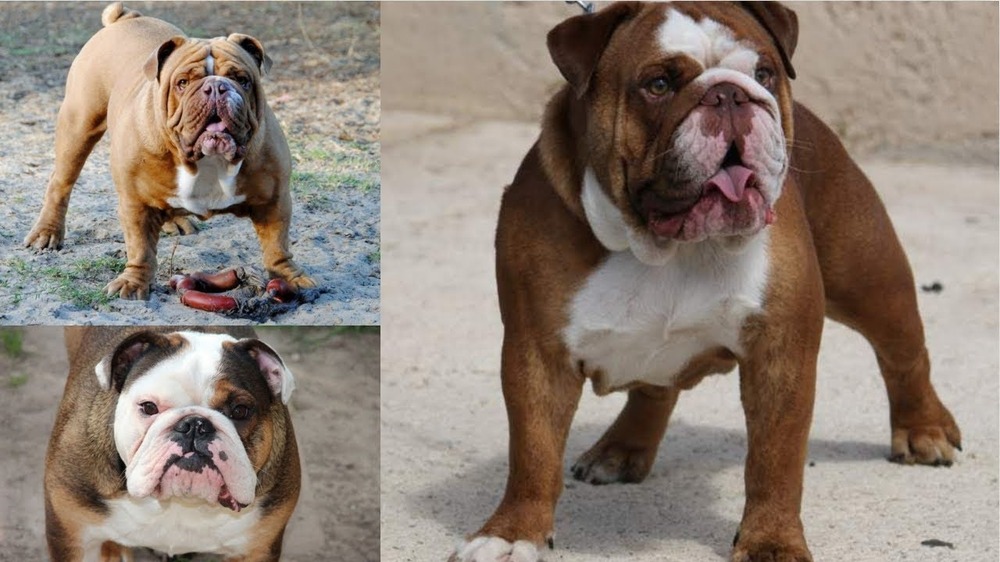
Australian Bulldogs often respond best to training that is consistent, upbeat, and short enough that they do not mentally switch off. Food rewards can be very effective, but you will want to balance that with weight management, especially as bulldog types can gain condition easily.
A good daily rhythm for many looks like:
- One or two moderate walks, adjusted for the weather.
- Brief training “micro-sessions” (one to three minutes) across the day.
- Low-impact games at home, including gentle tug, sniffing games, and basic cues for calm behaviour.
Be cautious with prolonged high-intensity activity, especially in warm or humid conditions. Flat-faced dogs are at increased risk of overheating, and exercise should be moved to cooler parts of the day when needed.6, 7
Health considerations: breathing, heat, skin, hips, and weight
Some people choose Australian Bulldogs hoping for fewer health problems than more extreme bulldog lines. That can be true in individual dogs, especially when breeding prioritises function, but it is not automatic. It is still wise to assume you will need to manage the classic bulldog topics with care.
Brachycephalic traits and heat management
Many Australian Bulldogs have a short muzzle and a heavy, muscular build. Those features can make cooling less efficient, and heat risk can rise quickly in Australian summers. RSPCA guidance for hot weather includes avoiding exercise in the heat of the day, providing shade and water, and watching for signs of heat stress or heatstroke.6, 7
If you notice heavy panting that does not settle, distress, weakness, vomiting, or collapse, treat it as urgent. Cooling with tepid water and seeking veterinary help promptly is recommended, even if you are not sure it is “serious yet”.7
Skin folds, ears, and everyday irritation
Wrinkles are part of the look, but skin folds can trap moisture and debris. Keeping folds clean and thoroughly dry helps reduce flare-ups. If you see redness, odour, or persistent scratching, a vet check is sensible, as skin disease can become chronic if it is managed late.
Hips and joints
Hip dysplasia is often mentioned in bulldog-type dogs, and joint comfort can be influenced by genetics, growth rate, and body weight. If you are buying a puppy, ask what screening the breeder does and what they see most commonly in their lines. If you already have an adult dog, keep exercise low-impact and avoid repeated jumping down from high surfaces.
Weight: the quiet driver of many problems
Extra weight tends to amplify heat stress, breathing effort, joint strain, and skin issues. RSPCA Australia and the University of Sydney’s Veterinary Teaching Hospital both emphasise routine, appropriate portions, and regular activity as practical ways to prevent obesity.5, 8
If you want one simple boundary that helps, keep “extras” genuinely small. The American Animal Hospital Association (AAHA) nutrition and weight management guidelines also recommend keeping treats to no more than 10% of daily calories to avoid unbalancing the diet.9
Grooming and care routines that actually hold up
The coat itself is usually straightforward, a weekly brush removes loose hair and supports skin health. The parts that matter most are often the unglamorous ones, nails, ears, teeth, and skin folds.
- Coat: weekly brushing, more often during seasonal shed.
- Skin folds: check frequently, clean as needed, and dry well.
- Ears: keep clean and dry, especially after bathing or swimming.
- Nails: trim regularly so the feet sit naturally.
If your dog is itchy or has recurrent ear or skin infections, nutrition can be part of the picture, but so can underlying allergies or infections. Rather than endlessly switching foods, it is often more productive to work with your vet on a clear plan.
Feeding an Australian Bulldog without creating food stress
Most Australian Bulldogs do well on a complete, balanced diet that suits their life stage and activity level. The University of Sydney’s Veterinary Teaching Hospital notes that obesity prevention is supported by an appropriate balanced diet, routine meal times, and regular exercise, with feeding amounts depending on size, age, and breed.8
In many households, twice-daily meals are a workable pattern once the dog is past the young puppy stage. Treats are not the problem in themselves, but they need to be counted as part of the overall intake. If several people feed the dog, a simple fridge checklist can prevent accidental double dinners.
If you are considering home-prepared or raw diets, get veterinary advice. The University of Sydney’s guidance cautions that it is difficult to meet all nutritional requirements with home made diets and warns against feeding raw meat due to pathogen risks, particularly for puppies and households.8
Choosing a puppy or adult dog responsibly
Because the Australian Bulldog world includes multiple clubs and registries, the safest approach is to focus less on labels and more on evidence of thoughtful breeding and care.
Helpful things to ask for include:
- Health testing and outcomes relevant to the parents.
- Clear information on breathing, heat tolerance, and how the dogs cope in summer.
- Details of early socialisation and how pups are raised in the home environment.
- Transparent paperwork, including what club or registry the breeder uses, and what that means for recording ancestry.2, 1
If you are adopting an adult, you can often learn more in a week of calm observation than from any description. Watch how the dog settles after a walk, how quickly breathing returns to normal, and whether skin and ears look comfortable.
Final reflections
The Australian Bulldog tends to suit people who like a dog with presence and personality, but who also appreciate a steady routine. Their needs are not complicated, but they are specific: steady training, careful heat management, and a sensible approach to food and weight.
When those basics are in place, many Australian Bulldogs fit neatly into family life, close to their people, happy with moderate exercise, and content to be part of whatever the household is doing.
References
- Australasian Bosdog Society, Breed History
- Aussie Bulldog Club of Australia (ABCA), official site
- NEBKC, Bulldog origin (includes “Aussie Bulldog” background)
- RSPCA Australia, 4 ways to avoid obesity in your dog
- RSPCA Australia, Five ways to keep your animals safe on hot days
- RSPCA NSW, Heat stress advice (including brachycephalic breeds)
- RSPCA Australia, Keeping your pet safe during the heat
- The University of Sydney, University Veterinary Teaching Hospital, Diet and preventative health
- American Animal Hospital Association (AAHA), Nutrition and Weight Management Guidelines: Prevention of obesity