

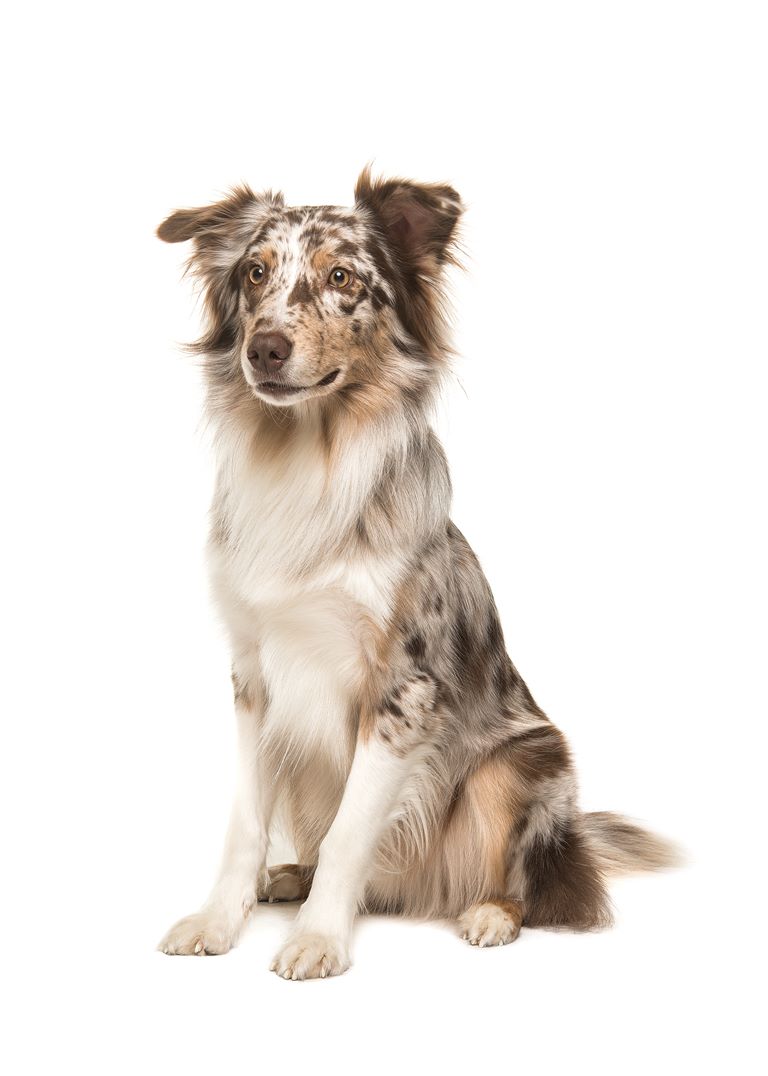
You might meet an Australian Shepherd at the park and come away a little puzzled. They can look like a compact, fluffy dog with a striking coat and bright eyes, but what stands out is the way they move through the world, scanning, circling, ready to do something. People often assume that energy like that is just “needs a run”, then wonder why their dog is still restless after a long walk.
With Aussies, it helps to think in terms of purpose rather than kilometres. This is a herding breed shaped to notice detail, respond quickly, and keep going. When that wiring fits the home, they are wonderfully engaging companions. When it does not, they can become busy, barky, and inclined to organise the household in ways you did not ask for.
The other surprise is the name. The Australian Shepherd is strongly associated with Australia in popular culture, but the breed was developed in the United States, alongside livestock work in the American West.1, 2
Early development and working roots
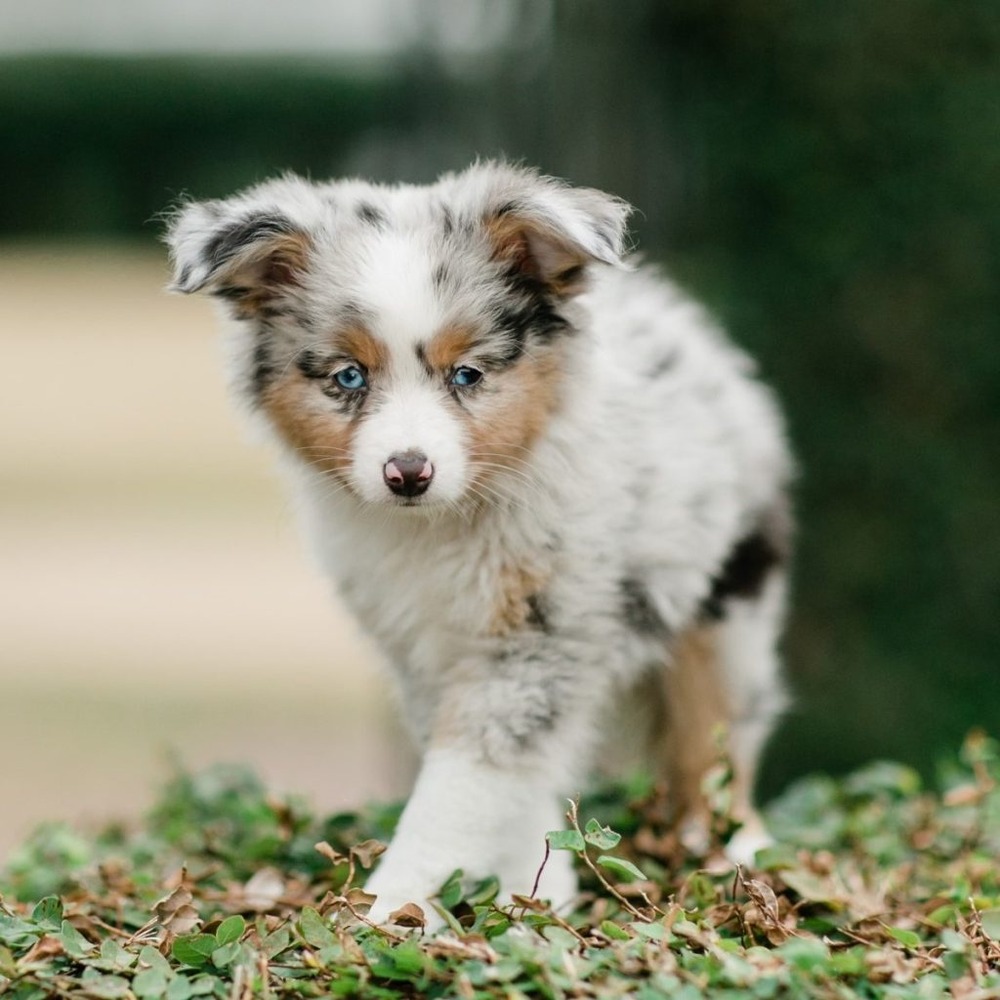
Australian Shepherds were developed as practical stockdogs. Their hallmark is not a single “look”, but a combination of moderate size, stamina, and agility that supports long days of movement and quick decision-making around livestock.2
In the US, the breed’s history is often discussed alongside ranching culture and sheep work, with the Australian Shepherd Club of America (ASCA) formalising a breed standard to describe what a useful working Aussie looks like in body and movement.2
Recognition and the modern Aussie
Over time, Australian Shepherds moved from being primarily working dogs to also being common in sport and family homes. In the United States, the American Kennel Club lists the Australian Shepherd in the Herding Group and notes formal recognition in 1991.1
Appearance and the traits people notice first
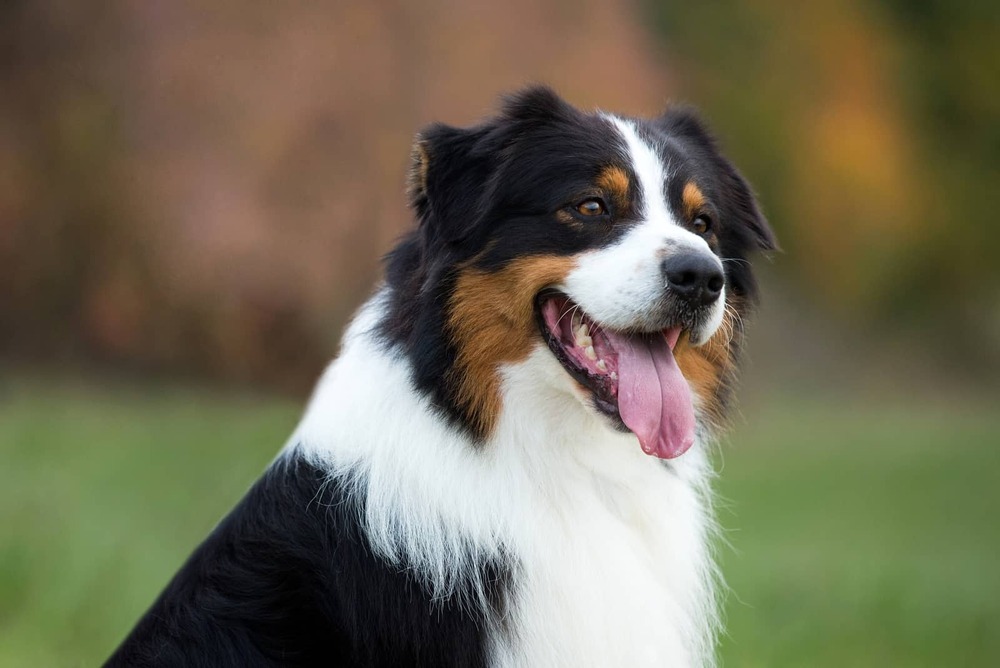
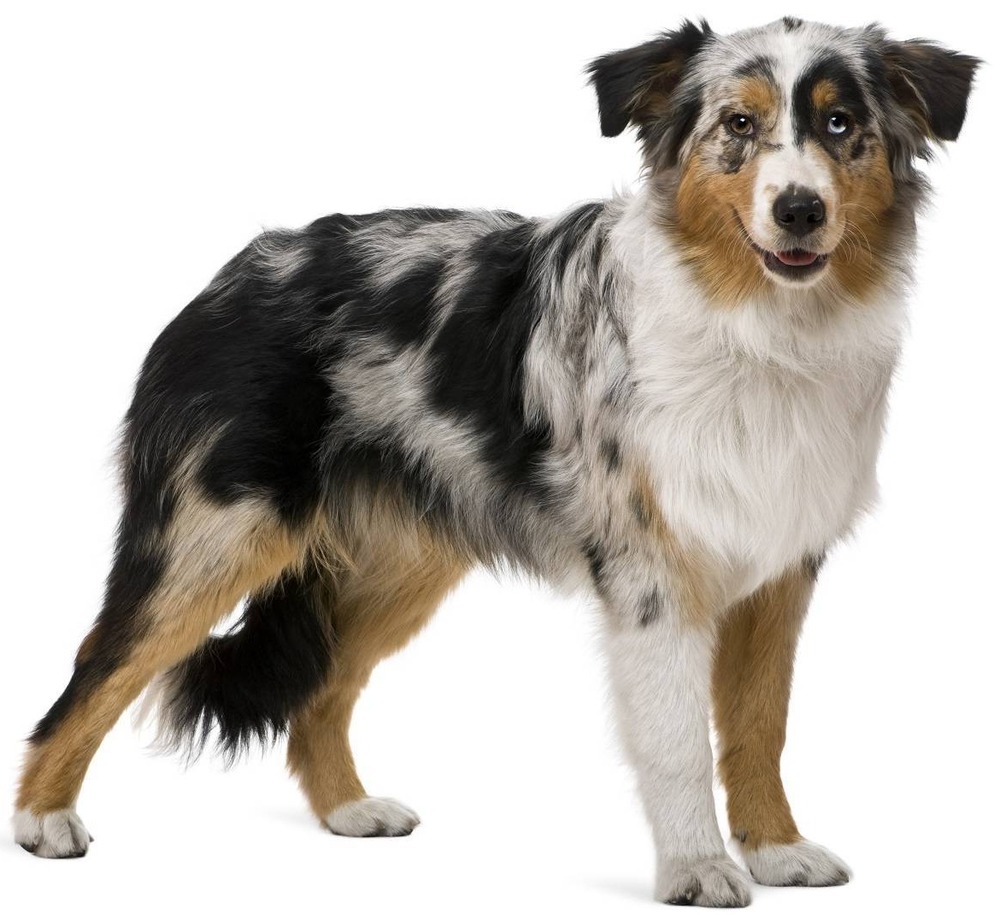
Most Aussies sit in the medium-sized range, with a weather-resistant double coat and a balanced, athletic outline. The coat can be blue merle, red merle, black, or red, often with white and tan points. Eye colour varies too, including brown, blue, and occasionally one of each.1, 2
One physical feature that gets a lot of attention is the tail. Breed standards describe the tail as naturally bobbed or docked (with a short length specified in the standard).2 In everyday life, you may still see Aussies with longer tails, depending on local docking rules and breeding choices.
Natural bobtail, and why breeders treat it carefully
Natural bobtail (NBT) occurs in Australian Shepherds, but it comes with genetics that require care. ASHGI notes that the bobtail gene is an incomplete dominant, and inheriting two copies is not viable, which is one reason ethical breeders plan matings thoughtfully and avoid NBT to NBT pairings.3
Temperament, behaviour, and what “high intelligence” can look like at home
People call Aussies “smart”, but in practice that often means fast pattern-learning and a strong interest in movement. They are typically responsive to training and can be deeply engaged with their people, especially when daily life includes clear routines and jobs to do.1, 2
It also means they can rehearse behaviours you did not mean to teach. If the dog learns that barking makes the kids move, or that nipping heels makes a running game more exciting, those patterns can become habits. This is not “spite” or “dominance”, it is a working dog doing what working dogs do when they are under-directed.
Children, visitors, and other pets
Many Australian Shepherds live well with children and other animals, particularly with early socialisation, supervision, and teaching kids how to interact safely. Herding behaviours, such as circling and chasing, can show up around fast-moving children, scooters, and noisy games. The aim is to redirect that drive into structured play and training, not to punish the dog for being a herding breed.
Training and exercise that actually satisfies an Aussie
Aussies do best with a mix of physical activity and mental work. Long walks can help, but they rarely solve the whole picture on their own. Think in terms of exercise plus skill, like recall games, nose work, trick training, obedience foundations, or dog sports.
Short, regular sessions usually outperform the occasional big outing. Many handlers find that a dog who gets to practise self-control, settle on cue, and think through small challenges is easier to live with than a dog who only ever “blows off steam”.
Socialisation: calm exposure, not overwhelm
Early socialisation matters, but it does not need to be chaotic. The goal is safe, gradual exposure to people, surfaces, sounds, handling, and other dogs, paired with good outcomes. This supports confidence and reduces the risk of reactivity later on.
Health considerations and lifespan
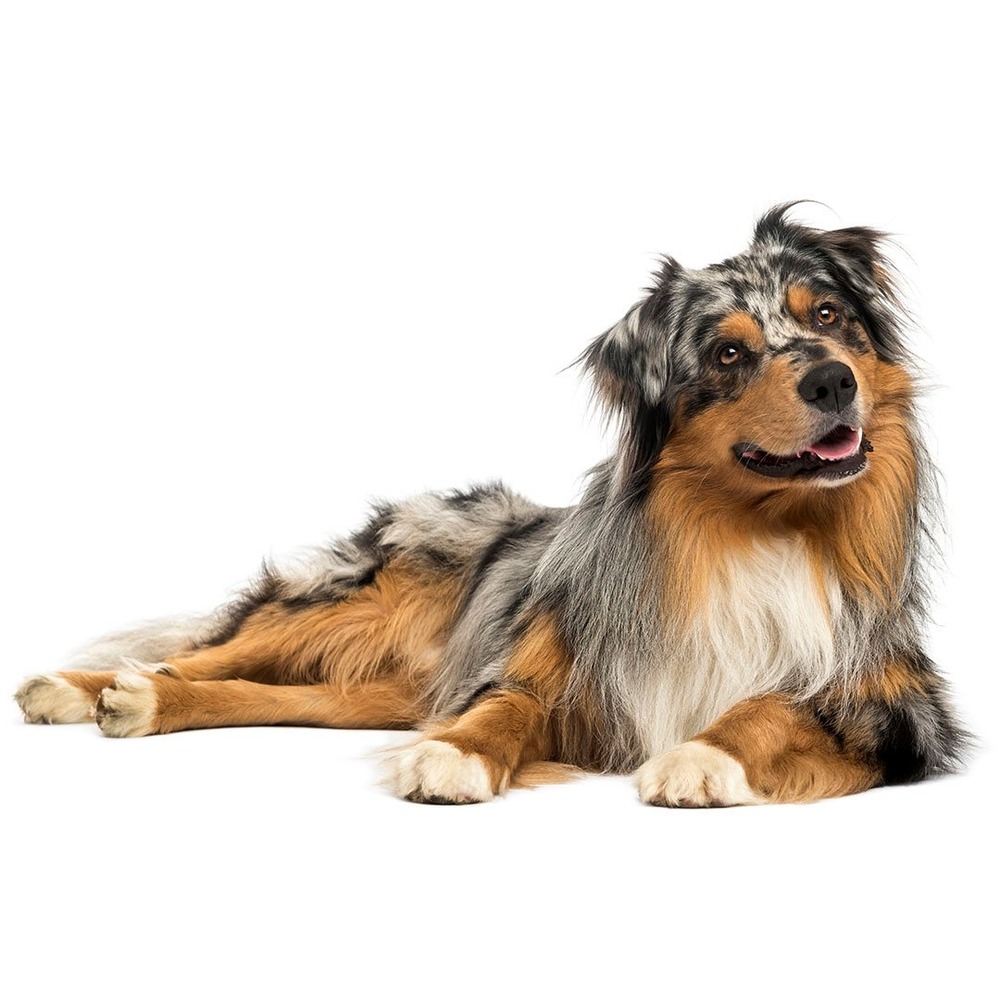
Australian Shepherds are often described as a generally healthy breed, with many living into their early to mid teens. As with any purebred, there are known inherited risks, so it is worth asking breeders and your vet about sensible screening and what to watch for over time.1
Commonly discussed issues include hip dysplasia and several eye conditions (including inherited cataracts). Many owners will never face the more serious end of these problems, but being informed helps you notice changes early and choose responsible breeding lines.1
MDR1 drug sensitivity
A particularly practical health topic in Aussies is the MDR1 (ABCB1) gene mutation, which can cause increased sensitivity to certain medications. Testing is available, and it is worth telling your veterinarian if you have an Aussie or an Aussie mix so drug choices can be made safely.4
Grooming, shedding, and day-to-day maintenance
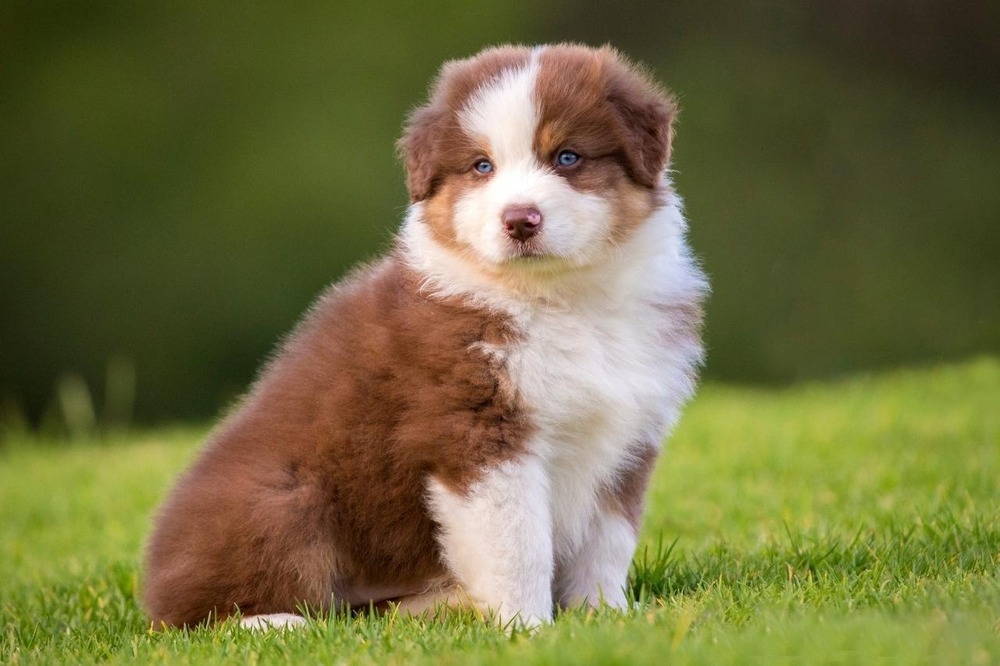
The Aussie coat is made to work outside. It is typically a double coat that sheds year-round, often more heavily as seasons change. A steady routine of brushing (rather than occasional marathon grooms) tends to keep the coat comfortable and the house more manageable.
For most families, the essentials are simple: brush through to the skin, check behind ears and along the feathering where tangles form, keep nails short, and maintain dental care. If your dog swims or gets muddy often, focus on thorough rinsing and drying so the undercoat does not stay damp.
Hot weather care
Many Aussies cope better with cool conditions than heat, partly because of that insulating coat. In warm weather, the practical priorities are shade, airflow, fresh water, and adjusting exercise times. RSPCA guidance emphasises that heatstroke is an emergency, and advises avoiding exercise in hot, humid conditions and never leaving dogs in cars.5
If you are seeing relentless panting, distress, weakness, vomiting, or collapse, treat it as urgent and contact a vet. Early first aid typically involves moving to a cool area and applying tepid or cool water with fanning, while avoiding ice-cold water.6
Food, weight, and keeping an active dog in good shape
Australian Shepherds often carry muscle easily, which can hide creeping weight gain until you feel it through the ribs and waist. A high-quality, complete diet matched to activity level, plus regular body condition checks, is usually more helpful than obsessing over breed-specific feeding rules.
If you are unsure, your vet can help you set a target body condition score and adjust portions. For many Aussies, staying lean is part of long-term joint care, alongside sensible exercise and conditioning.
Living with an Aussie, and choosing one well
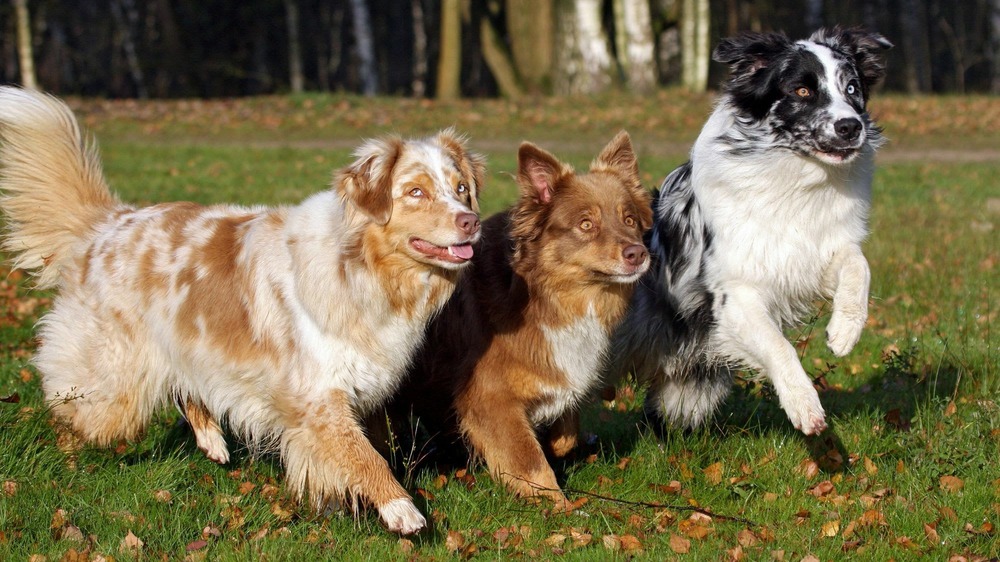
An Australian Shepherd can be a great match for people who enjoy training, moving, and building routines with a dog who notices everything. They are often at their best when the household is predictable, enrichment is normal, and there is a plan for rest as well as activity.
If you are choosing a puppy, look for breeders who can explain health testing, temperament, and why their dogs suit the kind of home you have. If you are adopting an adult, ask about handling, sensitivity to noise or visitors, and whether the dog has a history of nipping or chasing. With herding breeds, management is kindness, baby gates, calm set-ups, and clear boundaries help everyone settle in.
References
- American Kennel Club (AKC): Australian Shepherd
- Australian Shepherd Club of America (ASCA): Breed Standard
- Australian Shepherd Health & Genetics Institute (ASHGI): Natural Bob-Tails
- ASHGI: MDR1 FAQs (drug sensitivity)
- RSPCA Australia: Warm weather worries, protect pets from heatstroke
- RSPCA Knowledgebase: How can I protect my dog from heatstroke?
- ASHGI: A Tale of Tails (Australian Shepherd tails and standards context)
- ASCA: Judging the Australian Shepherd (tail guidance and standard excerpts)