

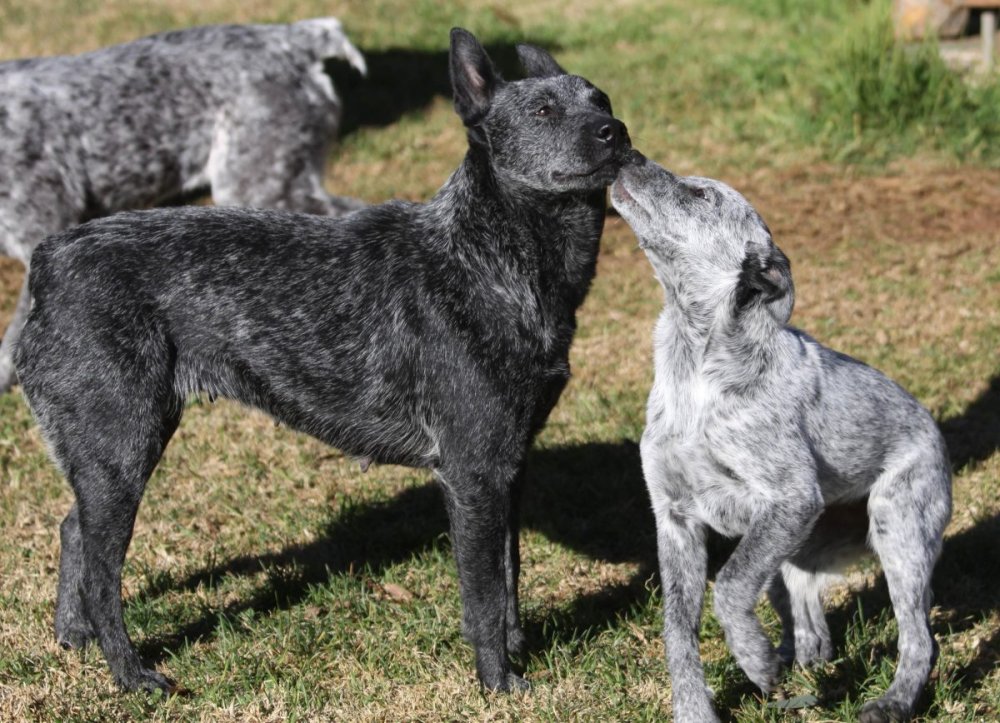
- Breed category: Herding
- Country of origin: Australia
- Average height: Males 46 to 51 cm, females 43 to 48 cm
- Average weight: Typically 17 to 23 kg
- Average lifespan: Around 12 to 15 years
- Grooming requirements: Low, occasional brushing
- Exercise requirements: High, needs daily physical and mental work
- Coat type: Short, dense double coat
- Coat colour variations: Blue speckle or red speckle
- Shedding level: Moderate
- Ear type: Erect
- Tail type: Naturally short, may be absent
- Temperament (typical): Loyal, alert, energetic
- Intelligence level: High
- Barking tendency: Moderate
- Compatibility with children: Can be good with sensible handling and training
- Compatibility with other pets: May chase or herd, needs thoughtful socialisation
- Training ease: Learns quickly, can be independent
- Common health issues: Congenital deafness, eye disease (including progressive retinal atrophy forms)
- Dietary needs: High-quality, balanced diet matched to activity level
- Energy level: Very high
- Drooling tendency: Low
- Sensitivity to weather: Coping well with heat, can feel the cold without shelter
- Overall maintenance level: Moderate
- Original purpose: Droving and herding cattle
- Apartment friendly: Usually not ideal, does best with space and a job
- Best suited for: Active homes, working properties, and people who enjoy training
- Unique traits: The breed’s naturally short tail, which is not docked
People often come across the Australian Stumpy Tail Cattle Dog in a photo and do a double take. The dog looks like a cattle dog, but the outline is squarer, the legs look longer, and the tail seems to be missing. It is easy to assume that must be docking, or that it is simply an Australian Cattle Dog with a short tail.
In practice, the “stumpy” is its own breed, shaped by the same working pressures that produced many Australian stock dogs: distance, heat, rough country, and cattle that did not politely drift where you asked. What you get is a dog built for all day effort, with a mind that notices patterns quickly and a body that is happiest when it is doing something.
That matters because the Stumpy Tail can be a deeply capable companion, but it is rarely a “fit in anywhere” sort of dog. The best outcomes tend to come when people understand what the breed was made for, and then decide how much of that work and structure they can genuinely offer.
Where the Stumpy Tail comes from, and what it was bred to do
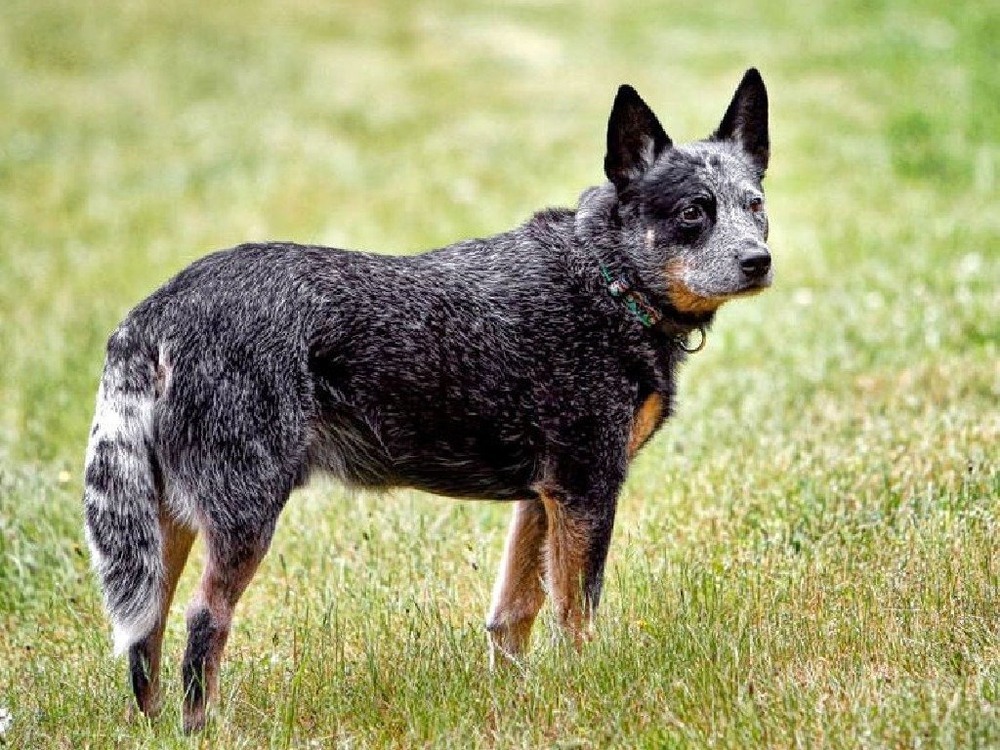
The Australian Stumpy Tail Cattle Dog sits in the same historical neighbourhood as the Australian Cattle Dog, with both linked to early “heeler” types developed for cattle work in the 1800s. Accounts vary, but most descriptions point to crosses between British herding dogs and dingoes as part of the foundation story for Australian cattle dogs generally, with later selection favouring stamina, toughness, and a controlled bite suitable for moving cattle. 3, 4
What makes the Stumpy Tail distinct is that short tail. Under the Dogs Australia (ANKC) breed standard, the tail is undocked and of a natural length not exceeding 10 cm, set on high but not carried much above the level of the back. 1
On a working property, that overall shape makes sense. The Stumpy Tail is designed to travel, turn, stop, and re-start, over and over again, without falling apart physically or mentally. Even in pet homes, you will often see that same “ready to go again” quality, especially in young adults.
Temperament and what “loyal” looks like in real life
Stumpy Tails are often described as loyal and devoted, but in day to day life that usually shows up as attentiveness and a strong preference for being involved. Many will track their person around the house, wait for instructions, and notice changes in routine quickly. 2
They also tend to have a practical streak. This is a breed that can enjoy affection, but is often more satisfied by shared activity than by constant cuddling. People sometimes misread that as stubbornness or aloofness, when it is really a dog that has been selected to make decisions, persist through discomfort, and keep working.
With strangers, plenty of Stumpy Tails are polite but reserved. That is not automatically a problem, but it does mean early, calm exposure to visitors, different places, and everyday handling can make a big difference to how smoothly adulthood goes.
Living with children and other animals
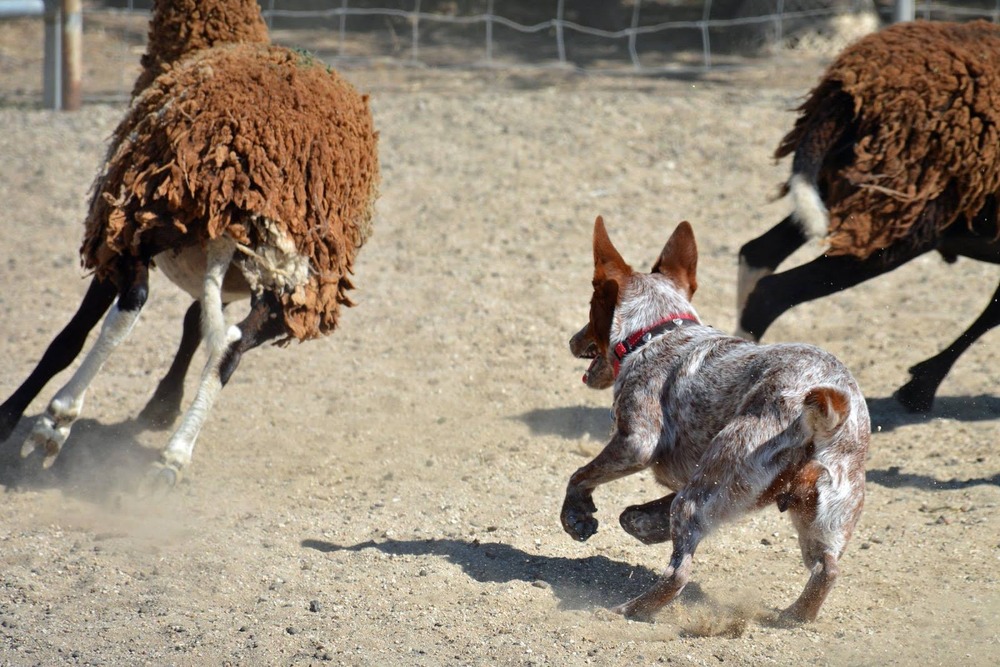
Stumpy Tails can do well in families, including with children, when adults set the tone. The key is to remember the breed is built for movement control. Fast running, squealing, or rough play can trigger herding behaviours such as circling, body blocking, or heel nipping, especially in adolescence.
It helps to treat success as a household skill set rather than a personality test. Think in terms of management plus training, such as baby gates during high energy times, structured play, and teaching kids how to invite interaction rather than chase it.
With other pets, early introductions and ongoing supervision matter. Some individuals will happily share space with another dog, and some will not. With cats and small animals, assume there may be chasing unless you have invested time in controlled exposure and strong reinforcement history around calm behaviour.
Training that suits an intelligent, independent herding dog
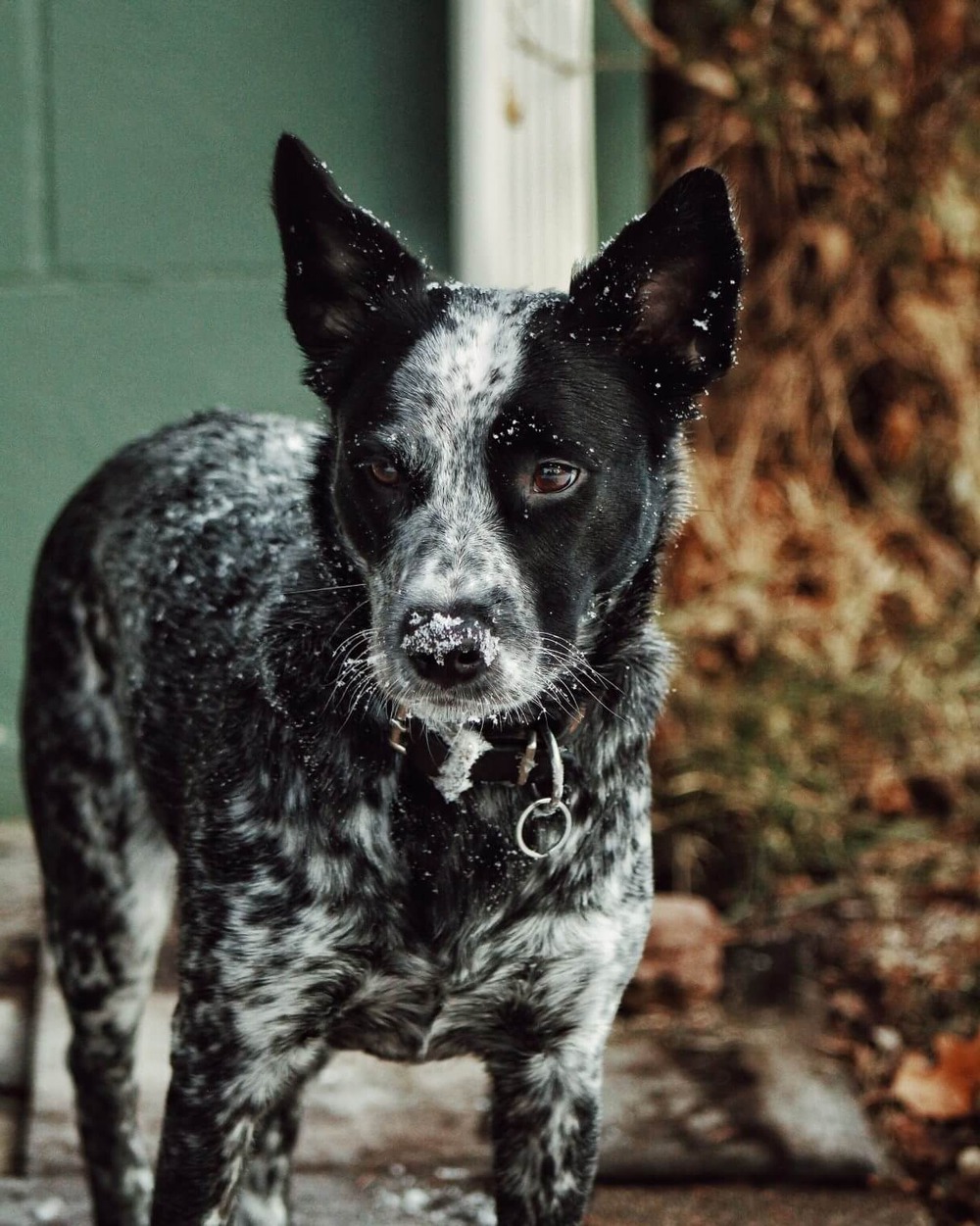
Many Stumpy Tail owners discover that basic obedience is not the hard part. The hard part is teaching the dog when to switch off, how to cope with frustration, and how to make good choices when the environment is interesting.
Reward-based training tends to work well, particularly when it is clear and consistent. Short sessions, frequent reinforcement, and tasks that feel meaningful to the dog can prevent the “I already know this” attitude that working breeds sometimes develop.
Useful focuses include:
- Recall and emergency recall, trained gradually around distractions
- Loose lead walking, with permission to sniff as part of the deal
- Settle on a mat, to build an off switch
- Handling skills (ears, paws, mouth), so vet visits are less stressful
Exercise and enrichment, more than just a long walk
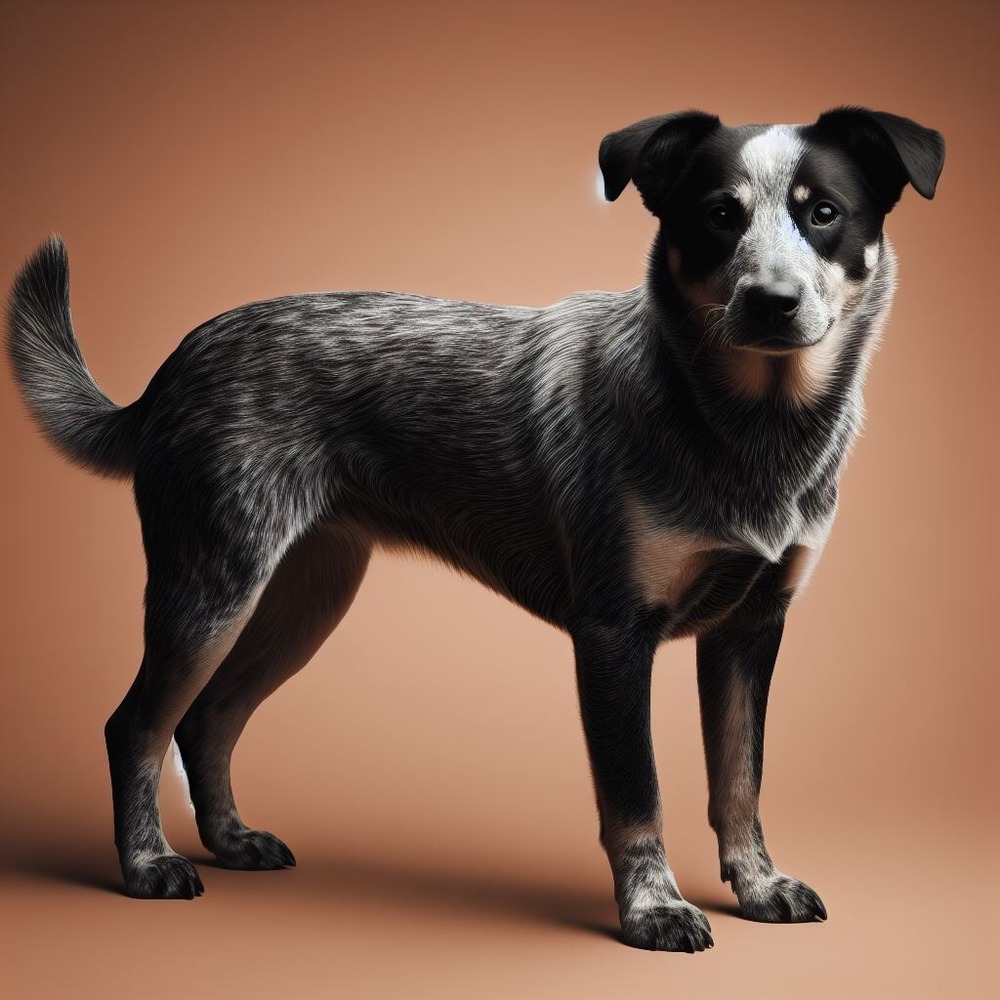
These dogs are physically capable, but they are also mentally busy. A long walk can be helpful, but if it is the same loop every day it may not touch the sides.
Many Stumpy Tails thrive when exercise includes problem solving and skill work. That might be agility foundations, tracking games in the backyard, scent work, structured tug with rules, or herding style outlets where available.
If you notice restlessness, pacing, or DIY entertainment like fence running and digging, it is often a sign the dog needs a better mix of movement, training, and recovery time, not simply “more kilometres”. The goal is balanced tired, not frantic tired.
Health to watch for, and what responsible testing can include
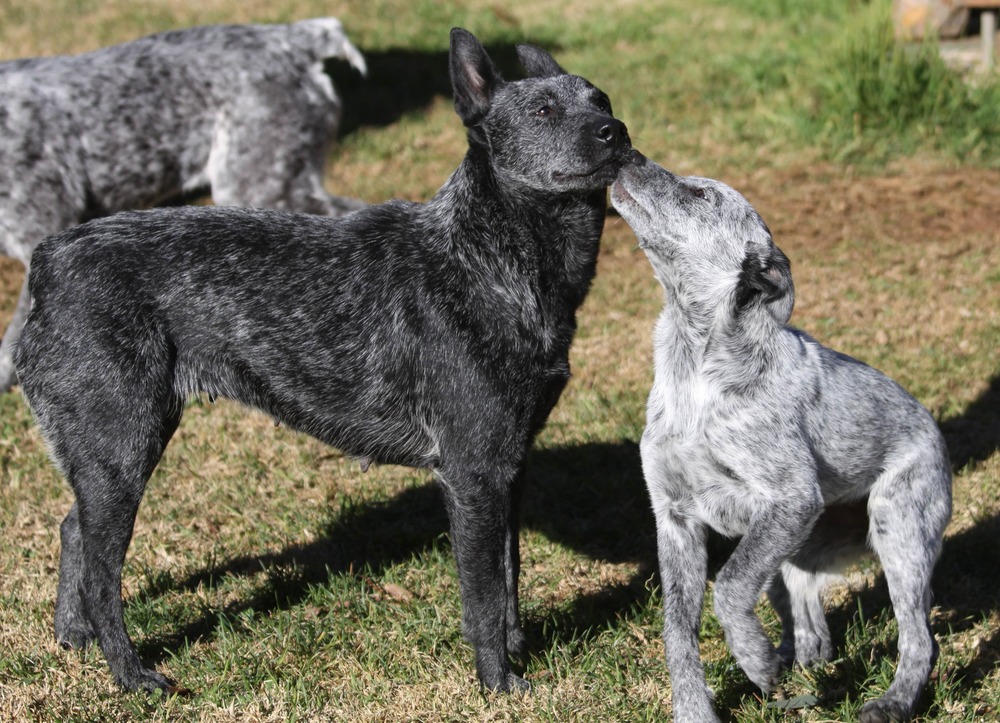
No breed is perfectly protected from health problems, and working types can be particularly good at hiding discomfort. For the Stumpy Tail, one of the big topics is congenital sensorineural deafness. In a published study that used BAER testing in Australian Stumpy Tail Cattle Dogs, deafness was identified in a proportion of tested dogs, and the findings supported an inherited basis. 5
Because hearing loss can be unilateral and hard to spot in a lively puppy, BAER testing is often discussed as a practical screening tool in breeding programs and for puppy buyers who want clearer information early on. 6
Eye disease is another area where screening matters. “Progressive retinal atrophy” is a broad label that can include different genetic diseases, and the most useful approach is usually a combination of regular ophthalmology exams and, where relevant to the lines involved, DNA testing for specific variants such as prcd-PRA (which is known across many breeds). 7, 8
Finally, it is worth clarifying a common misconception: the Stumpy Tail’s short tail is a natural trait in the breed standard, not a result of docking. 1
Everyday care, grooming, and feeding
The coat is generally low fuss. A weekly brush is often enough to remove loose hair and keep the coat in good condition, with more brushing during heavier shedding periods. Check ears, trim nails as needed, and keep an eye on teeth, especially if the dog is not regularly chewing appropriate dental items.
Feeding is less about “special breed diets” and more about matching intake to output. A Stumpy Tail that is training daily and doing sports needs different portions to one that is mostly doing neighbourhood walks. If you can feel ribs easily under a light layer of flesh (without seeing them prominently), you are usually in a sensible place.
If you are choosing a food, aim for a complete and balanced diet from a reputable manufacturer, and adjust portions based on body condition and performance. For dogs in hard work, your vet can help you decide whether you need higher energy options or targeted supplementation.
Is this the right sort of dog for your life?
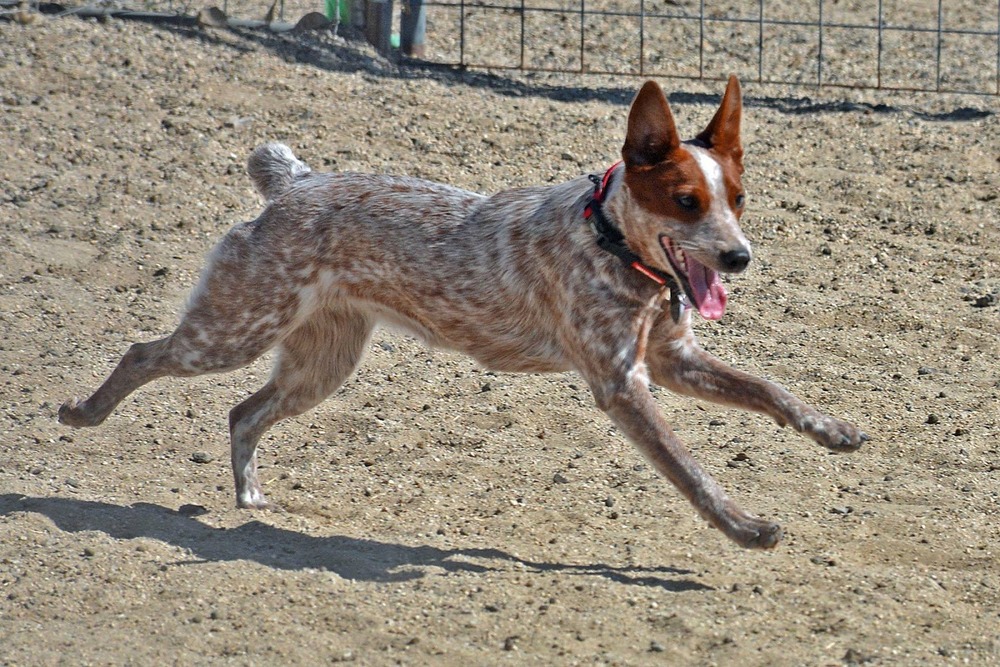
The Australian Stumpy Tail Cattle Dog tends to suit people who enjoy training, routine, and purposeful activity. The dog does not need to live on a farm to be happy, but it usually does need a lifestyle that includes daily movement, problem solving, and clear boundaries.
If you are considering a puppy, ask breeders about health testing (particularly hearing and eyes), temperament in their adult dogs, and what their puppies are exposed to before they go home. When you meet the breed in person, pay attention to how the dog recovers after excitement and how easily it can settle. That off switch, more than raw energy, often shapes the experience of living together.
When the match is right, a Stumpy Tail can be a steady, capable companion that brings a satisfying sense of partnership. When the match is wrong, the same intelligence and drive can become hard work for everyone involved.
References
- Dogs Australia (ANKC) breed standard: Australian Stumpy Tail Cattle Dog
- Dogs.com.au (Dogs Australia): Australian Stumpy Tail Cattle Dog overview
- Wikipedia: Australian Stumpy Tail Cattle Dog (background and standards links)
- Wikipedia: Halls Heeler (historical origin context)
- PubMed: Congenital sensorineural deafness in Australian stumpy-tail cattle dogs (BAER-tested study)
- Australian Stumpy Tail Cattle Dog Club of NSW: Health testing (including BAER guidance)
- UC Davis Veterinary Genetics Laboratory: PRCD-PRA DNA test information
- Australian Shepherd Health and Genetics Institute: Progressive Retinal Atrophy overview
- Fédération Cynologique Internationale (FCI): Australian Stumpy Tail Cattle Dog (Standard No. 351)
- Agriculture Victoria: Prohibited procedures on dogs (including tail docking rules)