

People often meet the Australian Terrier in small moments. A compact dog at the park who seems to have an opinion about everything, a confident little shadow in the house, or a keen set of ears that switches on the instant someone walks past the gate. It is easy to assume a dog that small will be quiet, easygoing, and happy to potter along.
Australian Terriers tend to challenge that picture. They are small, yes, but they were shaped as working terriers, which shows up in their alertness, their stamina, and their instinct to investigate movement and sound. When they fit well into a home, it is usually because their people enjoy that terrier mindedness, and know how to guide it rather than try to flatten it.
If you are considering the breed, or already living with one, it helps to look past the headlines of “spirited” and “friendly” and get practical about what those traits mean day to day. The details, like how you handle barking, how you prevent rehearsed chasing, and how you keep training upbeat, are where life with an Australian Terrier becomes either smooth or surprisingly difficult.
Quick breed snapshot
Breed group: Terrier
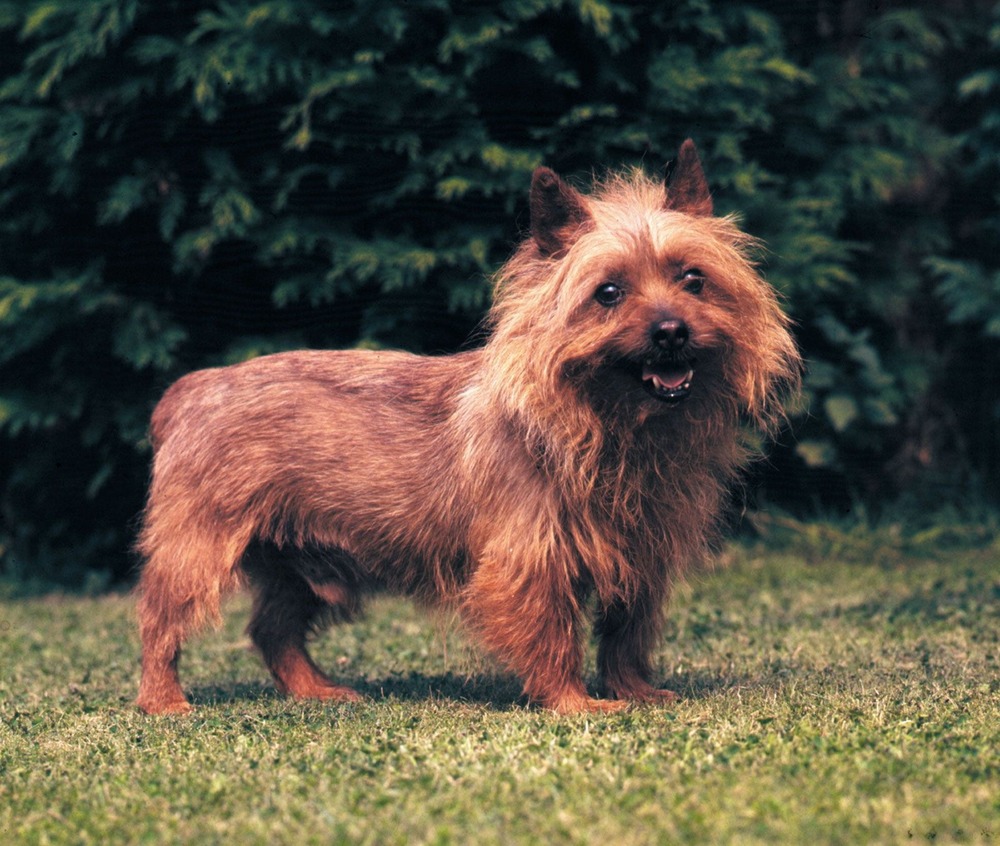
- Typical size: about 25 cm at the withers and around 6.5 kg, with individuals varying either side of that1, 2
- Coat: harsh, straight outer coat with a softer undercoat, built for weather protection1, 2
- Colours: blue and tan, sandy, or red1, 2
- Life expectancy: commonly 12 to 15 years (individual health and care matter)7
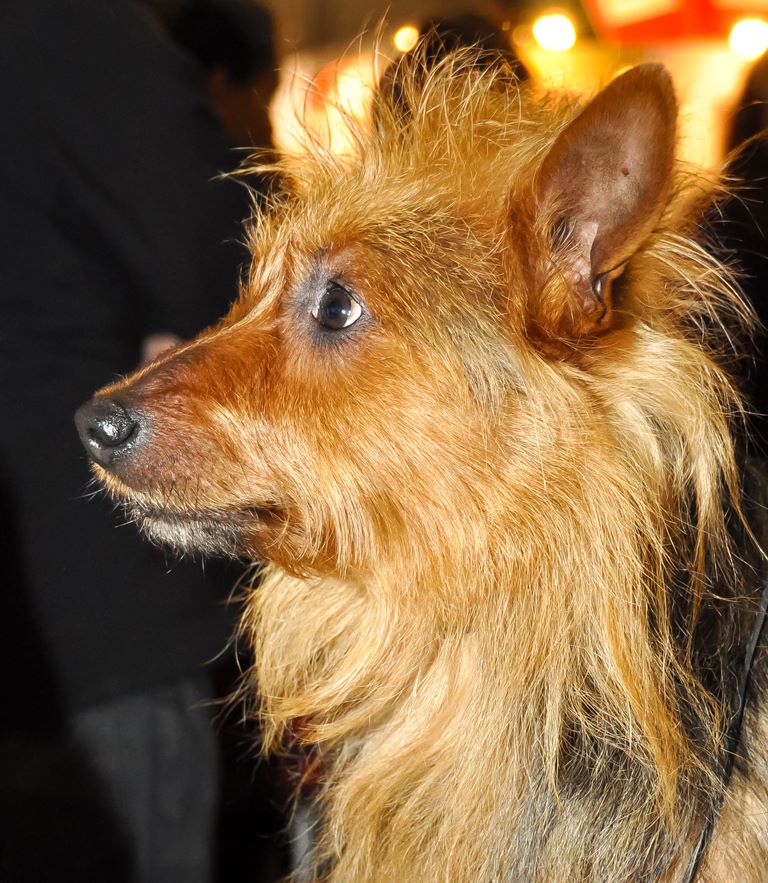
- What people notice first: an alert expression, a distinctive neck ruff, and a dog that tends to stay mentally switched on8
Where the Australian Terrier comes from
Australian Terriers were developed in Australia from rough coated terrier types brought from Britain, then selected over time for the realities of local life. These were dogs expected to cope with pests, rough ground, and changeable weather, while still being small enough to live closely with people.8, 9
It is also worth being precise about what “recognition” means, because different organisations use different dates. The Australian Terrier was recognised by The Kennel Club (United Kingdom) in 1933, which is a commonly cited milestone in the breed’s modern history.9 Breed clubs and registries in other countries have their own timelines and standards, which is why you will sometimes see different “first recognised” claims depending on the source.
That working origin still matters. Even when an Australian Terrier is kept purely as a companion, you can often see the legacy in their scanning, their quick reactions, and their preference for being involved in whatever is happening in the household. They tend to be participants, not ornaments.
Appearance and those small details that matter

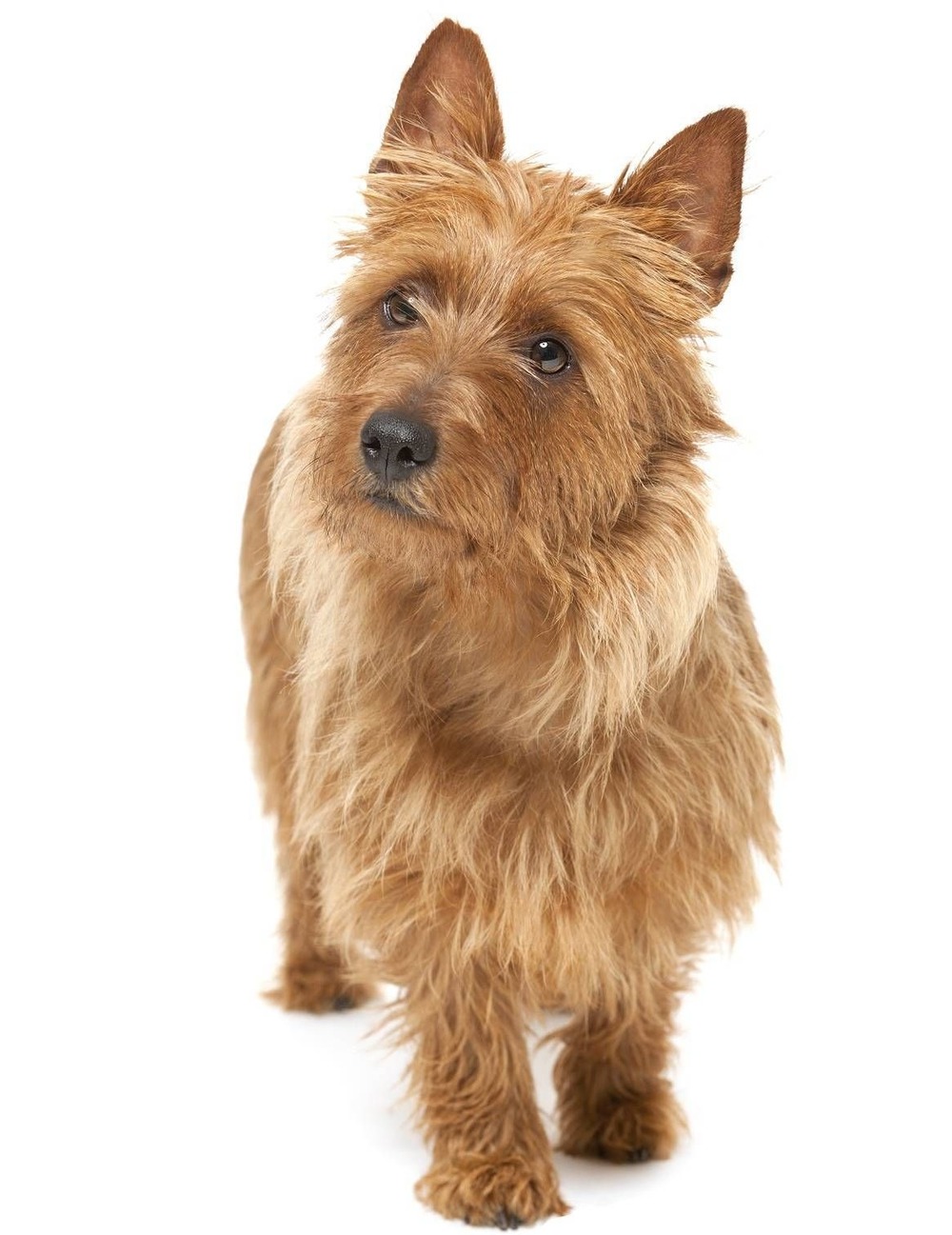
The breed is small, sturdy, and slightly longer than it is tall, with pricked ears and a coat designed to handle the outdoors. Breed standards describe a harsh, straight, dense top coat of roughly 6 cm (about 2.5 inches), with a shorter, softer undercoat underneath.1, 2
Colour descriptions are also quite specific. Blue and tan dogs should have rich tan markings, while sandy or red dogs are expected to be clear in colour rather than muddy or smutty.1, 2 In practice, you do not need to memorise the fine print to live well with the breed, but it helps to understand why that coat and build can make them look tougher than their size suggests.
You may see Australian Terriers with docked tails in older photos, overseas content, or imported lines. In Australia, cosmetic tail docking has been banned nationwide since 2004, with docking only permitted for therapeutic reasons by a veterinarian under the relevant laws.3, 4 If you are looking at a puppy, a natural tail is the norm.
Temperament in real homes
Most Australian Terrier descriptions mention that they are spirited, alert, and friendly, and those words are fair as long as you read them through a terrier lens. “Friendly” does not always mean instantly social with everyone, and “spirited” often includes persistence, a love of patrol style watching, and a quick readiness to vocalise when something changes.8
They also tend to be clever in the way that makes life easy and inconvenient at the same time. They can learn quickly, especially when training is consistent and the reward is clear. They can also learn household patterns quickly, including the ones you did not intend to teach, like rushing the front fence at the same time each afternoon.
Best fit tends to look like this: someone who enjoys daily interaction, notices small behaviour patterns early, and prefers guiding a dog’s instincts rather than arguing with them. In that kind of home, Australian Terriers can be deeply satisfying companions.
Children, visitors, and other pets
Australian Terriers often do well with older children who can read a dog’s signals and follow simple rules about handling, space, and rest. With younger children, the goal is not to “make them love kids”, but to set the dog up for predictable, calm interactions. Supervision matters, as it does with any breed.
With other pets, it helps to be honest about what terriers were bred to do. Many Australian Terriers will happily share a home with another dog, especially if they are introduced thoughtfully. With small pets, the risk is less about malice and more about instinct and rehearsal. Chasing can become a habit if it is allowed to happen even occasionally.
If you have cats, rabbits, chickens, or guinea pigs, plan management from day one. That might mean baby gates, secure runs, lead time in the yard, and structured introductions rather than hoping everyone will “sort it out”.
Training and exercise, keeping the terrier brain on your side
Australian Terriers usually respond best to training that is short, clear, and a little bit playful. Positive reinforcement techniques, like food rewards, toys, and praise, suit the breed’s quick mind. The trick is consistency. If the rules shift from day to day, many terriers will keep testing until they find the version that benefits them most.
Exercise needs are often described as “moderate”, but the more useful idea is that they need both movement and purpose. A daily walk is a good start, but many Australian Terriers also do well with:
- sniff walks where they can explore safely
- simple scent games in the house or garden
- basic agility style skills for body awareness
- training sessions that practise calm behaviours, like settling on a mat
Barking is a common theme with terriers. Rather than trying to suppress it outright, it often works better to reduce the triggers you can control (visual access to the street, rehearsed fence running), then teach an alternative behaviour such as coming to you, targeting a hand, or going to a bed. If barking has become frequent and intense, consider support from a qualified trainer who uses reward based methods, and speak with your vet if anxiety or pain might be contributing.
Health, what to watch for
Australian Terriers are generally robust, but they are not immune to the health patterns seen in small breeds and terriers. Patellar luxation, where the kneecap can slip out of place, is one issue vets commonly discuss across small dogs. Signs can include skipping steps, intermittent lameness, or a sudden change in how a dog uses a back leg.5
Skin and ear problems, including allergies, are also commonly mentioned by breed communities. If you are seeing recurrent itch, ear redness, or ongoing paw licking, it is worth addressing early. These issues can be very manageable, but they rarely improve with guesswork alone.
When you are choosing a puppy, look for breeders who can explain what health screening they do and why, and who are willing to talk plainly about the problems they see in their lines. Good breeding is a risk reduction strategy, not a guarantee, but it can make a real difference over a dog’s life.
Coat care, grooming, and day to day maintenance
The Australian Terrier coat often gets described as low shedding, but it still benefits from regular care. Weekly brushing helps remove loose hair and prevents small tangles from becoming tight knots, especially around the ruff and furnishings. The coat is meant to be harsh in texture, so bathing too often can soften it and irritate the skin.
Keep an eye on the basics that influence comfort and behaviour:
- nails kept short enough that footfalls are quiet on hard floors
- ears checked regularly, especially if your dog is prone to itch
- teeth cared for at home, plus veterinary dental advice when needed6
If you are new to terrier coats, a groomer who understands hand stripping versus clipping can help you decide what is realistic for your lifestyle. Many pet Australian Terriers are clipped for convenience, even if that changes the coat texture over time.
Feeding and weight, the quiet influence on joints and skin
Australian Terriers do best on a complete and balanced diet appropriate for their life stage, and measured in a way that keeps them lean. With small, sturdy dogs, weight gain can happen gradually, then show up as less willingness to jump, shorter walks, or more strain through knees and hips.
If you are unsure about portions, ask your vet to help you assess body condition score, then adjust the daily amount based on what you see over a few weeks. Treats are not the enemy, but they are easiest to manage when they are included in the daily plan rather than added on top.
Be careful with people food and “natural” snacks. Some common household foods are toxic to dogs, including grapes and raisins, onions, and chocolate.10
Final thoughts on living with an Australian Terrier
The Australian Terrier is small enough to fit neatly into many homes, including apartments, but the breed’s success rarely comes from size alone. It comes from meeting their need to be involved, giving them a bit of meaningful work to do, and shaping their instincts early so the household does not end up organised around barking and boundary patrolling.
If that sounds appealing, an Australian Terrier can be a wonderfully steady companion, bright, brave, and often very funny to watch. If it sounds tiring, it can be a gentle sign to look for a breed that is naturally more passive. Either way, it pays to choose with clear eyes.
References
- Dogs NSW (ANKC), Australian Terrier breed standard
- The Kennel Club (UK), Australian Terrier breed standard
- RSPCA Australia Knowledgebase, Is the tail docking of dogs legal in Australia?
- Business Queensland, Queensland’s ban on docking dogs’ tails
- VCA Animal Hospitals, Patellar luxation in dogs
- RSPCA Australia Knowledgebase, Why is dental care important for my pet?
- MSD Veterinary Manual, Description and physical characteristics of dogs (general reference for breed variation and lifespan context)
- Australian Terrier Club of America, Breed standard
- Jane Dogs, Australian Terrier history and UK recognition (1933)
- ASPCA, People foods to avoid feeding your pets