


You might come across an Austrian Pinscher in a photo and think, “That looks a bit like a small farm dog, sort of a Pinscher, sort of a terrier.” That instinct is not wrong. The Austrian Pinscher sits in that practical, no-fuss corner of the dog world where animals were shaped by daily work and real weather, not by fashion.
People also tend to assume “rare” means “delicate” or “difficult”. With this breed, it is usually more accurate to think capable and watchful, with a strong preference for having something to do. When their needs are met, they can be steady companions. When they are under-stimulated, they can become busy, vocal, and inventive in ways that are not always convenient.
So the more useful questions are often the everyday ones: will this dog cope with your routine, your yard, your visitors, your kids, your neighbours, and the kind of exercise you can realistically provide?
- Breed group (FCI): Group 2, Pinscher and Schnauzer type
- Origin: Austria
- Typical size: 42 to 50 cm, around 12 to 18 kg
- Life expectancy: often around 12 to 14 years (varies with genetics, care, and lifestyle)
- Coat: short to medium, dense double coat, moderate shedding
- Best suited to: people who enjoy training and daily activity, ideally with space and structure
Early development and farm role
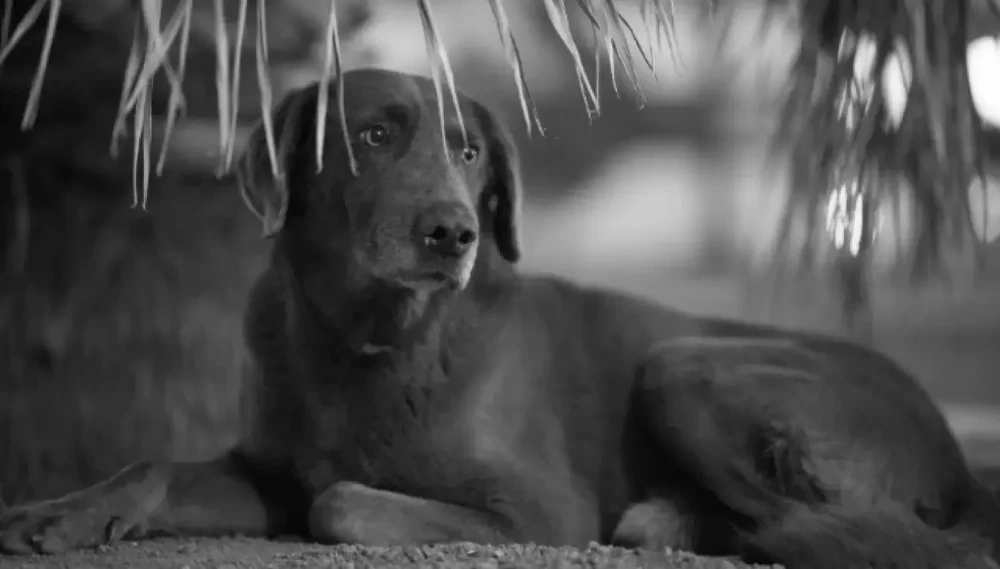
The Austrian Pinscher developed as a general-purpose farm dog. On small holdings, a dog had to do a bit of everything, raise the alarm, deter opportunistic visitors, and stay resilient through long days. That background matters, because it helps explain why many Austrian Pinschers are alert and environmentally aware, even in modern homes.
Internationally, the breed is recognised by the Federation Cynologique Internationale (FCI) as the Österreichischer Pinscher in Group 2 (Pinscher and Schnauzer type), and it has been accepted on a definitive basis since 1954.1, 2 Depending on where you live, recognition and availability can vary, which is one reason many people only encounter the breed through breeders or breed clubs rather than in everyday parks.
A note on “recognition years”
You may see different dates quoted online (for example, the date a national kennel body recognised the breed versus the date a standard was published or updated). These are not necessarily contradictions, they are simply different milestones tracked by different organisations.1, 2, 3
Appearance and everyday traits
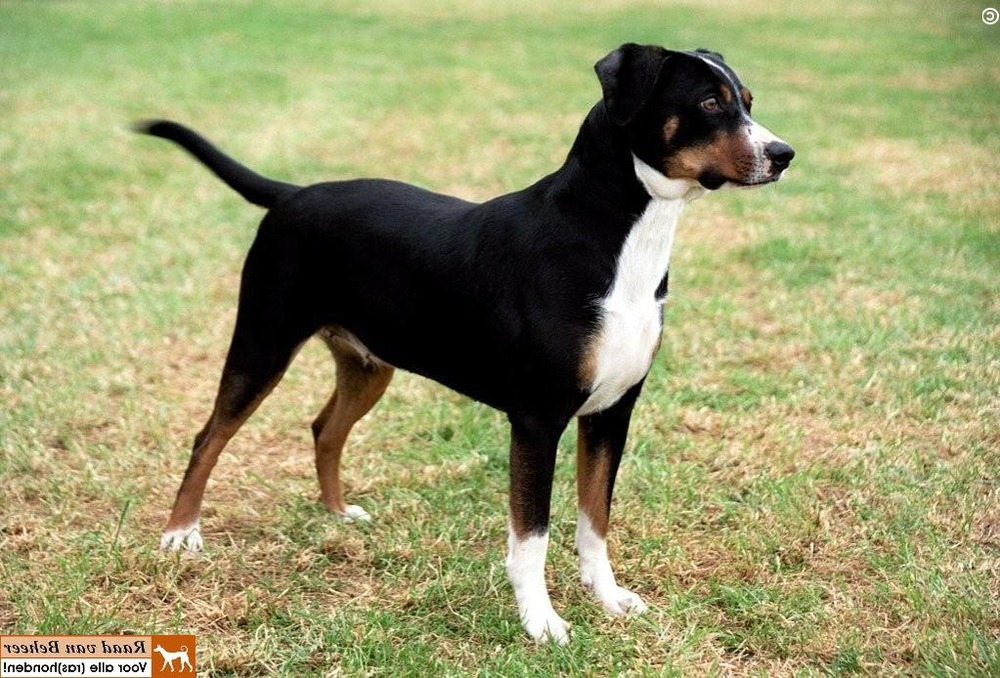
The Austrian Pinscher is typically a medium-sized, sturdy dog with a compact working build. Many have a bright, attentive expression, with ears carried semi-erect or folded depending on the individual and lines. Coat colours commonly include shades of yellow, red, and black and tan, often with some white markings.3
Because the breed’s history is tied to function, you may notice some variation in “look” compared with breeds that have been heavily standardised for a very long time. What tends to remain consistent is the impression of a dog that is ready to respond, and quick to notice what is changing in their surroundings.
Temperament and suitability at home
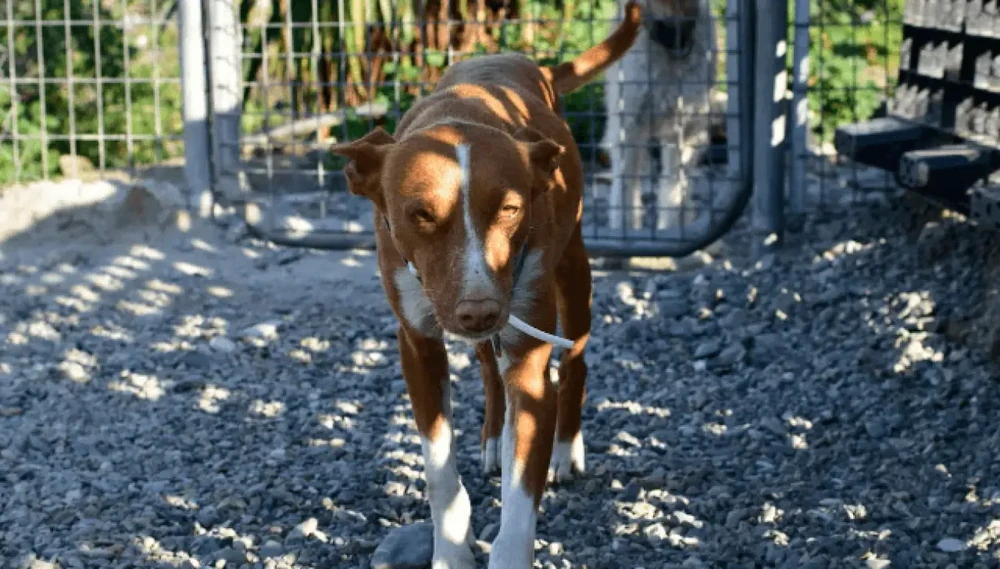
An Austrian Pinscher often bonds strongly with their people and can be naturally cautious around strangers. In a home setting, that can look like an excellent watchdog, plus a dog that needs thoughtful introductions and clear routines. It is not usually a breed for people who want a “quiet passenger” dog.
They tend to do best with owners who enjoy training, have a sense of humour about normal dog behaviour, and can provide daily outlets for energy. If you live in a close neighbourhood, it is worth taking barking habits seriously from the start, not as a “problem” to punish, but as a behaviour to shape through management, enrichment, and calm reinforcement.
Children, visitors, and the dog’s comfort
Many dogs can live well with children, but the quality of the match depends on supervision, the dog’s temperament, and what kids are taught to do around dogs. A good baseline is: teach children to leave dogs alone when they are eating, sleeping, or retreating, and to watch for subtle stress signals. Introductions go best when everyone is calm, and the dog is allowed to approach rather than being crowded.4, 5
In practical terms, adult supervision is not optional with young children. When you cannot supervise, separate with a barrier, a crate, or a safe room so the dog can genuinely relax.5
Training and daily exercise
With a bright, practical breed, training is less about “teaching tricks” and more about building shared habits: coming when called, settling when asked, walking politely, and coping with ordinary life. Reward-based methods tend to suit most dogs and are recommended by welfare organisations, partly because they support learning without adding unnecessary fear or conflict.6
Exercise needs are usually best met through a mix of movement and mental work. A brisk walk is useful, but many dogs also benefit from sniffing time, short training sessions, and play that is structured enough to prevent arousal tipping into chaos. Enrichment should be varied, safe, and matched to the dog in front of you.7
- Daily walks with chances to sniff and decompress
- Training as part of life, a few minutes at a time
- Food puzzles and safe chew outlets, monitored to avoid over-feeding
- Games like retrieve or tug with clear start and stop cues
Health considerations and preventative care
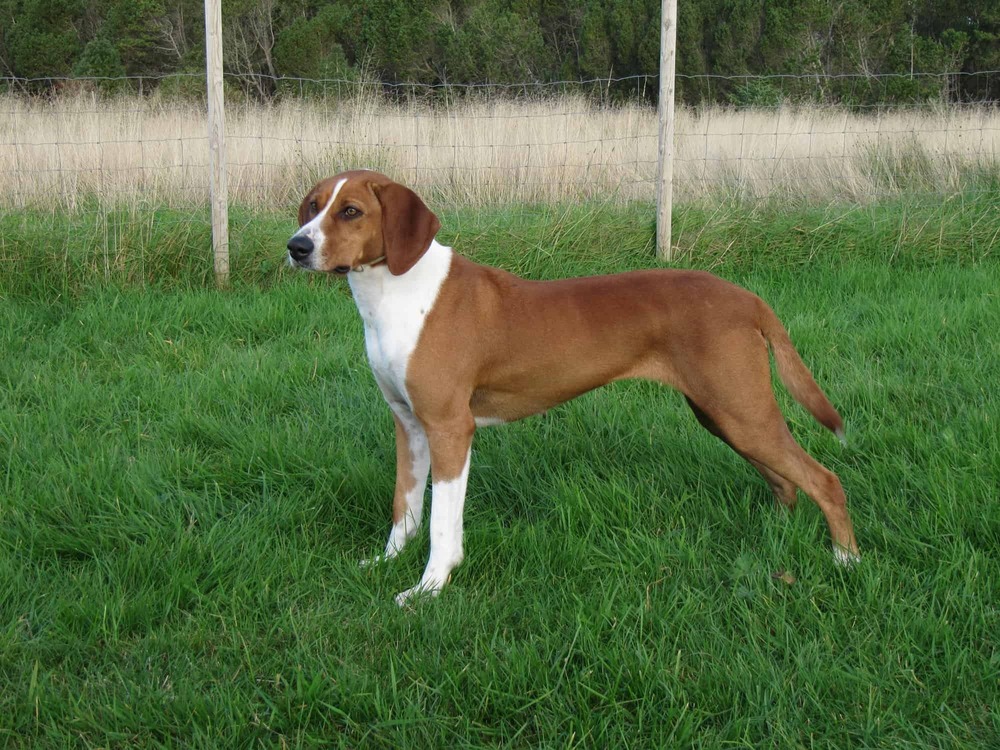
No breed is “problem-free”, and for rarer breeds it can be harder to find large-scale public health data. Still, it is sensible to discuss screening and family history with any breeder or rescue, and to book regular veterinary check-ups so small issues are caught early.
Hip dysplasia is often discussed in dogs generally. It is influenced by genetics plus environmental factors such as growth rate, diet, exercise choices, and body weight. If you are choosing a puppy, ask what health screening is done in the lines and what support the breeder offers as the dog matures.8, 9
Regardless of breed, one of the most powerful health tools is keeping a dog at a healthy body condition. If you are unsure what “healthy” looks like on your individual dog, your vet can help you use a body condition scoring approach rather than relying on the numbers on the scale alone.10
Grooming, coat care, and dental habits
The coat is typically low-fuss. Occasional brushing helps lift dead hair and distribute skin oils, and it is a good time to check ears, nails, and skin. Many owners find that a quick weekly routine is enough, with extra brushing during seasonal shedding.
Dental care is often overlooked until there is visible tartar or bad breath. Plaque forms quickly, and regular home care makes a difference. Many veterinary sources recommend daily brushing where possible, with a minimum of a few times per week to meaningfully reduce plaque build-up.6
If brushing feels unrealistic at first, start with short sessions and aim for consistency. Keep it calm, build tolerance gradually, and ask your vet for a demonstration if you are unsure. Small, repeatable steps tend to work better than occasional big efforts.
Food and feeding, keeping it practical
Most Austrian Pinschers do well on a balanced diet that fits their life stage and activity level. Instead of chasing trends or single “magic” ingredients, it helps to focus on whether the diet is complete and appropriate, and whether your dog maintains a stable, healthy condition.
The World Small Animal Veterinary Association (WSAVA) nutrition resources emphasise tailoring feeding to the individual pet, using tools like diet history, monitoring, and body condition scoring. If you are changing foods or adjusting portions, doing it with your vet’s input can prevent small problems becoming long-term patterns.9
Living well with an Austrian Pinscher

The Austrian Pinscher often suits people who like dogs as dogs. A bit of mud, a bit of noise, a mind that needs directing, and a steady desire to be involved. They tend to thrive when the household is predictable, the boundaries are kind and consistent, and daily activity is built in rather than treated as an afterthought.
If you are considering the breed, the most helpful next step is usually meeting a few in person, speaking to reputable breeders or breed clubs about temperament and health screening, and being honest about your own routine. The right match feels less like a “perfect dog”, and more like a workable relationship built over time.
References
- Fédération Cynologique Internationale (FCI): Austrian Pinscher (Österreichischer Pinscher) nomenclature and standard details
- FCI breeds nomenclature: Group 2 (Pinscher and Schnauzer, Molossoid, Swiss Mountain and Cattledogs)
- United Kennel Club (UKC): Austrian Pinscher breed standard overview
- RSPCA Australia: Pets and kids (safe interactions guidance)
- RSPCA Knowledgebase: Introducing a new dog or puppy to children
- RSPCA Pet Insurance: Essential dog care information (training and exercise basics)
- RSPCA Australia: The importance of enrichment for dogs
- Orthopedic Foundation for Animals (OFA): Hip dysplasia overview and screening context
- World Small Animal Veterinary Association (WSAVA): Global Nutrition Guidelines
- Royal Canin: Dog body condition score and assessing healthy weight