

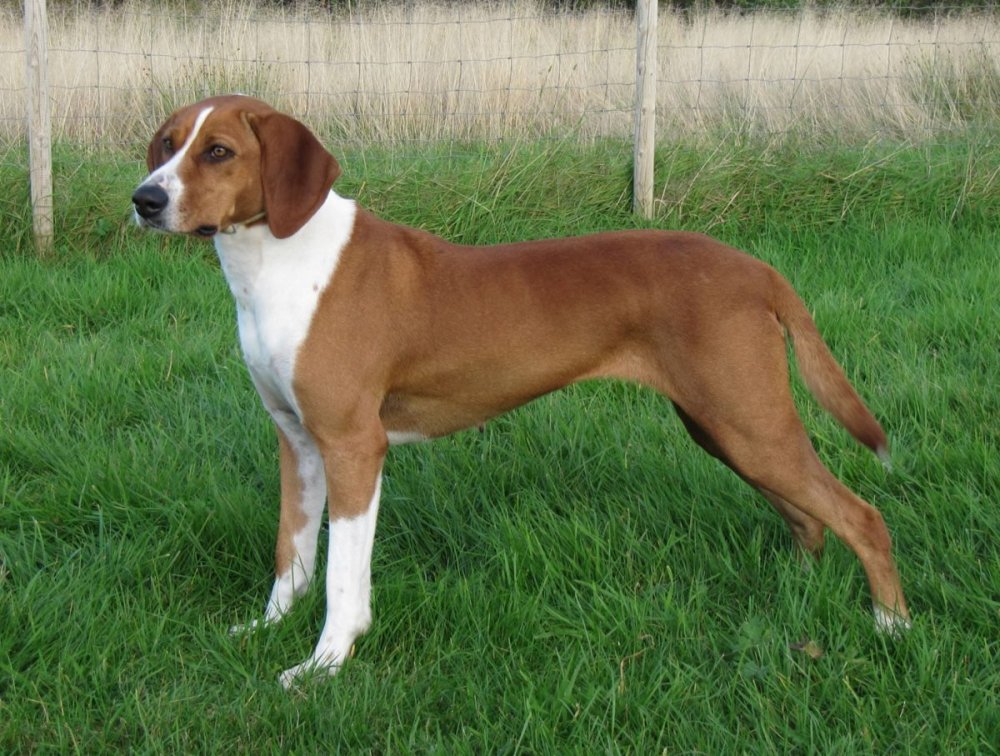
You might come across the Austrian Shorthaired Pinscher when you are looking for a sturdy, sensible farm type dog, or when you meet one that seems both friendly with its people and sharply watchful of everything else. They can look a bit like other pinscher type dogs at first glance, which makes it easy to assume they are all much the same.
But spend a little time around the breed and the differences start to show. This is a dog shaped by practical work, with a steady interest in its surroundings and a real preference for having something to do. In the right home that can feel reassuring and companionable. In the wrong set-up, it can become restless, noisy, or simply bored.
The Austrian Pinscher (also known historically as the Austrian Shorthaired Pinscher) is a medium-sized, short-coated breed from Austria, developed as an all-round farm dog and recognised internationally by the FCI.1
- Breed category: Farm and guard dog type (pinscher type)
- Country of origin: Austria1
- Typical height: About 42 to 50 cm at the withers (varies by sex and standard used)1
- Typical weight: Commonly around 12 to 18 kg (individual build varies)
- Typical lifespan: Often around 12 to 14 years (as with many medium breeds)
- Coat: Short, dense, practical to maintain
- Energy level: Generally high, benefits from daily activity and mental work
Where the breed comes from, and why that still matters
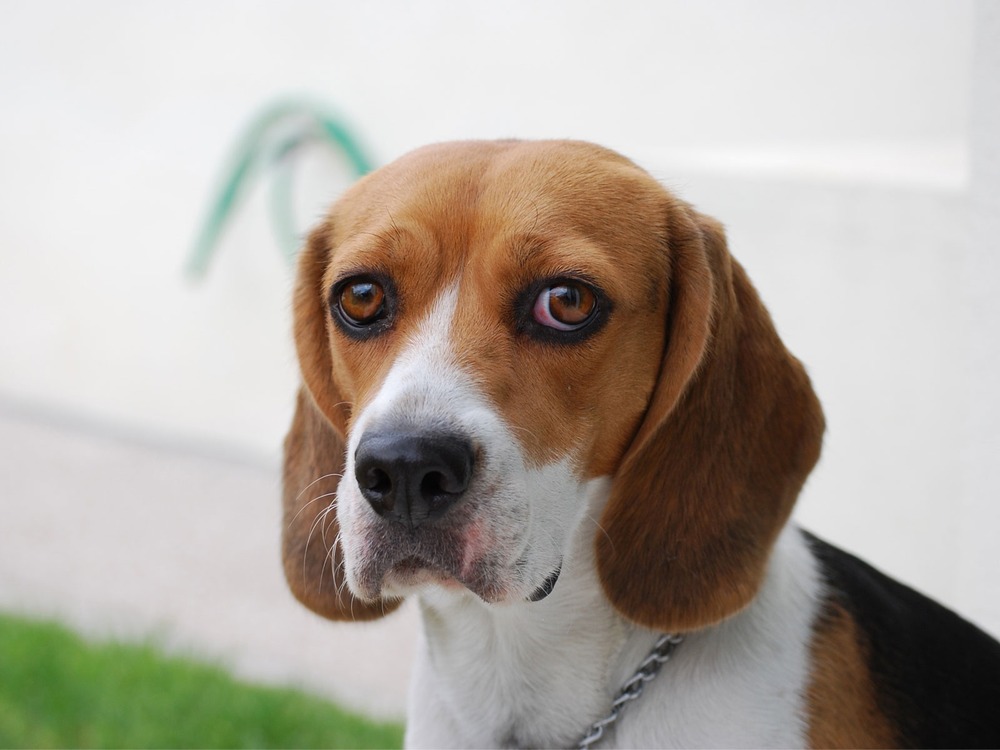
The Austrian Pinscher developed from traditional Austrian farm dogs, kept for the kind of everyday jobs that do not make for neat categories: sounding an alarm, keeping an eye on the property, moving stock when needed, and dealing with pests around buildings.2
In Austria you may still hear the older name, “Österreichischer Kurzhaarpinscher” (Austrian Shorthaired Pinscher). Over time, the official breed name shifted to “Österreichischer Pinscher” (Austrian Pinscher), which helps separate it from other short-coated pinscher type breeds and local farm dog types.3
These roots help explain the combination many owners notice: a dog that can settle close to the household, then switch on quickly when something changes outside. That watchfulness is not a flaw, but it does need guidance so it does not spill into chronic barking or suspicious behaviour in everyday suburban life.
Appearance and the “farm dog” build
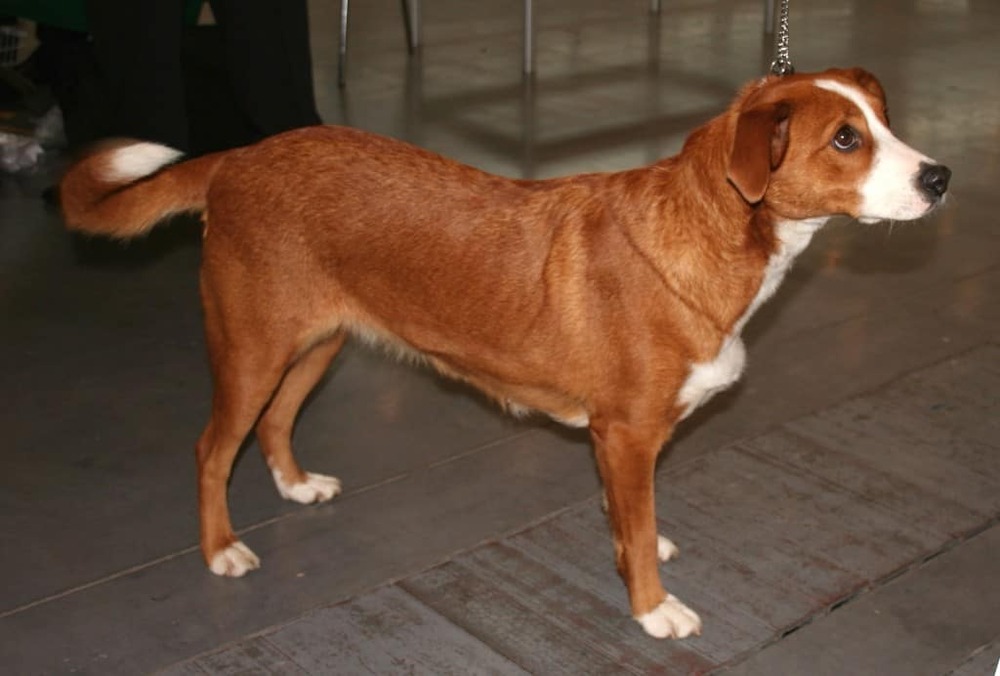
The Austrian Pinscher is recognised by the FCI in Group 2 (Pinscher and Schnauzer type), and is described as a sturdy, medium-sized dog with an alert expression.1
You will often see a short, dense coat, with colour variations that can include yellow, red, and black with tan, commonly with white markings on the chest, feet, or face. The tail is carried high, sometimes curved over the back. Ears are typically small and set high, often described as button ears in some standards.1, 4
Expect some variation. Like many working farm types that were selected for usefulness first, individuals can differ in overall outline and substance. That does not automatically mean poor breeding, it is simply part of the breed’s history and restoration.
Temperament, alertness, and life with visitors
Descriptions of the breed often highlight a lively, assertive dog that is devoted to familiar people and wary of strangers, which is exactly what you would expect from a farm guardian and all-purpose yard dog.4
In practice, that can look like a dog that notices the delivery van before you do, or positions itself to watch the front gate while the family relaxes. If this tendency is handled well, it becomes part of the household rhythm. If it is accidentally reinforced (for example, the dog barks, the visitor leaves, and the dog learns barking “works”), it can escalate.
For many homes, the most helpful approach is to treat guarding behaviour as information, not a job you want the dog doing full-time. Reward calm, teach a cue to disengage, and make sure the dog has a predictable routine and enough appropriate outlets.
Training and socialisation that suits the breed
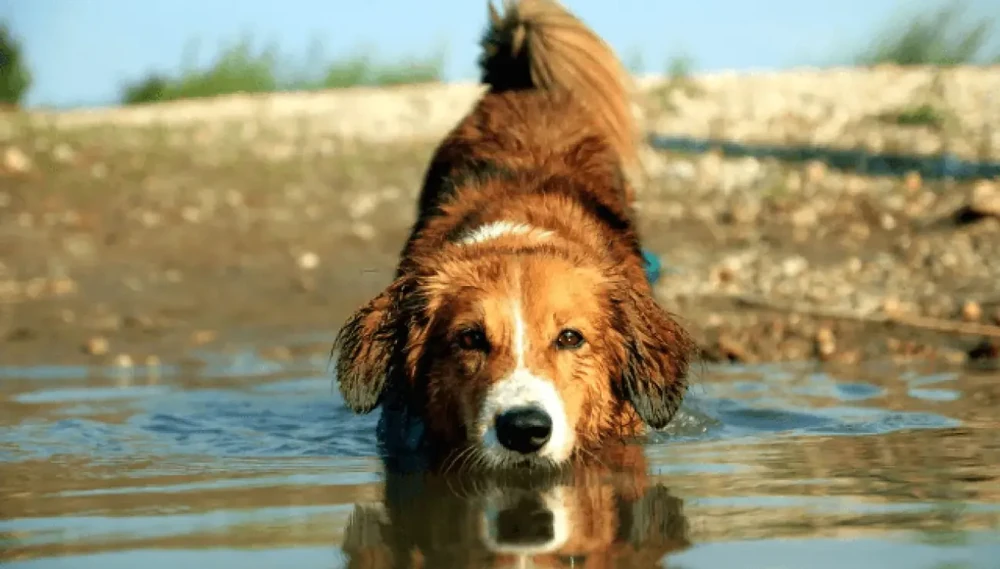
Austrian Pinschers tend to do best with training that is clear, consistent, and worth their while. Reward-based methods are widely recommended by animal welfare organisations because they build behaviour without relying on fear or pain, and they support a steady relationship between dog and handler.5
Early, thoughtful socialisation matters for any breed that naturally keeps an eye on strangers. The goal is not to make the dog greet everyone. It is to help it learn what “normal” looks like across many situations, so it can stay composed when the world changes.
- Keep sessions short, especially with young dogs.
- Practise calm behaviours at home first, then gradually add mild distractions.
- Teach a simple alternative to barking, such as going to a mat, and reward it generously.
Exercise and mental work, not just kilometres
This is an active dog, and it generally needs daily movement plus something that engages its brain. Exercise is not only about physical fitness. It also helps many dogs settle, sleep better, and cope with normal household frustration.
Australian welfare guidance around exercise emphasises safe, appropriate activity, including opportunities for dogs to move at their own pace in suitable areas, and the importance of avoiding overdoing it with young, growing dogs.6, 7
If you are choosing activities, it helps to think in layers:
- Steady daily walks (sniffing and exploring count).
- Short play sessions (fetch in moderation, tug with rules).
- Food puzzles, simple scent games, and basic training refreshers.
Health considerations and sensible screening
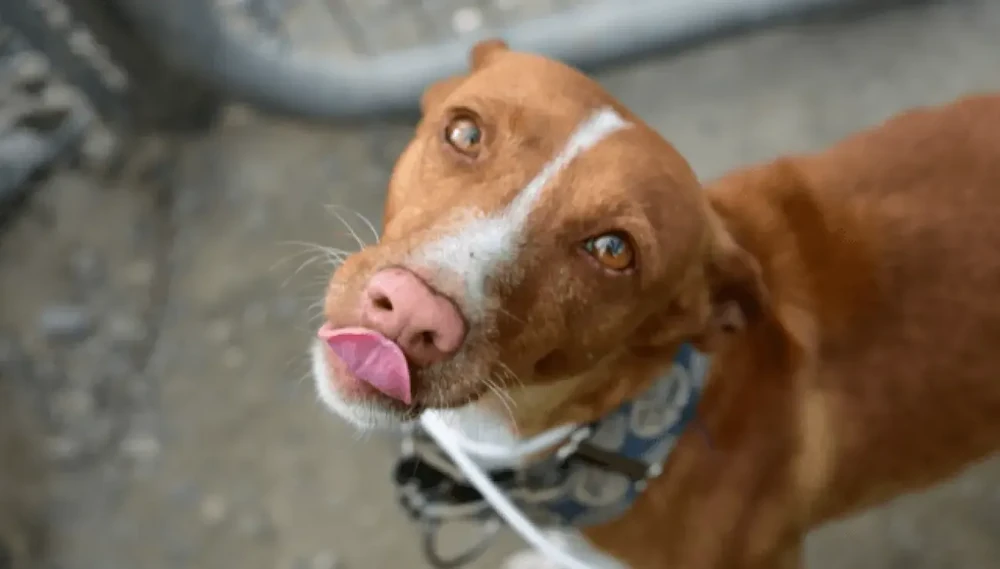
Most owners will never need to become experts in genetics, but it is worth understanding the basics: any breed can have inherited health risks, and the best protection is careful breeding plus routine veterinary care.
Hip dysplasia is one condition seen across many breeds and types, and it can show up as stiffness, reluctance to jump, changes in gait, or reduced activity. A veterinarian can assess suspected joint problems and advise on imaging, management, and lifestyle changes.8
Eye health is another area where screening can be useful. Formal eye examination schemes exist to help identify inherited or emerging eye conditions in breeding dogs, and regular eye checks can also pick up non-inherited issues that still affect comfort and vision.9
Practical takeaway: if you are buying a puppy, ask what health screening has been done for the parents, and ask to see documentation rather than relying on verbal reassurance.
Grooming and everyday care
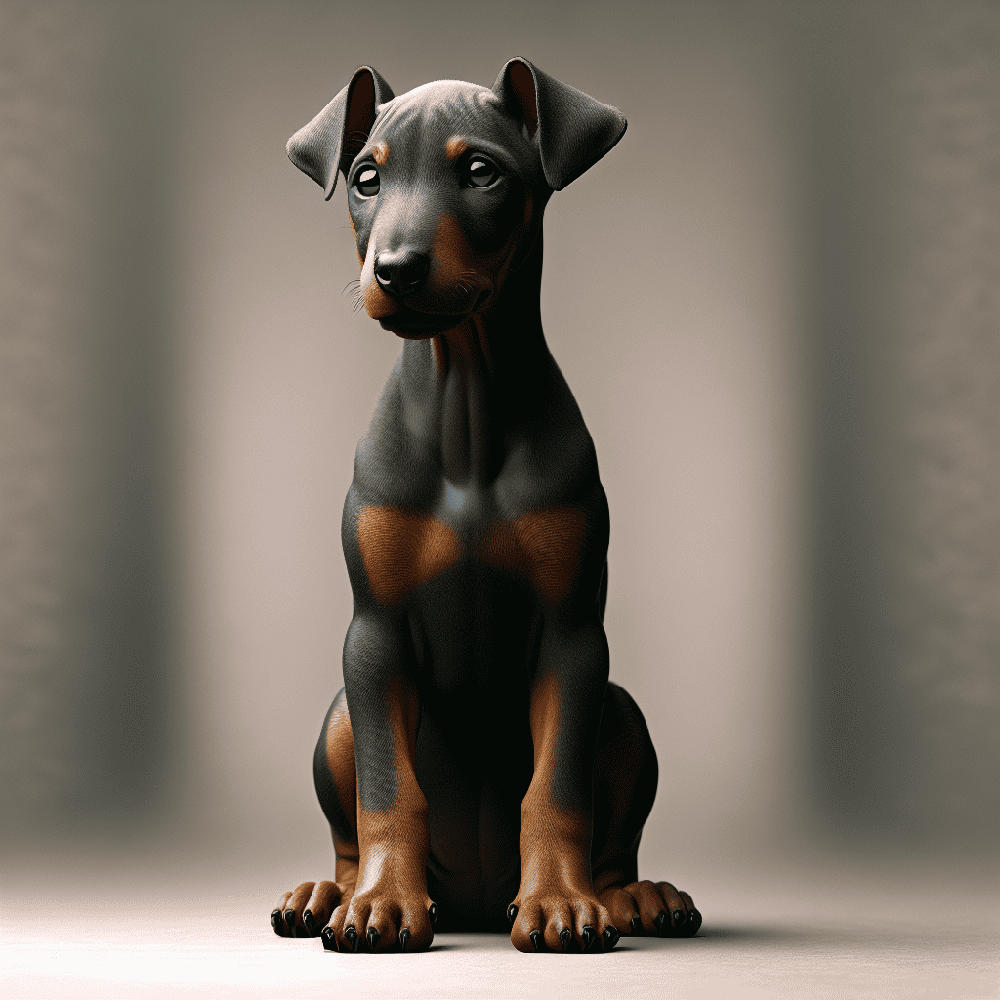
The short coat is usually easy to live with. A weekly brush is often enough to lift loose hair and keep the coat looking tidy. During heavier shedding periods, you may simply need to brush a little more often.
Do not overlook the less glamorous routines. Nail trims, ear checks, and dental care are part of keeping an active dog comfortable. If your dog resists handling, treat grooming as training: go slowly, reward cooperation, and build it into the week rather than waiting until everything is overdue.
Feeding and keeping a working body in good shape
The best diet is the one that suits the individual dog in front of you, its age, activity level, and health. Veterinary nutrition guidance often focuses on doing a structured nutrition assessment, monitoring body condition, and selecting foods based on complete and balanced formulation rather than marketing claims.10
With an energetic, sturdy breed, it can be easy to miss gradual weight gain, especially if the dog still looks “solid” rather than fat. Regularly check body condition with your vet team, and adjust portions when activity changes across seasons.
A simple rule: treats are part of the daily ration, not “free calories”. If you train a lot, set aside part of the meal for rewards.
Is an Austrian Pinscher likely to suit you?
This breed often fits best with people who enjoy a dog that is engaged with its environment and happy to be included in daily life. Many will cope in suburban settings, but it is rarely a “do nothing” companion. Space helps, but structure matters more.
It can be a strong match if you want:
- An alert companion that notices what is going on.
- A dog that enjoys training and having a role.
- A practical coat and generally straightforward grooming.
It may be a harder match if you need a dog that welcomes every stranger, stays quiet without guidance, or is content with minimal daily activity.
Final thoughts
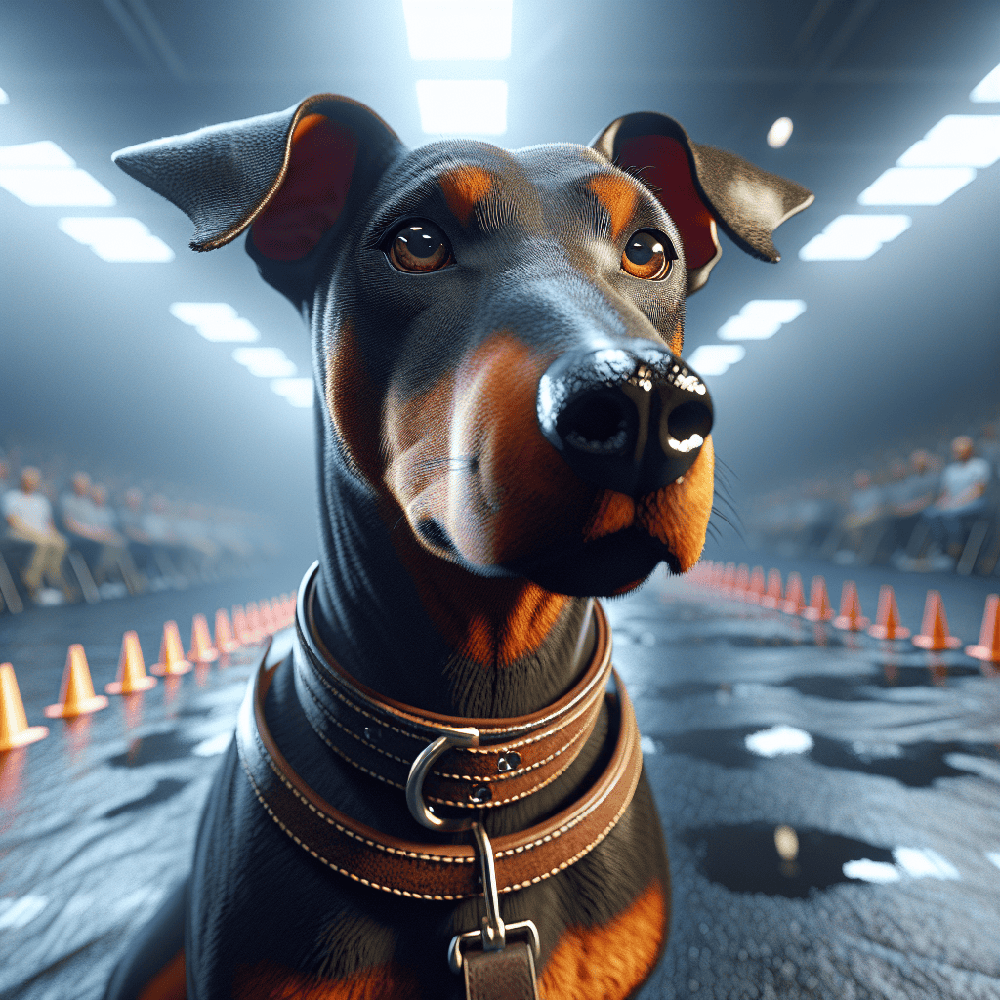
The Austrian Pinscher makes the most sense when you see it as a capable farm dog brought into modern life. It is often loyal, bright, and deeply observant, with a natural instinct to keep track of the household boundary. With steady training, enough exercise, and calm guidance around visitors, those traits can become a real asset.
When people struggle with the breed, it is usually not because the dog is “too much”, but because its everyday needs were underestimated. Meet those needs early and consistently, and you are far more likely to end up with a dog that feels settled, responsive, and genuinely pleasant to live with.
References
- FCI breed nomenclature: Austrian Pinscher (No. 64)
- Wikipedia: Austrian Pinscher (overview and history)
- German Wikipedia: Österreichischer Pinscher (history and naming, including 2000 name change)
- United Kennel Club: Austrian Pinscher breed standard summary
- RSPCA ACT: Reward-based dog training (positive reinforcement)
- RSPCA Pet Insurance: Tips for exercising your dog
- RSPCA Knowledgebase: How should I exercise my puppy?
- American Kennel Club: Hip dysplasia in dogs (signs and diagnosis overview)
- British Veterinary Association: Canine Health Schemes eye scheme
- WSAVA: Global Nutrition Guidelines