

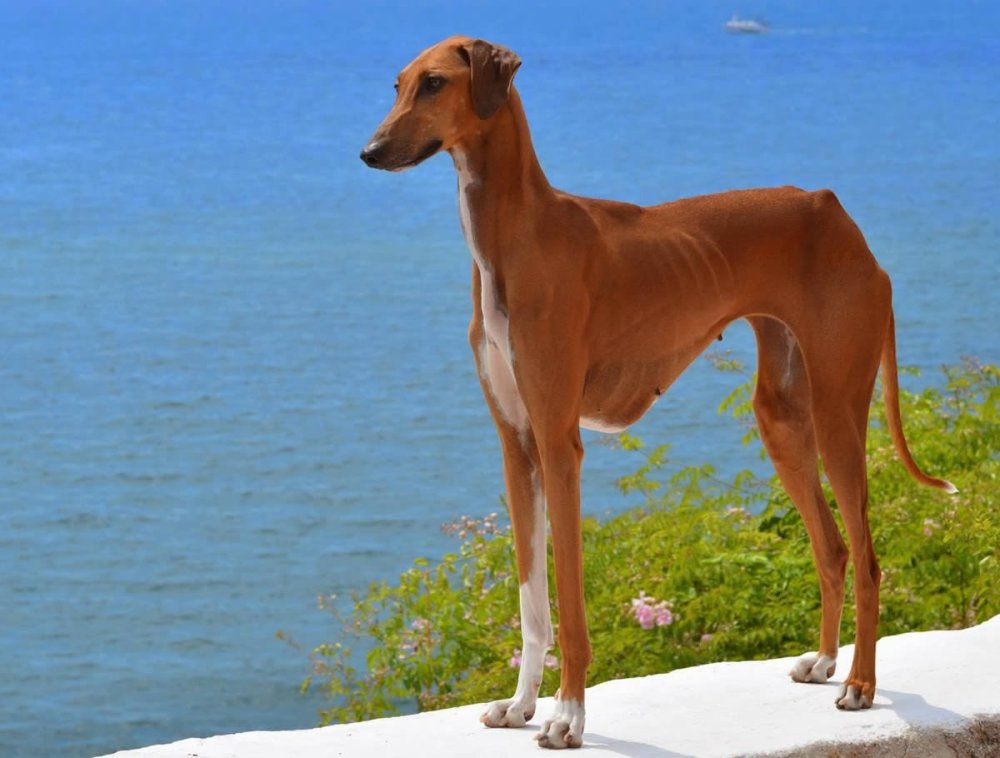
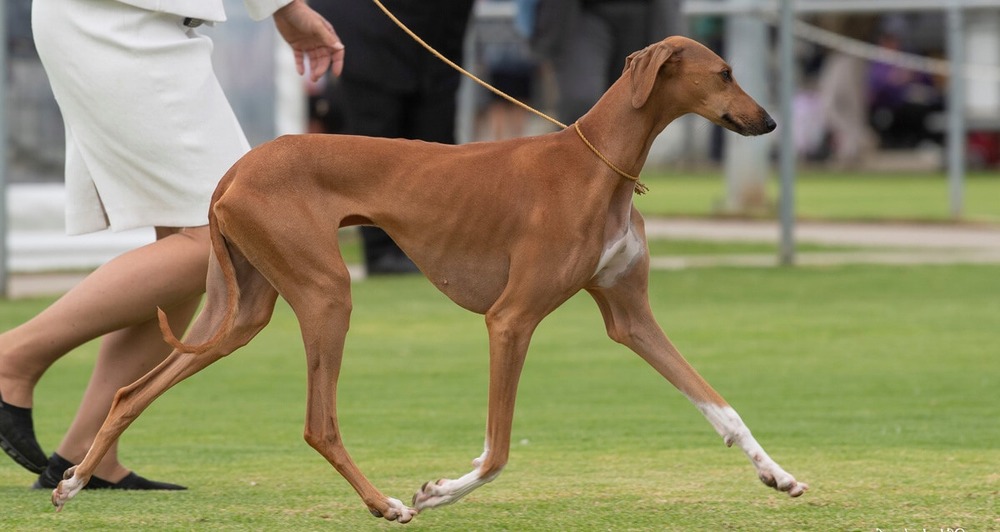
People often notice an Azawakh because of the silhouette first: long legs, a fine coat, and that light, floating way of moving. Sometimes it is in a photo, sometimes it is at a lure coursing day, and sometimes it is simply the surprise of meeting a dog who looks almost sculpted rather than “stocky and sturdy”. It can leave you wondering whether the dog is underweight, anxious, or just built differently.
With Azawakhs, a lot of the usual assumptions about what a “healthy looking” dog should be do not quite fit. They are a desert sighthound, shaped by heat, distance, and the need to run efficiently. When their needs are met, many Azawakhs are calm at home and athletic outside, but they are rarely a carefree, everybody’s-mate type of companion.
If you are thinking about living with one, or you already share your home with an Azawakh, it helps to understand what is normal for the breed, what is not, and where owners sometimes get caught out: off-lead safety, cold weather, and the fine line between “beautifully lean” and “too thin”.
Azawakh at a glance
- Breed type: Short-haired sighthound
- Origin: Sahel region of West Africa (with Mali listed as country of origin in the FCI standard)
- Typical height: Males 64 to 74 cm, females 60 to 70 cm1
- Typical weight: Males about 20 to 25 kg, females about 15 to 20 kg1
- Life expectancy: Commonly reported around 12 to 15 years2, 3
- Coat: Short and fine
- Energy needs: High, with a strong instinct to chase
Where the breed comes from, and why it matters
The Azawakh is closely associated with the arid regions of the southern Sahara and the Sahel, and with the Tuareg and other peoples of the area. In that context, dogs were valued for practical work: guarding, hunting, and moving over large distances alongside people.4
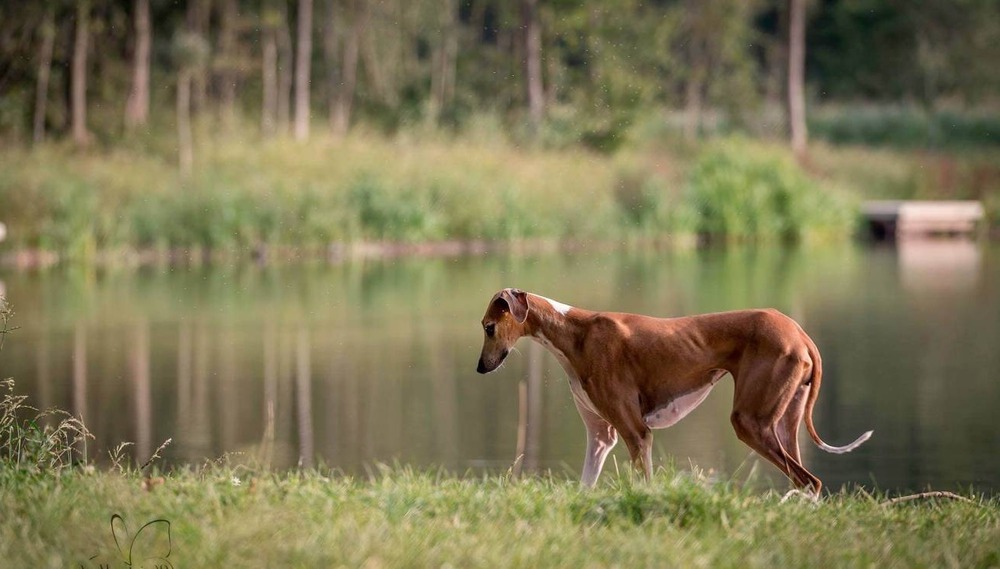
That background shows up in modern life in ways that can surprise first-time sighthound owners. Many Azawakhs are selective with strangers, quick to notice change, and more comfortable when routines are steady. They also tend to conserve energy indoors, then switch on instantly when there is space to run.
It is also worth noting that “official” breed descriptions can vary a little depending on the organisation and country. If you are comparing dogs, reading standards, or speaking with breeders, always check which body they are referencing.
What an Azawakh should look like, and what “lean” really means
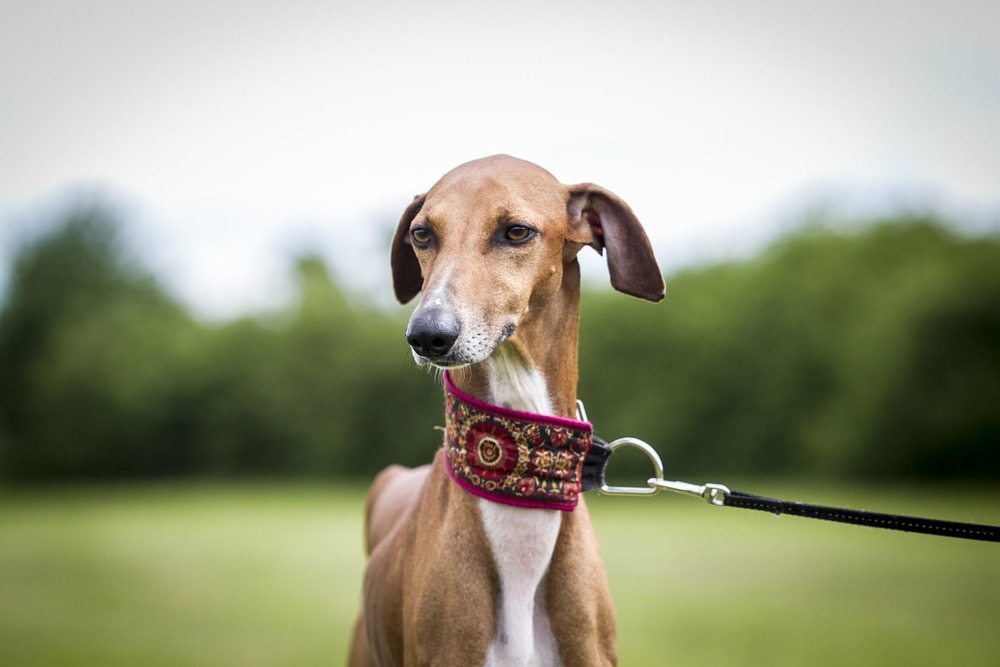
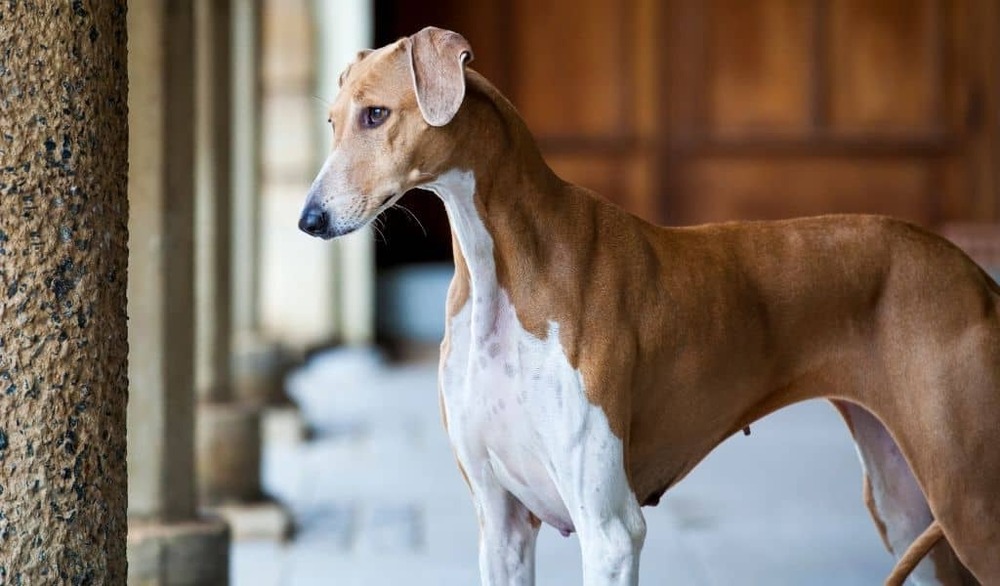
Azawakhs are meant to look lean. That is part of their functional design, not a sign that something is wrong. Some veterinary and breed resources note that, in correct condition, an Azawakh may show a few ribs, which can be confronting if you are used to rounder-bodied breeds.3
Still, there is a difference between breed-typical leanness and poor condition. A healthy dog should not look hollowed-out through the hindquarters, have a dull coat, or struggle to maintain energy. If you are unsure, ask your vet to do a body condition assessment and take the breed’s normal build into account, rather than aiming for a generic “ideal dog” outline.
Movement matters too. Azawakhs often have a light, elastic gait that looks almost cat-like. You are looking for ease and efficiency, not stiffness, repeated limping, or reluctance to run.
Temperament, bonding, and everyday life
Many Azawakhs form strong attachments to their own people, but they may not automatically enjoy being handled by visitors, and they can be sensitive to chaotic environments. With thoughtful management, they can do well in a family setting, but it helps to be realistic about the kind of dog you are bringing home.
In practice, owners often do best when they prioritise:
- Predictable routines, especially during adolescence
- Gentle, consistent social exposure, without forcing interactions
- Safe spaces in the house where the dog can rest undisturbed
As with many sighthounds, prey drive can be significant. That does not make the dog “bad with other pets”, but it does mean introductions, supervision, and long-term management matter, particularly with small animals.
Training and exercise, with a sighthound mindset
Azawakhs are athletic and quick, but they are not always motivated by repetition. Training tends to go best when it is short, clear, and rewarding. Think in terms of building habits and trust, rather than drilling obedience for long stretches.
Daily exercise is important, but so is the way you provide it. A fast dog in an unsafe area is a recipe for heartbreak. Many owners lean on fenced spaces, long lines, and structured activities like lure coursing.
Practical priorities that make a real difference:
- Rock-solid recall management, which often means planning for times when recall will fail
- Lead skills for calm walking, especially around wildlife
- Enrichment that uses the brain as well as the body
Health considerations and preventive care
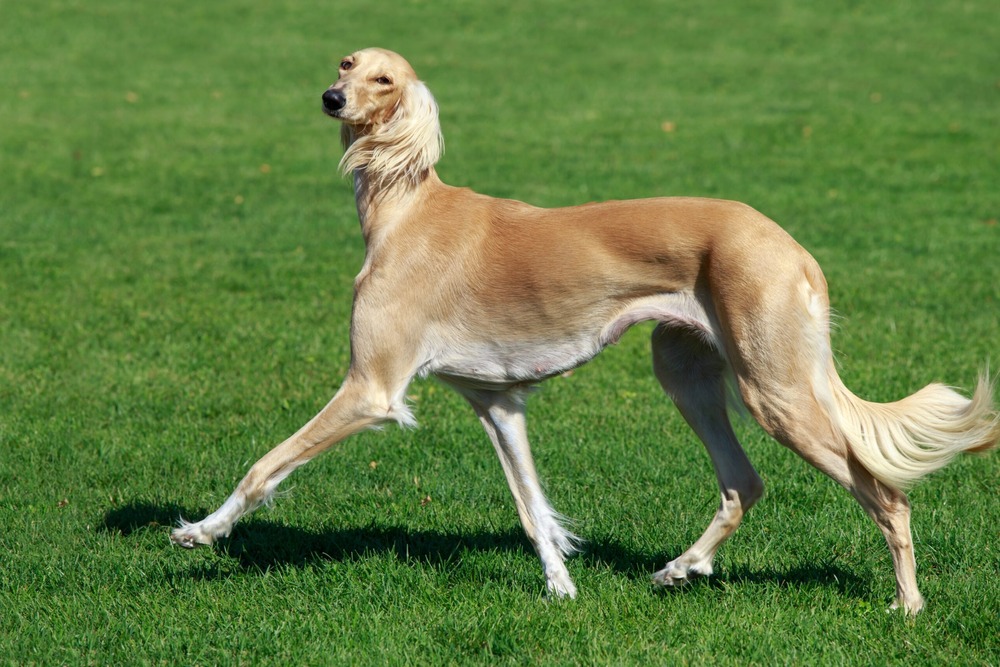
No breed is completely “problem free”, and Azawakhs are no exception. Broadly, they are often described as generally healthy, with individual risk shaped by genetics, sourcing, and lifestyle.3
Because they are deep-chested and built for speed, it is sensible to have a vet you trust and to keep up with routine checks. If your dog is ever unwell, mention that they are a sighthound. Sighthounds can have breed-specific considerations around anaesthesia and drug handling, and veterinary guidance may be adjusted accordingly.5
Helpful preventive habits include maintaining a steady, lean body condition, keeping nails short to support sound movement, and following your vet’s parasite prevention and vaccination advice.
Grooming and comfort, especially in cold weather
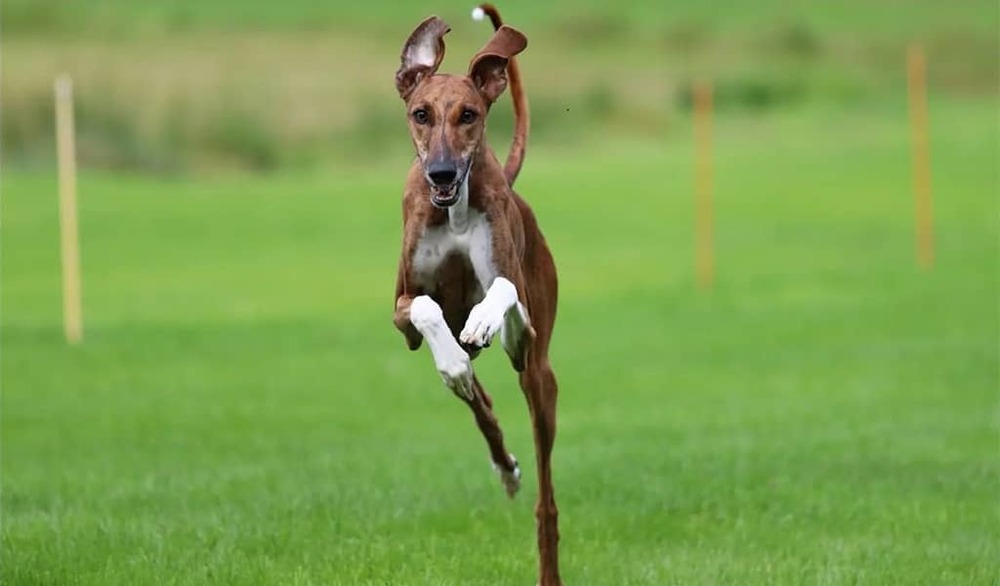
The coat is short and low maintenance, so grooming is usually about the basics: a quick brush to remove dust and loose hair, occasional bathing if needed, and regular checks of ears, teeth, and nails.
Where many owners get caught out is temperature. An Azawakh’s fine coat and lean body can make them more vulnerable to the cold. If you live somewhere chilly, plan for warm bedding indoors, coats on winter walks, and extra care if the dog gets wet. Cold exposure can contribute to hypothermia risk, particularly for slim, short-coated dogs.6
Feeding for a lean, athletic body
Azawakhs do best when food supports steady energy and maintains muscle without pushing them into softness. Rather than chasing a specific ingredient trend, it is more useful to pick a diet that is complete and balanced, then adjust amounts based on the dog in front of you.
Veterinary nutrition guidance often emphasises regular nutritional assessment and using practical measures like body condition scoring to guide feeding choices.7
If you are changing diets, do it gradually, and if your dog is persistently underweight, frequently loose in the gut, or fussy to the point of losing condition, speak with your vet before assuming it is just “typical Azawakh behaviour”.
Is an Azawakh the right fit?
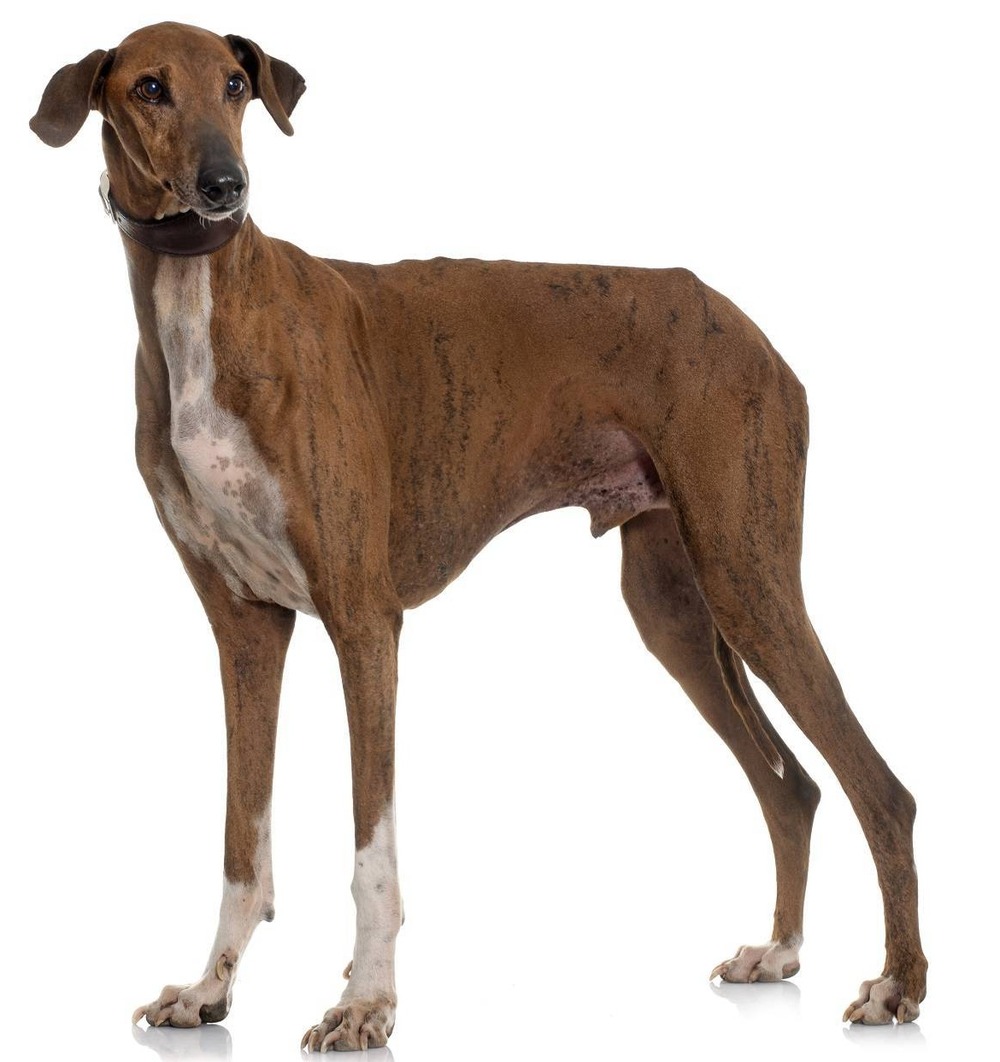
The Azawakh tends to suit people who appreciate a dog with a bit of distance and dignity, and who can offer both security and freedom within safe boundaries. They often do best with owners who enjoy training in a patient, relationship-first way, and who can provide regular opportunities to run safely.
If you want a dog who greets every stranger, happily tolerates unpredictable handling, and can be trusted off lead in unfenced areas, this may not be your breed. If you value a companion who is attentive, athletic, and deeply connected to their household, an Azawakh can be quietly extraordinary.
References
- FCI: Azawakh (No. 307) breed information and standard publication details
- Azawakhs.org: Breed information (vital statistics and life expectancy)
- PetMD: Azawakh breed health and care
- American Azawakh Association: About Azawakhs (history and origin)
- AVMA: Anaesthesia and your pet
- RSPCA: Winter and cold weather care for dogs
- WSAVA: Global Nutrition Guidelines
- RSPCA Australia: How do I keep my dog healthy and happy?
- American Kennel Club: Azawakh breed overview