

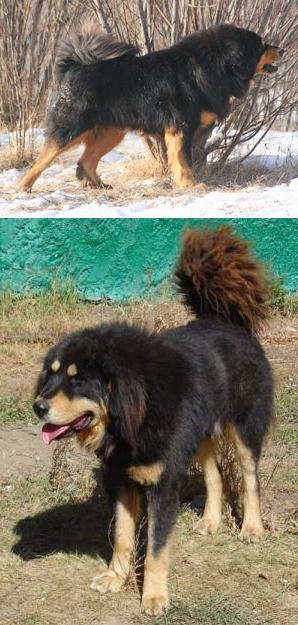
People usually stumble across the Bankhar because they have seen a photo of a big, bear-coated dog on the Mongolian steppe, or they have heard the breed described as an “ancient wolfhound” and wondered if that means it is a good fit for modern life. Then the practical questions arrive: is this a pet, a working guardian, or something in between?
It helps to start with a gentler assumption. A livestock guardian dog is not a larger version of a family companion breed. Bankhars were shaped by long stretches of quiet responsibility, making decisions around stock, weather, and predators. In a home setting, those same traits can look like steadiness, independence, and a strong sense of territory.
If you are considering a Bankhar, or simply trying to understand the breed, the useful lens is everyday management: space, boundaries, thoughtful socialisation, and careful heat planning. When those pieces are in place, a Bankhar’s strengths tend to make more sense.
Quick breed snapshot
Breed type: Landrace livestock guardian dog (working role).1
- Origin: Mongolia (also associated with Buryat regions).
- Typical build: Large, substantial frame with a thick double coat.
- Temperament trend: Loyal and protective, often independent in decision-making.
- Best match: Homes with space, clear routines, and people comfortable living with a guarding breed.
The Bankhar in context, history, purpose, and cultural role
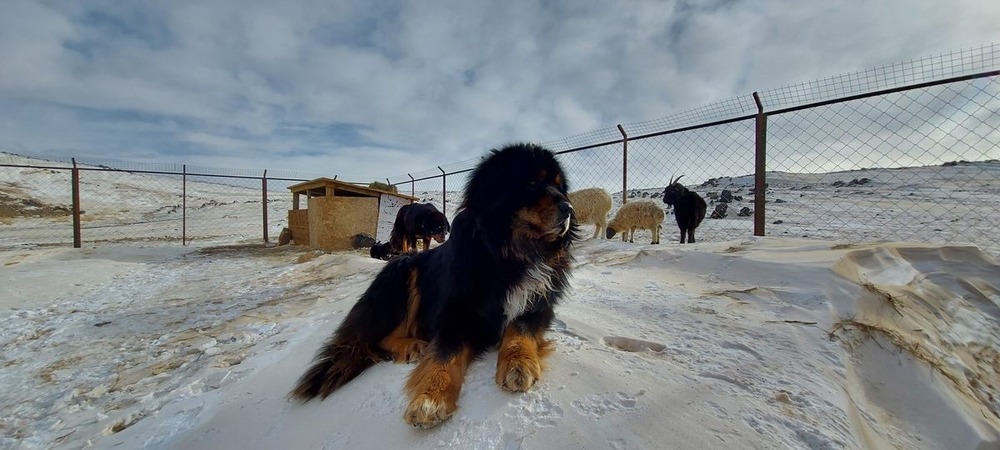
In Mongolia, dogs like the Bankhar have been valued because they make pastoral life possible. Their work is simple to describe and demanding to live: stay with livestock, notice what does not belong, respond early, and keep responding even when humans are asleep. Accounts of the breed commonly mention pressure from predators such as wolves and snow leopards, which helps explain why steadiness and persistence were favoured over showy friendliness.1, 2, 3
Modern preservation and reintroduction efforts also sit in that same working context. Projects focused on returning Bankhar-type dogs to herding communities are often framed as a practical way to reduce livestock losses while lowering the need for lethal predator control. That broader idea, using livestock guardian dogs as part of human-wildlife conflict management, has support in the research, but outcomes depend heavily on how the dogs are raised, placed, and supported day to day.2, 4, 5
For an owner reading about the breed from afar, the key takeaway is not romance or rarity. It is this: the Bankhar’s original job asked for calm vigilance, and that shapes behaviour long after the job description changes.
Appearance and coat, what you are really living with
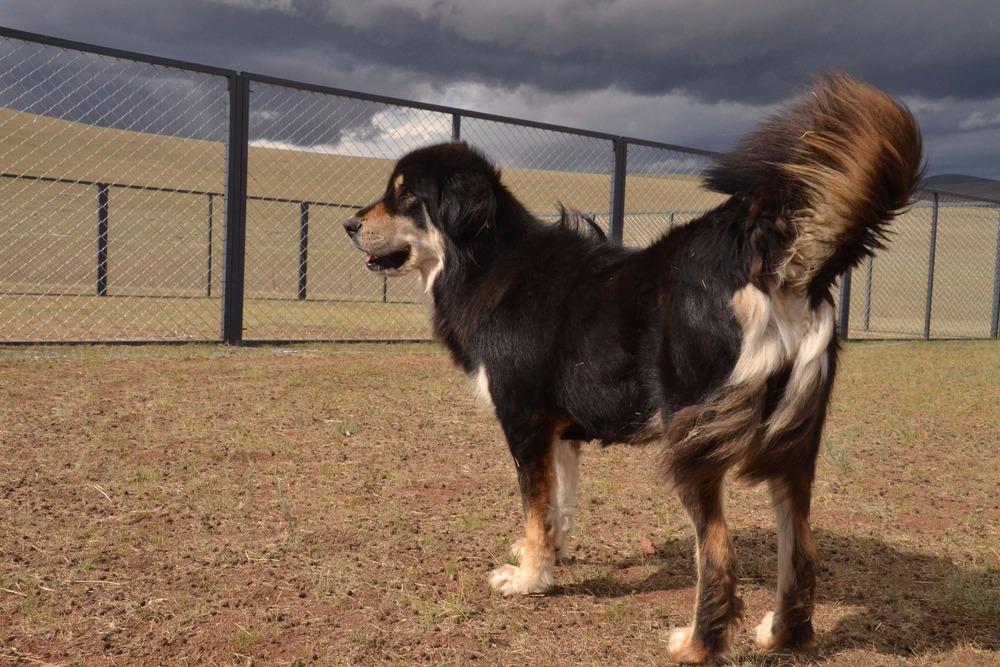
The Bankhar is typically pictured with a dense double coat, a substantial head, and a body built for endurance more than sprinting. That coat is not a styling choice. It is functional insulation, trapping air close to the skin in cold conditions, and it also affects how the dog copes with warmth.1
A common misconception is that a heavy double coat automatically means a dog is fine in heat, or that shaving will “fix” summer. In practice, thick-coated dogs can be at higher risk in hot, humid weather if owners assume the coat alone will manage the temperature. For most double-coated dogs, regular brushing and undercoat management is a safer plan than shaving, unless a veterinarian or experienced groomer advises otherwise for medical reasons (such as severe matting or skin disease).6, 7
If you are living somewhere with hot summers, think beyond the coat. Shade, airflow, cool rest areas, and sensible exercise timing matter more than cosmetic grooming choices.
Temperament and day-to-day suitability
Bankhars are often described as loyal and protective, and those words are broadly accurate, but they can be misunderstood. Protection in a guardian breed is usually less about constant intensity, and more about quiet assessment and a willingness to act when something feels out of place.1
That can work well in the right home. People who do best with guardian breeds tend to be consistent, calm, and comfortable setting boundaries without trying to “out-stubborn” the dog. A Bankhar may not offer the easy sociability of a breed developed primarily for companionship, and it may not enjoy frequent strangers moving through the house without careful introductions.
With children, the question is less “Are they good with kids?” and more “Can the adults manage the environment?” Early socialisation, supervision, and teaching children how to behave around a large dog are the foundations. For other pets, early exposure helps, but guarding instincts can still complicate things with unfamiliar animals entering the property.
Training and socialisation, what matters, and what tends to backfire
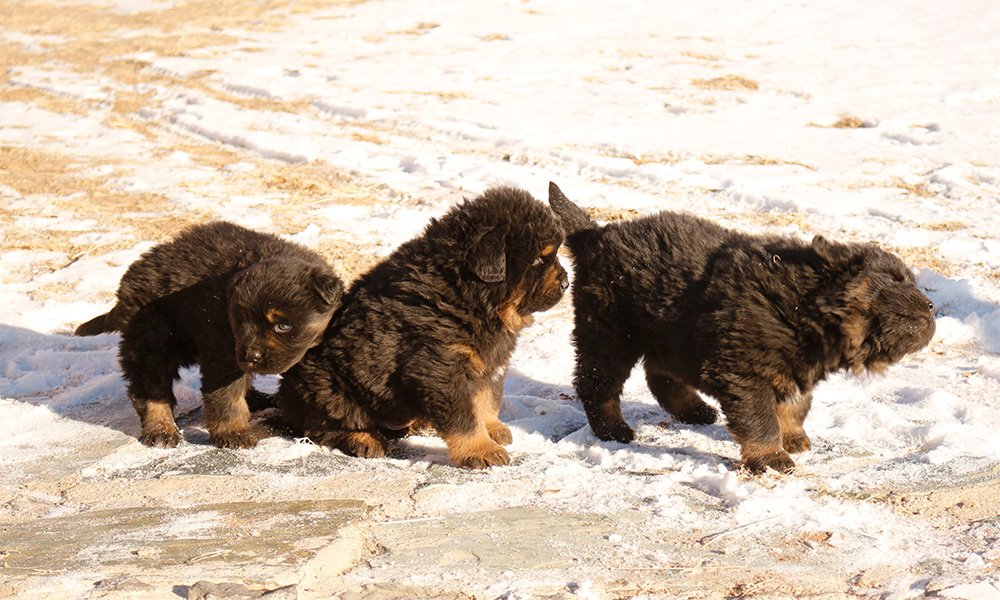
Training a livestock guardian type is usually about building a shared language, not chasing perfect obedience. Many will learn quickly, but they may also pause and decide whether a request makes sense in the moment. That is not “dominance”. It is a trait that was useful when dogs needed to work at distance from people.
What tends to help:
- Early, steady socialisation: calm exposure to people, dogs, surfaces, and routines, without flooding or forcing greetings.
- Short training sessions that end while the dog is still engaged.
- Reinforcement-based methods that build confidence and clarity.
- Practical boundaries, gates, a secure yard, and predictable household patterns.
What often backfires is harsh correction or repeated power struggles. With an independent dog, that can create conflict without creating understanding. If you want a guardian breed in a suburban setting, management is part of the training plan.
Exercise and enrichment, more than “a long walk”
Bankhar-type dogs are often high in stamina rather than frantic energy. They still need daily movement, but they also need a sense of purpose and a way to use their brain. A long, repetitive walk may not meet that need on its own.
Many owners find a better rhythm with a mix of:
- Morning and evening walks in cooler parts of the day.
- Calm, structured yard time, with secure fencing.
- Scatter feeding, scent games, and simple problem-solving activities.
- Training “life skills” such as settling on a mat, waiting at gates, and relaxed greetings.
In warm weather, the safest default is to adjust timing and intensity. Heat stress can develop quickly, especially when a dog is heavy-coated and enthusiastic about continuing on despite rising temperature.
Health considerations and preventative care
There is no single health profile that applies neatly to every landrace or regional population, but large, deep-bodied dogs are commonly at risk of orthopaedic issues such as hip dysplasia. Keeping a dog lean, avoiding rapid weight gain in growing pups, and planning exercise sensibly are practical protective steps. If you are buying from a breeder, ask for hip screening results and discuss what those results mean with a veterinarian.8, 9
Day-to-day preventative care is still the usual basics:
- Routine veterinary checks, including dental and weight monitoring.
- Parasite prevention appropriate to your region.
- Nail and paw care, especially if the dog spends time on rough ground.
- Coat checks for mats, skin irritation, burrs, and parasites.
Heat management, a real-world issue for thick-coated dogs
Bankhars are well adapted to cold, but many people who keep them outside of Mongolia will be managing heat for part of the year. The most reliable protections are surprisingly unglamorous: shade that actually stays shaded, constant access to cool water, and airflow. If the house is cooler than the yard, bring the dog inside.10
Know the early signs of heat stress, and treat them seriously. Heavy panting that escalates, drooling, weakness, vomiting, disorientation, and collapse are all red flags. First aid guidance in Australia generally recommends moving the dog to a cool area, applying cool or tepid water (not ice-cold), increasing airflow, offering small sips of water, and seeking veterinary help immediately.10
Diet and feeding, avoiding common traps
Feeding a large guardian type is less about “high protein” as a blanket rule, and more about meeting the dog in front of you: age, condition, workload, and climate. Many nutrition problems are simple ones in disguise, too many calories, too many treats, and a slow drift into overweight that affects joints and heat tolerance.
If you are choosing a commercial food, it helps to lean on veterinary nutrition guidance rather than marketing. The World Small Animal Veterinary Association (WSAVA) provides global nutrition guidelines and practical tools for assessing diet and selecting pet food, which can be especially useful when you are sorting through label claims.11
For puppies, talk with your vet about an appropriate growth plan for a large breed, including sensible portioning and monitoring body condition, because rapid growth and excess weight can increase orthopaedic risk.8
Final thoughts, choosing the right dog, not just the right breed
There is something quietly compelling about the Bankhar. It looks capable because it is capable, and it carries the behavioural imprint of real work. In the right setting, that can feel like steadiness and deep reliability.
But the best outcomes usually come when people choose the whole lifestyle package, not just the dog. Space, secure fencing, calm training, and realistic expectations about guarding behaviour are what allow a Bankhar to settle and make sense in a modern home.
References
- Wikipedia: Bankhar dog
- Institute of Canine Biology: Mongolian Bankhar (Mongolian Bankhar Project background)
- Atlas Obscura: Can the Mighty Bankhar Dogs of Mongolia Save the Steppe?
- Scientific Reports: Limited evidence on the effectiveness of interventions to reduce livestock predation by large carnivores
- Wildlife Research (CSIRO): Good dog! Using livestock guardian dogs to protect livestock from predators in Australia’s extensive grazing systems
- American Kennel Club: How Should You Groom a Double-Coated Dog?
- Dial A Vet: Is it safe to shave a double-coated dog, or will it affect their fur regrowth?
- American College of Veterinary Surgeons: Canine hip dysplasia information
- Orthopedic Foundation for Animals (OFA): Hip Dysplasia
- RSPCA NSW: Heat stress and heatstroke first aid
- WSAVA: Global Nutrition Guidelines