

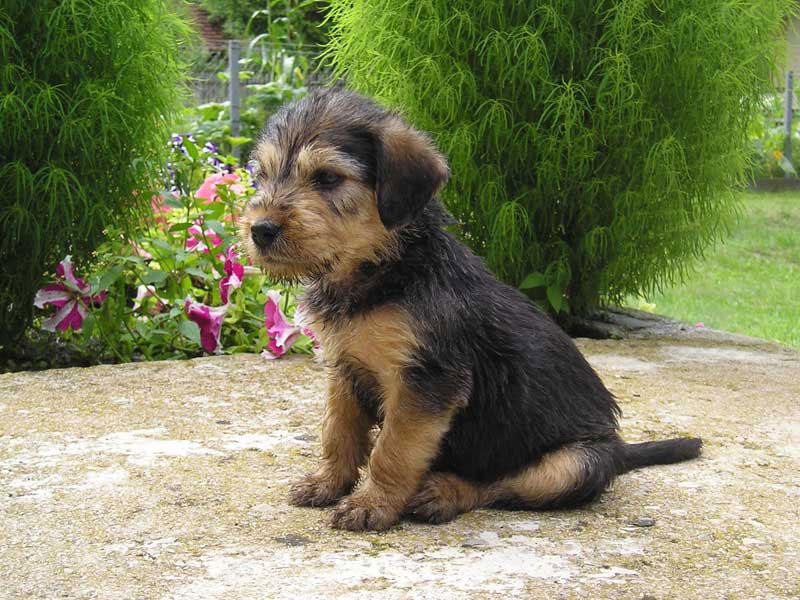
You might come across the Barak Hound when you are browsing rare scenthounds, talking with hunters, or simply noticing a shaggy, weather-ready hound that looks built for the outdoors. On paper, it can sound like any other “active, loyal, needs exercise” breed. In real life, what tends to matter is how that heritage shows up day to day: a dog that wants to follow its nose, keep moving, and stay connected to its people.
It is also easy to assume that a hunting breed is automatically too intense for family life. With the Barak, the picture is more nuanced. Many hounds can settle well in the home when their need for movement and scent work is taken seriously, and when training is calm, consistent, and reward-based.
The Barak is also known as the Bosnian Broken-haired Hound. It originated in Bosnia and Herzegovina and is recognised by the FCI as a medium-sized scenthound with a working trial.1, 2 If you are considering one, it helps to understand the breed as it was designed: hardy, persistent, and happiest when it has a job that makes sense to a nose-led dog.
Quick snapshot: what the Barak is like
Breed group: Scent hound (FCI Group 6).2
- Size: Medium.
- Typical height: Often around the mid 40s to mid 50s cm at the withers (standards vary by sex and registry).1
- Typical weight: Commonly reported around the mid-teens to low 20s kg.3
- Life expectancy: Often described in the low to mid teens, with individual variation like any breed.
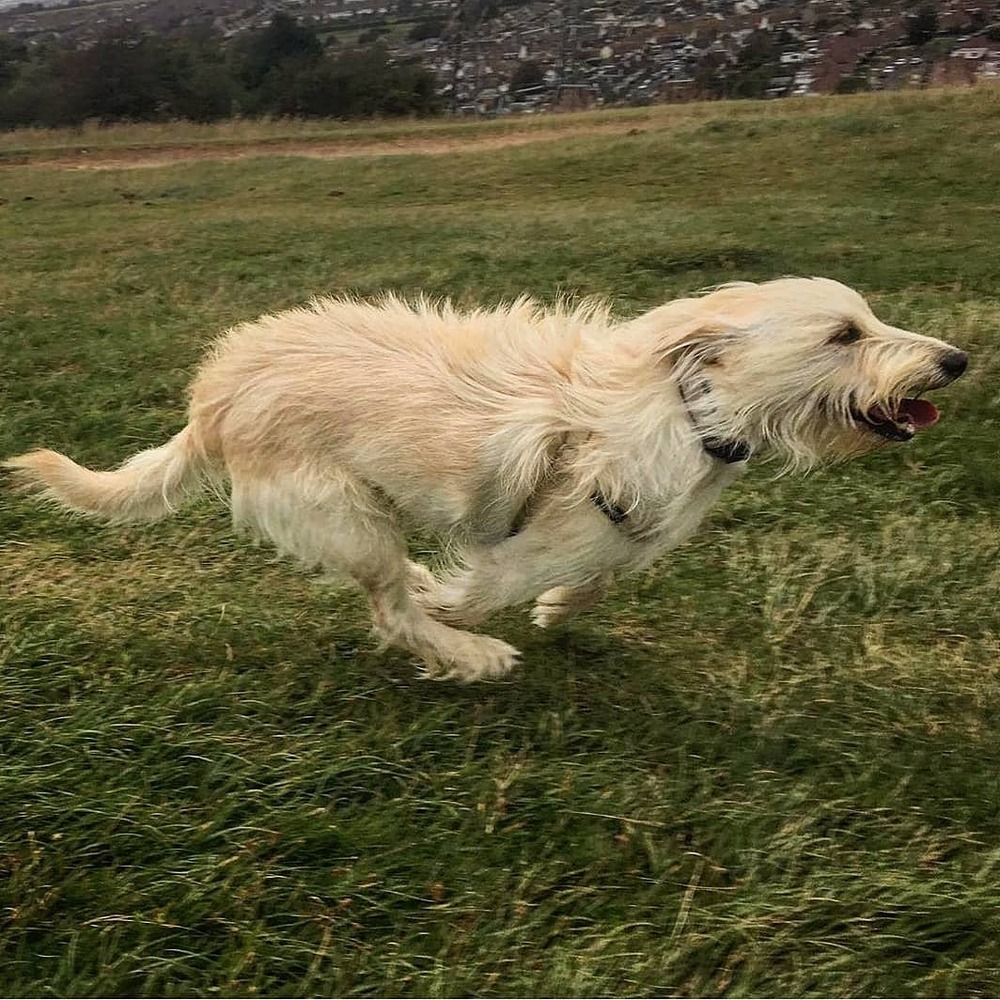
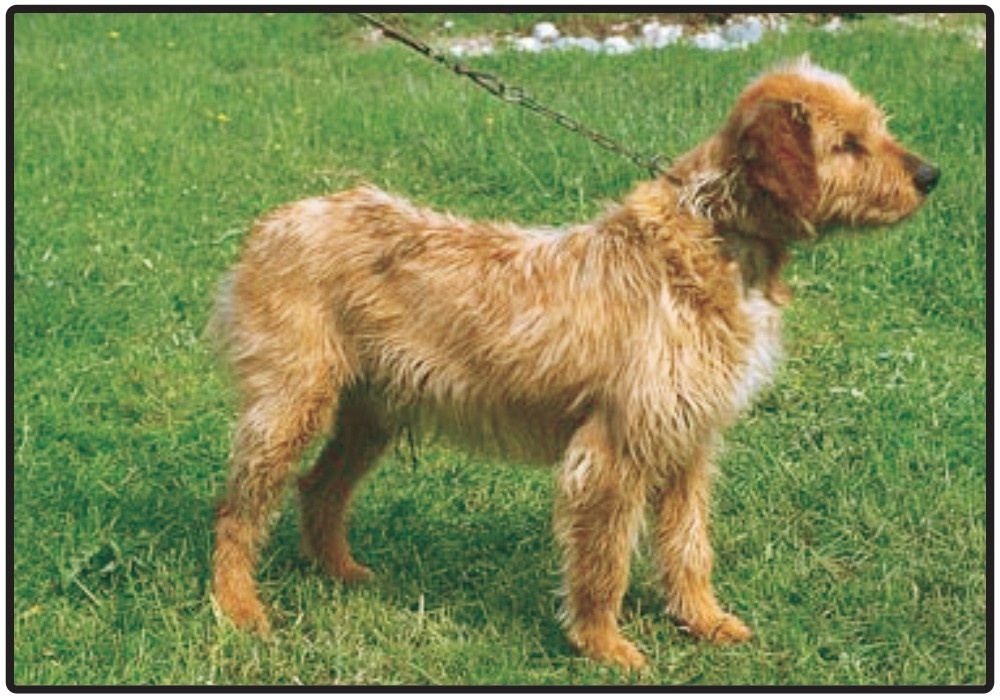
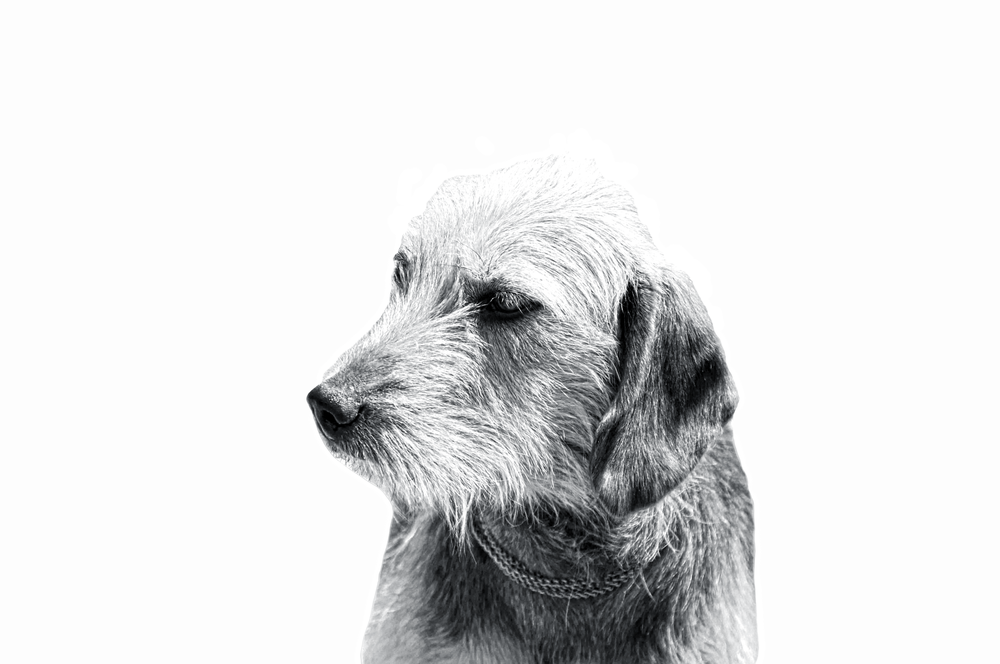
- Coat: Long, hard, shaggy, with a dense undercoat, built for rough country and weather.1
- Best known for: Scent tracking stamina and persistence in challenging terrain.1
Where the breed comes from, and why it matters
The Barak developed in Bosnia and Herzegovina as a scenthound used for hunting, selected for toughness, voice, and the ability to keep working when conditions are not kind.1, 2 Those priorities still echo in the modern dog.
In the official FCI material, the breed is described as resistant and persistent, with a carrying voice, and a lively temperament.1 For owners, that usually translates into a dog that can walk for longer than you expected, will notice every interesting smell on the ground, and may “report” what it has found with sound rather than silence.
The breed’s history also explains some common mismatches. People sometimes choose a Barak because they like the look, then discover they have brought home a dog that does not really want a short stroll around the block and a quick pat on the head. A Barak generally does best when it gets to use its senses in a structured way, not just burn energy in circles.
Temperament and day-to-day personality
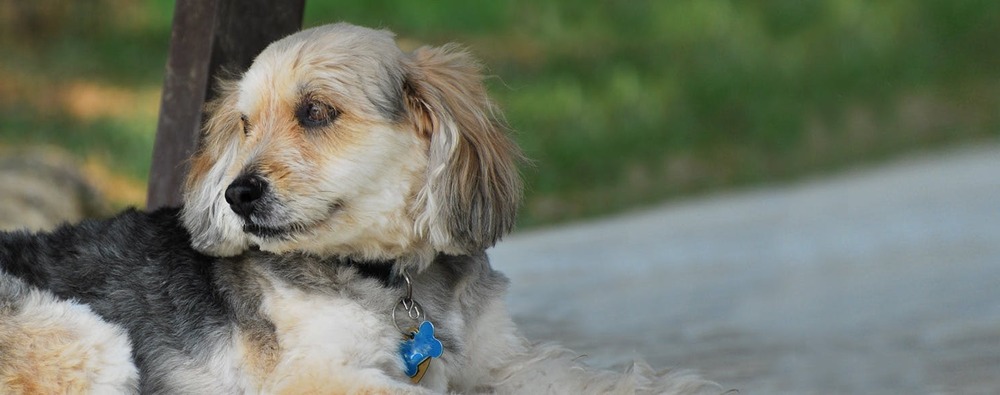
Breed standards often use words like lively and courageous.1 In home settings, you might see that as confidence in new outdoor environments, enthusiasm for exploration, and a tendency to stay engaged with scent trails. Many hounds are also quite social with their people, without being naturally suited to long periods of isolation.
With children, the main factor is less about “good with kids” as a label, and more about supervision, training, and routines. A medium-sized, energetic dog that likes to move can bowl over a small child without meaning harm. Thoughtful introductions, rest time, and teaching both dog and child how to share space safely tends to matter more than blanket claims.
With other pets, early socialisation can help, but it is wise to remember what a scenthound is designed to do. A strong interest in moving animals is not “bad behaviour”, it is part of the equipment. Management, secure fencing, and calm training are your friend here.
Training: what works best for a nose-led hound
For Baraks, training tends to go best when it is clear, consistent, and reward-based. The RSPCA recommends reward-based training (positive reinforcement) and advises avoiding aversive methods and tools that rely on pain, fear, or intimidation.4
A practical way to think about it is this: a Barak is often motivated by scent, movement, and the environment. Training works when you make the “good choice” easier and more rewarding than the alternatives, and when you practise in stages rather than expecting instant reliability in distracting places.
Useful focus areas
- Recall, slowly built: start in low-distraction areas, then add distance and smells gradually.
- Lead manners: hounds can pull because the world is interesting, not because they are being stubborn.
- Settle and switch-off skills: reward calm behaviour at home, not just excitement outdoors.
- Scent games as training: hiding treats, simple tracking lines, and sniff walks can help meet core needs while reinforcing cues.
Exercise and enrichment that suits the Barak
Most Baraks will need more than a quick daily walk. They tend to thrive on movement plus structured enrichment, especially activities that let them sniff and problem-solve. The RSPCA highlights that enrichment can include daily walks with opportunities to sniff, games, and safe, secure spaces for exercise, with care taken to avoid overdoing food-based enrichment in a way that drives weight gain.5
If you are trying to decide whether your dog has had enough, look at what happens afterwards. A dog that can rest and settle is often telling you the day’s needs were met. A dog that stays restless, scans the environment, or manufactures its own entertainment might be underdone on enrichment, over-aroused, or both.
Secure fencing matters with scenthounds. A compelling scent can pull a dog further than you expect, and “good intentions” are not a substitute for a safe setup.
Health considerations and preventive care
No single article can predict the health of an individual dog, especially with rarer breeds where population size and breeding practices can vary widely. Still, there are a few themes that come up often with active, medium-sized dogs and with hounds that have drop ears.
Hips and long-term soundness
Hip dysplasia is commonly discussed across many breeds, particularly medium to large dogs. If you are buying from a breeder, ask what health screening is done in their lines, and what results look like over time. The Orthopedic Foundation for Animals (OFA) is one widely used resource for understanding orthopaedic disease screening and terminology in dogs, even if specific participation varies by country and registry.6
Ears and otitis externa
Drop ears can create a warm, less ventilated environment that may contribute to ear problems in some dogs, especially when combined with moisture, wax build-up, or underlying skin disease. Australian veterinary prescribing guidance for companion animals notes that otitis externa work-ups commonly involve cytology, and that culture and susceptibility testing is recommended in chronic or recurrent cases, poor response, or when rods are seen on cytology.7
At home, the goal is not aggressive cleaning. It is noticing early signs such as head shaking, odour, redness, increased wax, or discomfort, then getting proper veterinary advice before it becomes a long-running cycle. Do not put products into a painful ear unless your vet has checked the ear canal and eardrum first.
Coat care, shedding, and everyday maintenance
The Barak’s coat is described in the FCI standard as long, hard, shaggy and with a dense undercoat.1 In practice, that usually means the coat is protective and forgiving outdoors, but it still benefits from routine care so it does not become a collection point for burrs, grass seeds, and dirt.
A sensible baseline is a thorough brush a few times a week, more often if your dog is regularly in scrub or long grass. Pay attention to friction areas like behind the ears, under the collar, and around the legs. If you find mats forming, it is kinder to deal with them early than to let them tighten.
Check for grass seeds after outings in risky areas. They can travel and cause significant problems, and early detection can spare your dog discomfort and you a bigger vet bill.
Feeding and body condition, without overthinking it
Baraks are active dogs, but “high energy” does not automatically mean “high food”. Feeding is best guided by body condition and real activity levels, not the label on the bag alone.
The WSAVA Global Nutrition Guidelines emphasise the value of nutritional assessment and an individually tailored plan, and provide practical tools such as body condition scoring resources and diet history forms to support sensible decision-making with your veterinary team.8
A grounded approach that usually helps
- Choose a complete and balanced diet appropriate to your dog’s life stage.
- Measure the main meals for a couple of weeks, then adjust based on body condition rather than guesswork.
- Keep treats as part of the overall intake, not “bonus calories”.
- If your dog is always hungry, do not assume it is a personality flaw. Talk with your vet about portions, diet choice, and whether there is an underlying issue.
Is the Barak right for your home?
The Barak tends to suit people who genuinely enjoy daily outdoor time and who like the idea of training as a long conversation rather than a quick fix. If you want a dog that will happily mooch around the backyard on its own and be satisfied with minimal input, this is often not the best match.
On the other hand, if you like walking, hiking, or structured dog sports, and you are open to a dog that experiences the world primarily through scent, the Barak can be a deeply rewarding companion. The key is meeting the breed where it is: give the nose a job, build skills patiently, and make home life calm and predictable.
References
- FCI Standard No. 155: Bosnian Broken-Haired Hound (Barak) (PDF)
- Federation Cynologique Internationale (FCI): Bosnian Broken-Haired Hound (Barak) breed page
- Wikipedia: Barak hound (overview and commonly reported size range)
- RSPCA Knowledgebase: Dog training recommendations (reward-based, avoid aversive methods)
- RSPCA Australia: The importance of enrichment for dogs
- Orthopedic Foundation for Animals (OFA): Health testing and orthopaedic disease resources
- Australian Veterinary Prescribing Guidelines (University of Melbourne): Companion animal guidelines, ears and otitis externa
- WSAVA: Global Nutrition Guidelines