

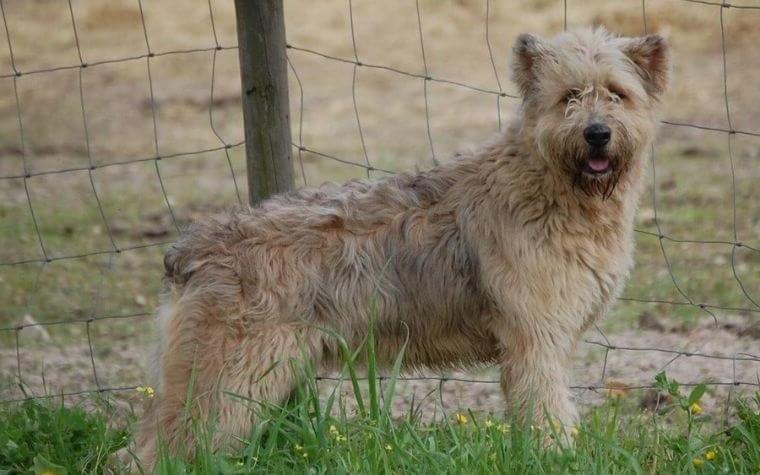
You might come across a Barbado da Terceira the same way many people do, by noticing a shaggy, bearded working dog in a photo from the Azores, or by hearing someone mention a “Terceira cattle dog” and wondering if it is a Portuguese Water Dog type. It looks familiar at a glance, but the story and the day to day needs are quite different.
What tends to surprise people is that this is not a modern designer breed, and it is not simply “a rare doodle look”. It is a practical farm dog shaped by cattle work on Terceira Island, with a coat and body made for rugged ground and changeable weather.
If you are considering one, or you have already met one, it helps to understand what sits underneath the coat: strong herding instincts, a busy mind, and a dog that generally does best when life includes movement, training, and a clear routine.
Breed snapshot: what people usually want to know first
- Origin: Terceira Island, Azores (Portugal)1
- Traditional role: cattle driving and herding, also used as a guard and companion1
- Size (breed standard): males 52 to 58 cm, females 48 to 54 cm at the withers; males 25 to 30 kg, females 21 to 26 kg1
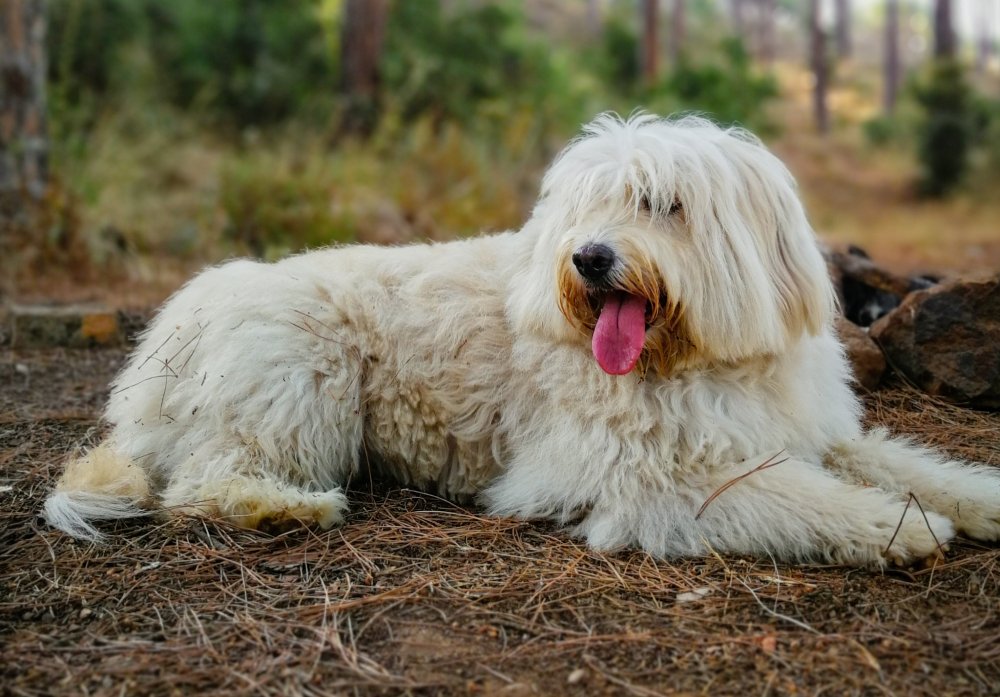
- Coat: long, abundant, wavy, with a beard and heavier furnishings on legs and tail1
- FCI status: Portuguese breed, not recognised by the FCI1
One quick correction that matters if you are cross-checking sources: you will sometimes see “25 to 35 kg” and a broad height range quoted online, but the Portuguese breed standard used by the Clube Português de Canicultura sets more specific ranges, including different weights for males and females.1
Origins and working role on Terceira

The Barbado da Terceira is closely tied to the settlement and farming history of the Azores. As livestock management developed on the islands, dogs that could gather and move cattle across uneven ground were essential. Over centuries, the local “barbado” type likely formed through a mix of dogs brought from mainland Portugal and other travellers, then shaped by what worked on Terceira.1
That background still shows up in behaviour. Many individuals will naturally pay attention to movement, position themselves to control space, and keep an eye on “their” group, whether that is cattle, kids, or other dogs. It is not stubbornness so much as habitual working logic. It can be channelled, but it is rarely absent.
Appearance and the traits that sit under the coat

This is a rustic, medium sized working dog with a slightly longer-than-tall outline, built to keep moving. The coat is long and wavy, with the beard that gives the breed its name. Colours in the Portuguese standard include yellow, grey, black, fawn, and wolf-grey shades, with limited white markings permitted in specific areas.1
Because the coat is abundant, it is easy to misread body condition. If you are assessing a dog’s weight, do it with your hands as well as your eyes. A good breeder and a good vet will talk you through what a healthy outline feels like for this breed, and will not rely on fluff.
Temperament, family life, and what “high energy” really means
In general terms, people describe the Barbado da Terceira as intelligent, trainable, and devoted to its people. The CPC standard also frames the temperament as a loyal companion, intelligent, and easy to teach, with a strong personality.1
In a home, “high energy” usually shows up as two separate needs:
- Physical outlets, such as walking, running, hiking, and structured play.
- Mental outlets, such as training, scent games, puzzle feeding, and task-based activities.
If those needs are met, many dogs settle well. If they are not, you may see pacing, over-alert barking, or attempts to control movement in the household. This is often where families decide whether the breed is a good match for suburban life. Plenty of dogs live happily in towns, but they are rarely “set and forget”.
Training and socialisation, with a focus on early weeks
With working breeds, it helps to think less about “obedience” and more about building skills for daily life: settling on a mat, coming when called around distractions, being comfortable with handling, and making good choices when something interesting moves past.
For puppies, socialisation is not simply meeting lots of dogs. It is gentle, positive exposure to the world, paced so the puppy stays under threshold. The RSPCA notes a critical socialisation period roughly between 3 and 17 weeks, when experiences can shape behaviour into adulthood, and recommends reward-based approaches.2, 3
In practical terms, that can look like:
- short, upbeat introductions to surfaces, noises, and everyday handling
- carefully chosen dog interactions, not chaotic free-for-alls
- reward-based training that builds confidence and clarity
If you are working with a trainer, look for someone comfortable with herding dog tendencies. A good plan usually includes calmness training as much as it includes tricks or sport foundations.
Exercise and enrichment that suits a cattle dog brain
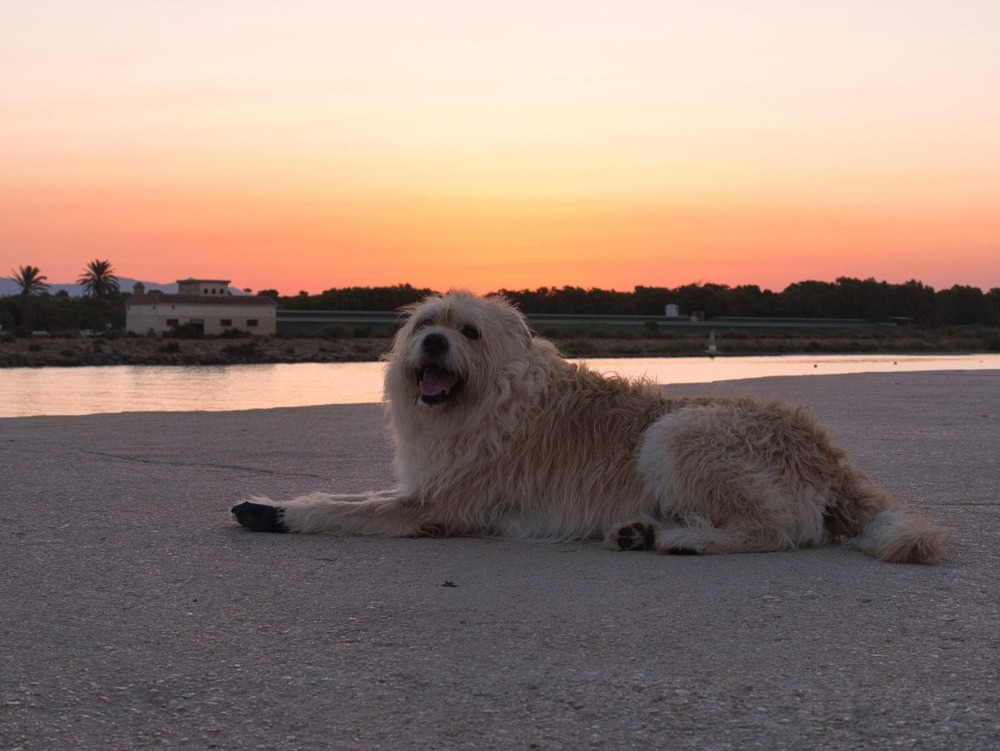
The Barbado da Terceira tends to do best with varied movement across the week rather than one huge weekend outing and very little in between. Many owners find that sniff-focused walks and short training blocks are as valuable as long runs.
If you want ideas that often suit the breed’s instincts, try rotating through:
- lead walking with sniff time built in
- recall games and impulse-control exercises
- scent work foundations (easy to do at home)
- agility style body awareness (low jumps, wobble boards, rear-end awareness)
Herding lessons and organised dog sports can be a great match for some dogs, but it is worth keeping expectations realistic. Not every herding breed individual enjoys stock work, and not every owner wants the travel and time commitment. A consistent, thoughtful home routine can still meet the dog’s needs very well.
Health considerations and sensible screening
For a relatively uncommon breed, the best “health advice” is often about process: choosing breeders who can explain what they screen for, why they screen for it, and how they use results to make breeding decisions.
Hip dysplasia is one of the issues commonly discussed for many medium and large working breeds. The Orthopedic Foundation for Animals outlines how hip dysplasia relates to abnormal joint development, how severity can vary, and how screening is performed using radiographs submitted for grading.4
Eye conditions also come up in general breed conversations. While the specific conditions can vary by line, formal eye screening schemes exist to help identify inherited and emerging problems before breeding. The BVA and Kennel Club eye screening scheme describes why screening is used and how results support breeding decisions.5
If you are buying a puppy, it is reasonable to ask what orthopaedic and eye screening has been done, and to request evidence, not just reassurance. If you already own a Barbado, your vet can advise what monitoring makes sense for your dog’s age, lifestyle, and any family history the breeder can share.
Grooming and coat care without making it a battle
The coat is practical, but it is not carefree. Most owners find they need routine brushing to prevent mats, particularly behind the ears, in armpits, and around the furnishings. A regular pattern is kinder than occasional long sessions, because the dog learns that grooming is predictable and not overwhelming.
A few principles usually help:
- Start handling early, even if the puppy coat is easy.
- Use short sessions and rewards, especially for feet, ears, and beard.
- Prioritise mat prevention over chasing a perfect finish.
Ear care matters in any drop-eared breed, particularly if the dog swims or gets muddy often. If you notice redness, smell, or frequent head shaking, it is worth a vet check rather than experimenting with home treatments.
Feeding and keeping a working dog in good condition
A Barbado da Terceira usually benefits from a diet that supports steady muscle and a healthy body condition, rather than rapid weight gain. Coat can hide weight, so regular hands-on body checks are useful.
Dental care is part of that whole-body picture. The AAHA dental guidelines highlight home oral hygiene and stress that tooth brushing is most beneficial when done daily, and that brushing removes plaque but does not remove calculus once it is established.6
If daily brushing is not realistic, it is still worth doing what you can consistently, then speaking with your vet about professional dental checks and safe, evidence-based dental products.
Recognition and rarity, plus what that means when you are searching
The Barbado da Terceira is recognised by the Clube Português de Canicultura in Portugal, and the CPC notes the breed is not recognised by the FCI.1
In the United States, the American Kennel Club’s Foundation Stock Service is sometimes mentioned in breed discussions, but people can confuse “listed in FSS” with full AKC breed recognition. For buyers, the practical point is this: if you are looking for puppies outside Portugal, the pool is small, and waitlists, travel, and careful due diligence are normal parts of the process.7
If you want to sanity-check breeder claims, it can help to start with the CPC’s own page for the breed, including height, weight, and general description, then work outwards from there.1
Final thoughts
At its best, the Barbado da Terceira is a dog that makes sense of the world through work, movement, and partnership. The coat and the beard catch the eye, but the real charm tends to come out in daily routines, when the dog has learned how to settle, how to play appropriately, and how to turn that quick mind towards a job you have actually asked for.
If you are choosing the breed, look for clear temperament, sound early socialisation, and breeders who are transparent about health screening. If you already live with a Barbado, you will usually get the best out of them by leaning into training as a shared language, not as a strict set of rules.
References
- Clube Português de Canicultura (CPC): Terceira Cattle Dog (Barbado da Terceira)
- RSPCA Australia Knowledgebase: Is socialising my puppy important?
- RSPCA Australia: Socialising your puppy
- Orthopedic Foundation for Animals (OFA): Hip Dysplasia
- British Veterinary Association (BVA): Eye Scheme (Canine Health Schemes)
- American Animal Hospital Association (AAHA): 2019 Dental Care Guidelines, recommending home oral hygiene
- American Kennel Club (AKC): Barbado da Terceira
- Wikipedia: Barbado da Terceira (overview and history summary)
- Clube Português de Canicultura (CPC): Breed clubs (includes Barbado da Terceira club listing)