

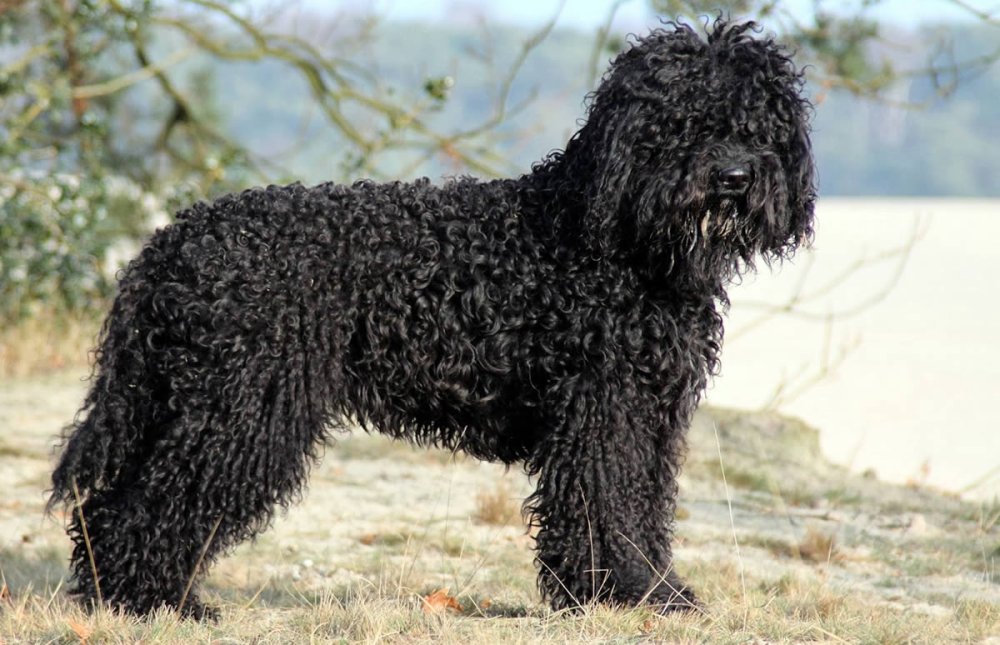
You usually meet a Barbet in the gap between expectation and reality. Someone says, “It’s a doodle,” or “It must be a poodle cross,” and then you notice the difference in the way the dog moves, the way the coat sits in natural curls, and how quickly it clocks what is going on around it.
Or you find yourself looking for a dog that genuinely likes water, can keep up with an active household, and still settles in close at home. The Barbet often comes up in that search because it was shaped by practical work, not by fashion, and many of the day-to-day questions people have about it are the same ones you would ask about any curly-coated, outdoorsy dog: grooming, exercise, heat, ears, and joints.
At its best, living with a Barbet is less about having a “rare breed” and more about having a companion built for movement, weather, and togetherness, as long as you understand what that asks of you.
Barbet at a glance
Breed group: Sporting (AKC), water dog section (FCI).1, 2
- Origin: France.2
- Coat: Profuse, curly, shown in a natural state, needs ongoing coat care.4
- Typical temperament: Often described as smart, even-tempered, friendly, and people-focused.1, 3
- Exercise needs: High for many individuals, daily movement and mental work matter.
- Common practical watch-outs: Coat matting, ear trouble after swimming, weight creep if exercise drops.
History and origin

The Barbet is a French water dog, developed for work that required stamina, a steady retrieve, and confidence in wetlands and cold water.2, 3 When you look at the coat and the solid, athletic build, you can see the logic: protection from water and weather, and a body designed to keep going.
In modern terms, it sits in the same broad family as other European water dogs and retrieving breeds. That context matters because it explains why many Barbets do best when they have something to do, not necessarily “work” in the hunting sense, but regular outlets that feel purposeful.2, 4
In the United States, the American Kennel Club lists the Barbet as fully recognised from 1 January 2020, where it competes in the Sporting Group.5, 6 If you have seen older dates floating around, they are usually mixing up early breed standard milestones or overseas recognition.
Physical characteristics that affect everyday care

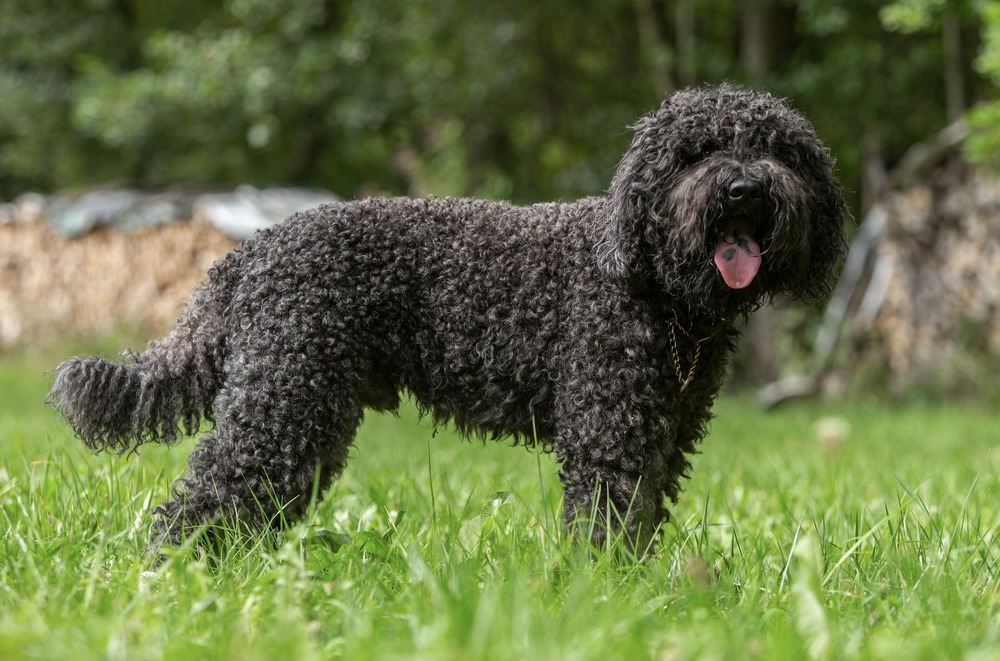
The defining feature is the coat. The Barbet Club of America breed standard describes a profuse, curly coat covering the body, including the head and ears, and emphasises that it should be presented clean, free of mats, and as natural as possible.4 That single paragraph tells you a lot about real life with the breed: grooming is not optional, and neglect shows quickly.
Many Barbets have webbing between the toes, which can support efficient swimming, but it also means you should make a habit of checking feet after muddy walks, beach runs, or time in lake edges where seeds and debris collect.
Coat colour is commonly black, brown, fawn, and grey, sometimes with white markings.1 Colour itself does not change care needs, but coat density and curl pattern can, so it is worth learning what your particular dog’s coat does between washes and trims.
Temperament and behaviour
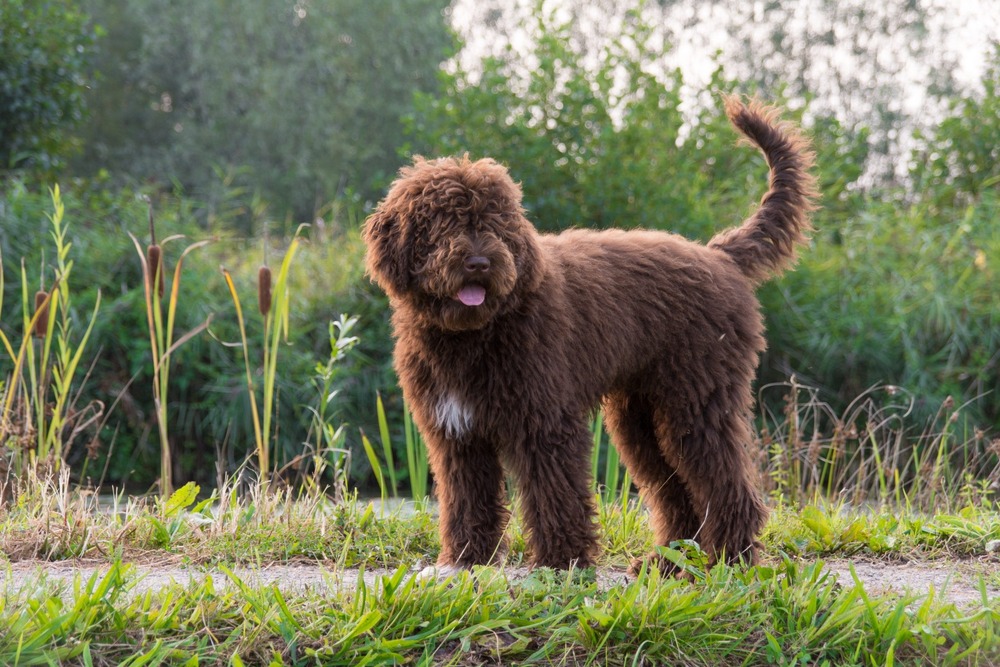
Most descriptions of the Barbet point to a dog that is bright, social, and steady, with a friendliness that suits family life when the dog’s needs are met.1, 3 That said, “friendly” is not the same thing as automatically easy. A clever dog can invent its own activities if boredom sets in, and an active retriever type may test boundaries if training is inconsistent.
They often do well with children and other pets when introductions are thoughtful and the dog is given space to decompress. As with any breed that can be enthusiastic, the practical goal is calm skills: greeting without crashing into people, settling on a mat, and having a reliable recall before freedom around water becomes the default.
If you are choosing a puppy, it is worth talking with the breeder about typical energy levels in their lines. Even within the same breed, some dogs are more intense, and matching that to your household is kinder than trying to “train it out”.
Training and exercise needs
Barbets tend to respond well to reward-based training, partly because many are engaged by food, toys, and shared play. The trick is to keep it structured enough that the dog understands the rules, but varied enough that training does not become background noise.
Early socialisation is not about creating a dog that loves every stranger. It is about building confident, neutral behaviour in everyday places: parks, vet clinics, cafes, school pick-up zones, and wet-weather walks.
For many Barbets, a good daily pattern includes:
- Movement with purpose, such as brisk walks, jogging with an experienced adult dog, hiking, or retrieving games.
- Short training sessions that use the dog’s brain, including scent games and basic obedience.
- Water time where safe and legal, with supervision and a plan for drying ears afterwards.
Health and lifespan
No breed is “health proof”, and the Barbet’s practical risk areas are familiar ones: hips, ears, and the less obvious knock-on effects of coat and lifestyle.
Hip dysplasia is a known concern across many medium and large active breeds. It is influenced by both genetics and environment, which is why responsible breeders screen breeding stock and owners focus on sensible growth, lean body condition, and appropriate exercise, especially during adolescence.7
Ear issues are another common theme with floppy, hair-covered ears, particularly in dogs that swim often. Wet ears plus warm weather plus restricted airflow can create the conditions where infections take hold. If your Barbet swims, ask your vet for an ear-care routine that suits your dog’s history, rather than relying on one-size-fits-all products.
Lifespan is often quoted around the low-to-mid teens. The bigger practical point is that longevity usually looks like unglamorous consistency: keeping the dog lean, maintaining fitness, and staying on top of coat and ear care.
Grooming and maintenance
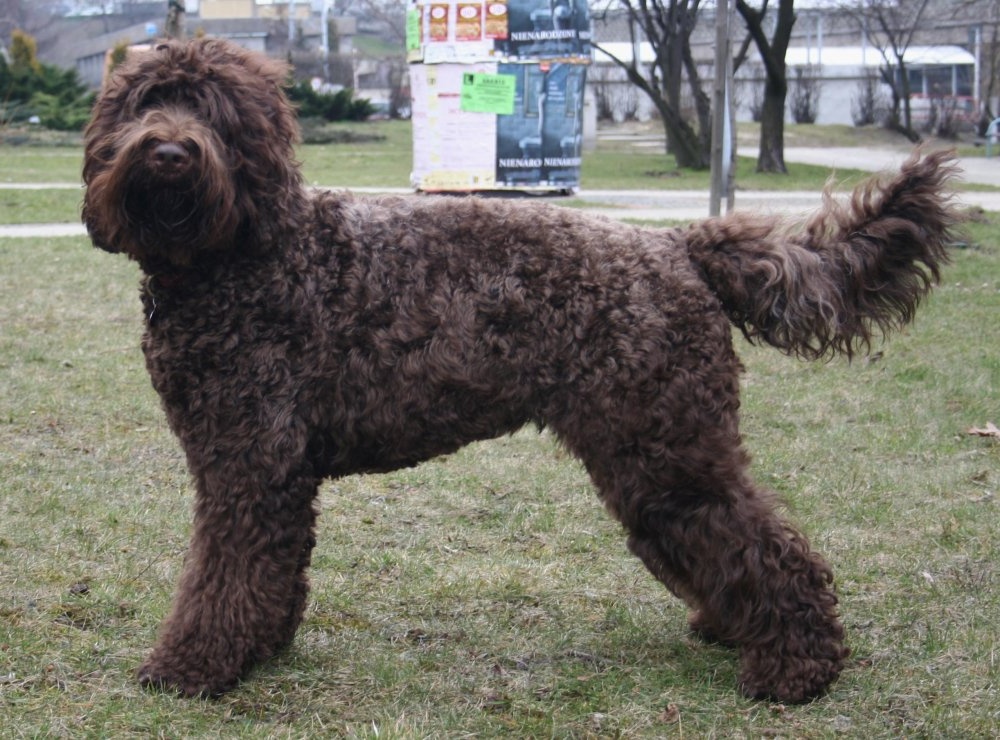
The Barbet coat is beautiful, but it is also the part of ownership that can quietly overwhelm people. Mats tend to form where friction happens: behind ears, under collars and harnesses, in armpits, and around the groin. Once a coat is heavily matted, shaving can become the kindest option, and that can be emotionally hard for owners who have been trying to “save” the length.
A workable routine is usually a mix of home care and professional grooming. Think in terms of preventing matting, not chasing it after it starts:
- Brush and comb through to the skin several times a week (more if the coat is long or the dog swims).
- Keep hair around the eyes and mouth tidy for comfort and hygiene.
- After swimming, rinse if needed, towel dry thoroughly, and pay special attention to drying ears.
- Book regular professional grooms to reset the coat length and keep it manageable.
On hot days, many owners assume a full shave is automatically best. With double-coated breeds that can be complicated, but the Barbet’s coat is different. Even so, any major coat change is worth discussing with a groomer who understands curly coats and with your vet if your dog has skin issues.
Diet and nutrition
Barbets often have a healthy appetite, and active dogs can look as if they “need” more food than they do. In reality, the easiest way to protect joints and long-term comfort is to keep your dog in a lean body condition and adjust portions with seasons, not just with age.
The World Small Animal Veterinary Association (WSAVA) provides practical guidance for selecting pet foods and reading labels, including the idea that an ingredient list alone does not tell you whether a food is high quality.8 If you are unsure, your vet can help you choose a diet that fits your dog’s workload, coat condition, and digestive tolerance.
Be especially cautious with treats during training blocks. Treats are useful, but it is easy to overshoot energy needs when you are doing daily reinforcement work. Some owners simply measure out part of the day’s kibble allowance and use that for training, then top up meals accordingly.
Heat, water, and seasonal common sense
A long, dense coat and an enthusiastic attitude can be a tricky mix in hot weather. Even dogs that love exercise can overheat if humidity is high, shade is limited, or the dog is not used to the conditions.
RSPCA Australia recommends practical heat safety steps like avoiding exercise in hot, humid conditions, ensuring shade and ventilation, providing plenty of water, and never leaving a dog in a vehicle.9, 10 Learn your dog’s early heat-stress signs, and have a plan to stop, cool down, and seek veterinary help if you are concerned.
If your Barbet swims regularly in summer, remember that water fun does not cancel heat risk. Swimming can still be intense exercise, and many dogs will keep going past the point where they should stop unless we set the boundaries for them.
Living with a Barbet, the honest fit
The Barbet suits people who enjoy daily motion and can commit to coat care without resentment. It can be apartment-friendly in the sense that size is manageable, but only if the dog’s exercise and enrichment needs are met, and if barking and restless behaviour are addressed early with training and routine.
If you want a dog that joins you for walks, swims, weekend adventures, and then settles into family life, the Barbet can be a lovely match. The secret is not a special trick or perfect schedule. It is simply meeting the breed where it is, a capable water dog with a curly coat and a mind that prefers to be included.
References
- American Kennel Club: Meet the Barbet (AKC recognised breed feature)
- Federation Cynologique Internationale (FCI): Barbet breed information and standard publication details
- American Kennel Club press release: Barbet gains full recognition (effective 1 January 2020)
- Barbet Club of America: Breed standard (coat description and presentation)
- American Kennel Club: Breeds by year recognised
- PR Newswire: AKC announcement on Barbet full recognition date (1 January 2020)
- International Partnership for Dogs (DogWellNet): Hip dysplasia overview
- World Small Animal Veterinary Association (WSAVA): Global Nutrition Guidelines and pet owner tools
- RSPCA Australia: Warm weather worries, protecting pets from heatstroke
- RSPCA Australia: Keeping your pet safe during heat (heatstroke signs and prevention)