

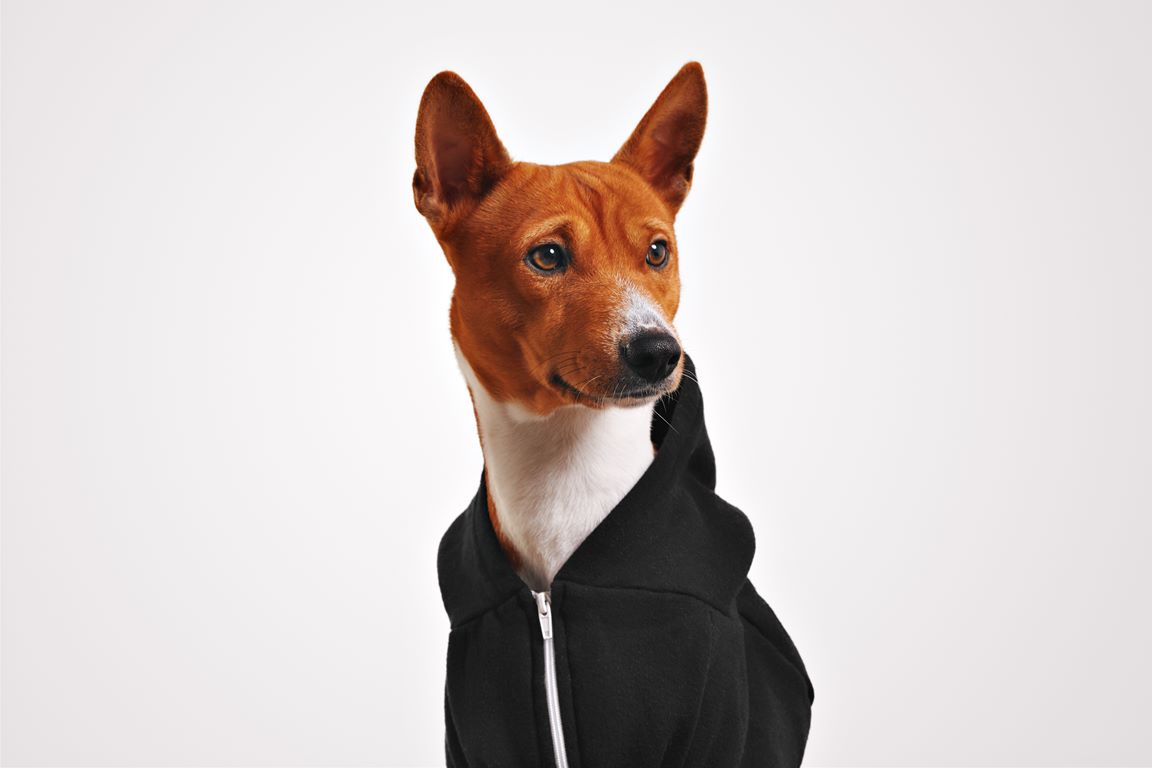
- Breed category: Hound (AKC), primitive type (FCI)
- Country of origin: Central Africa (often associated with the Congo region)
- Average height: Males about 43 cm, females about 40 cm
- Average weight: Males about 11 kg, females about 9.5 kg
- Average life span: About 12 to 14 years
- Grooming requirements: Low, occasional brushing
- Exercise requirements: High, needs daily exercise and mental work
- Coat type: Short and fine
- Coat colours: Red, black, tricolour, brindle (often with white markings)
- Shedding level: Low to moderate
- Vocal style: Rarely barks, may yodel and make other sounds
You might first notice a Basenji because of what you do not hear. A dog at the park that never barks, then suddenly makes a curious yodel-like sound, or a tidy, sleek little hound that watches everything with a quiet intensity.
People often assume “barkless” means easy, calm, or low maintenance. With Basenjis, it is more accurate to say they are selective communicators. They can be charming and beautifully self-possessed, but they also have strong instincts and a knack for making their own decisions.
Understanding the Basenji’s background helps in everyday life: how you set up your yard, how you train (and what you should not bother with), and what health checks matter before you commit to a puppy.
The Basenji at a glance
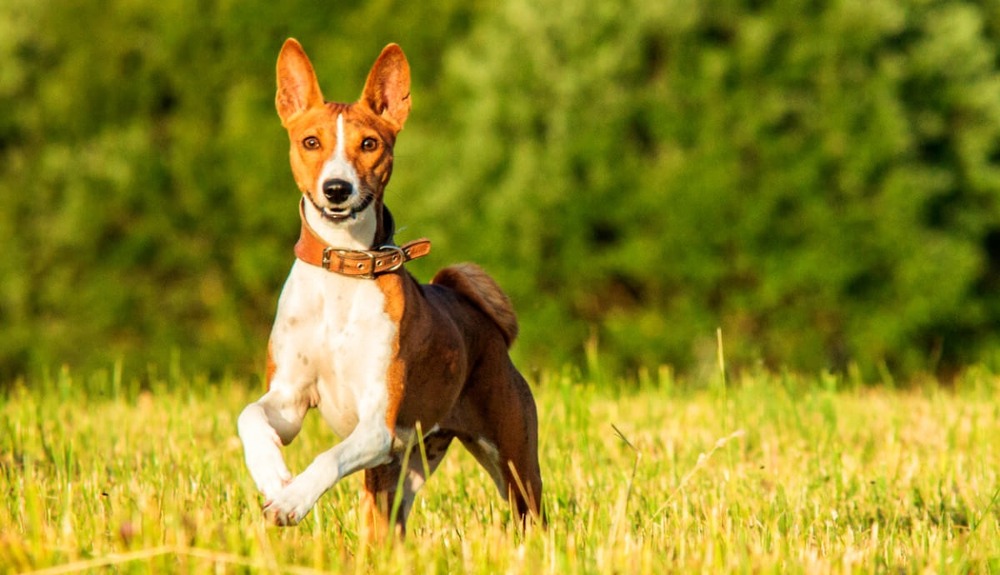
The Basenji is a small, athletic hunting dog with a short coat, a tightly curled tail, and a wrinkled brow that becomes more obvious when they are concentrating. They are often described as “barkless”, not because they are silent, but because they do not tend to bark in the usual repetitive way. Instead, many Basenjis make an unmistakable yodel-like vocalisation, plus a range of chortles, growls, and grumbles depending on the situation.3, 4
In the home, this can look like a dog who is observant, quick, and surprisingly good at finding the one weak point in your routine. Their independence can read as aloofness, especially with strangers, but with familiar people they are often affectionate in a restrained, on-their-terms way. A useful mindset is to expect partnership, not obedience.
Origins and what that means today
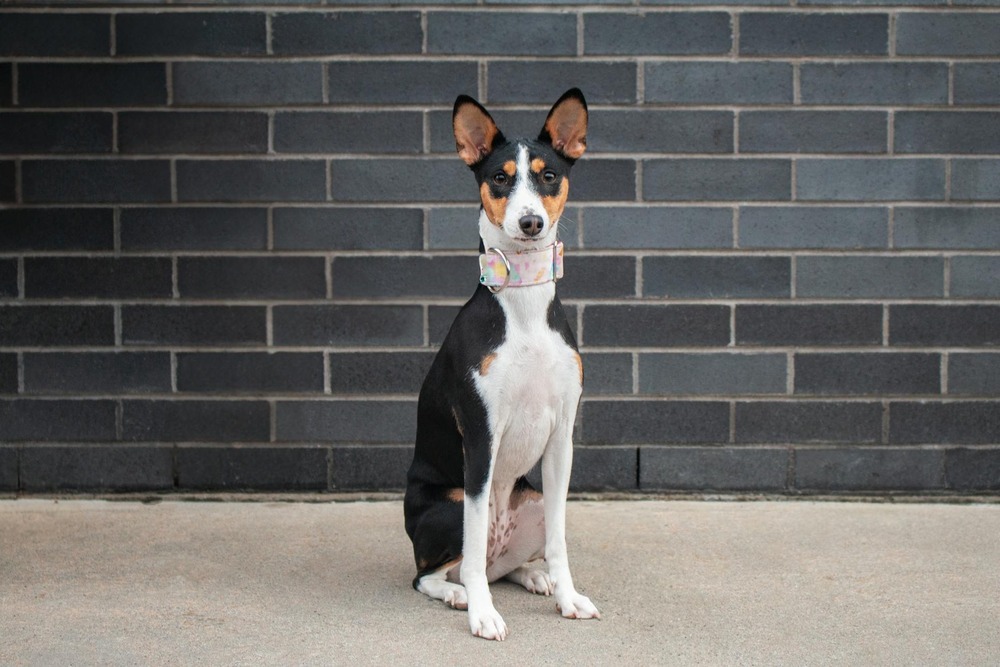
Basenjis come from Central Africa and were developed as efficient hunting dogs. That history still shows up in modern life: they are quick, agile, and motivated by movement. If something darts, rustles, or runs, many Basenjis will find it hard to ignore. That is not “bad behaviour”, it is a predictable outcome of breeding for hunting ability.
It also helps explain why recall can be difficult in open areas, and why a Basenji that looks calm indoors can suddenly switch on outdoors. Secure fencing is not optional for many households. If your idea of weekend fun is an off-lead dog wandering beside you, this is the point where you pause and think carefully.
Kennel clubs place the Basenji a little differently depending on the system, which reflects how old and distinctive the breed is. The FCI lists the Basenji under Spitz and primitive types, while the AKC groups them with hounds.2, 3
Temperament, family life, and other pets
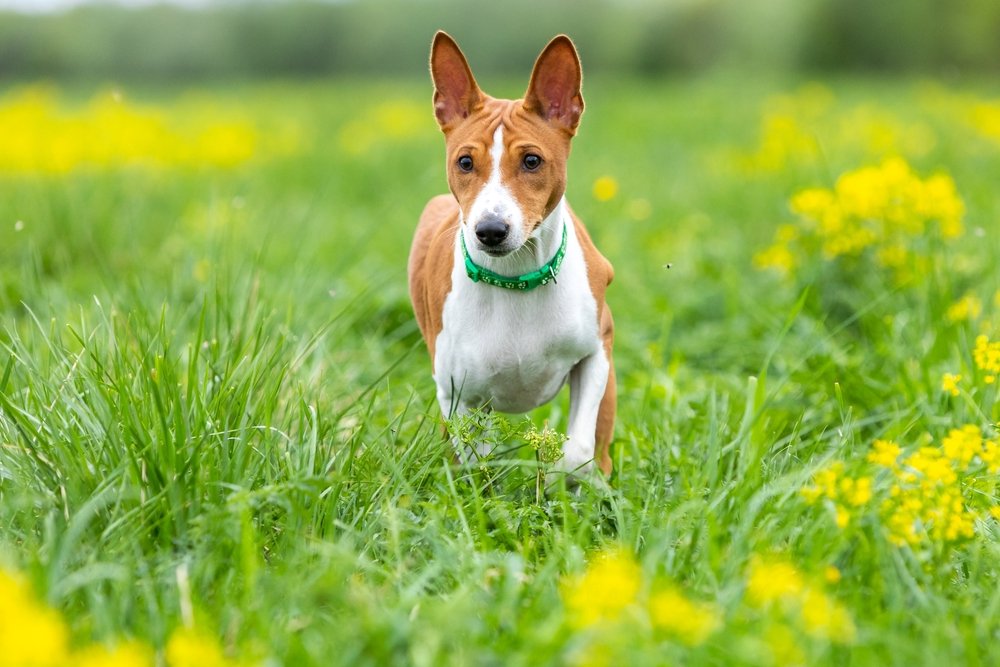
Basenjis are often best described as curious, independent, and bright. They tend to notice patterns quickly, including which cupboard holds the treats, which gate latch is loose, and which family member is easiest to convince. That intelligence is a gift, but it also means boredom shows up fast.
With children, many Basenjis do well when the household has clear boundaries and the kids are old enough to understand respectful handling. They are not usually the type to tolerate constant poking or unpredictable grabbing. If you have younger children, aim for supervised, low-pressure interactions and set up dog-only resting places.
With other dogs, some Basenjis are social and playful, while others are more reserved. Early, positive social exposure helps, but it does not override individual preference. With small pets (cats, rabbits, poultry), caution matters. A Basenji may live peacefully with a cat they have grown up with, yet still be unsafe around unfamiliar small animals outdoors.
Training and exercise that actually works
Basenjis do not usually thrive on repetitive drilling. If training feels like a negotiation, that is normal. Keep sessions short, reward-based, and practical. Focus on skills that improve day-to-day life, rather than chasing a “perfect” dog.
For many Basenjis, the most valuable training goals are:
- Comfort with handling (ears, paws, nails, vet checks)
- Loose-lead walking and calm greetings
- Reliable “wait” at doors and gates
- Recall training in stages, using long lines and controlled environments
- “Drop it” and “leave it” for safety
Exercise needs are not just about kilometres. A Basenji that only gets a brisk walk may still be restless if they do not get chances to sniff, search, climb, and think. Add enrichment like food puzzles, scent games, training games, and safe sprinting in secure areas. Aim for daily movement plus mental work, not occasional big outings.
Socialisation matters too, but it is not a single event. It is the slow accumulation of good experiences. The commonly cited “critical socialisation period” falls within roughly 3 to 17 weeks of age, and many welfare and behaviour groups stress that puppies need safe social exposure before the full vaccination course is completed, with sensible risk management guided by your vet.5, 6, 7
Health issues to know about before you buy
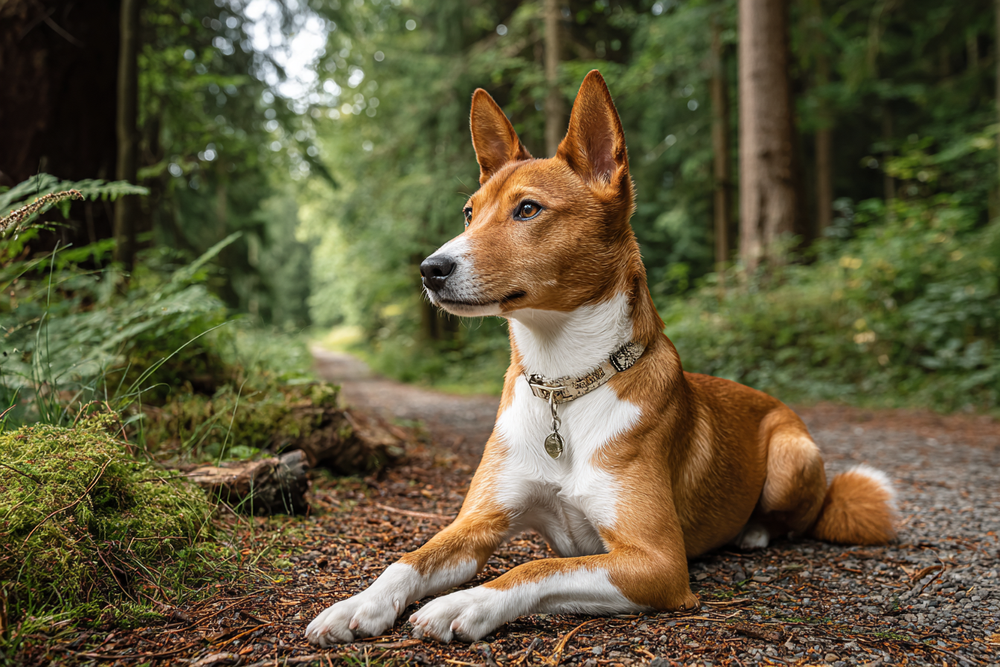
Basenjis can be robust, but they have a few breed-associated conditions that are important to understand because good breeding decisions make a real difference.
Fanconi syndrome
Fanconi syndrome is a serious inherited disorder affecting kidney tubule function, leading to abnormal loss of nutrients and electrolytes into the urine. It can be life-limiting if untreated, but outcomes improve when it is recognised early and managed under veterinary guidance.1, 8
A direct DNA test is available, and reputable breeders should be able to show results (and explain them) for both parents. When you are assessing a breeder, ask for OFA-registered results or equivalent documentation, not verbal reassurance.1, 8
Progressive retinal atrophy (PRA)
PRA refers to a group of inherited retinal diseases that can lead to progressive vision loss. In Basenjis, DNA testing for known variants is used in breeding programs, alongside eye examinations. Ask what testing has been done in the line and how results are used in mating decisions.9
Hips and general health screening
Like many active breeds, Basenjis can be screened for orthopaedic issues such as hip dysplasia. Health testing varies by country and kennel club culture, so the key is transparency: what was tested, what the results were, and what the breeder does with that information over time.8
If you already have a Basenji, good routine care still does the heavy lifting: maintaining a lean body condition, regular dental care, parasite prevention suited to your area, and keeping vaccinations current based on your vet’s advice and local risk. Global veterinary guidelines emphasise tailoring vaccines to the individual and region, rather than treating every dog as identical.10
Grooming, coat care, and daily management
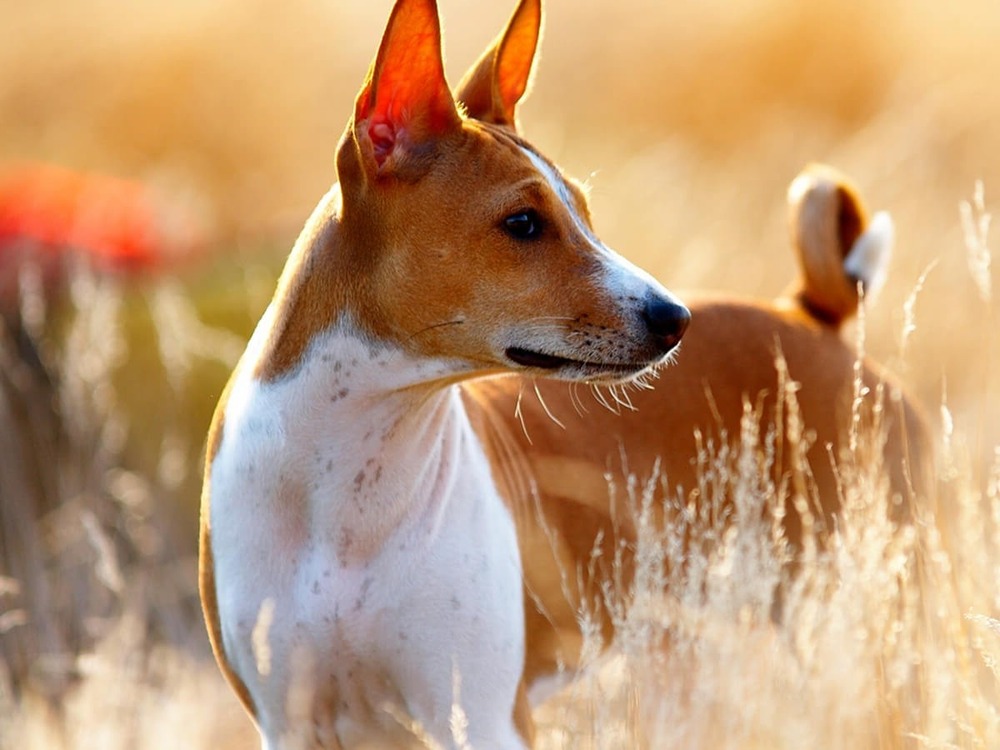
The Basenji’s short coat is straightforward. A weekly brush is usually enough, and many owners notice their dog does a fair bit of self-grooming. Low coat maintenance does not mean low overall maintenance, though. Nail care, in particular, can become a struggle if you leave it too long, so it helps to teach calm paw handling early.
Because many Basenjis are sensitive to cold, plan for winter comfort. That might mean a warm bed away from draughts, a coat for early morning walks, and keeping outdoor time sensible on chilly days. Comfort supports behaviour too, since a cold, uncomfortable dog is less likely to settle.
House management is where Basenjis often succeed or fail. If they have access to interesting problems, they will work on them. Baby gates, secure bins, and boredom-proofing are not overkill, they are stress prevention for everyone.
Nourishment and feeding without fuss
Basenjis generally do well on a complete, balanced diet suited to their life stage, with portions adjusted to keep them lean. They are athletic dogs and tend to carry extra weight poorly, so it is worth getting familiar with body condition scoring and checking in with your vet if you are unsure.
If you want to add fresh foods, keep it simple and safe. Avoid known toxins such as chocolate, grapes and raisins, onions, and xylitol-containing products. When changing diets, transition gradually to reduce stomach upset.
Basenjis in media and the “barkless dog” myth
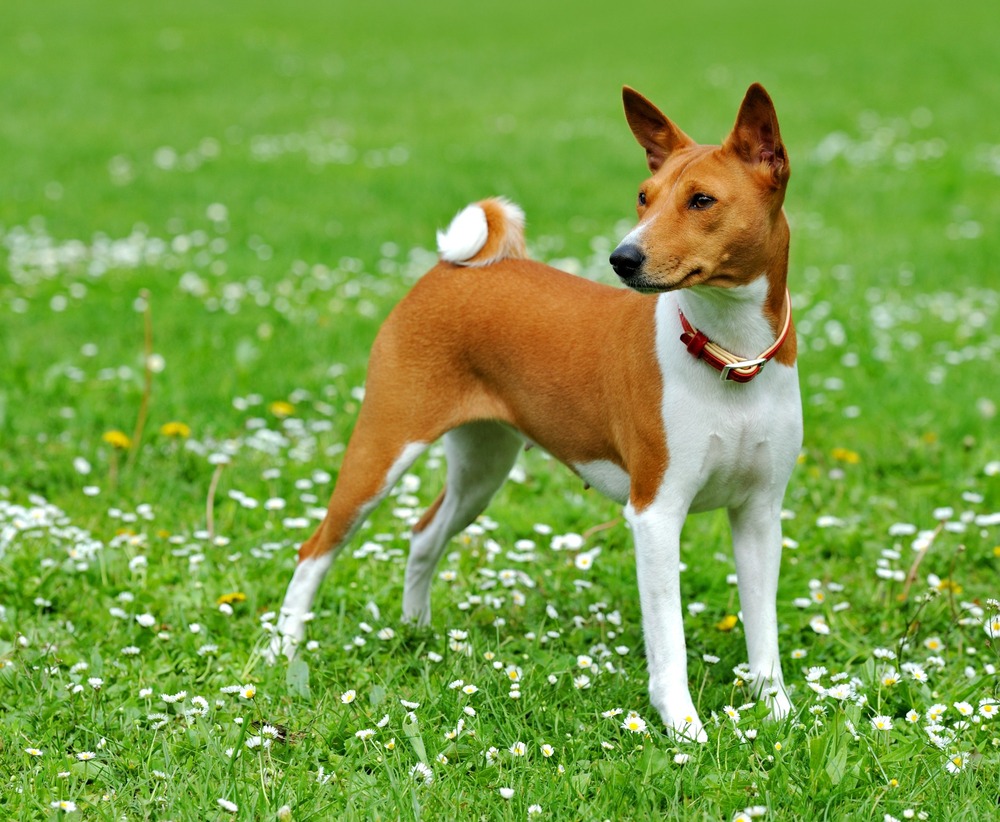
Basenjis pop up in stories as the “barkless dog”, and that label sticks because it is partly true and easy to repeat. The more useful version is that they often do not bark in the typical pattern people expect, and their unusual yodel-like sound is linked to the breed’s laryngeal anatomy.3, 4
In real households, this means you might have a dog that does not alarm-bark at every passing noise, but still expresses themselves plenty. If you live in an apartment or close to neighbours, you still plan for training, enrichment, and quiet-time routines.
Final thoughts
A Basenji can be a wonderful companion for the right person, especially someone who appreciates a dog with opinions and enjoys building skills patiently. They often suit homes that like structured routines, secure containment, and daily engagement.
If you are choosing between breeds, it can help to ask a practical question: do you want a dog who aims to please, or a dog who aims to understand what is in it for them? Basenjis tend to live in that second category. When you meet them there, with clear boundaries and kind, consistent training, you often get a relationship that feels quietly special.
References
- Orthopedic Foundation for Animals (OFA): Fanconi Syndrome
- Fédération Cynologique Internationale (FCI): Basenji standard and classification (No. 43)
- Wikipedia: Basenji (overview of traits and vocalisation)
- Westminster Kennel Club: Basenji breed profile
- RSPCA Australia Knowledgebase: Is socialising my puppy important?
- RSPCA Australia: Puppy care and early experiences
- American Veterinary Society of Animal Behavior (AVSAB): Puppy Socialization Position Statement
- Basenji Health Endowment: Direct Fanconi Syndrome DNA Test FAQ
- Basenji Health Endowment: Health issues (including PRA information)
- WSAVA: Global Vaccination Guidelines (2024)