

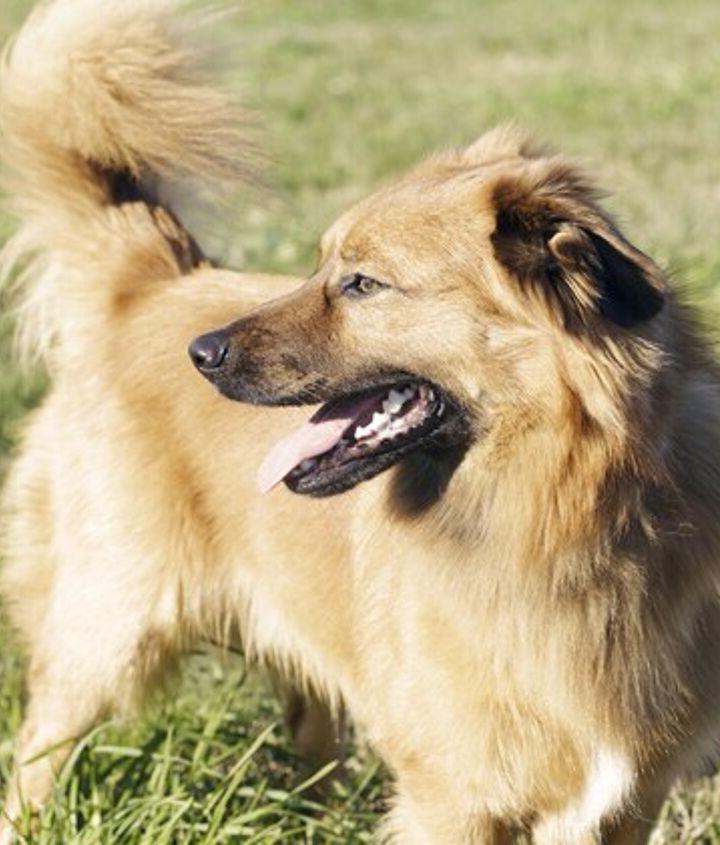
People tend to meet the Basque Shepherd Dog in one of two ways. They see a photo and assume it is “another collie type”, or they meet a bright, compact working dog and start wondering why they have never heard of the breed before.
What usually comes next is a practical question: if this dog was built to move livestock across steep country all day, what does that mean for life in an ordinary home, with school runs, neighbours, and a backyard that is not a mountain pasture? The answer is not that they are “too much dog” for everyone. It is that they do best when their instincts, exercise, and learning needs are taken seriously.
The Basque Shepherd Dog (Euskal Artzain Txakurra) is closely tied to the pastoral culture of the Basque Country in northern Spain. Understanding that background helps you read their behaviour more clearly, and plan the sort of routine that keeps them settled, responsive, and healthy.
- Breed category: Herding
- Country of origin: Spain (Basque Country)
- Height: About 46 to 61 cm (varies by sex and variety)
- Weight: About 17 to 36 kg (varies by sex and variety)
- Life span: Commonly around 12 to 15 years
- Coat: Medium length, dense, moderate shedding
- Exercise needs: High, daily physical work plus mental engagement
- Grooming: Moderate, regular brushing
Basque Shepherd Dog origins and working background
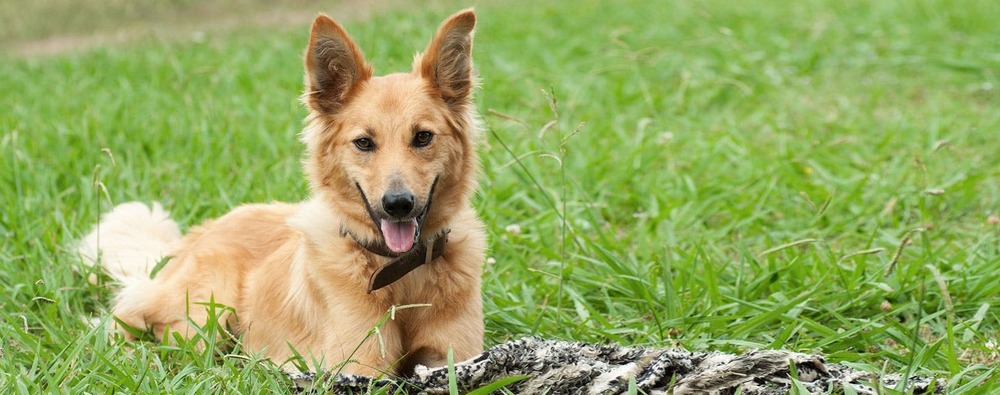
Basque Shepherd Dogs developed alongside a farming and herding way of life in the Basque Country. They were shaped less by fashion and more by usefulness: nimble movement, quick learning, and the ability to keep working in difficult terrain.
In modern terms, you can think of this as a dog bred to notice motion, make decisions fast, and keep a close, responsive connection with their handler. Those traits can look like “always on” energy in pet homes, especially if the dog does not get enough structured activity.
The breed was recognised by Spain’s national kennel club (Real Sociedad Canina de España) in January 1996, in two varieties (Gorbeiakoa and Iletsua).1, 2 That recognition matters if you are researching responsible breeders, because it helps you find clearer breed descriptions and avoid vague “rare shepherd” listings that may not be this breed at all.
Appearance and the traits you actually notice day to day
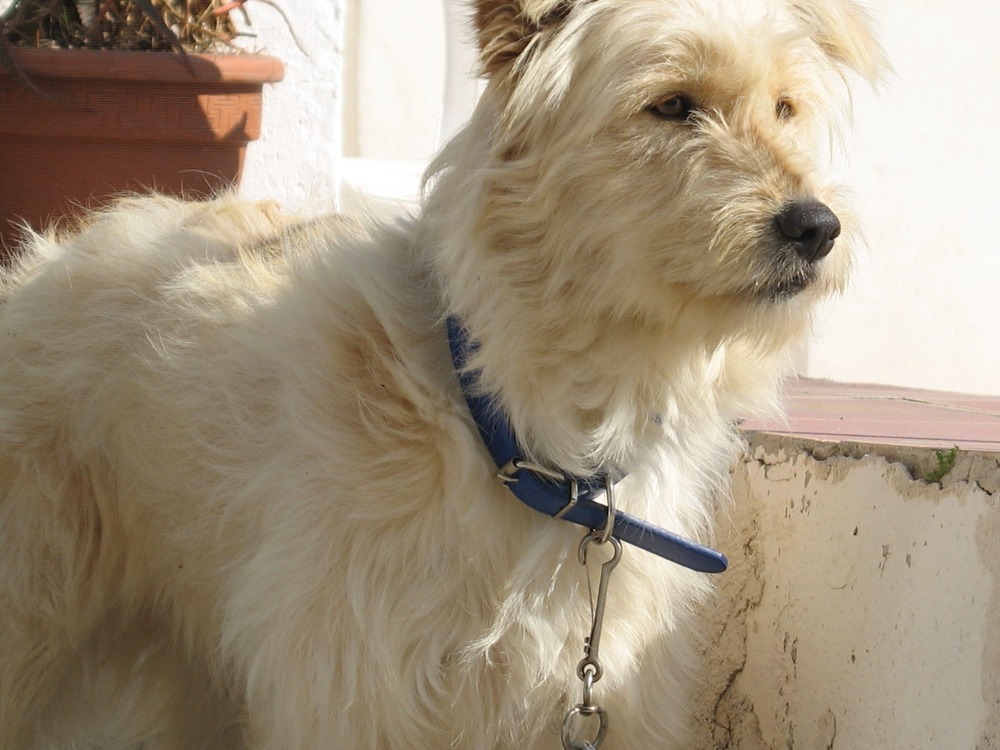
Basque Shepherd Dogs are medium-sized, athletic dogs with a practical coat and an alert, scanning style of attention. In real life, the hallmark is not a single “look” so much as a sense of readiness: they tend to stand balanced, move efficiently, and orient quickly to sound and movement.
The coat is typically medium length and dense, designed for outdoor work. Colours vary by variety, but you will commonly see fawn, red, or cinnamon tones, sometimes with darker shading.1, 2 Expect moderate shedding, with seasonal increases that feel more noticeable when the weather shifts.
Temperament, instincts, and suitability for family life
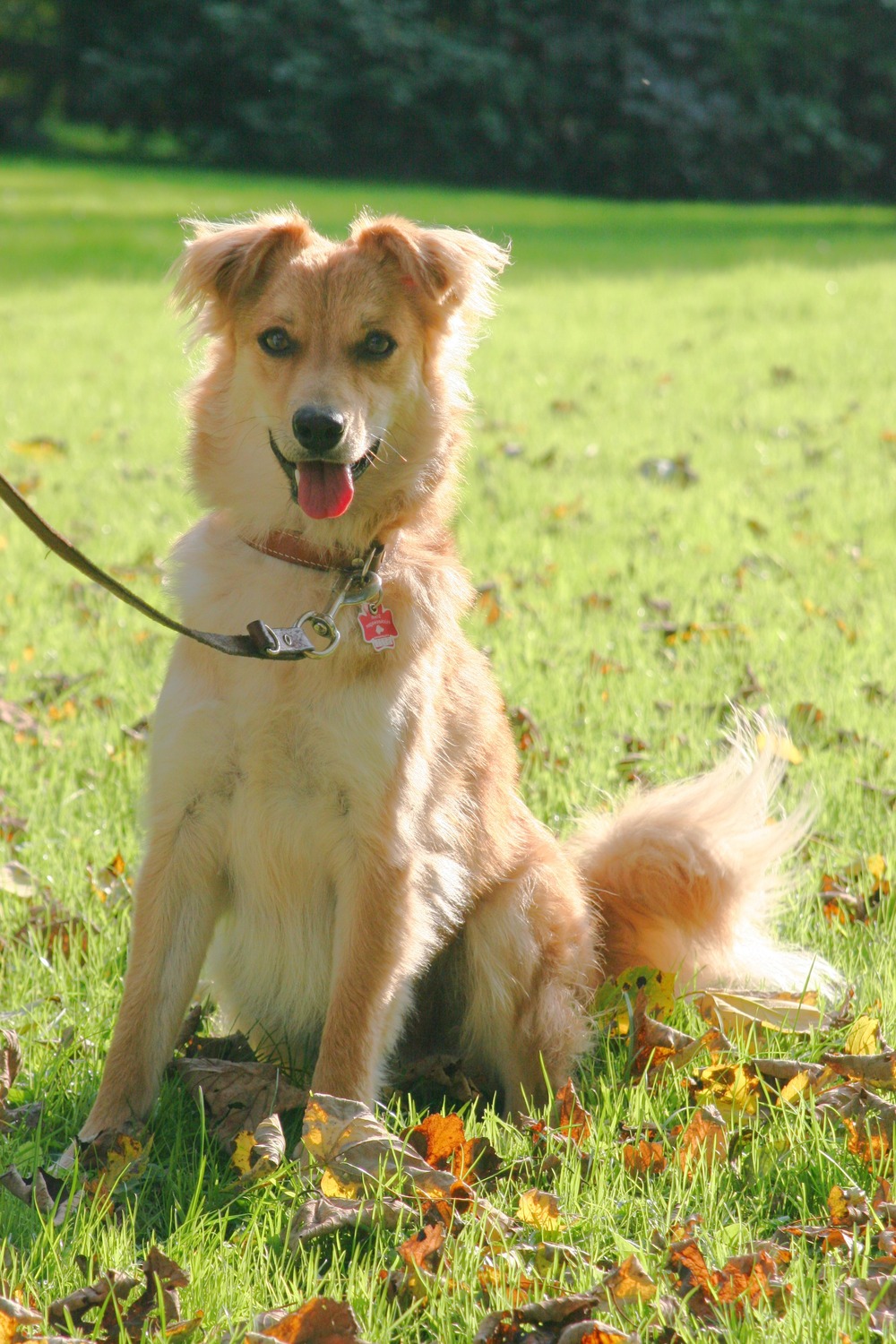
In many herding breeds, “good temperament” is sometimes misunderstood as “naturally easy”. The Basque Shepherd Dog is often sociable with their people and quick to learn, but they are still a working dog at heart. A busy mind without enough direction can translate into restlessness, over-alertness, or creative home renovation.
With children, the usual goal is to shape the dog’s natural tendencies early. Herding dogs may try to control movement during play by circling, staring, or bumping. That does not mean aggression, but it does mean you will want calm supervision, well-practised cues, and plenty of appropriate outlets for chase and problem-solving.
With other animals, outcomes are often best when introductions are deliberate and the dog is rewarded for disengaging. Early socialisation helps, but it is just as important to keep practising those skills through adolescence, when confidence and intensity can rise.
Training and exercise, what helps them settle
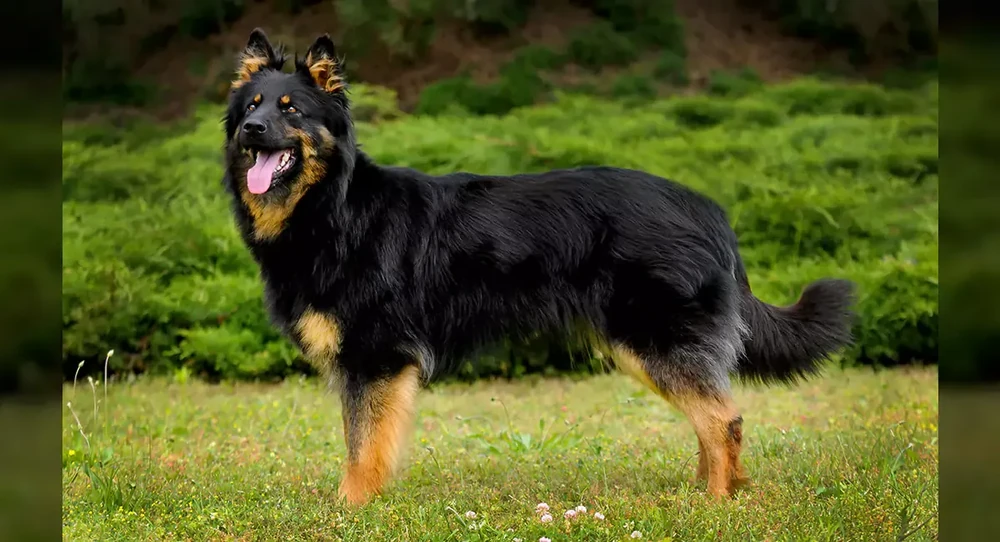
Training tends to go well when it feels like a shared project rather than a power struggle. Basque Shepherd Dogs often respond to positive reinforcement, clear criteria, and sessions that stay short enough to prevent frustration or boredom.
Exercise is not only about kilometres. Many high-drive dogs cope better when physical activity is paired with thinking tasks. A long walk without any engagement can still leave the dog “unfinished”, especially if they spend the whole time scanning for things to manage.
Useful daily ingredients often include:
- Sniffing time on a long line in a safe area
- Basic obedience cues in real environments (not only the backyard)
- Games that build control, such as “leave it”, recall practice, and settle on a mat
- Dog sports that suit herding brains, for example agility, rally, or structured herding where available
If you live close to neighbours, it helps to treat barking as information rather than “naughtiness”. Look at what triggers it (movement outside a window, visitors, evening wildlife) and work on management plus a trained alternative behaviour, such as going to a mat when the doorbell goes.
Health, vet care, and common issues to watch for
Good breeding and sensible management go a long way, but no breed is entirely free of risk. Hip dysplasia and some eye conditions are often discussed in medium to large active breeds, so it is sensible to ask breeders what health testing they do and what issues they see in their lines.3
Life expectancy is commonly described as about 12 to 15 years, which aligns with many robust, medium-sized working breeds.1, 3 What shifts that outcome, in practice, is usually weight management, injury prevention, dental care, and getting small problems checked before they become expensive ones.
For routine prevention, your vet will guide you on vaccination schedules suitable for your area and lifestyle. Current international guidance emphasises tailoring to the individual dog and using core vaccines appropriately, rather than vaccinating on autopilot.4
If you are considering desexing, it is worth treating timing as an individual decision, guided by your veterinarian, your dog’s development, and local requirements. Australian animal welfare organisations provide up-to-date summaries of typical timing and the reasoning behind it.5, 6
Coat care, grooming, and everyday maintenance
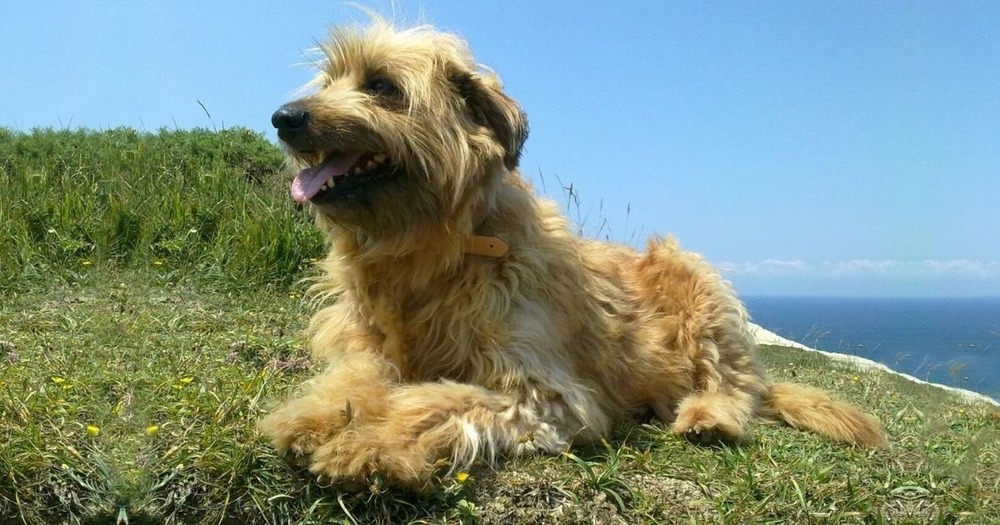
The coat is usually straightforward if you keep up with it. A thorough brush once or twice a week is often enough, with extra sessions during seasonal shedding. The practical aim is not perfection. It is skin health, fewer knots, and less loose hair through the house.
Bathing is best kept occasional, especially for dogs that do not have a strong doggy odour. Over-washing can dry the skin and make the coat feel flat. When you do bathe, rinse thoroughly so the coat does not hold residue.
Do not forget the small jobs that affect comfort: nail length, ear checks, and dental care. Veterinary dental organisations and clinical resources consistently emphasise that home tooth brushing is one of the most effective ways to reduce plaque and gum disease over time.7
Feeding and keeping a working dog body condition
Basque Shepherd Dogs tend to thrive on a balanced diet that matches their activity level, with enough protein for muscle maintenance and enough overall energy for work. The bigger challenge for many pet homes is not “special nutrition”, but portion drift. Active dogs still gain weight if treats and training rewards are not counted.
A practical way to stay on track is to learn what a healthy body condition looks like and check it regularly. The World Small Animal Veterinary Association provides a widely used body condition scoring system that can help you and your vet have the same shared language about your dog’s weight.8
If your dog is doing a lot of high-impact exercise (jumping, hard sprinting, repetitive ball throwing), consider balancing that with lower-impact outlets and strength-building. Keeping joints comfortable is often about the long game: steady fitness, warm-up time, and avoiding weekend-warrior spikes.
Finding a Basque Shepherd Dog responsibly
This is a comparatively uncommon breed outside its home region, so it is worth moving slowly. Look for people who can name the variety, show you documentation, and talk openly about health testing and temperament. If a seller leans heavily on “rare” as the main selling point, that is usually a sign to ask more questions, not fewer.
Useful checks include:
- What health screening is done for hips and eyes, and can they provide results?
- How are pups raised, handled, and exposed to everyday life?
- What support do they offer if the dog is not a good match?
If you are researching breed standards and origins, Spain’s kennel club publications are a sensible starting point for the recognised varieties and their descriptions.2
Final thoughts
The Basque Shepherd Dog can be a deeply satisfying companion for the right household, especially for people who enjoy training, outdoor time, and the steady rhythm of giving a smart dog meaningful work. Their herding background is not just a historical detail. It is the key to understanding why they notice so much, learn so quickly, and cope best when their days have shape.
If you are drawn to the breed, think in terms of lifestyle fit rather than labels like “easy” or “hard”. With consistent training, enough mental engagement, and thoughtful management, this is the kind of dog that tends to look for partnership, and is at their best when you meet them there.
References
- Wikipedia: Basque Shepherd Dog (overview and history)
- Real Sociedad Canina de España (RSCE): Breed standard (Gorbeiakoa) PDF
- Cornell University Riney Canine Health Center: Hip dysplasia in dogs
- World Small Animal Veterinary Association (WSAVA): Vaccination guidelines
- RSPCA Pet Insurance (Australia): When should a dog be desexed?
- RSPCA Knowledgebase: Is desexing mandatory for cats and dogs? (Australia)
- American Veterinary Dental College (AVDC): Pet owner resources (dental care)
- WSAVA: Body Condition Score chart for dogs (PDF)
- American Animal Hospital Association (AAHA): Leptospirosis vaccine update