

- Breed category: Hound (scent hound)
- Country of origin: France
- Average height: About 30 to 36 cm at the shoulder
- Average weight: About 15 to 20 kg
- Typical life expectancy: Commonly around 12 to 15 years
- Grooming requirements: Low, occasional brushing
- Exercise requirements: Moderate, daily walks and sniffing time
- Coat type: Short and smooth
- Common colours: Tricolour, or fawn and white
- Shedding level: Moderate
- Ear type: Long and droopy
- Tail type: Long and tapering
- Temperament: Sociable, gentle, curious
- Training ease: Moderate (can be independent)
- Common health watch-outs: Ear trouble, weight gain
- Best suited for: Families, people who enjoy steady routines
- Apartment friendly: Often, if exercise and enrichment are consistent
- Original purpose: Hunting small game by scent
People usually find their way to the Basset Artésien Normand after a small moment of confusion. You see a short-legged hound with long ears and assume it is a Basset Hound, then the head looks a little different, the build looks lighter, and the name on a breeder listing or rescue post does not match what you expected.
It is tempting to treat all bassets as variations on one theme, but these low-slung scent hounds were shaped for different jobs, different terrain, and different preferences in type. With the Basset Artésien Normand, those differences show up in everyday life, such as how they move, how they use their nose, and what they need from you to stay comfortable.
Understanding the breed is less about memorising measurements and more about noticing what makes them tick. If you can read their strengths and their vulnerabilities with clear eyes, they can be wonderfully steady companions.
History and origin
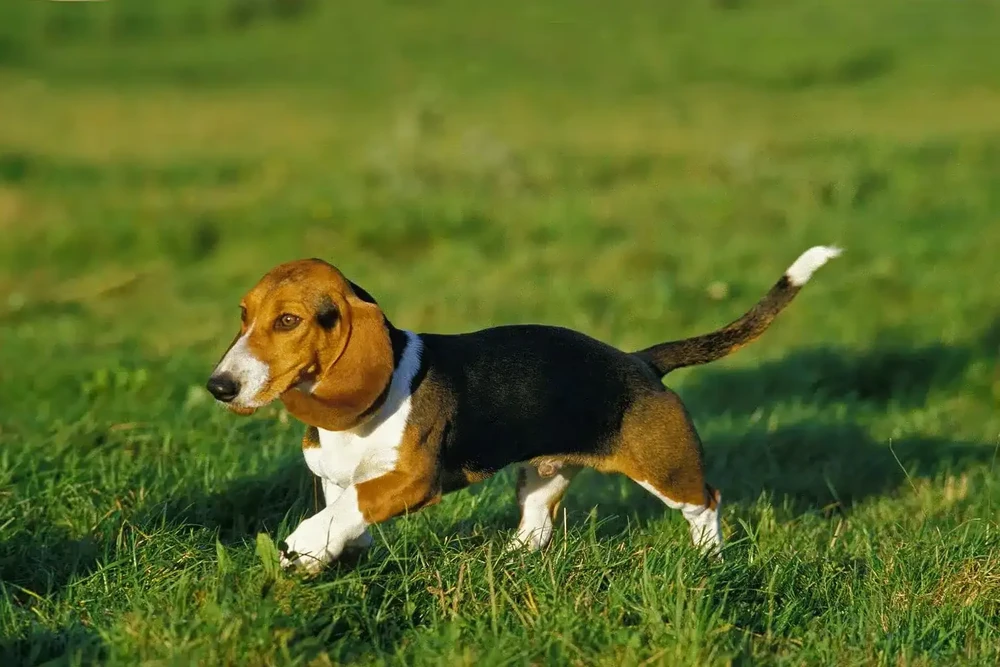
The Basset Artésien Normand is a French scent hound type that developed from regional basset lines, with a focus on a practical, ground-covering dog that could follow scent patiently over long stretches.1
In French hunting traditions, bassets were valued because they could work methodically through cover on small game while staying at a pace a person could follow on foot. That heritage still shows today in a dog that is often happiest when life includes time to sniff, explore, and walk with purpose.
If you enjoy reading deeper into official recognition and how the type has been defined over time, the FCI entry is a useful anchor point, including acceptance dates and the current standard publication details.1
Physical characteristics that matter day to day
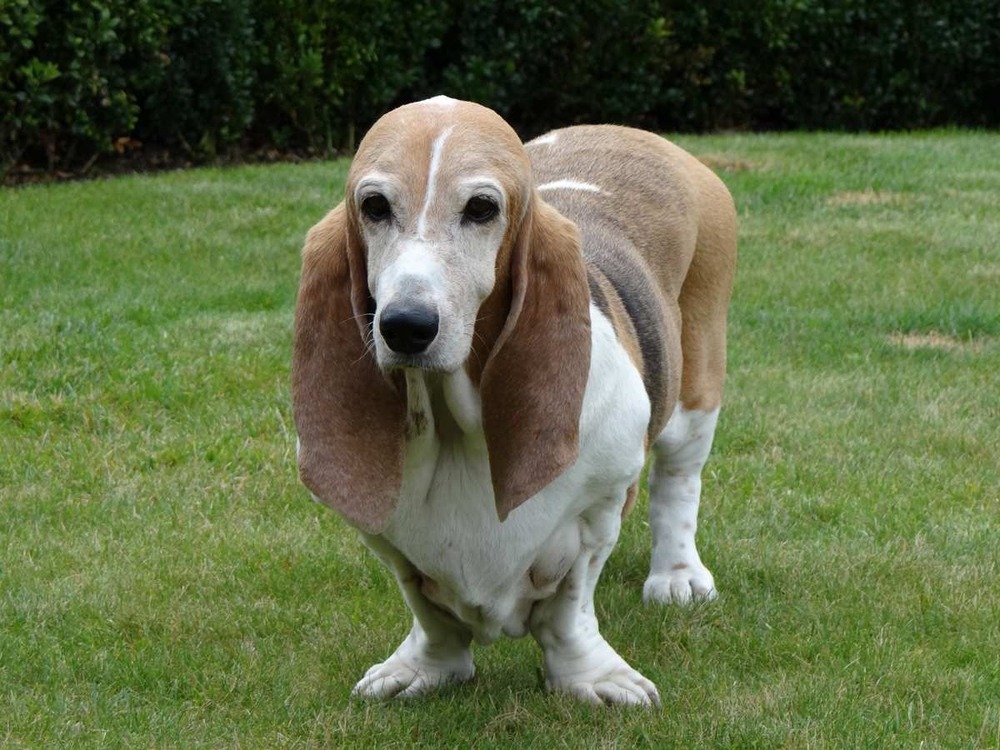
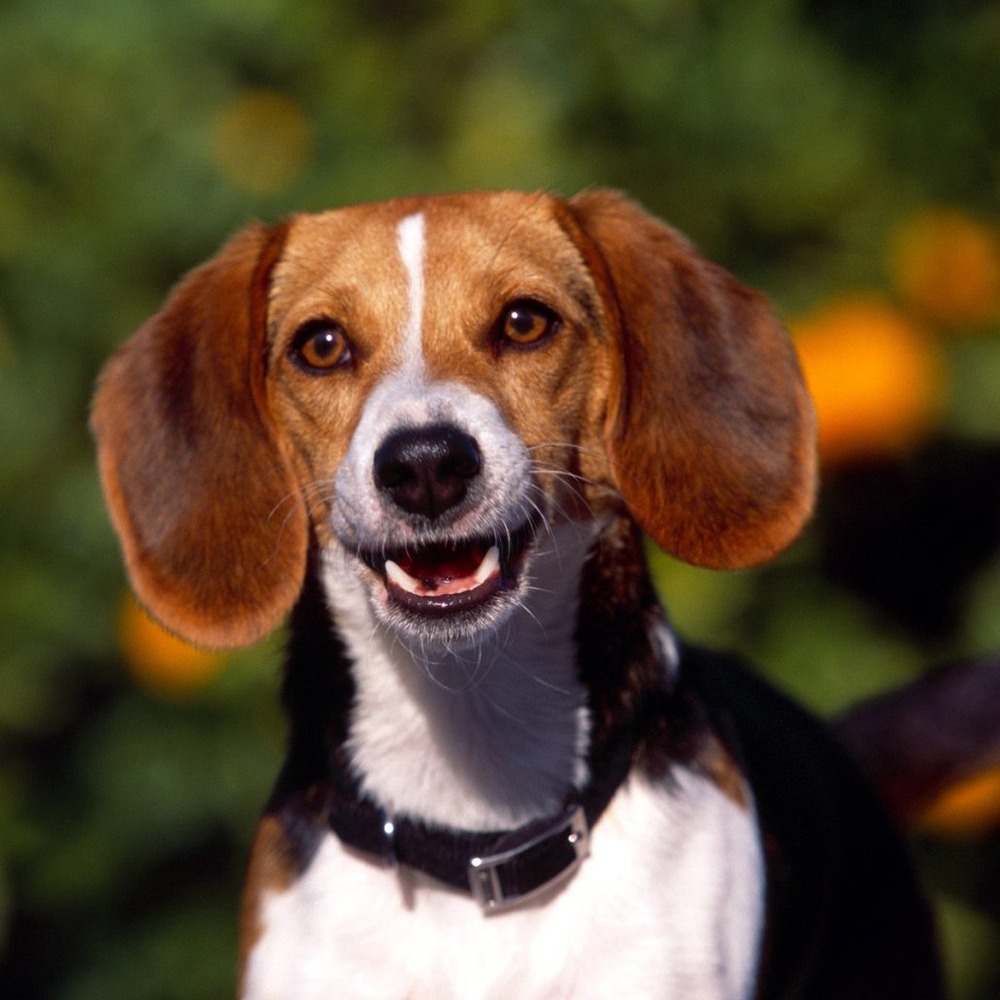
Most Basset Artésien Normands sit in a fairly consistent range: roughly 30 to 36 cm at the shoulder and about 15 to 20 kg, with a long body carried on short legs and a smooth coat that is easy to maintain.1, 2
The famous ears are not just decoration. Long, low-set ears can help keep scent close to the nose while tracking, which is part of why bassets are such committed sniffers on walks. It also means ear care is not optional, because reduced airflow can contribute to a warm, moist environment in the ear canal.6
The long-backed, short-legged shape is charming, but it asks for a bit of management. Think less about preventing all movement, and more about avoiding repetitive high-impact strain, especially uncontrolled jumping on and off furniture and slippery surfaces that encourage twisting.
Temperament and behaviour
Well-bred, well-settled Basset Artésien Normands are often described as gentle and sociable. In practical terms, this can look like a dog that enjoys being near people, is generally tolerant of household life, and does best with calm, consistent handling rather than forceful training methods.2, 3
Like many scent hounds, the nose can take the lead. You might notice a dog that becomes temporarily deaf to cues when a smell is interesting. That is not stubbornness in a human sense, it is simply a brain built to prioritise scent information. Planning for that reality, with management and training, tends to go better than fighting it.
With children and other pets, the individual dog matters, but the breed is commonly regarded as family-suited when socialised thoughtfully. As always, supervision and teaching kids how to interact respectfully with dogs makes the biggest difference.
Training and exercise
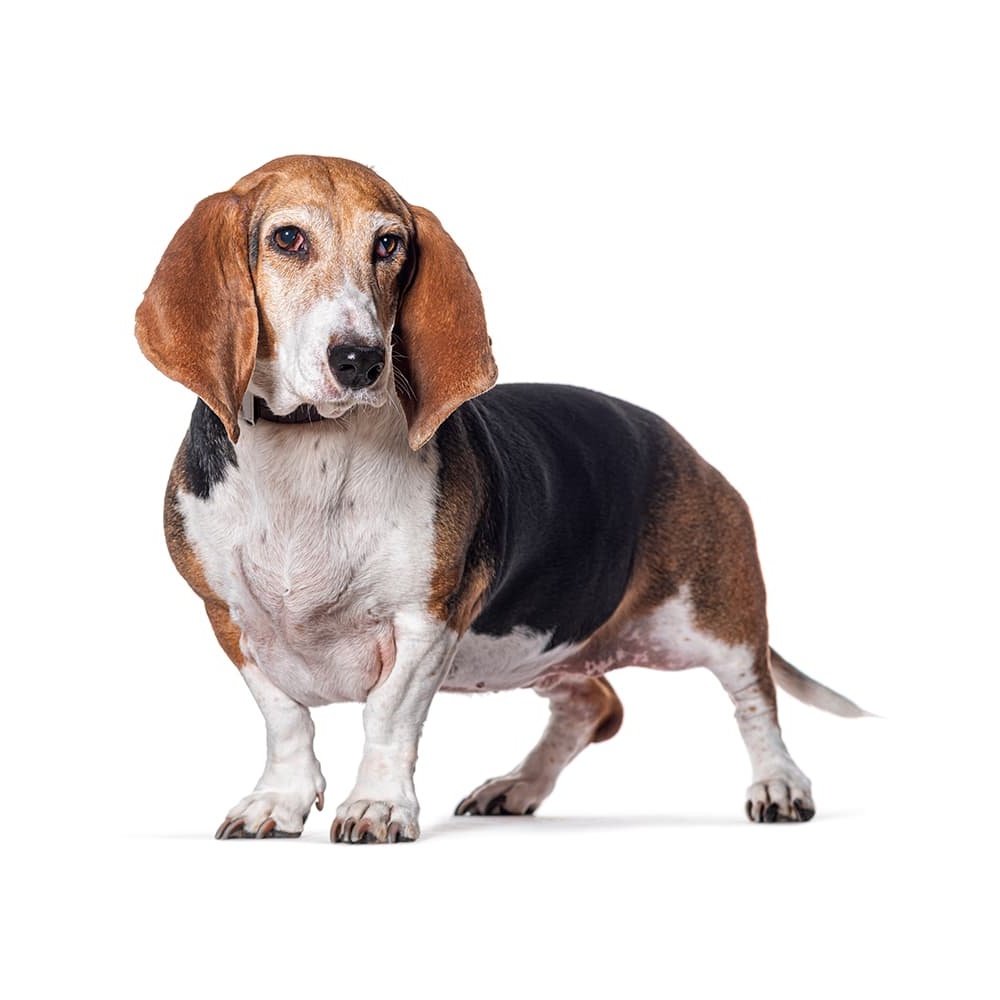
Training usually works best when it matches the dog in front of you: short sessions, clear rewards, and patience. For scent hounds, it helps to remember that being able to disengage from smells is a skill that can be built, not a personality flaw that needs correcting.
Daily exercise does not need to be extreme, but it does need to be consistent. Many owners find that a steady routine of walks with time to sniff is more settling than trying to exhaust the dog with high-speed games.
If you want a simple way to make walks more satisfying, try adding a few minutes of structured sniffing:
- Scatter a small portion of kibble in grass and let them search.
- Use a long line in safe areas for controlled exploring.
- Teach a cue that means, “sniff time,” then a cue that means, “back to walking”.
Health and lifespan
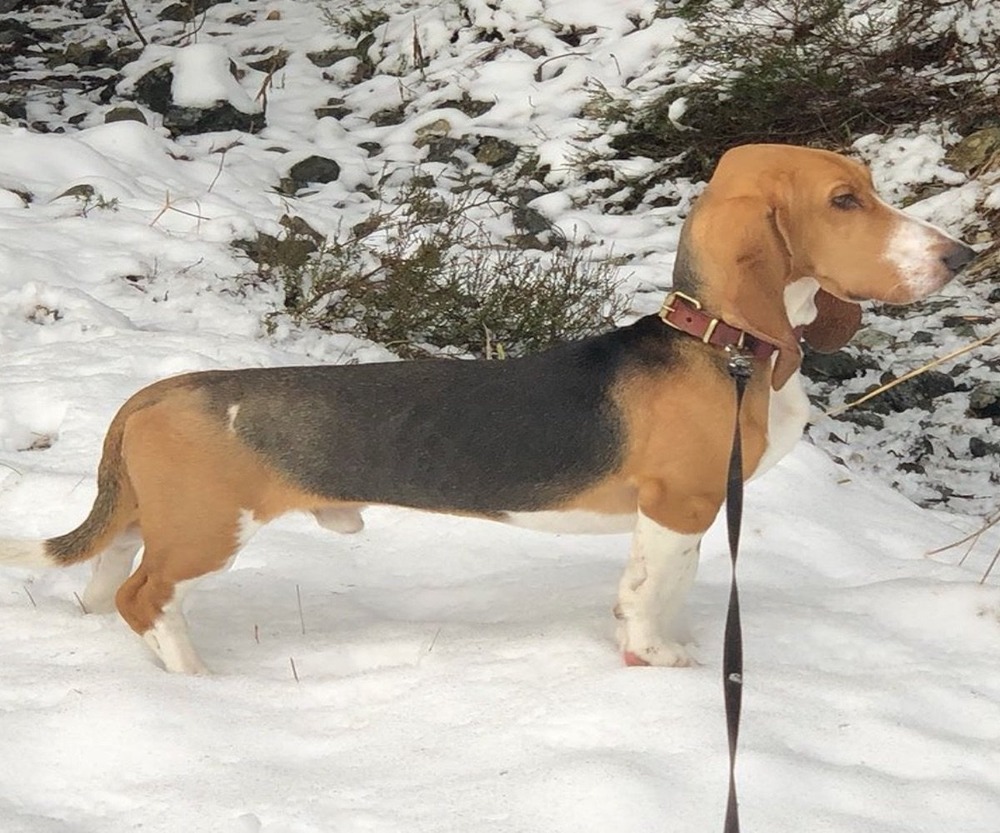
A commonly cited lifespan for the breed is around 12 to 15 years, although individual outcomes vary with genetics, weight, dental care, and overall health support.4, 5
Ear health is a recurring theme with many floppy-eared breeds. Dogs with dropped ears are more prone to ear infections, and causes can include yeast or bacteria, allergies, moisture from swimming or bathing, and foreign material. If you notice head shaking, odour, redness, or sensitivity, it is worth a vet check rather than home experimenting with cleaners.6
Weight is the other big lever you can actually pull. Extra kilos do not just affect how a dog looks, they increase load on joints and can reduce quality of life. Keeping a basset-type dog lean is one of the most practical forms of preventative care an owner can provide.7
Grooming and maintenance
The coat is short and generally straightforward. A weekly brush or grooming mitt is usually enough to pick up loose hair and keep the coat looking tidy. Most of the maintenance, in real life, is not about the coat at all. It is about ears, nails, and keeping the body in comfortable condition.
For many households, a simple rhythm works:
- Brush once a week (more during heavier shedding periods).
- Check ears regularly, especially after swimming or wet weather, and follow your vet’s guidance on cleaning.
- Keep nails trimmed, because short-legged dogs can be more affected by altered foot posture when nails are long.
Diet and nutrition
There is no single perfect diet for every Basset Artésien Normand, but the goal is usually the same: steady energy, stable digestion, healthy skin, and a body condition where you can feel ribs with light pressure. For a breed type that can be prone to weight gain, portion control and treat discipline matter more than fancy ingredients.
If weight is creeping up, it is often more effective to measure food accurately, reduce extras, and check in with your vet about calorie targets than to change foods repeatedly. Guidance from welfare organisations like the RSPCA can be helpful for owners trying to build habits that prevent obesity over the long term.8
Fun notes, with a quick correction
You may see claims online that the Basset Artésien Normand is the dog in the classic French comic Boule et Bill. In fact, Bill is usually described as a Cocker Spaniel, not a basset.9
A more grounded bit of trivia is simply that these dogs often move with a distinctive, efficient gait that suits long scenting walks. It can look slightly rolling at times, especially in young dogs still building coordination. The important thing is that movement should look comfortable and free, not strained or uneven. If you notice persistent lameness or stiffness, it is worth seeking veterinary assessment.
Living with a Basset Artésien Normand
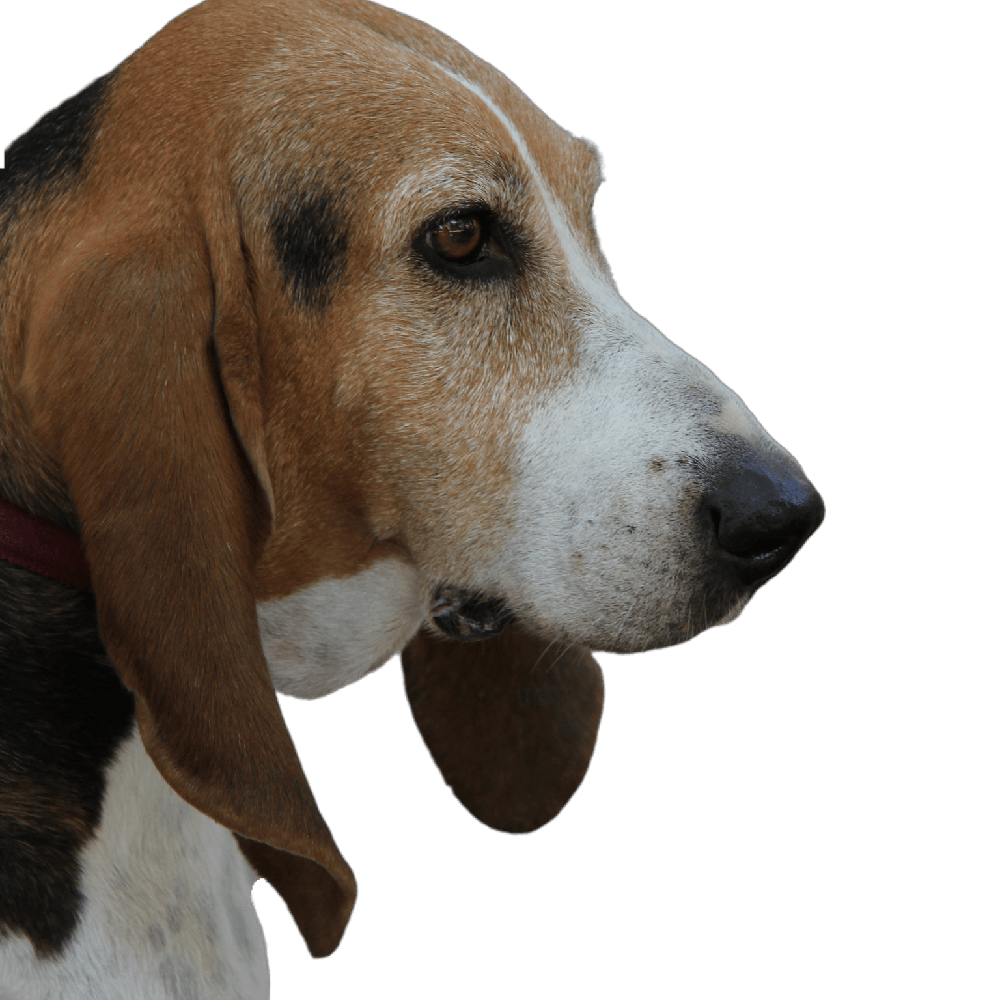
The Basset Artésien Normand tends to suit people who like steady routines and do not mind a dog that experiences the world nose-first. They are often content with moderate exercise, but they do best when that exercise includes time to sniff and investigate.
If you are weighing up whether the breed fits your home, the most useful questions are practical ones: can you offer daily walks, keep them lean, stay on top of ear care, and provide gentle, consistent training? When those basics are in place, their strengths, such as sociability and calm companionship, have a good chance to show through.
References
- Fédération Cynologique Internationale (FCI): Basset Artésien Normand (Breed No. 34)
- Wisdom Panel: Basset Artésien Normand (overview, size and traits)
- Dogster: Basset Artésien Normand breed information (updated Oct 20, 2025)
- Royal Canin Australia: Basset Artésien Normand (breed overview)
- Continental Kennel Club: Basset Artesian Normand breed information
- Animal Medical Center: Ear infections in pets, causes, risk factors, and treatment
- Vet Voice: Obesity in pets, health impacts and management
- RSPCA Australia: 4 ways to avoid obesity in your dog
- Wikipedia: Boule et Bill (character Bill described as a Cocker Spaniel)