

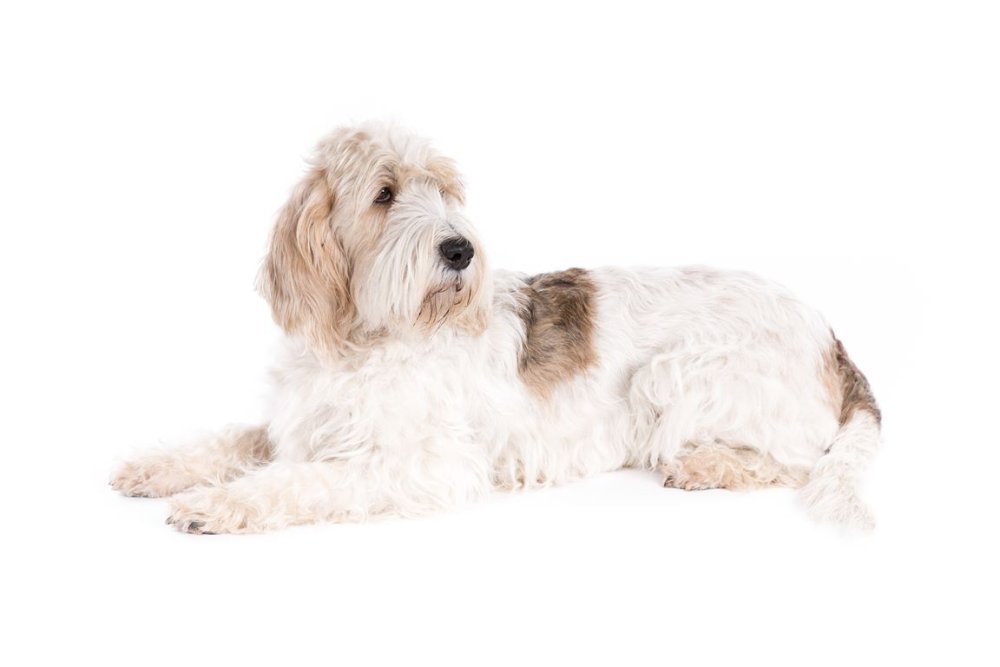
- Breed category: Hound (scent hound)
- Country of origin: France
- Typical height: 34 to 38 cm at the withers (some standards note 13 to 15 inches)1, 2
- Typical weight: often around 15 to 20 kg (varies by build and condition)
- Typical lifespan: about 12 to 14 years
- Coat: rough, medium length, with a natural, tousled look
- Colour: white with a range of markings
- Exercise needs: high, daily movement plus sniffing and problem solving
- Grooming needs: moderate, regular brushing and coat tidying
- Known for: a strong nose and a freely used voice
You usually find your way to the Petit Basset Griffon Vendeen after noticing a certain type of dog out in the world: low to the ground, delightfully scruffy, moving with purpose, nose down like it is reading the footpath. People often assume that a smaller hound will be “easy”, or that an adorable face equals an easygoing temperament.
In practice, this breed makes sense once you view it through a hound lens. The PBGV was shaped to work all day in rough country, following scent with persistence. That history still shows up at home as busy curiosity, selective hearing when something smells interesting, and a tendency to communicate with a full, ringing voice.
If you enjoy training as a relationship, not a battle, and you can make room for daily sniffy walks, you may find the PBGV wonderfully companionable. If you want a dog who stays close without question, it can be a harder match.
The PBGV, what the name tells you
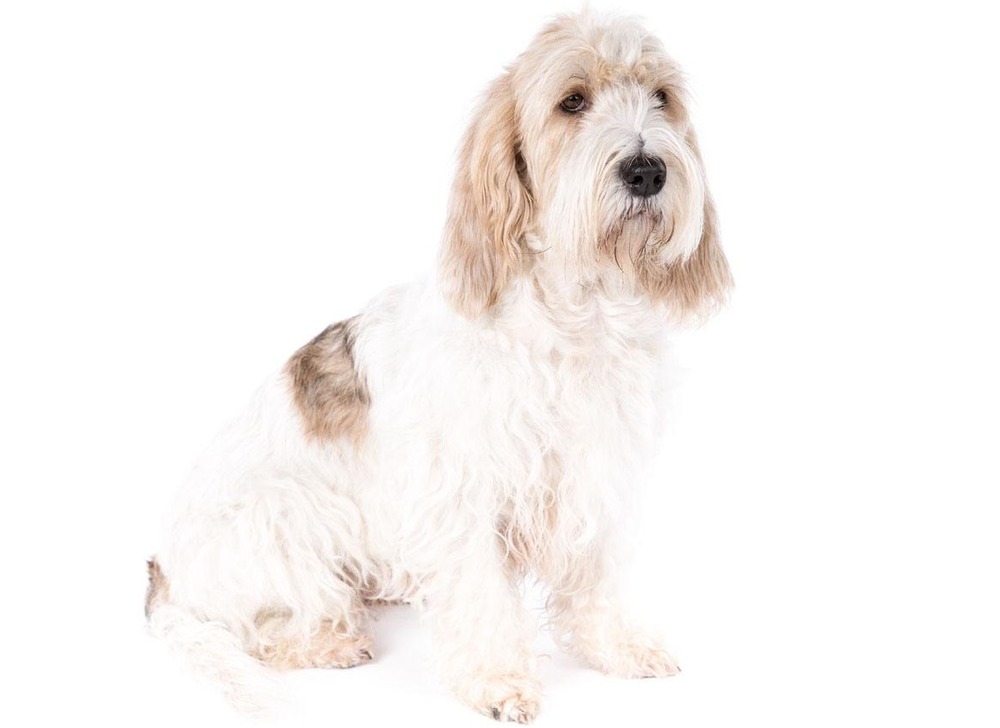
The full name is basically a working description. “Petit” means small. “Basset” means low set. “Griffon” points to the rough coat, and “Vendeen” is the Vendee region of France where these hounds were developed.4
They were bred to hunt by scent, typically for small game such as rabbit and hare, in thick, brambly country. That’s why they are compact, robust, and keen to push on through scrub rather than neatly avoid it.3
It can help to think of them as a small athlete with a strong nose. The coat and furnishings are functional too, offering a bit of protection while moving through rough ground, not just a “cute” look for the sofa.4
Temperament, voice, and the hound brain
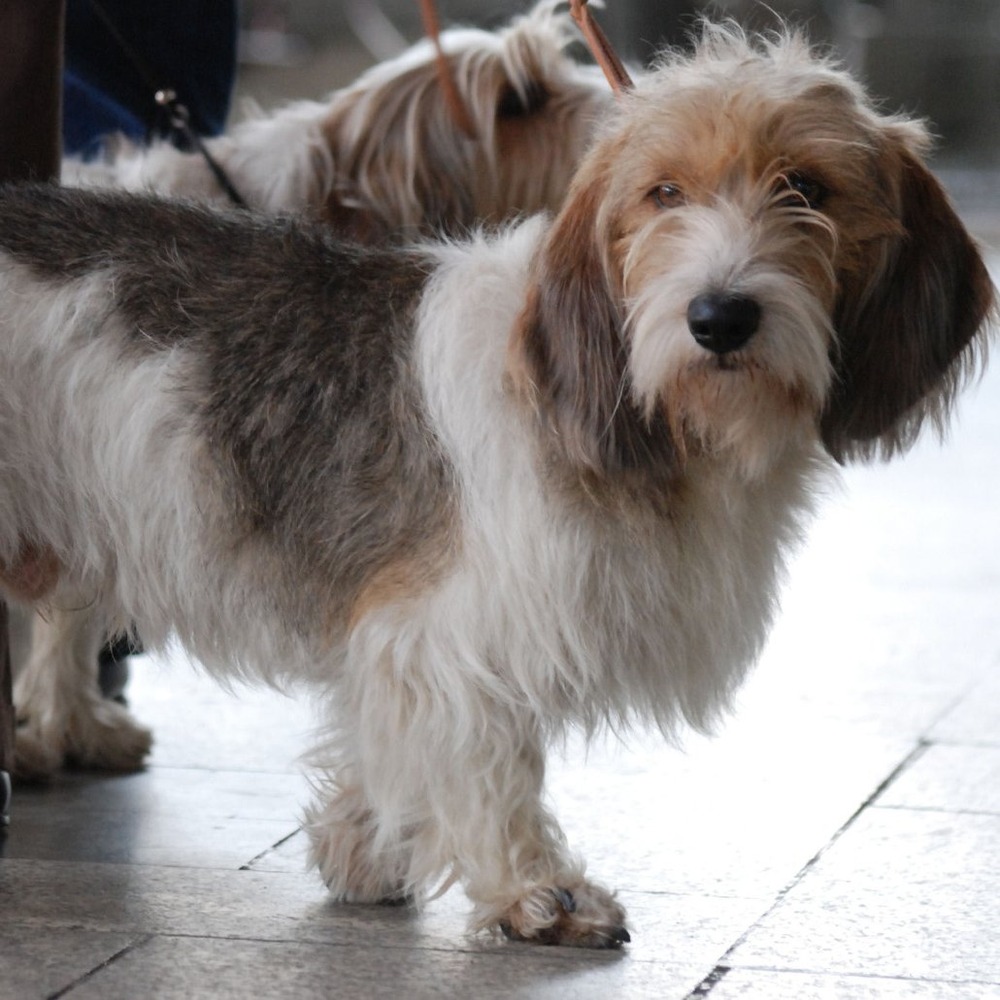
PBGVs are widely described as lively, friendly and independent. Many owners notice they are social in the everyday sense, interested in people, quick to greet, and generally comfortable in the world, provided they have been well socialised as youngsters.4
They also tend to be vocal. Breed standards explicitly mention a good voice used freely, which is ideal in the field and sometimes surprising in suburbia.4 This does not mean “problem barking” by default, but it does mean you will likely need to teach household rules around noise, and manage the situations that set it off.
Independence is not the same thing as stubbornness, but it can look that way. A scent hound’s job is to make decisions with its nose, often at a distance from the handler. Training works best when it is consistent, reward-based, and built around motivation, not force or repetition for its own sake.
Training that actually works for this breed
Early training matters with PBGVs because the adult dog will be physically capable and mentally ready to follow its own agenda. The goal is not to “switch off” the nose, but to build habits that give you options when the nose switches on.
Many households do well with:
- Short, upbeat sessions, repeated often, rather than long drills.
- Recall games that start indoors, then move to low-distraction outdoor spaces.
- Food scatters, snuffle mats, and “find it” games, so sniffing is given a safe outlet.
- Management tools, such as long lines in open areas, especially during adolescence.
If you are living close to neighbours, it is worth training a calm “thank you” cue for alert barking, and making sure the dog gets enough activity and enrichment. A bored scenthound is often a noisy one.
Exercise and enrichment, more than just a walk
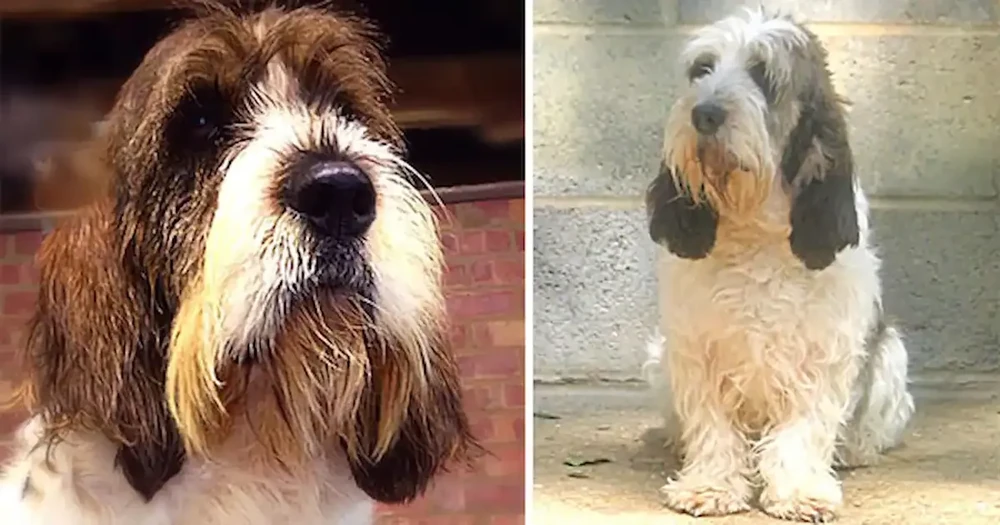
PBGVs are active, working-bred hounds. They usually need daily movement plus time to sniff, explore, and think. A brisk lead walk is fine as a baseline, but it rarely satisfies the whole dog by itself.
Try to include at least one of these most days:
- a decompression walk where sniffing is the point, not the pace
- scent games in the yard or house
- training for a sport, such as agility or nose work style games
- safe off-lead time only in well-secured areas (many PBGVs will follow scent well beyond their “usual” range)
They can live in smaller homes, including apartments, but only if the daily routine reliably meets their needs. The limiting factor is not the floorplan, it is whether the dog’s brain and body get enough input.
Grooming and coat care, keeping the “scruffy” functional
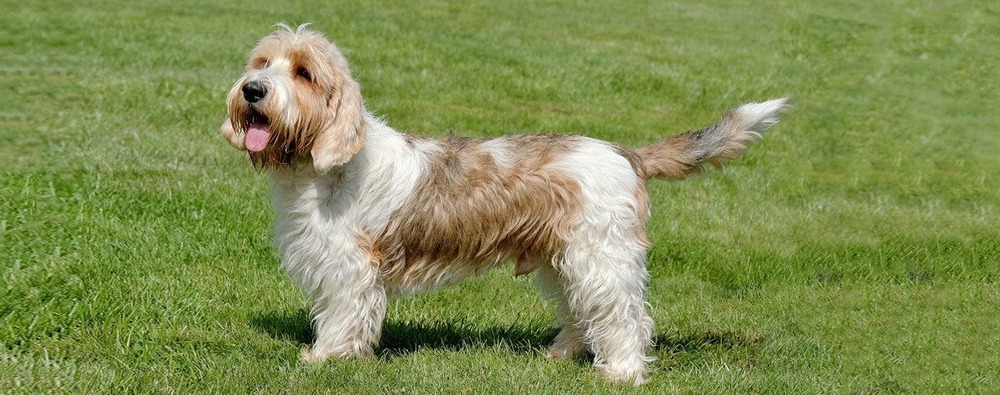
The coat is meant to look natural and slightly untidy, but it still needs regular care. Weekly brushing helps prevent mats, especially around friction points like behind the ears, under the collar, and in the armpits. Occasional tidying is fine, but the goal is a practical working coat, not a sculpted outline.4
Pay attention to the ears. Long, hanging ears can reduce airflow, and many hound types are prone to ear trouble. If your dog is shaking their head, scratching at an ear, or you notice redness or smell, it is a vet visit rather than a home remedy situation.7
Nails, teeth, and skin checks are part of the routine too. PBGVs are often confident about pushing into brush and undergrowth, so it is sensible to check for burrs, seeds, and minor scrapes after outdoor adventures.
Health and lifespan, what to watch for
Many PBGVs live around 12 to 14 years, and they are often robust dogs when kept lean, fit, and appropriately exercised. Like any breed, they can be affected by a range of issues, and your breeder and vet are the best guides to what is most relevant in your dog’s line and stage of life.
Two everyday areas to take seriously are:
- weight management, because extra kilos can compound joint strain and reduce fitness over time
- ear health, because minor irritation can become persistent infection if it is missed or repeatedly inflamed
Regular check-ups, dental care, and prompt attention to limping, eye changes, or recurring itchiness can make a real difference over the long term.
Feeding well, without overthinking it
The most useful approach to feeding is surprisingly unglamorous: choose a complete, balanced diet that suits your dog’s life stage, monitor body condition, and adjust portions based on what you see in front of you, not just what the packet suggests. The WSAVA nutrition resources are a helpful, practical framework for this kind of ongoing assessment.6
If treats are part of training, count them as part of the day’s intake. Hounds can be very food-motivated, which is wonderful for training, but it can also quietly push calorie intake higher than intended. A lean PBGV is usually a more comfortable, more mobile dog.
A quick note on recognition and the “1990” detail
You will sometimes see “1990” attached to the breed in English-language summaries. That date is commonly cited for American Kennel Club recognition (1 December 1990).8 Internationally, recognition timelines differ by organisation. For example, the FCI lists the Petit Basset Griffon Vendeen as recognised on a definitive basis and provides published standard dates through the 1970s to 1990s range.5
It is a good reminder that kennel club dates tell you about paperwork and governance, not necessarily when dogs of this type were being used and refined in the field.
Living with a PBGV, the best match
The people who seem happiest with this breed tend to enjoy a bit of daily structure and a lot of outdoor time. They are comfortable using leads and fences thoughtfully, and they do not take it personally when the dog’s nose is briefly more compelling than their voice.
If you are drawn to the PBGV, look for breeders who prioritise temperament, soundness, and appropriate socialisation, and who can talk clearly about typical hound behaviour in a pet home. A PBGV is rarely a “set and forget” dog, but with the right expectations, they can be a deeply enjoyable companion: comical, capable, and always ready to follow a scent trail into the next patch of scrub.
References
- The Kennel Club (UK): Basset Griffon Vendeen (Petit) breed standard
- Petit Basset Griffon Vendeen Club of America: AKC PBGV breed standard
- American Kennel Club: Petit Basset Griffon Vendeen history
- Petit Basset Griffon Vendeen Club of America: Breed standard from a conformation perspective
- Fédération Cynologique Internationale (FCI): Petit Basset Griffon Vendeen (Standard No. 67)
- WSAVA: Global Nutrition Guidelines
- Veterinary Information Network (VIN): Otitis externa (ear infections) overview
- The Spruce Pets: Petit Basset Griffon Vendeen breed characteristics and care