

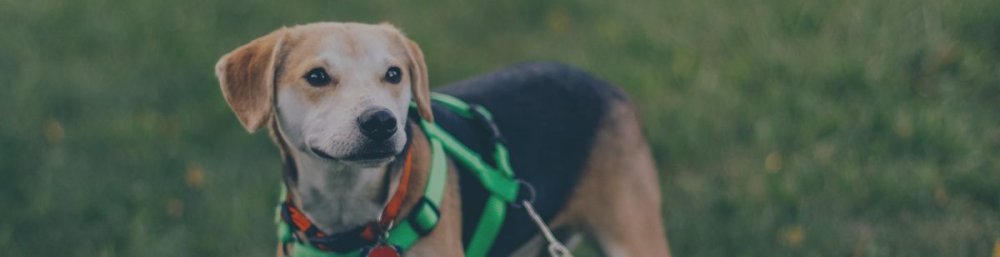
People usually notice a Basset Hound before they know what they are looking at. The long ears that sweep the ground, the heavy-boned front, the slow, determined walk that can look like laziness until a scent appears and the whole dog changes gear.
It is easy to assume they are low-energy lounge dogs who will fit anywhere without much thought. In practice, most of the “Basset” experience is about working with a nose that is constantly switched on, and looking after a body shape that needs sensible routines to stay comfortable and sound.1, 2
If you are considering the breed, or already sharing your home with one, it helps to understand what makes them tick, what tends to go wrong, and what genuinely makes day-to-day life easier for both dog and human.
At a glance: what a Basset Hound is built for
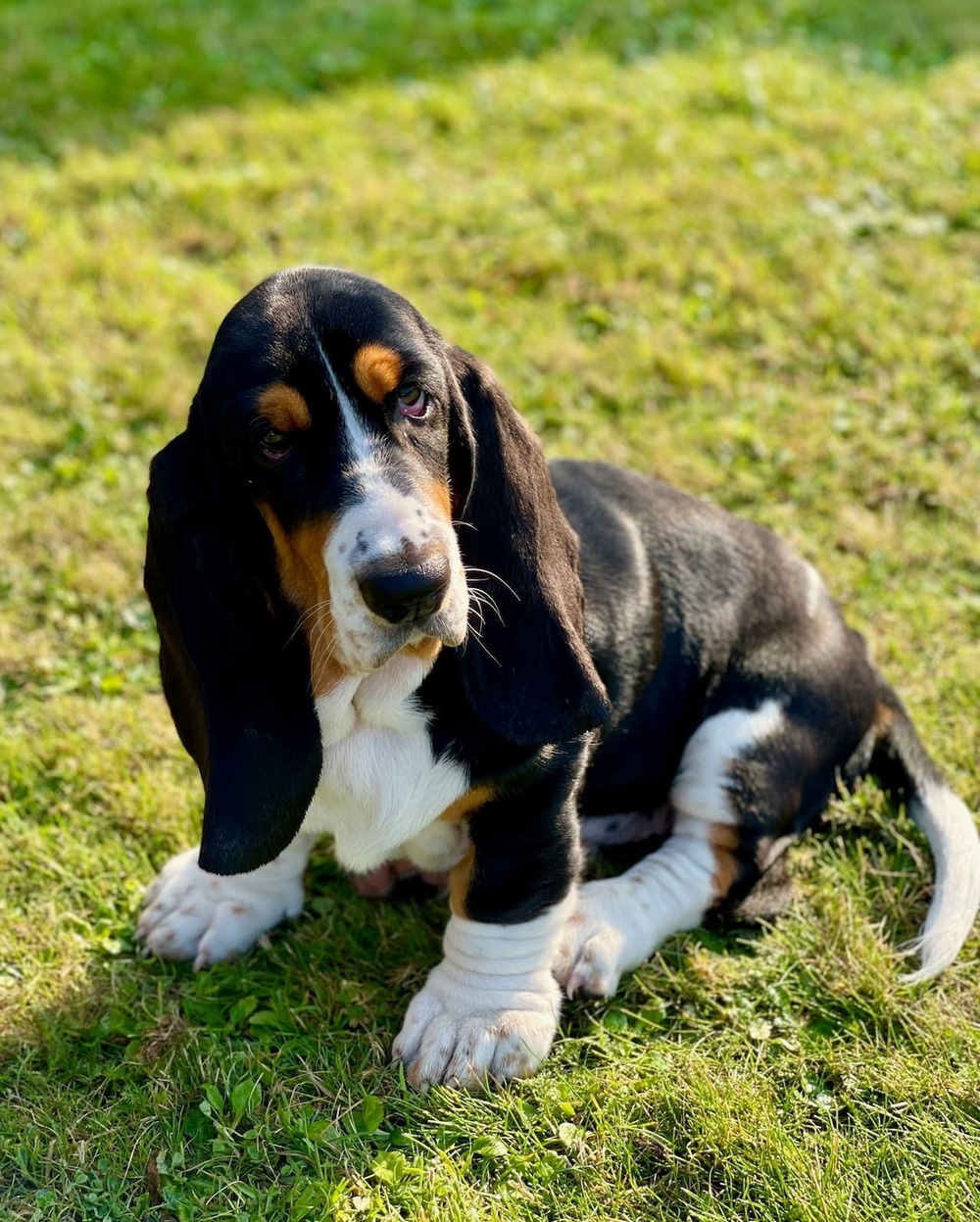
Basset Hounds are scent hounds, developed to follow ground trails steadily and for a long time. Their structure reflects that job: short legs, a substantial frame, and a head built around scenting rather than speed.2
In show and breed descriptions you will often see reminders that this is a working hound and should be “fit for purpose”. That matters, because the same features people love aesthetically can become a welfare issue when they are exaggerated or paired with poor conditioning.2, 3
- Height: typically around 33 to 38 cm at the withers (breed standard).2
- Voice: often a deep bay rather than a sharp bark, which can be surprising in a suburban setting.2
- Energy: usually moderate, with bursts of determination when following scent.
Origins and the modern Basset
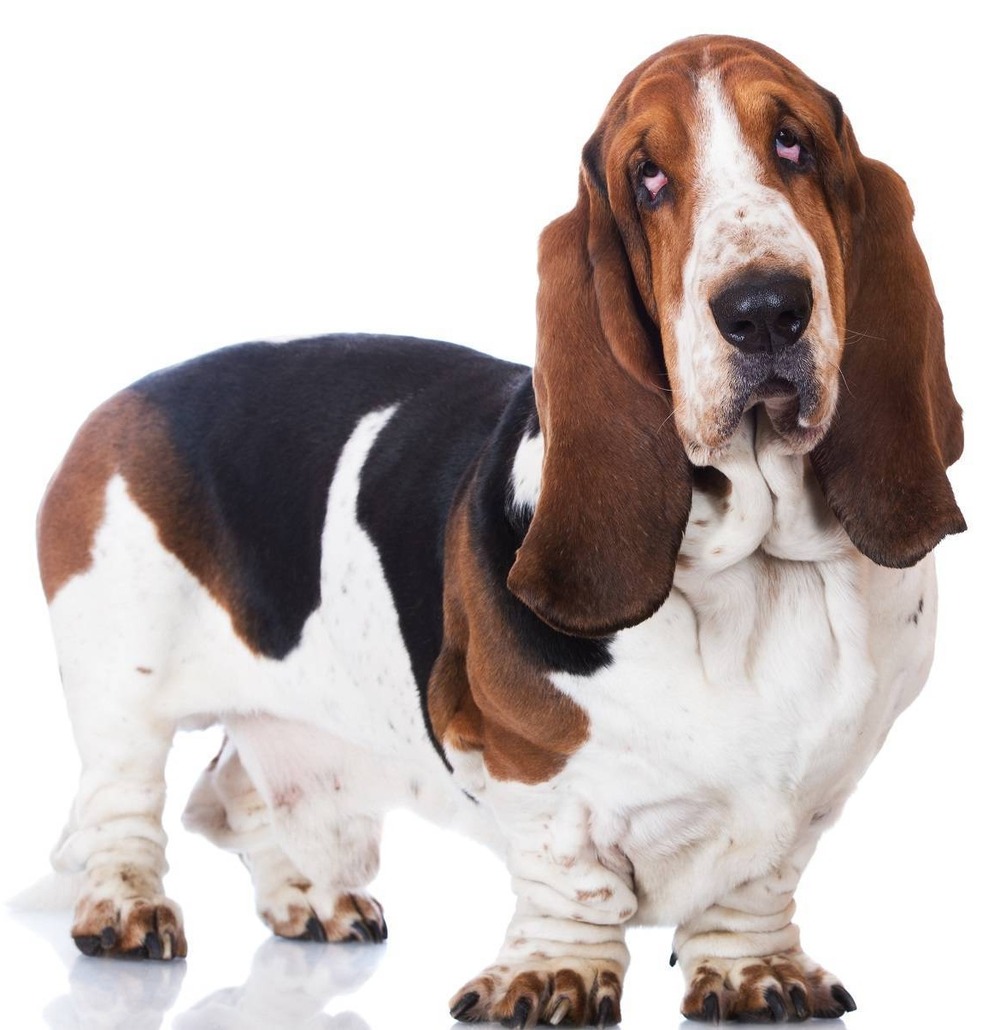
The “Basset” name is linked to being low to the ground (from French roots), and the breed developed in France as a foot-hunting hound for small game. The key idea was a dog humans could follow on foot, with the nose and persistence to keep working through cover.1
Today, most Bassets are companions, but their behaviour still makes more sense when you remember their original role. A Basset who appears to ignore you on a walk is often not being wilfully “naughty”, they are doing exactly what they were bred to do, prioritising scent information over everything else.
Temperament in real homes
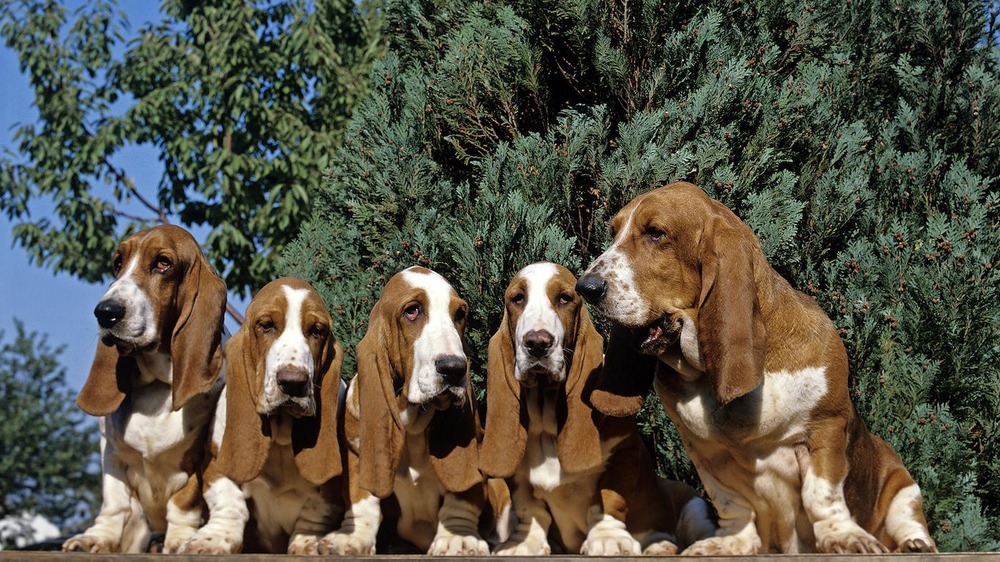
Basset Hounds are commonly described as placid, affectionate, and good with people. Many do well in family life because they are not typically sharp or nervy, and they can be very steady company when their needs are met.2
At the same time, “easy-going” does not automatically mean “easy”. A Basset may be slow to comply, easily distracted outdoors, and highly motivated by food. For owners, the practical takeaway is calm consistency beats force, especially once habits have formed.
If you have other pets, early, thoughtful introductions help. Many Bassets live peacefully with other dogs, and some with cats, but their scent drive can make them inclined to follow, sniff, and investigate intensely. That is not always welcomed by more reserved animals.
Training that respects the nose
Bassets can learn a great deal, but they tend to respond best when training feels worthwhile. The most reliable approach is reward-based training with clear routines, short sessions, and rewards that compete with whatever the environment is offering.4
It is also worth planning for the moments that commonly unravel training, especially outdoors. In many households, the biggest difference-maker is not a perfect “heel”, but a dependable recall alternative such as a strong “this way” cue and a habit of checking in.
- Use food thoughtfully: tiny rewards, counted as part of the daily ration, help motivation without pushing weight up.
- Practise on a long line: it gives freedom to sniff while keeping everyone safe near roads and wildlife.
- Expect adolescence: many hounds test boundaries as they mature, even after a good puppy start.
Exercise and enrichment: steady movement, lots of sniffing
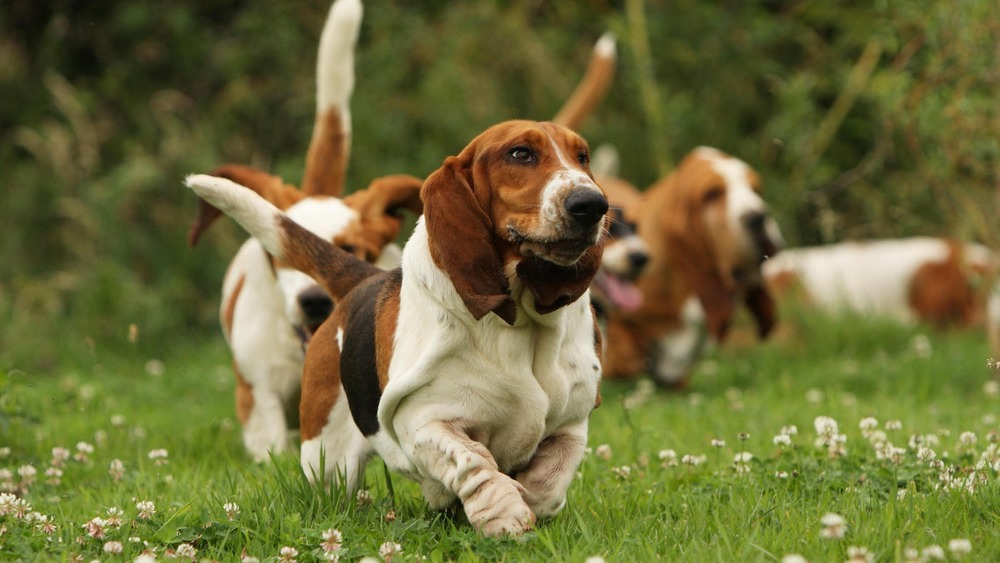
Bassets usually do best with daily walks that allow time for sniffing. A rushed power-walk can leave them frustrated, while a slower “sniffari” often settles them far more effectively.
Because of their body shape, it helps to think in terms of regular, moderate exercise rather than big weekend bursts. Sudden overdoing it can be hard on joints and backs, particularly in dogs that are unfit or carrying extra weight.
At home, scent games are often the simplest enrichment. Hide a few pieces of kibble in a towel roll, scatter-feed in grass, or use a snuffle mat. For many Bassets, nose work is more satisfying than repetitive ball throwing.
Health issues to watch for, and why weight matters so much
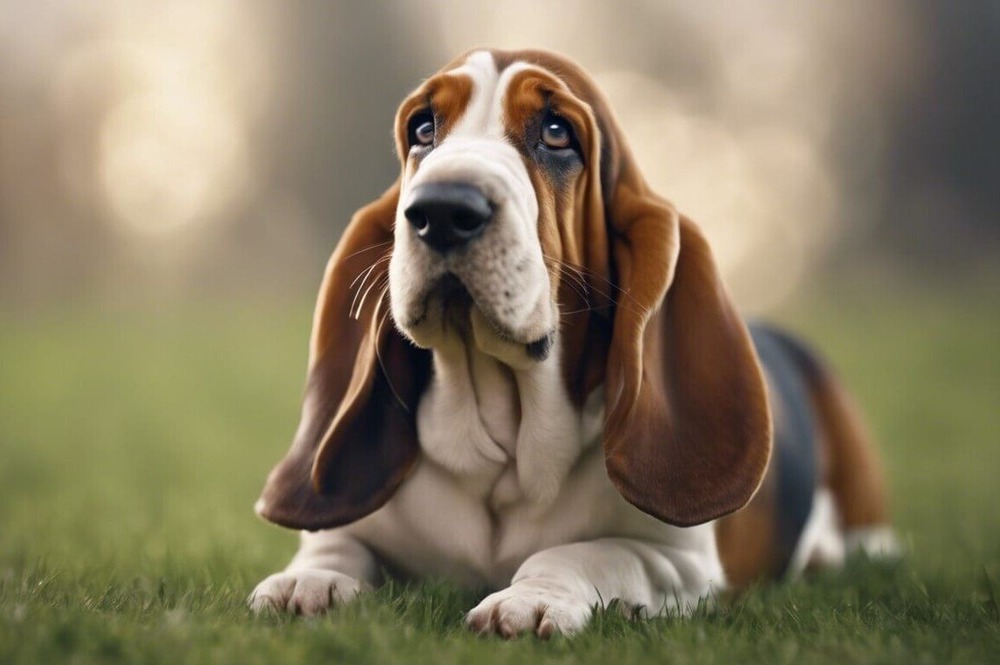
Basset Hounds can be robust dogs, but their conformation means certain problems show up often in general practice. The most important, everyday protective factor is keeping them lean. Excess weight increases strain on joints, can worsen mobility, and generally makes heat and exercise harder to tolerate.5, 6
Commonly discussed concerns include ear problems (due to long, low-hanging ears and reduced airflow), skin issues in folds, and orthopaedic wear and tear. Some sources also highlight back issues such as intervertebral disc disease in at-risk body types, and bloat (GDV) as a potential emergency to be aware of.1, 7
Breed welfare discussions also point out that exaggerations can be harmful. In the show world, “Breed Watch” flags visible points of concern such as eyelid issues, dermatitis in folds, inadequate ground clearance, and dogs being too fat. Even if you never go near a show ring, it is a useful reminder of what to avoid when choosing a breeder and maintaining condition at home.3
How to tell if your Basset is getting overweight
Scales help, but hands and eyes are often more practical. In a healthy condition, you should be able to feel ribs with a light fat covering, and see some waist from above. If you are unsure, ask your vet to show you body condition scoring, then track it over time.5, 6
Grooming that actually prevents problems
Bassets have a short coat, but “low grooming” can be a misleading phrase. The coat is easy, but ears, skin folds, nails, and teeth need steady attention for many dogs.
Floppy-eared dogs are more prone to ear trouble, and Bassets have particularly long ears that can trap moisture and debris. If your dog is prone to ear infections, your vet can guide you on safe cleaning and what to avoid (especially anything that irritates the canal). Seek advice promptly if you notice odour, redness, head shaking, or sensitivity around the ears.8
Keep an eye on skin folds for redness or itch, particularly in warm, humid weather. Gentle drying after baths and avoiding heavy, greasy products helps many dogs, but persistent irritation should be assessed by a vet, as infections can sit under the surface.
Choosing a Basset Hound (or supporting the one you have)
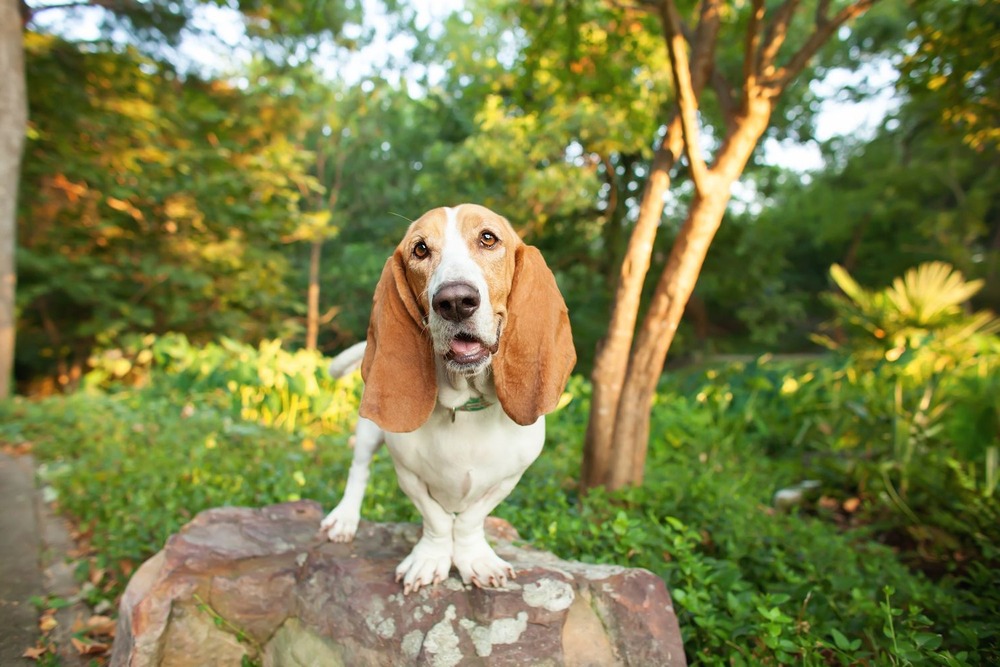
For prospective owners, the best outcomes usually come from combining temperament, structure, and health screening, rather than focusing on one feature like “extra long ears” or lots of loose skin. A dog can still look unmistakably Basset without carrying exaggerations that make life uncomfortable.2, 3
For current owners, it is reassuring to know that small, consistent habits do most of the heavy lifting. A lean body, daily sniff-friendly walks, and routine ear and skin checks tend to prevent the problems that otherwise become “just part of the breed”.
References
- PDSA: Basset Hound
- The Kennel Club (UK): Basset Hound breed standard
- The Kennel Club (UK): Breed Watch, Basset Hound (Category 3)
- American Veterinary Society of Animal Behavior (AVSAB): Position statements (humane training and behaviour)
- RSPCA Knowledgebase: How do I tell if my dog is overweight?
- WSAVA: Global Nutrition Guidelines (including body condition score tools)
- American College of Veterinary Surgeons (ACVS): Intervertebral Disc Disease (IVDD)
- Veterinary Partner (VIN): Otitis externa (ear infections) in dogs
- RSPCA Australia: 4 ways to avoid obesity in your dog