

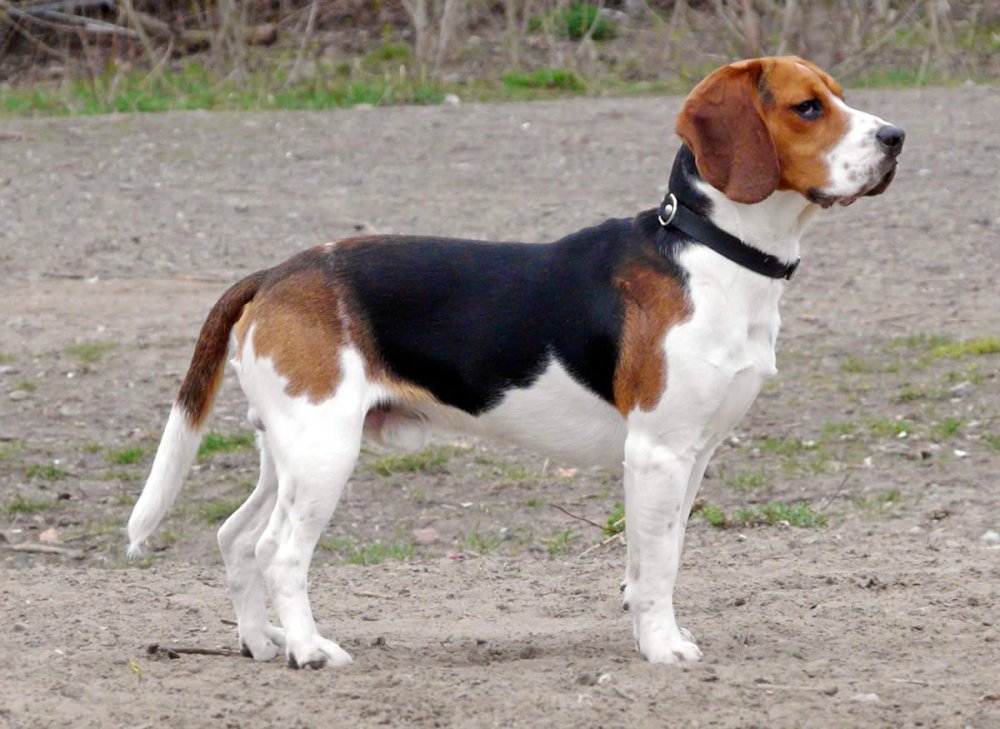
You usually don’t go looking for information about Beagles because you’ve admired one from afar. It is more often because you’ve met a dog who seems delightful at first, then suddenly turns into a single-minded scent machine halfway through a walk. Or you have brought home a Beagle pup and found that “smart” can look a lot like “selectively deaf” when something interesting is happening in the grass.
Beagles are often described as easy family dogs, and many are wonderfully social. But they are also hounds, bred to follow a trail with stamina and determination. If you live with one, their strengths and their challenges tend to be the same thing viewed from different angles: an extraordinary nose, a lively brain, and a strong preference for doing what makes sense to them in the moment.
Understanding the breed as a practical, working type of dog, not just a cute companion, helps you make better day-to-day decisions about training, exercise, feeding, and even the sort of fence you can trust.
Beagle snapshot
- Breed group: Hound (scent hound)
- Country of origin: Great Britain
- Typical height: About 33 to 41 cm at the shoulder (varies by standard and line)1, 2
- Typical weight: Often around 9 to 11 kg, sometimes more (especially in pet homes)
- Typical lifespan: Often 12+ years2, 3
- Coat: Short, dense, generally easy-care2
- Exercise: About an hour a day is a common guide, plus sniffing and play2
- Common watch-outs: Weight gain, ear issues, and a strong tendency to follow scents3
History and purpose: a small hound built to follow a trail
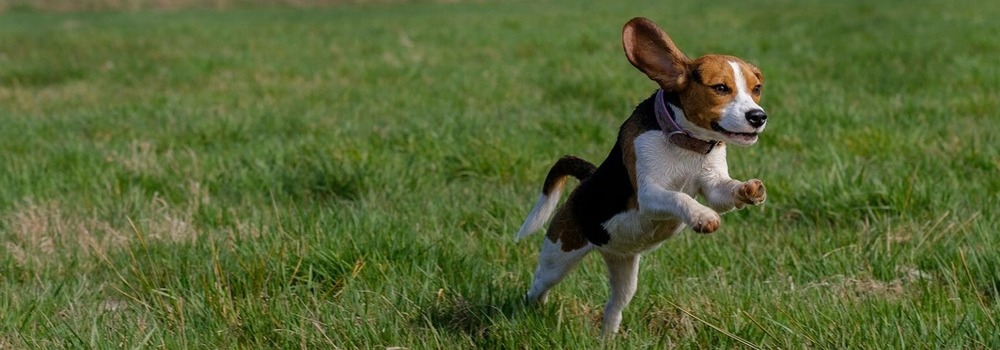
Beagles were developed as scent hounds, classically used for hunting hare or rabbit on foot. That detail matters because it explains why so many Beagles still move through the world nose-first, with a steady, purposeful pace once they have found something interesting.2, 4
Modern breed standards still describe the Beagle as a merry working hound with stamina and determination, not as a decorative pet. In practice, this means many Beagles are sociable, but also independent, distractible, and motivated by scent and food. None of this is “bad behaviour” in the moral sense. It is simply the job they were shaped to do, showing up in a suburban setting.1, 2
Physical characteristics: small, sturdy, made for endurance

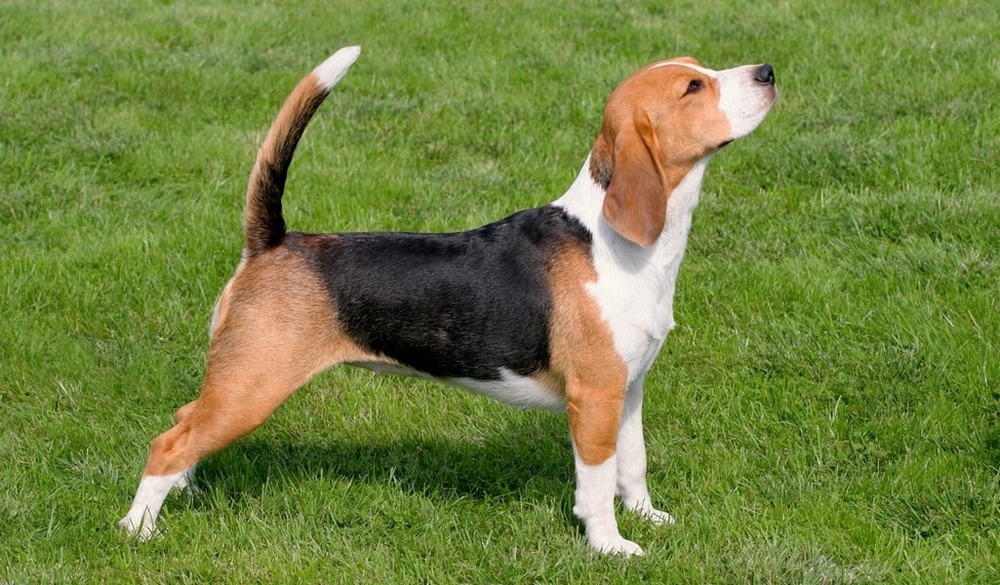
Beagles are compact, athletic dogs with a short coat and long, low-set ears. Their bodies are designed for steady movement over time rather than short bursts of speed. You often see this in how they walk: they can keep going at the same tempo far longer than you expect from a small dog.
The coat is usually easy to manage, but it still sheds. The ears, however, deserve attention. Long, floppy ears can reduce airflow to the ear canal, and some Beagles are prone to ear irritation or infection. Regular checks, especially after swimming or muddy adventures, are a sensible routine.3
If there is one feature that shapes daily life most, it is the nose. Beagles are scent hounds, and for many individuals, scent is the strongest reinforcer in the environment. That is why recall can crumble the moment a smell becomes more rewarding than you are.
Temperament and behaviour: friendly, social, and easily led by scent
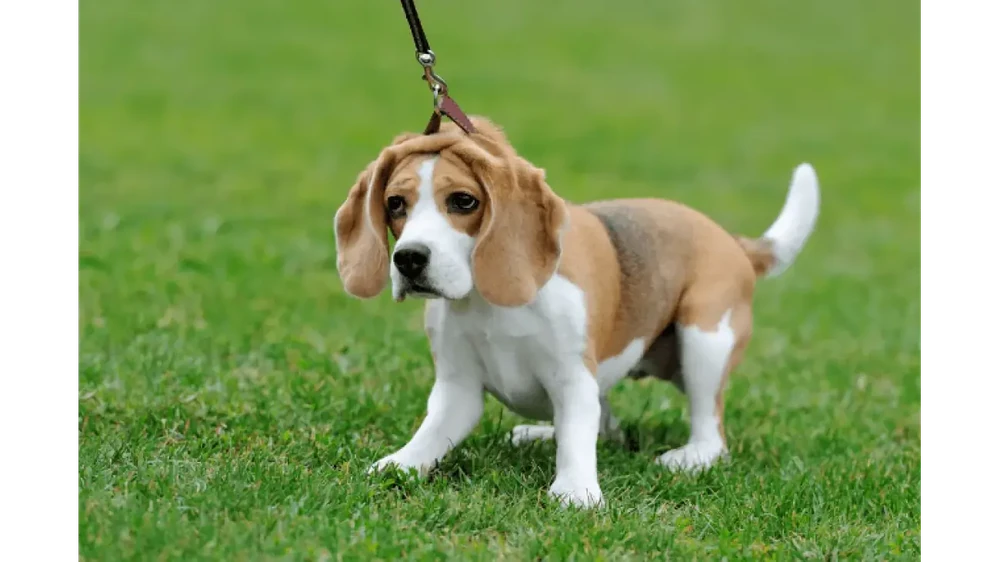
Beagles are often described as friendly and good with children, and many do enjoy company, including other dogs. They were bred to work in packs, so it is common for them to be socially interested and relatively tolerant compared with some more solitary hunting types.3
At the same time, a Beagle’s independence can surprise first-time owners. They can be affectionate and still make their own decisions. This is where people sometimes misread them. A Beagle is not necessarily “stubborn” in the way we talk about a child refusing to cooperate. More often, the dog is responding logically to the environment, choosing the most rewarding option available.
Many Beagles are also vocal. That classic hound sound, often called baying, is part of their heritage. In close living situations, it helps to plan ahead with enrichment, predictable routines, and training that teaches alternative behaviours, rather than trying to “stop noise” as a standalone goal.
Training and exercise: the essentials for living well with a Beagle
Beagles can learn quickly, but they rarely thrive on drilling. They tend to do best when training feels like a game and when rewards are meaningful. For many Beagles, food is a powerful tool, but it needs to be balanced with a sensible feeding plan so “training treats” do not quietly become weight gain.
A humane, reward-based approach is widely recommended by veterinary behaviour professionals. It is also practical for Beagles, because punishment-based methods often do not compete well with the rewards a dog finds in scenting and exploring, and can create fallout like anxiety or avoidance.5
Exercise needs are not just physical. A Beagle who only gets a brisk walk may still feel under-stimulated, because sniffing is part of how they process the world. Alongside daily walks, many owners find these help:
- Long-lead “sniff walks” in safe areas, where the dog can investigate without rehearsing bolting.
- Scatter-feeding in grass, snuffle mats, or simple scent games at home.
- Short training sessions that practise recall, leash skills, and settling on a mat.
Because Beagles are prone to following scents, off-lead freedom is best earned carefully, not assumed. Secure fencing and a reliable long line are often the simplest safety tools you can give yourself.
Health and lifespan: what to watch, what to prevent
Many Beagles live into their teens, and a lot of what supports that is ordinary, consistent care: appropriate exercise, regular veterinary checks, dental hygiene, and keeping weight in a healthy range.2, 3
One of the biggest practical risks for pet Beagles is gradual weight gain. Beagles are often very food-motivated, and it is easy for extra snacks and large portions to creep in. Obesity is associated with poorer quality of life and can worsen issues like joint discomfort. If you are unsure, ask your vet to show you how to assess body condition, then re-check it every few weeks rather than waiting for a yearly appointment.3, 6
Other commonly discussed issues in the breed include ear infections, some endocrine problems (such as thyroid disease), and orthopaedic concerns (such as hip dysplasia). Not every Beagle will face these, but it is worth choosing breeders who health test appropriately, and it is worth acting early if you notice changes in movement, energy, or appetite.3
Grooming and maintenance: simple coat care, steady routines
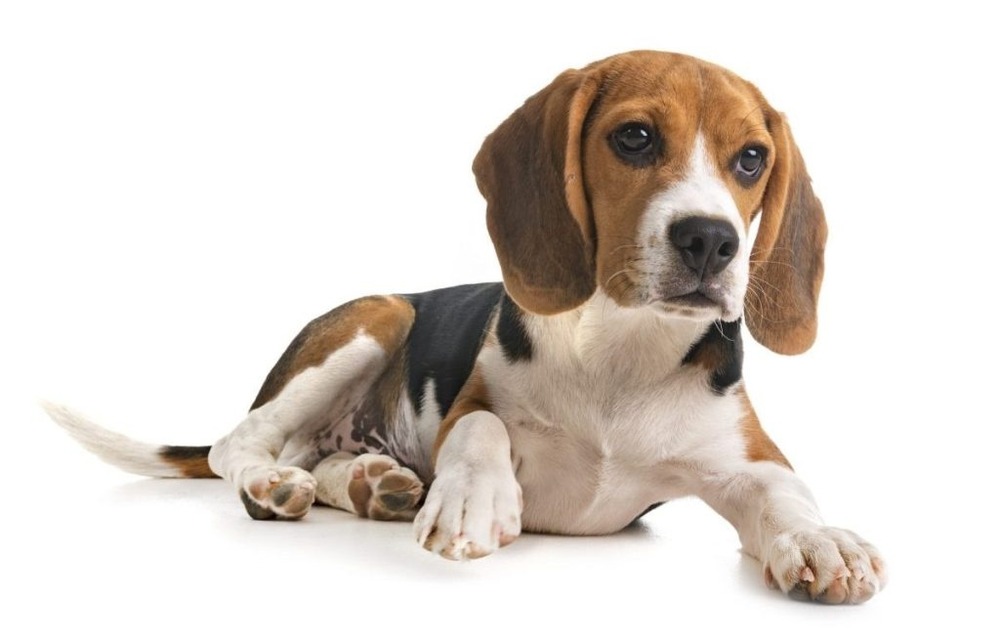
The Beagle coat is generally low-maintenance. A weekly brush helps lift dead hair and keeps oils evenly distributed. During seasonal shedding, you may choose to brush more often, but it rarely needs to be complicated.
Ears and teeth are the areas that benefit most from routine. Check ears regularly for redness, odour, or discharge. For teeth, aim for gradual, realistic habits. Even a few times a week is better than nothing, and it can reduce the risk of dental disease over time.
Nails also matter more than many people expect. If you can hear nails clicking on hard floors, it is usually time for a trim. Comfortable feet support comfortable movement, which supports a dog staying active and lean.
Diet and nutrition: keeping the nose happy without overfeeding
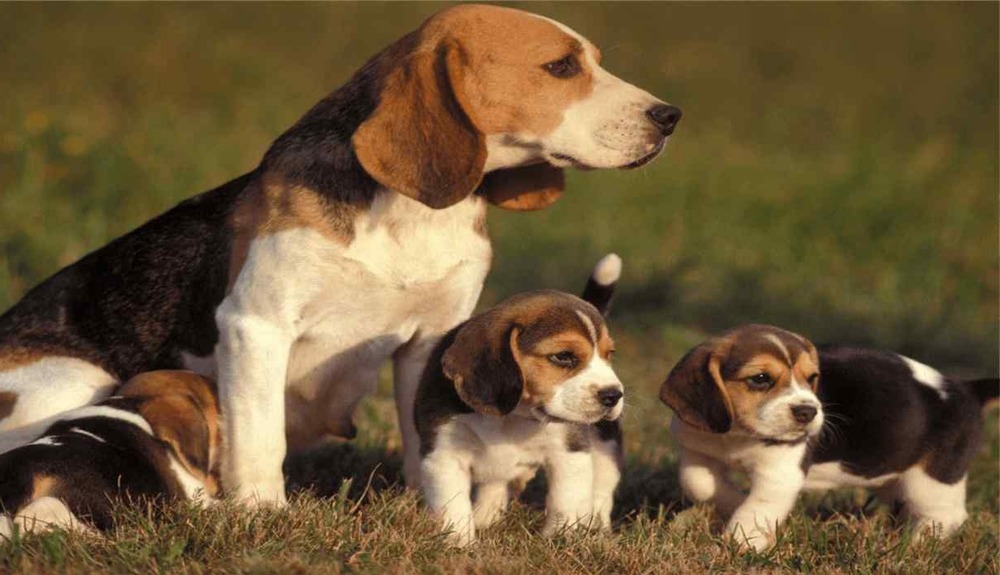
For most Beagles, the nutrition question is less about finding a “perfect” food and more about getting the basics right: an appropriate complete diet, measured portions, and a plan for treats that does not undermine the dog’s weight.
If your Beagle is highly food-driven, you can use that to your advantage. Put part of their daily ration into training and enrichment (puzzle feeders, scatter feeds, or simple scent work). It can make meals feel bigger and more interesting without adding extra calories.
Be clear about human foods. Some everyday items can be dangerous for dogs, including chocolate, grapes and raisins, and onions. Cooked bones can splinter and cause injury. If you are sharing food at all, keep it boring and safe, and talk with your vet if you are unsure.7, 8
Fun facts that actually help you understand the breed
Some “fun facts” are fluff, but a few genuinely explain why Beagles behave the way they do.
- Beagles are closely associated with organised rabbit and hare tracking activities, including field events. It is a reminder that many pet Beagles still have a strong drive to follow scent trails with focus and stamina.4
- Pop culture has given us plenty of Beagles, with Snoopy being the obvious example. It is worth remembering that real Beagles are typically more active and more nose-led than their cartoon counterparts.
Final thoughts: deciding if a Beagle fits your life
A Beagle can be a deeply enjoyable dog to live with: social, curious, and often game for whatever you are doing, as long as there is time to sniff. But they are rarely a “set and forget” breed. They do best with thoughtful structure, kind training, and daily outlets for the behaviour they were bred for.
If you like walking, can commit to consistent boundaries, and enjoy training as an ongoing relationship rather than a quick task, a Beagle often meets you halfway. If you need a dog who can reliably ignore the world off-lead, or who is content with minimal stimulation, it may be wiser to choose a breed with less scent-driven momentum.
References
- Federation Cynologique Internationale (FCI): Beagle (Standard No. 161)
- The Kennel Club (UK): Beagle breed information
- Encyclopaedia Britannica: Beagle
- American Kennel Club (AKC): Beagle field trials
- American Veterinary Society of Animal Behavior (AVSAB): Position statement on humane dog training
- RSPCA Australia: 4 ways to avoid obesity in your dog
- Agriculture Victoria: Human foods to avoid for cats and dogs
- RSPCA Australia: Household dangers to your pet