

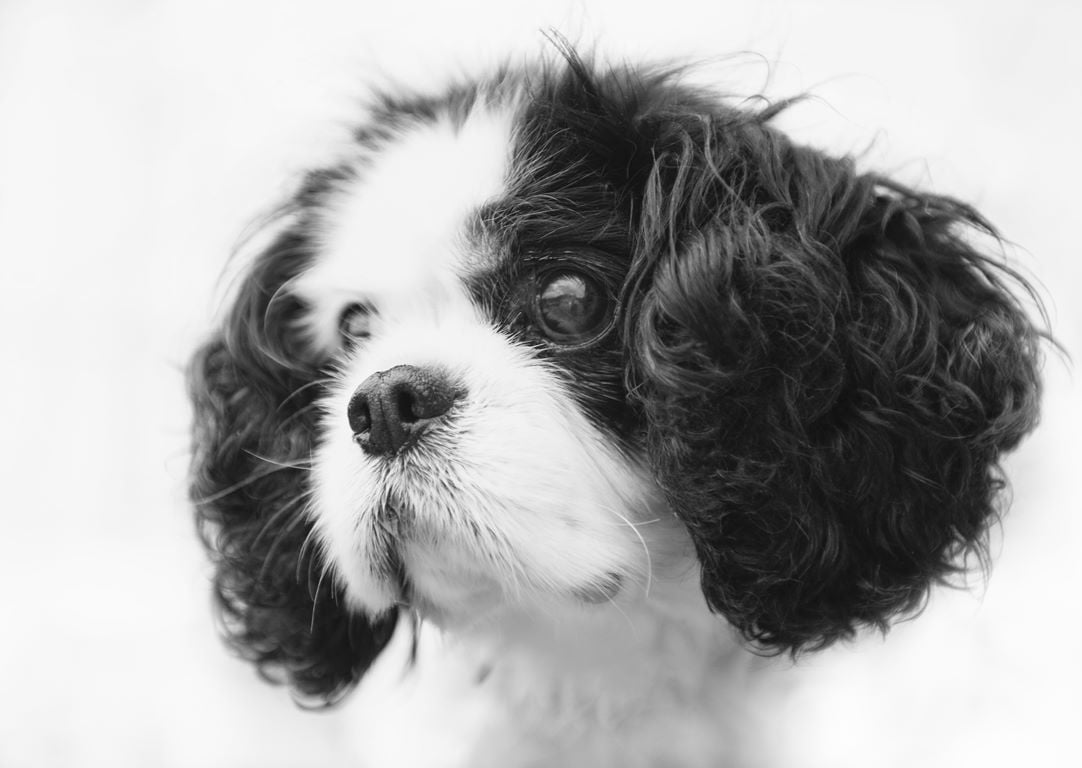
People often start looking up the Cavalier King Charles Spaniel after noticing one in a park or a cafe, quietly trailing behind someone with that soft, feathery coat and wide, watchful eyes. It can be hard to place what you are seeing. They look like a lap dog, yet they move with a little more spring and purpose than many toy breeds.
It is also common to assume that a small, gentle dog will be low effort. Cavaliers can be easy to live with in many ways, but they are not “set and forget”. Their coat needs steady maintenance, their bodies can put on weight quickly, and they are a breed where heart health deserves real attention over a lifetime.6, 7
If you are considering the breed, or already share your home with one, the most helpful approach is to treat the Cavalier as a companion dog with a spaniel’s sensitivities. They usually want to be close, they do best with kind consistency, and they tend to flourish when their care is calm, routine, and practical.
At a glance: Cavalier King Charles Spaniel basics
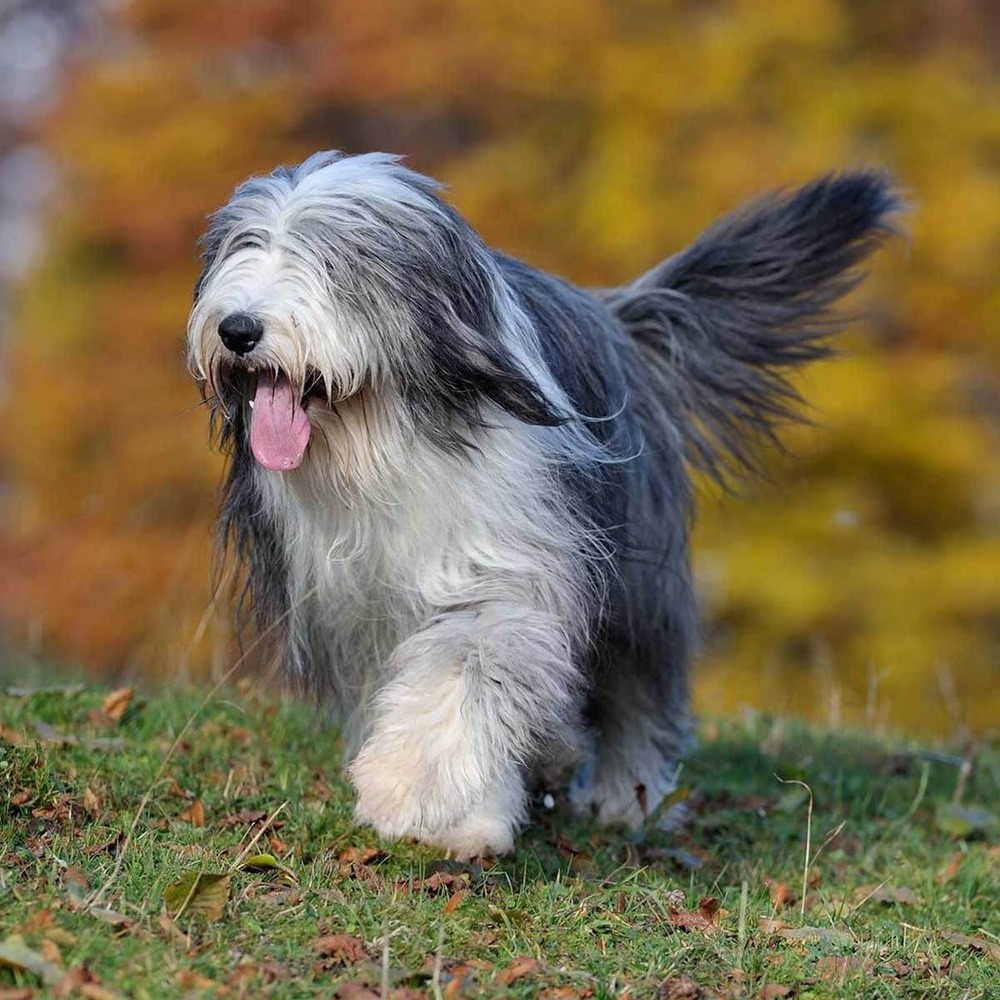
- Breed group: Toy (companion spaniel type)
- Typical adult weight: 5.4 to 8.2 kg (breed standard range)1
- Coat: long, silky, feathered, with a slight wave permissible (not curly)
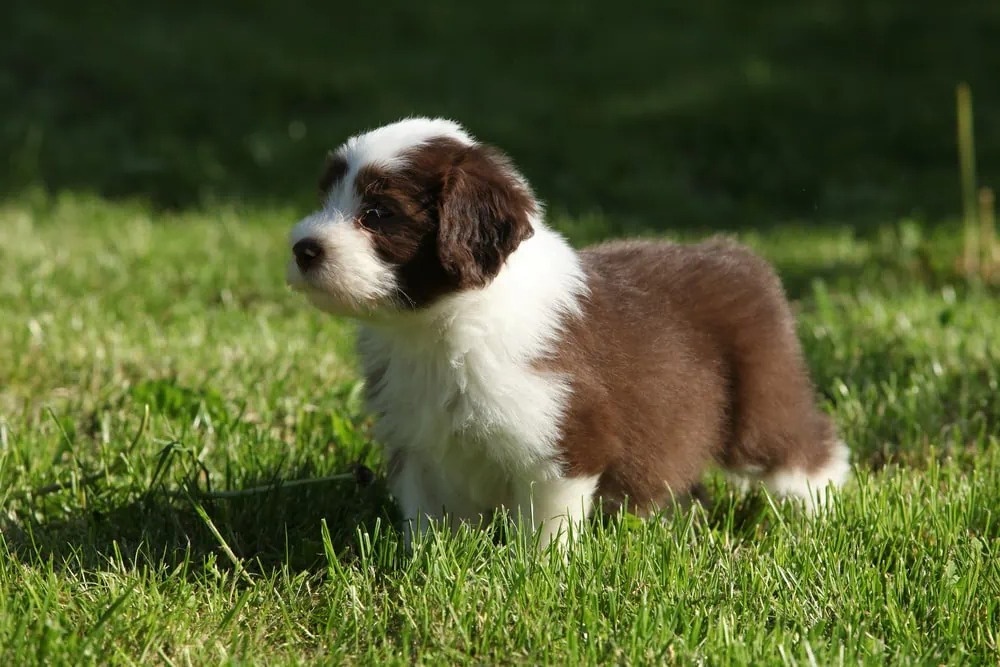
- Recognised colours: Blenheim, tricolour, ruby, black and tan1
- General energy: moderate, usually happy with daily walks and play
- Best known for: companionable nature, expressive eyes, adaptability to household life
History and what it shaped in the modern Cavalier
The Cavalier King Charles Spaniel sits in a long line of toy spaniels associated with British households and court life. The “King Charles” name reflects that cultural history, and the modern Cavalier was developed later with a deliberate attempt to return to an older “spaniel” look seen in historic portraits.
That background helps explain why many Cavaliers are so oriented to people. They were selected for close companionship, not for independence or distance work, which can make them wonderfully easy to include in daily life, but also more likely to struggle if left alone for long stretches.
One popular story says King Charles II granted spaniels permission to enter any public place, including the Houses of Parliament. It is widely treated as an urban myth, and it is best enjoyed as a bit of folklore rather than fact.8
Appearance and the traits people notice first
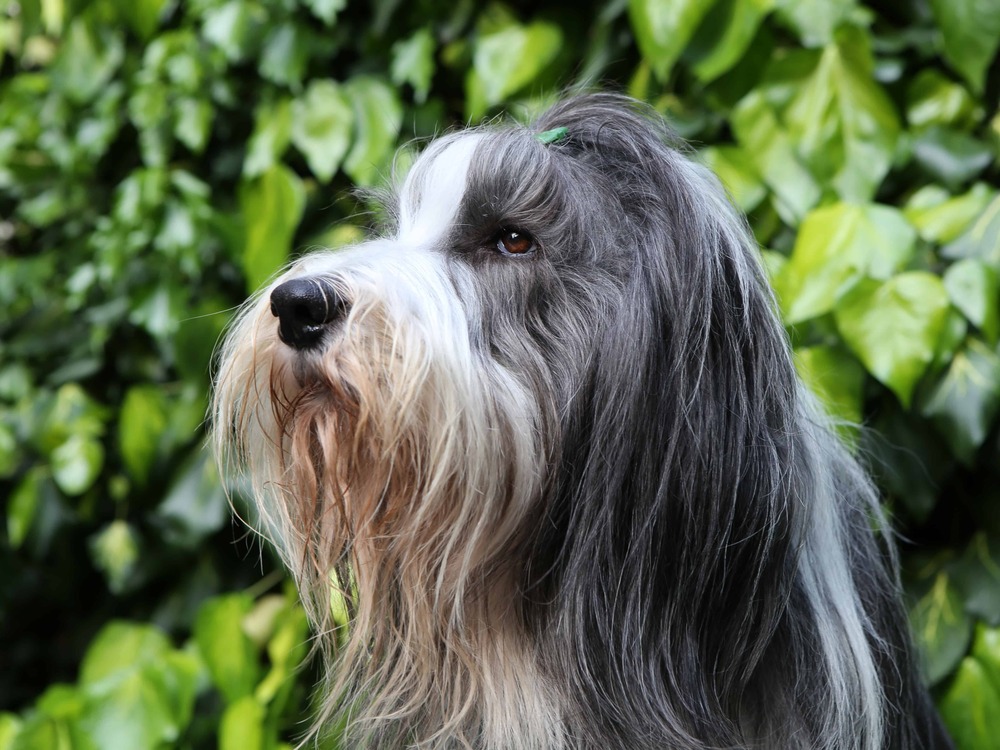
Most people recognise Cavaliers by their soft expression and feathering. The breed standard describes a long, silky coat with plenty of feathering and no trimming, which is why even a well-groomed Cavalier should still look natural rather than sculpted.1
They are small, but not meant to be fragile. A well-balanced Cavalier should feel sturdy in the hand, with enough muscle to enjoy a walk and a game. Keeping them within a healthy body condition matters, because excess weight can quietly worsen comfort and mobility over time.
Colour is one of the few areas where the breed is quite fixed. In Australia, the recognised colours are Blenheim, tricolour, ruby, and black and tan.1
Temperament and suitability for different households
Cavaliers are usually described as affectionate, gentle, and people-focused. In practice, that often looks like a dog who shadows you from room to room, checks in frequently, and settles best when they can be near their person. It can be a lovely fit for families, singles, and older owners who want a dog that is present without being constantly demanding.
With children, they often do well when interactions are supervised and respectful. Like any small dog, they can be overwhelmed by rough handling or unpredictable grabbing, so it helps to teach children how to invite contact rather than assume it.
With other pets, many Cavaliers cope well, especially if introductions are unhurried and the home is set up so each animal can retreat. A calm, social dog still benefits from choice and space, especially in busy households.
Training and exercise that suits a Cavalier
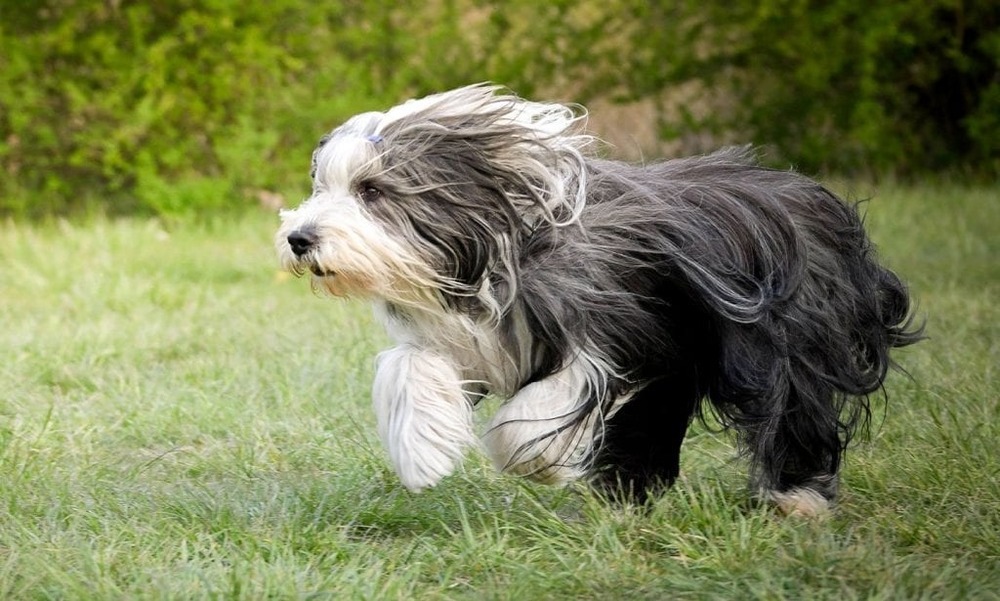
Training tends to go smoothly when it is light, consistent, and reward-based. Cavaliers are often responsive to praise and food rewards, but they can also become a little worried if voices rise or corrections are sharp. The goal is a dog who understands what you want, not a dog who is simply trying not to make a mistake.
Exercise needs are usually moderate. Many Cavaliers enjoy a couple of short walks a day and a bit of play, and they are often satisfied with “sniff time” as much as speed. If you have access to safe, enclosed areas, gentle off-lead exploration can be excellent enrichment, provided recall training is in place.
- Best daily baseline: consistent walks, short play sessions, and opportunities to sniff
- Watch the weather: small dogs can overheat quickly, so adjust walk times on hot days
- Build resilience: calm exposure to sounds, surfaces, visitors, and handling, especially in puppyhood
Health considerations to take seriously
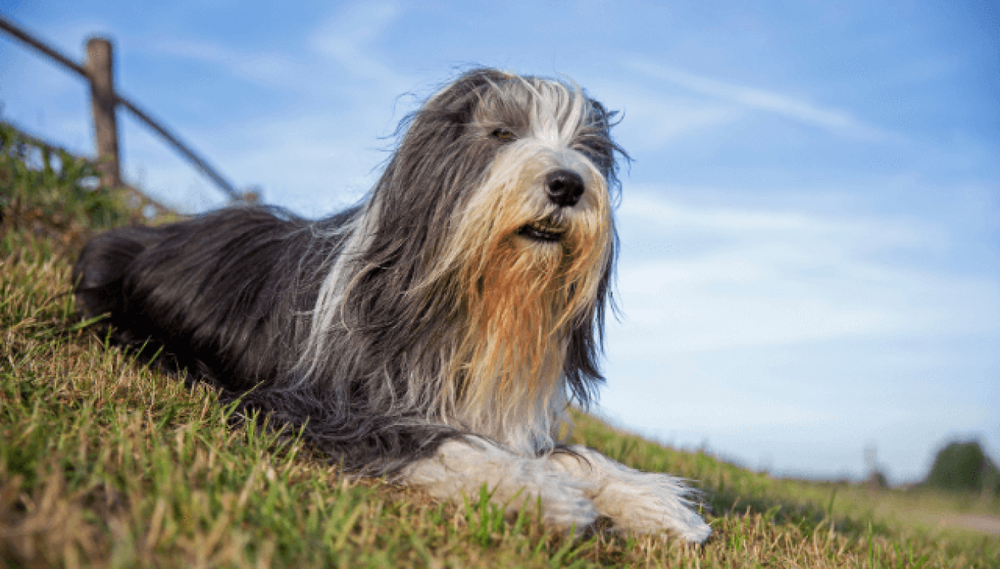
Cavaliers can live into their teens, but they are also one of the breeds strongly predisposed to myxomatous mitral valve disease (MMVD), a common degenerative heart condition in small dogs that can begin with a murmur years before symptoms of heart failure appear.6
It is worth being cautious with “common health issues” lists online, because they can be both incomplete and alarmist. What helps most is a plan with your vet for routine heart checks and a clear understanding of what changes in breathing, stamina, coughing, or restlessness might mean for your individual dog.6
Other issues sometimes seen in the breed include eye conditions and orthopaedic concerns such as patellar luxation. Not every dog will be affected, and many live comfortable lives, but this is where breeder choice and health testing make a practical difference.
Choosing a breeder and asking better questions
If you are buying a puppy, it is reasonable to ask what health screening is done in the breeder’s lines, and what the typical age of onset is for any murmurs or neurological issues they have seen. A thoughtful breeder will not promise perfection, but they should be willing to discuss risk, family history, and how they select breeding dogs.
Grooming and coat care without overcomplicating it
The Cavalier coat is beautiful, but it is also the sort of coat that quietly mats in the places you do not notice until you run your fingers through it. The “hot spots” are usually behind the ears, under the armpits, around the collar area, and in the feathering on legs.
A few short grooming sessions each week is often easier than a big, stressful session once a fortnight. Keep it gentle, keep it predictable, and aim for comfortable handling as much as a tidy finish.
- Brushing: several times a week, more often during heavier shedding periods
- Ears: check regularly for waxy build-up or odour, and ask your vet about safe cleaning if needed
- Nails: trim little and often so feet stay comfortable on hard surfaces
Feeding and weight management
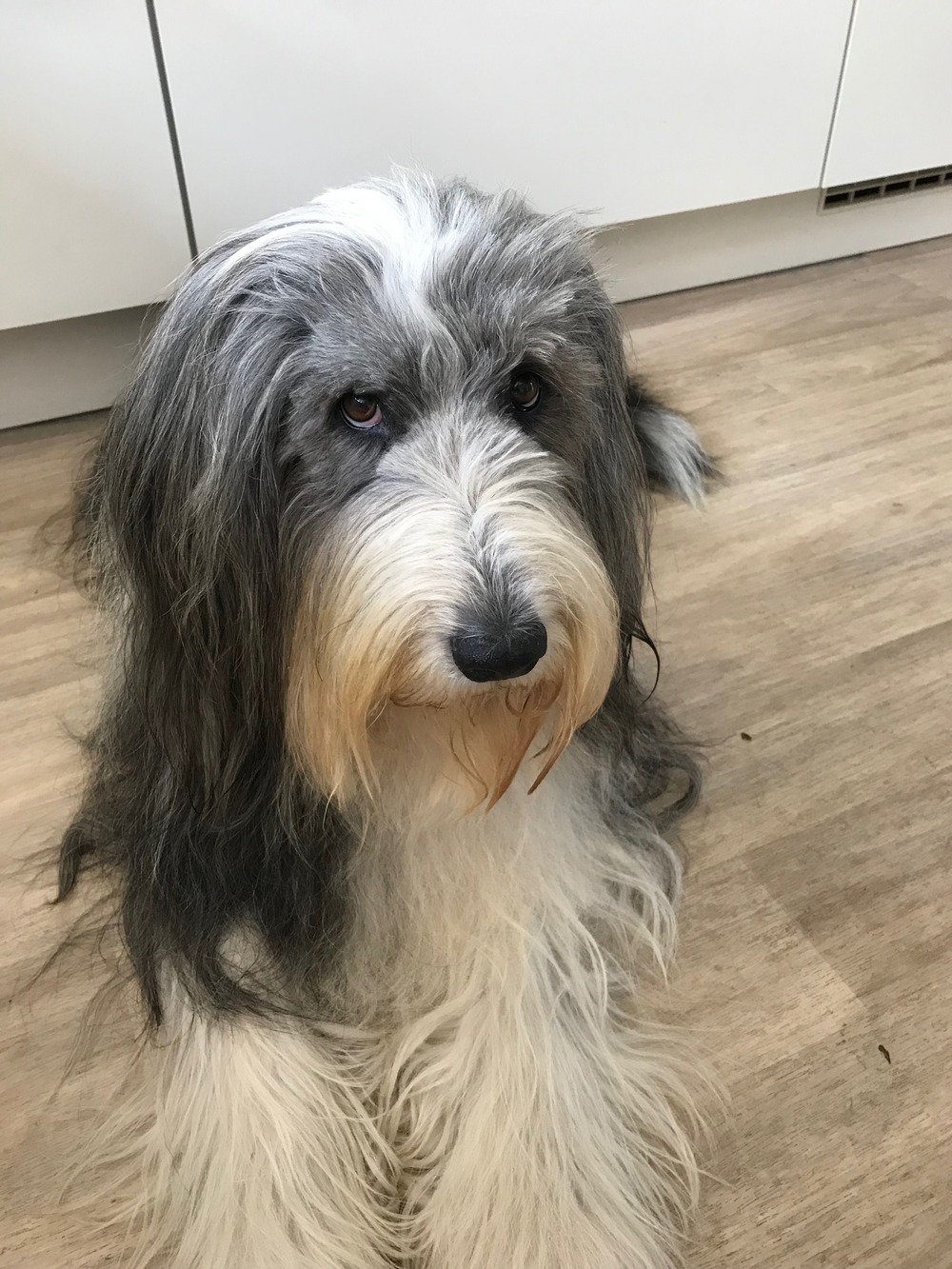
Cavaliers can be enthusiastic eaters, and their size means small extras add up fast. A consistent diet, measured portions, and regular weigh-ins are simple tools that prevent most “mystery” weight gain.
If you use treats for training, factor them into the day rather than adding them on top. It is also worth remembering that some dogs do better with part of their meal delivered through enrichment, such as scatter feeding in grass or a puzzle feeder, especially if they tend to hover in the kitchen.
Foods to avoid (because accidents happen)
Many household foods are unsafe for dogs. Keep an eye out for ingredients that show up in lunchboxes, baking, and shared snacks. The safest approach is to assume that small dogs have less margin for error.
- Chocolate
- Grapes and raisins
- Onion and garlic (including powders in cooked foods)
- Xylitol (sweetener found in some sugar-free products)9, 10
Living well with a Cavalier, day to day
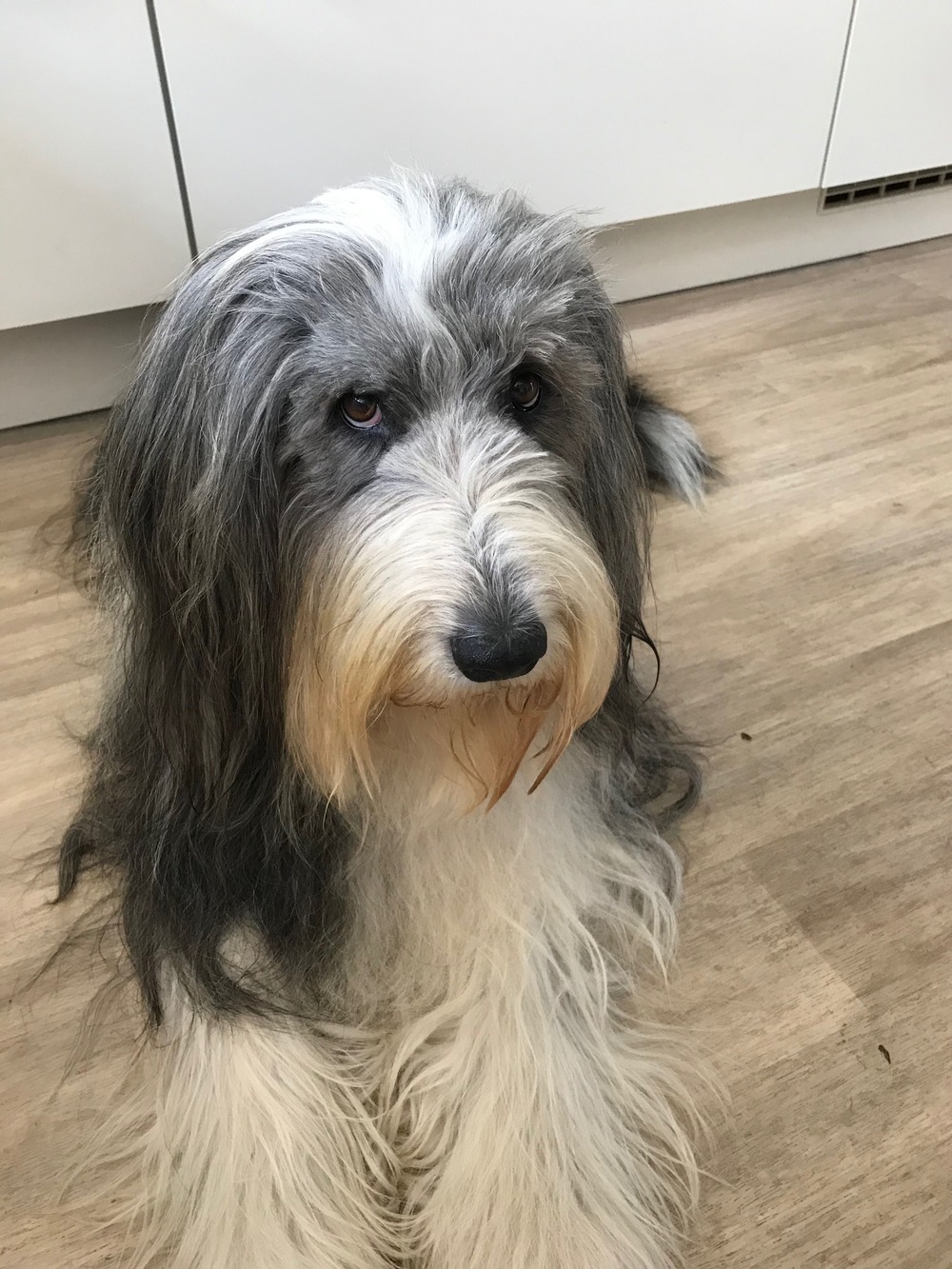
The Cavalier’s strengths show up in ordinary moments. They often settle nicely in smaller homes, enjoy gentle routines, and are usually happy to travel if they have been introduced to it gradually. They are also a breed that commonly prefers company, so it helps to plan for how they will cope on days when the house is quiet.
Practical supports can be simple: a predictable morning walk, a safe resting spot away from foot traffic, and a habit of short separations that teach the dog that people come and go. If your Cavalier struggles when left alone, a qualified trainer can help you build a plan that is fair to the dog and realistic for your life.
Above all, the Cavalier tends to thrive when their care is steady rather than intense. Regular grooming, sensible exercise, and routine vet checks give you the best chance of many comfortable years together.6
References
- Dogs Australia (ANKC): Cavalier King Charles Spaniel breed standard
- Dogs NSW: Cavalier King Charles Spaniel breed standard
- RSPCA Pet Insurance Australia: Guide to dog dental care
- Greencross Vets: Dental home care for pets
- FOUR PAWS Australia: Is your pet overweight?
- ACVIM consensus guidelines: Diagnosis and treatment of myxomatous mitral valve disease in dogs (2019)
- PubMed: ACVIM consensus guidelines for myxomatous mitral valve disease in dogs (2019)
- Wikipedia: King Charles Spaniel (includes note on the Charles II public access story as an urban legend)
- Animal Emergency Clinic: Foods that are toxic for dogs
- Ambleside Animal Hospital: Food toxins in pets (includes grapes and raisins, chocolate, xylitol)