

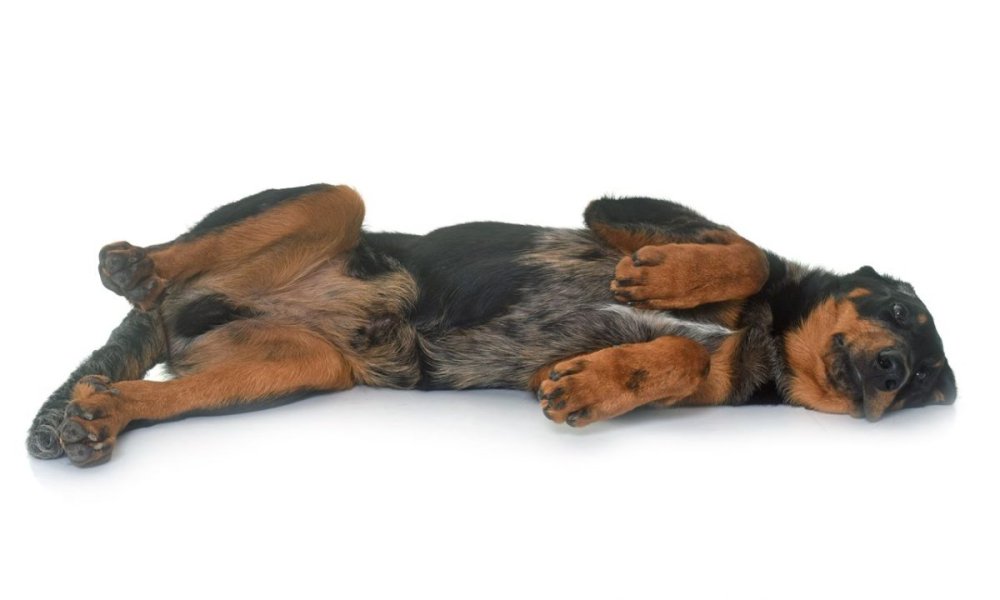
- Breed category: Herding
- Country of origin: France
- Average height: Males 65 to 70 cm, females 61 to 68 cm
- Average weight: Males 32 to 50 kg, females 30 to 45 kg
- Average life span: 10 to 12 years
- Grooming requirements: Low, occasional brushing
- Exercise requirements: High, needs daily exercise
- Coat type: Short, dense double coat
- Coat colour variations: Black and tan, harlequin
- Shedding level: Moderate
- Ear type: Naturally dropped (cropping is illegal in Australia except for therapeutic reasons)
- Tail type: Long, carried low
- Temperament: Loyal, protective, intelligent
- Intelligence level: High
- Barking tendency: Moderate
- Compatibility with children: Often good with careful supervision and training
- Compatibility with other pets: Varies, early socialisation matters
- Training ease: Best with an experienced handler
- Common health issues: Hip dysplasia, bloat (GDV)
- Dietary needs: High-quality, balanced diet
- Energy level: High
- Drooling tendency: Low
- Sensitivity to weather: Tolerates cold better than heat
- Overall maintenance level: Moderate
- Original purpose: Herding and guarding livestock
- AKC recognition: 2007
- Apartment friendly: Usually not ideal, needs space and structure
- Best suited for: Active households, rural or semi-rural settings
- Cost of ownership: Moderate to high
- Unique traits: Double dewclaws on hind legs
People often start looking up the Beauceron after spotting one that looks a bit like a Dobermann, but moves like a stock dog, or after hearing someone call them a “French herding dog” and wondering what that really means day to day. They are not especially common, which can make it hard to tell what is breed reputation and what is realistic household fit.
What stands out in practice is how much this breed is shaped by work. A Beauceron is typically clever, physically capable, and quick to notice patterns in their environment. That can be a joy in the right home, but it also means they tend to do best with clear training, daily exercise, and a job, even if that “job” is structured sport, farm tasks, or regular skill-building.
They are also a dog where small details matter, from the famous double dewclaws to the way their protective instincts can surface if they are under-socialised. Understanding those details early helps you avoid mismatched expectations later.
History and origin of the Beauceron
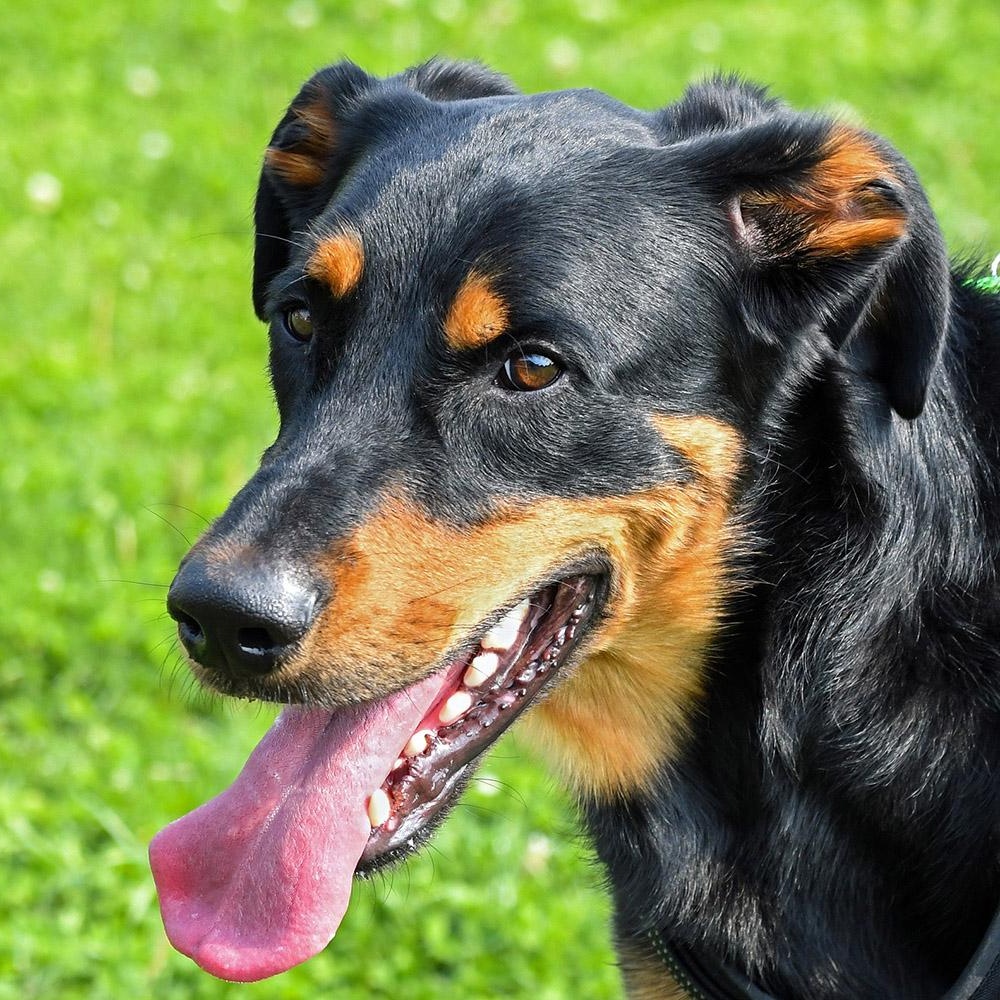
The Beauceron (also called the Berger de Beauce) developed in France as a practical farm dog, valued for moving and guarding livestock across open country. Over time, it became recognised as a distinct type among French herding dogs, prized for stamina, soundness, and an ability to work with a level of independence.
That working background still shows today. Many Beaucerons have a steady, purposeful way of moving through the world, and they often cope better when their lives include routine, boundaries, and meaningful activity, rather than sporadic bursts of excitement.
The breed is also known for service in wartime roles, including messenger and detection work, which reflects their trainability and resilience.1
Physical characteristics that make the breed distinctive
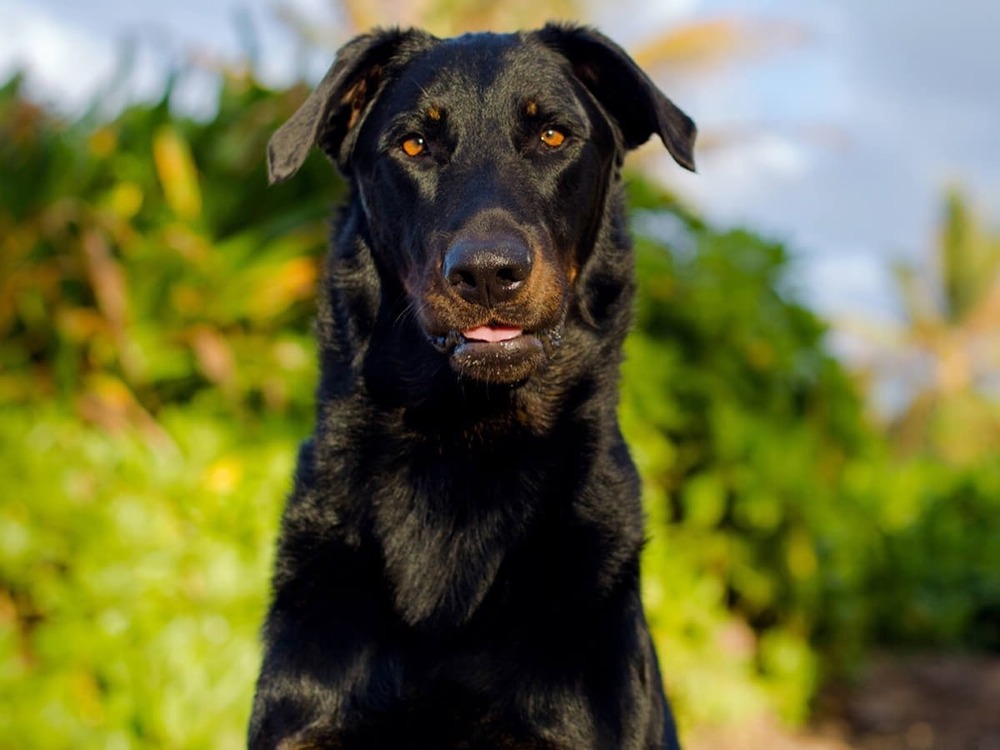
Beaucerons are large, athletic dogs with a short, dense coat. Most are black and tan, and there is also a harlequin pattern (a mottled mix of grey, black, and tan) accepted under breed standards. Their build is strong without being bulky, designed for steady movement over distance rather than short, heavy power.
The signature feature is their double dewclaws on the hind legs. In recognised breed standards, these are not a cute extra, they are expected, and in many conformation contexts the absence of correct double dewclaws is a serious fault or disqualification.2, 3
You may also see references to cropped ears in older material, particularly from countries where it has historically been practised. In Australia, cosmetic ear cropping is illegal in all states and territories, except for genuine therapeutic reasons performed by a veterinarian.4
Temperament and behaviour in everyday life
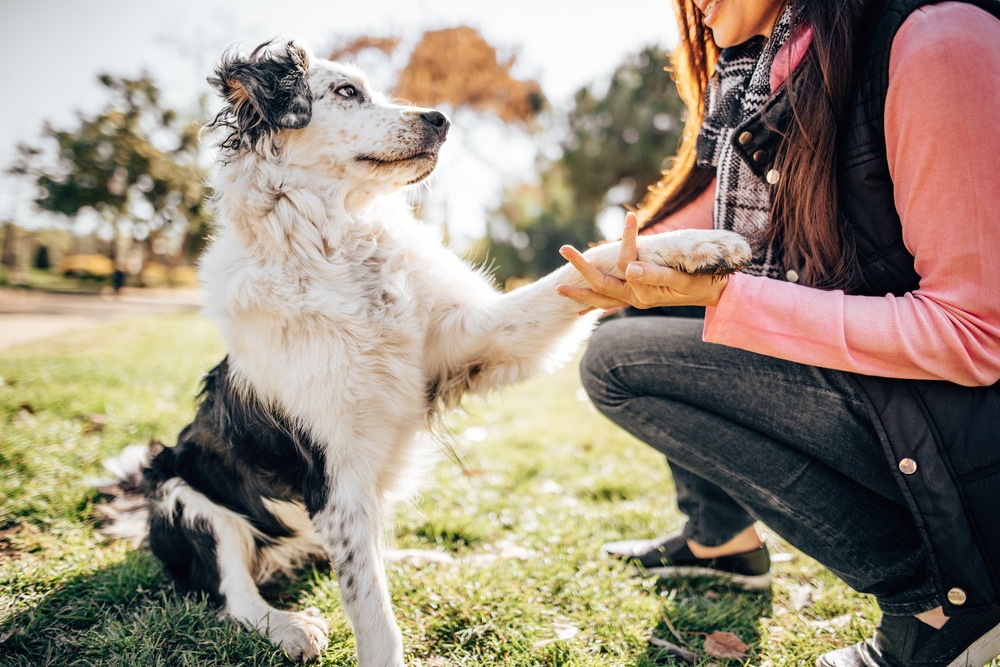
In many homes, Beaucerons are described as devoted and highly aware of their people. They often bond strongly, notice changes quickly, and can become watchful in new situations. That does not automatically mean they are “aggressive”, but it does mean they benefit from thoughtful handling and consistent expectations.
Because they are both intelligent and powerful, they tend to thrive with owners who enjoy training as an ongoing practice rather than a puppy phase. A bored Beauceron can invent their own activities, which may look like pestering, rough play, or guarding behaviours that have not been properly shaped.
With children, the goal is usually not just tolerance, but calm, rehearsed manners. Early supervision, reward-based training, and teaching kids how to give space and avoid high-arousal games make a big difference. With other animals, early socialisation helps, and you may need to manage herding-style behaviours such as circling or body-blocking, especially in adolescence.
Training and exercise needs
Beaucerons are typically capable learners, but they are not always “easy”. They can be quick to spot inconsistency and may test boundaries if training is unclear or overly harsh. The most reliable results usually come from reward-based training with clear structure, plenty of repetition, and regular opportunities to practise skills in real environments.
Exercise needs are high, but it is not only about kilometres. Many Beaucerons need both physical work and mental work, such as obedience foundations, scent games, herding-style outlets, or dog sports that build control as well as speed.
- Daily movement, such as brisk walks, runs, or hiking, suited to age and fitness.
- Brain work, such as short training sessions, food puzzles, or scent-based searching.
- Impulse control practice, including settle cues, polite greetings, and calm behaviour around triggers.
If you are considering a Beauceron for protection sport or guarding work, it is worth seeking guidance from experienced clubs and trainers. The aim should be a dog that can switch off, not a dog that stays on edge.
Health and lifespan considerations
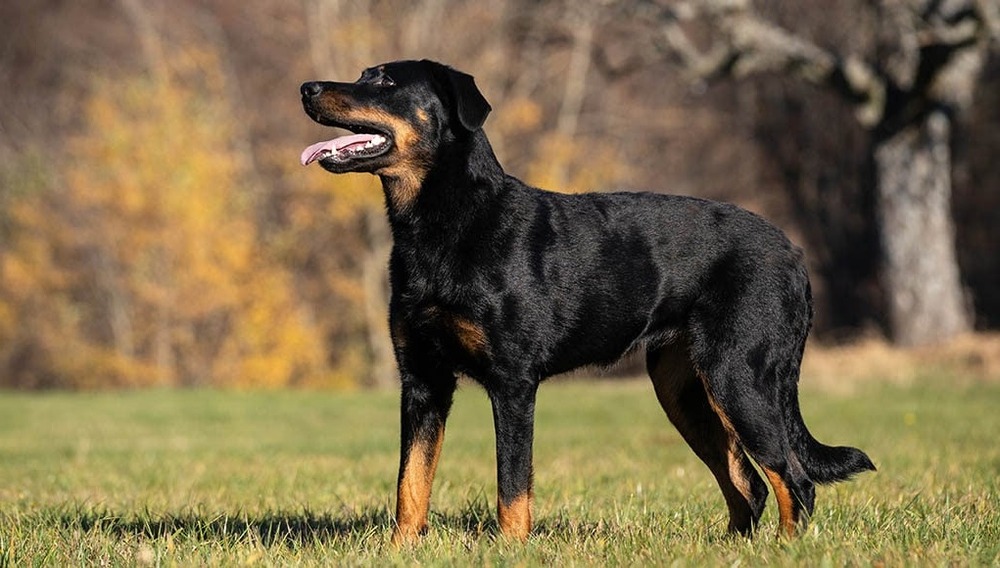
A typical lifespan is around 10 to 12 years, with many dogs remaining active well into adulthood when kept lean and well-conditioned.
As with many large breeds, hip dysplasia can occur, which is one reason responsible breeders screen breeding dogs and keep good records. Talk with your vet about what screening is appropriate for your dog’s age and lifestyle, and keep exercise sensible during growth.
Another concern in large, deep-chested dogs is gastric dilatation-volvulus (GDV), often called bloat. GDV is an emergency. Risk reduction is not perfect, but practical steps often include feeding multiple smaller meals, slowing down fast eaters, avoiding vigorous activity around mealtimes, and discussing prophylactic gastropexy with your veterinarian if your dog is considered higher risk.5, 6, 7
Grooming and maintenance
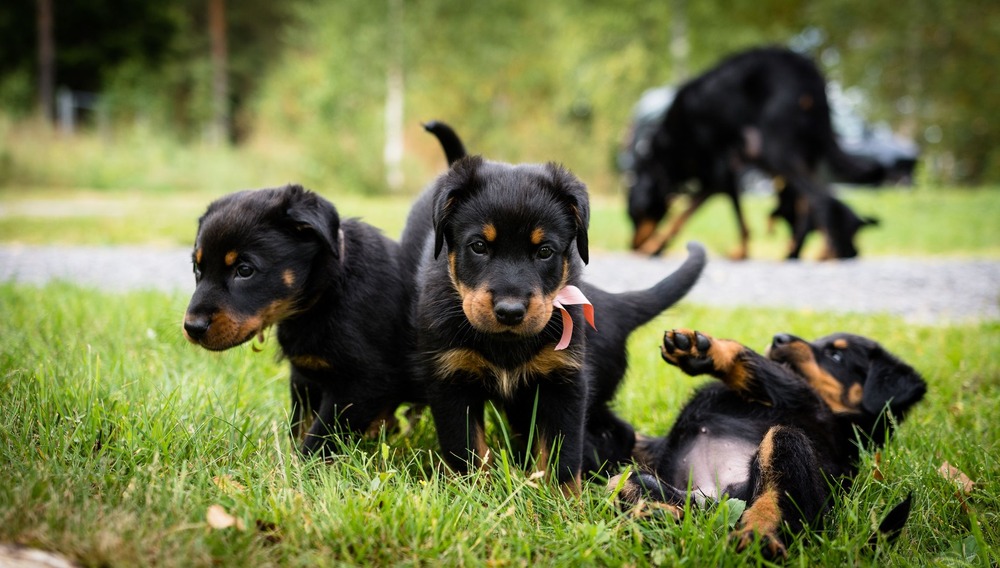
The Beauceron’s coat is short and generally straightforward to care for. A weekly brush is usually enough to remove loose hair and spread natural oils. During seasonal shedding, brushing more often can make the house easier to live in.
Routine maintenance still matters. Nails, ears, teeth, and paw pads are the quiet essentials, especially for a dog that exercises hard. It is also worth checking the hind dewclaws regularly, because extra claws can catch on rough ground if nails are overgrown.
Overall, grooming is less about “beauty work” and more about keeping the dog comfortable and sound.
Diet and nutrition
Most Beaucerons do well on a complete and balanced diet appropriate to their life stage, size, and activity level. Because they are often active dogs with good muscle, it can be tempting to feed generously. Keeping a close eye on body condition is usually more useful than relying on the number on the scale.
If your dog eats quickly, consider slow feeders or puzzle feeding. This is not just enrichment, it can also help reduce air swallowing in dogs that tend to bolt food, which is one of the practical management points often discussed around GDV risk reduction.5, 6
If you want to feed a home-prepared diet, do it with veterinary guidance so the overall diet remains nutritionally complete.
Small details and the “Bas Rouge” nickname
The Beauceron is sometimes called the Bas Rouge, French for “red stockings”, a nod to the tan markings on the lower legs that can look like socks. You will see this nickname used in breed writing and enthusiast circles, alongside the more formal Berger de Beauce.8
They are also a breed where structure and tradition show up in physical details. The hind double dewclaws are the obvious example, but more broadly, the Beauceron is meant to be a functional herding dog, with movement and construction that support long, steady work rather than extremes.
Final thoughts
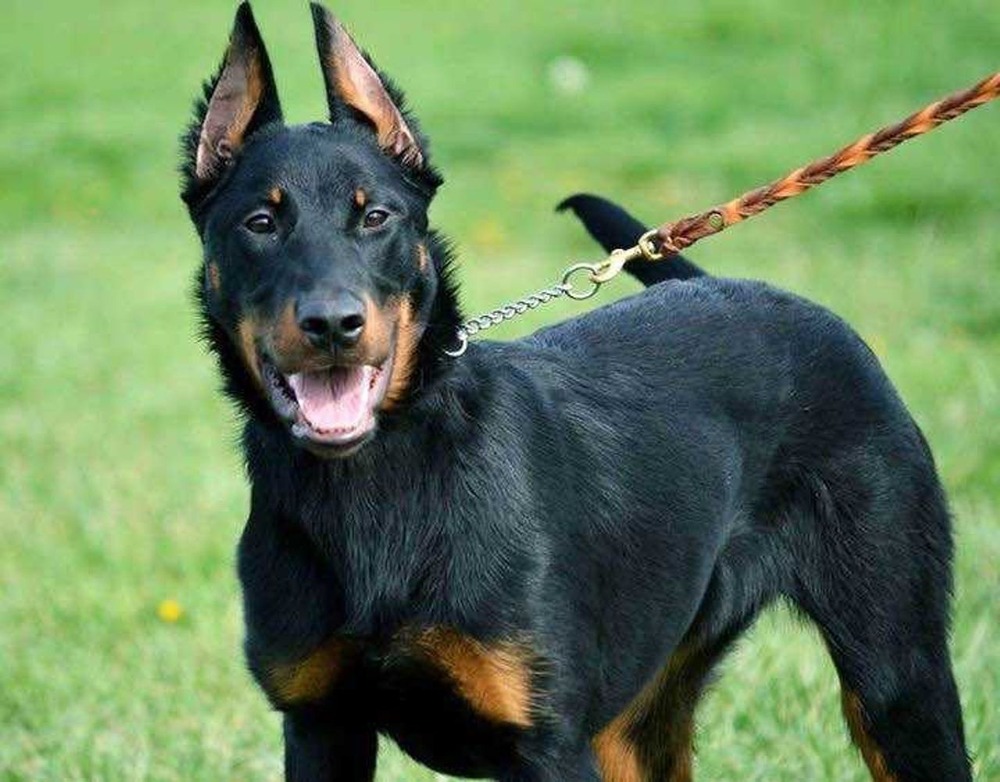
A Beauceron can be a deeply satisfying dog for the right person: bright, capable, and often steady when their needs are met. They are not usually a “set and forget” pet, and they are rarely a good match for households that want an easygoing dog without a daily plan.
If you enjoy training, can offer consistent exercise, and value a dog with both working heritage and presence, the Beauceron can make a remarkable companion. The best outcomes tend to come from choosing carefully, socialising early, and staying engaged with the dog you have in front of you.
References
- American Kennel Club: A Tale of Two Beaucerons
- United Kennel Club: Breed Standards, Beauceron
- The Kennel Club (UK): Beauceron breed standard
- RSPCA Australia Knowledgebase: Is ear cropping of dogs legal in Australia?
- Cornell University College of Veterinary Medicine: Gastric dilatation volvulus (GDV) or “bloat”
- American Animal Hospital Association (AAHA): Understanding canine bloat (GDV)
- American College of Veterinary Surgeons (ACVS): Gastropexy and GDV
- The Spruce Pets: Beauceron dog breed characteristics and care
- American Kennel Club: Breeds by year recognised