

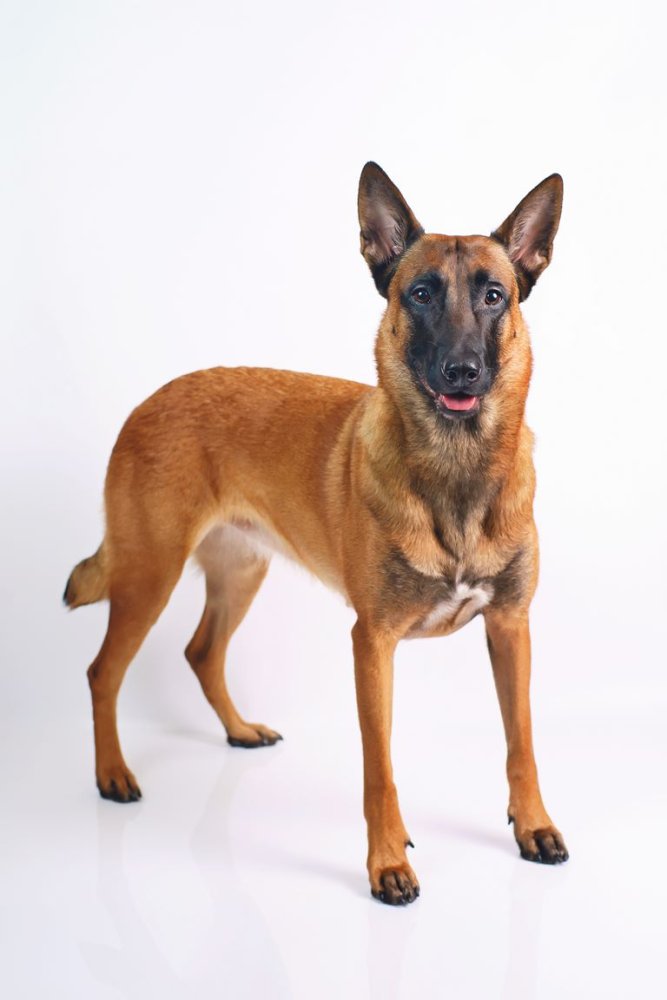
People usually start looking up the Belgian Malinois after they have met one in the park, seen one working with police or emergency services, or noticed how quickly a friend’s dog seems to learn. At first glance, it can look like a leaner German Shepherd type, but the day to day reality is different. This is a dog built for focus, speed, and sustained effort, and it tends to thrive when life gives it something meaningful to do.
That is where a lot of the misunderstandings come from. It is easy to fall in love with the “smart and loyal” idea, then be surprised by the intensity that can come with it. With the right handling and lifestyle, a Malinois can be a steady, responsive companion. In the wrong fit, the same traits can tip into frustration, overarousal, and difficult behaviour.
Understanding the breed as a working herding dog first, and a family dog second, helps everything else make sense, from training choices to exercise planning and even health decisions.
- Breed category: Herding type (Belgian Shepherd Dog variety)
- Country of origin: Belgium
- Average height: Dogs 61 to 66 cm, bitches 56 to 61 cm1
- Typical adult weight: About 25 to 30 kg (dogs), 20 to 25 kg (bitches)4
- Typical lifespan: Often around 10 to 14 years (varies by lines and care)6
- Coat: Short, dense, weather resistant, usually fawn to mahogany with black mask1, 4
- Energy level: Very high
- Grooming needs: Generally low to moderate, regular brushing helps manage shedding
- Best suited for: Experienced, active homes, dog sports, and working roles
Where the Belgian Malinois comes from
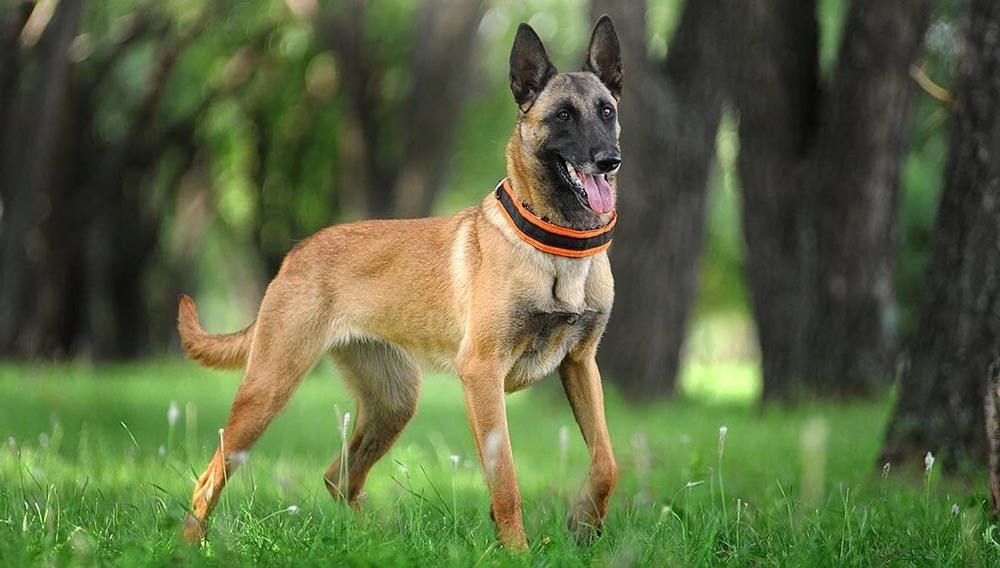
The Malinois is one of four varieties of the Belgian Shepherd Dog, which were developed and standardised in Belgium in the late 1800s. Those early dogs were valued because they could work all day, make quick decisions around stock, and still be capable guardians around farm property.1
Professor A. Reul is often credited as a key figure in documenting and organising those early Belgian herding dogs into a more consistent type. Breed clubs gathered large numbers of dogs, selected the best representatives, and began writing the standards that later shaped what we now call the Belgian Shepherd varieties, including the Malinois.1
This working origin still shows up clearly today. Many Malinois have an “always on” quality. It is not that they need constant entertainment, it is that they have been shaped to notice movement, respond quickly, and stay engaged for long stretches. In the right hands, that becomes the breed’s brilliance.
Appearance and what it is built to do
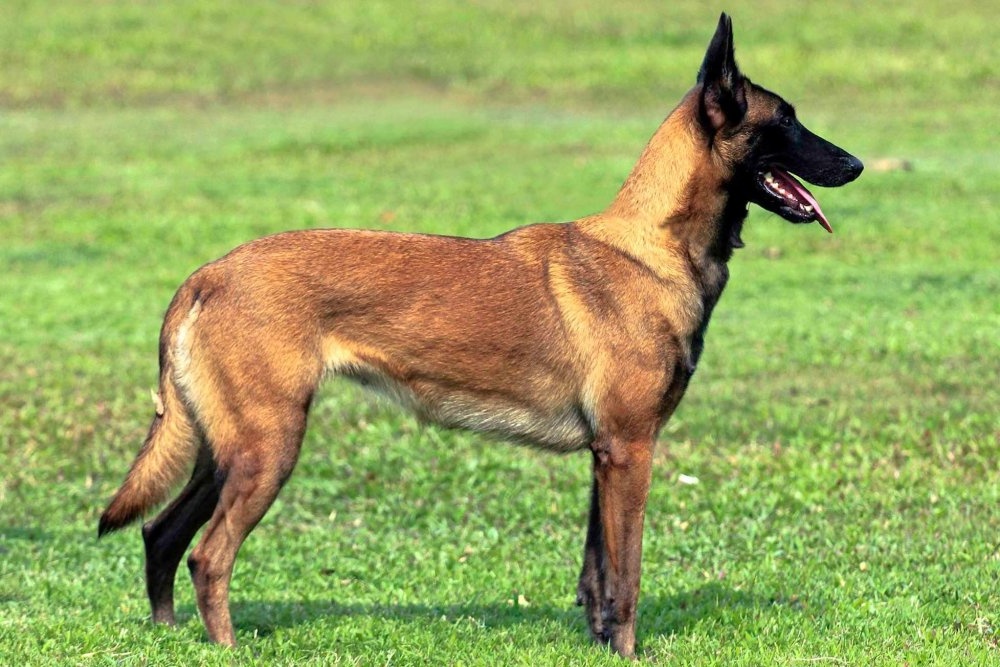
A Belgian Malinois is a medium sized, athletic dog with a short coat and a balanced, square outline. Height guidelines commonly sit around 61 to 66 cm for dogs and 56 to 61 cm for bitches, measured at the withers, although individual dogs can vary within their lines.1, 5
Coat colour is typically fawn with a black overlay and a distinct black mask, and the coat is dense with an undercoat designed for outdoor work.1, 4 In practical terms, that means they cope well with cool weather, but in hot conditions they can overheat quickly if they are pushed too hard.
People sometimes describe the Malinois as “a German Shepherd but smaller.” It is closer to say they are cousins with different emphasis. The Malinois tends to be lighter in build and often more movement driven, which matters when you are planning training, enrichment, and household routines.
Temperament, drive, and everyday fit
The words you see most often are intelligent, loyal, protective. They are not wrong, but they can be incomplete. A Malinois commonly brings high working drive, fast learning, and strong environmental awareness. That can look like “obedience” when the dog is well supported, and like “reactivity” when the dog is overstimulated, undertrained, or living without enough structure.
For many families, the hardest adjustment is realising that exercise alone is not enough. A long run can build fitness without building calm. What often makes the difference is a mix of training, problem solving, decompression time, and clear routines that help the dog switch off.
If you are deciding whether this breed suits your home, it helps to think in terms of daily life rather than ideals. Herding types are known for being clever and trainable, but they also tend to need lots of mental and physical stimulation to live well in a typical household.7
Is a Malinois good with children and other pets?
Many Malinois can live well with children and other animals, especially when they are raised thoughtfully and trained consistently. The risk is not “aggression by default,” but the combination of speed, intensity, and herding instincts. Fast movement and squeals can trigger chasing, mouthing, or body checking in some individuals.
Supervision and management are sensible, particularly with young children. If your household includes cats or small animals, early, careful introductions and ongoing safety planning matter, because prey drive varies by dog and by line.
Training and exercise that actually helps
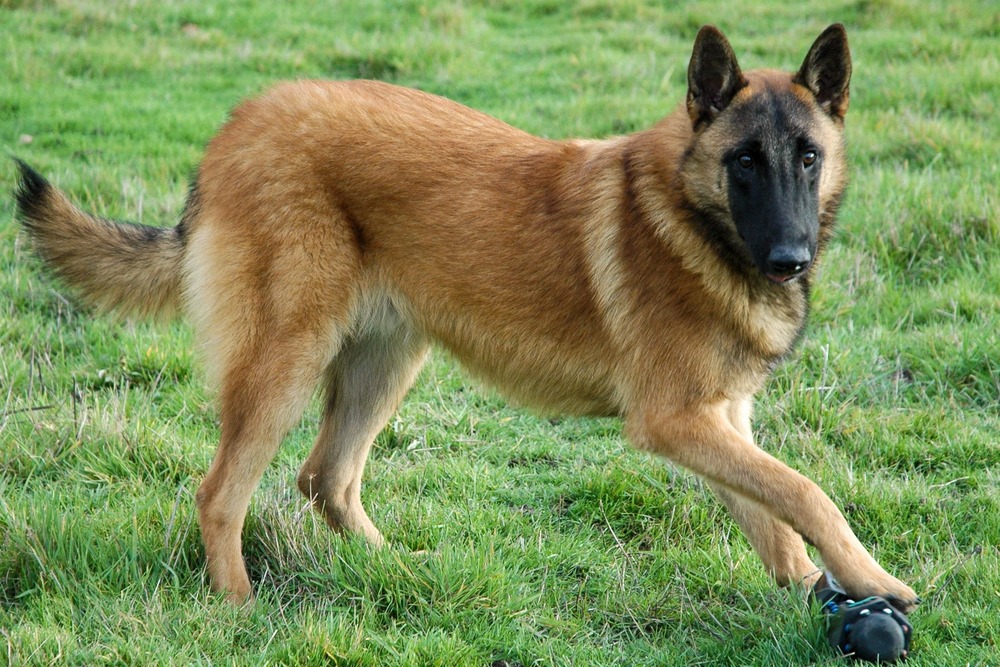
Most Malinois respond best to training that is clear, consistent, and rewarding. They tend to notice patterns quickly, including the ones you did not mean to teach. If you accidentally reward barking at the fence, or allow rough play to escalate, the dog will often practise that behaviour with enthusiasm.
Positive reinforcement is a strong fit for this breed, not because they are “soft,” but because it builds clarity and motivation while reducing conflict. It also makes it easier to teach the skills that matter most in a busy home: settling, disengaging, waiting, and coming back to you when excited.
Exercise needs vary, but most Malinois need daily activity plus purposeful mental work. Many owners find the breed does best with a blend such as:
- Structured training sessions (short and frequent beats long and repetitive)
- Fast paced movement (fetch with rules, running, hiking, bikejoring where safe)
- Dog sports (obedience, agility, tracking, scent work)
- Decompression time (sniff walks, quiet off lead exploration where legal and safe)
When behaviour starts to unravel, it is worth checking the basics before assuming the dog is “being difficult”: sleep, routine, appropriate outlets, and whether the dog is being asked to cope with too much stimulation too often.
Health considerations and sensible screening
Belgian Malinois are often described as generally healthy, but like many athletic working breeds, they can be prone to a few inherited conditions. Hip and elbow dysplasia are the most commonly discussed, and eye conditions are also seen in the breed.6
If you are buying a puppy, it is reasonable to ask what health screening has been done in that breeding program, and to request evidence rather than reassurance. Screening does not guarantee a dog will never have issues, but it meaningfully reduces risk.
Another topic that sometimes comes up in breed conversations is degenerative myelopathy (DM). DM is an inherited neurological disease seen in a range of breeds, and testing is used in breeds where the relevant genetic association is established. It is worth discussing with your vet (or a breed club health contact) whether DM is a priority for your specific situation and lines, rather than assuming it applies equally to every Malinois.8
Heat, hard work, and injury risk
Because Malinois often stay keen even when tired, owners sometimes need to be the “brakes.” Pay attention to heat, surface temperature, hydration, and signs of fatigue. Repetitive jumping, hard stops, and high impact ball throwing can also contribute to wear and tear over time, especially in young dogs whose growth plates have not finished developing.
Grooming and coat care without fuss
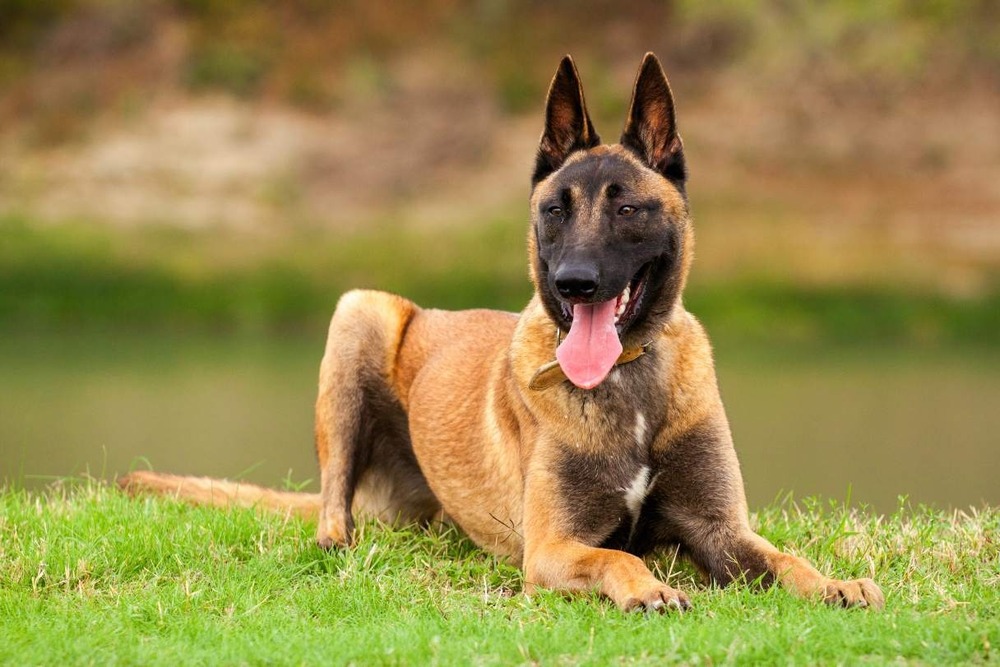
The Malinois coat is practical, and maintenance is usually straightforward. A weekly brush is often enough to keep coat oils distributed and to reduce loose hair around the house. During seasonal coat changes, brushing a few times a week can make a noticeable difference.
Bathing is typically occasional. Overbathing can dry the skin, so it is usually better to bathe when the dog is genuinely dirty, then rinse thoroughly. Keep nails trimmed, check ears, and build a simple handling routine early so the dog learns that grooming is just part of life.
Feeding, body condition, and keeping it simple
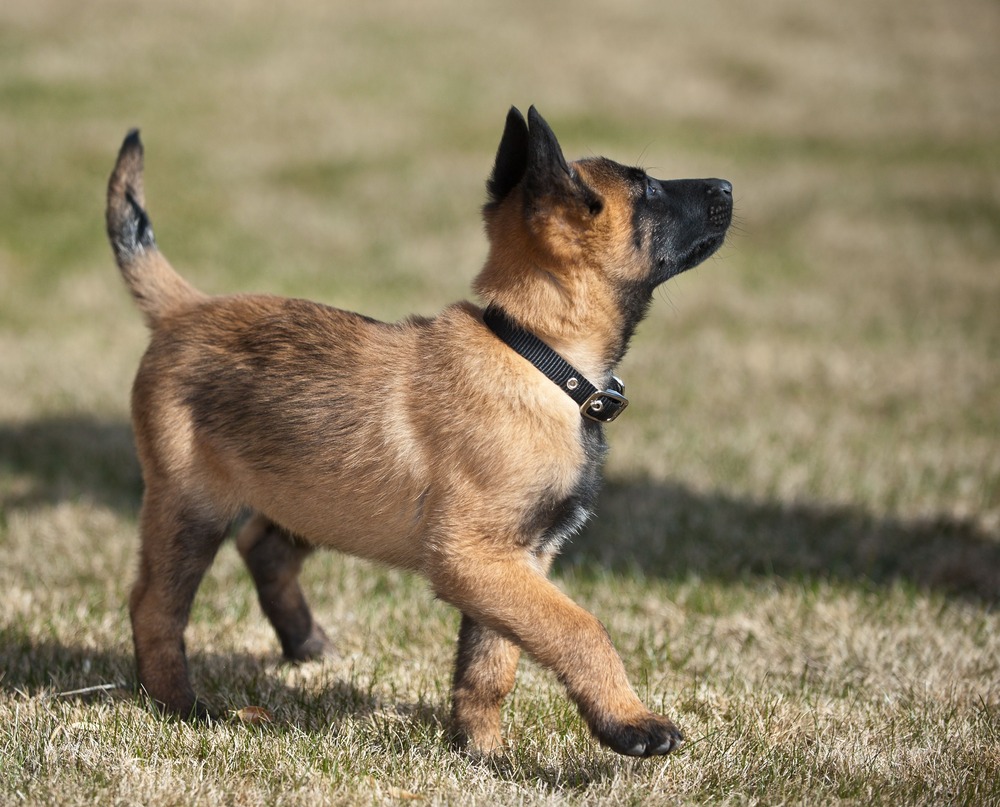
Malinois bodies are built for athletic work, and many look naturally lean. The goal is not “thin,” it is fit and well-muscled, with a visible waist and an easily felt rib outline without sharpness. If you are unsure, your vet can help you assess body condition and adjust the plan.
In terms of choosing a food, there is no single perfect diet for the breed. What matters is that it is complete and balanced for the dog’s life stage, and that it suits the individual’s digestion, workload, and health needs. The WSAVA Global Nutrition Guidelines are a useful framework for owners who want reliable, non-marketing guidance on assessing diet quality and discussing nutrition with veterinary teams.9
If you are doing intense training, it can help to count high value treats as part of the day’s intake, not “extra.” That small habit prevents weight creep, which can quietly increase joint stress over time.
Why they are used for police and military work
The Malinois is widely used in service roles because the breed commonly combines speed, athleticism, trainability, and a strong willingness to work closely with a handler. That does not mean every Malinois is suited to that kind of job, and it does not mean a pet Malinois should be treated like a working dog.
The more helpful takeaway is practical: this breed often does best when it has a “job,” even if the job is a well-designed routine of training games, scent work in the backyard, and structured walks with plenty of sniffing and engagement.
Living well with a Belgian Malinois
When a Malinois is the right match, life with them can feel wonderfully fluent. They learn fast, they notice you, and they tend to enjoy doing things together. The flip side is that they do not cope well with being treated as a low-maintenance pet. Time, training, and structure are not optional extras for most individuals of this breed.
If you are considering one, it is worth spending time with adult dogs, talking to trainers who work with high drive breeds, and being honest about your week. A Malinois does not need perfection. It needs a home that understands what it is, and plans accordingly.
References
- Dogs Australia (ANKC): Belgian Shepherd Dog (Groenendael, Tervueren, Laekenois, Malinois) breed standard
- Fédération Cynologique Internationale (FCI): Belgian Shepherd Dog (Standard No. 15)
- American Kennel Club (AKC): Belgian Malinois breed information
- DogsGlobal: Malinois Shepherd, FCI standard summary (size, colour, weight)
- The Kennel Club (UK): Belgian Shepherd Dog (Malinois) breed standard
- PetMD: Belgian Malinois health issues and care overview
- RSPCA Pet Insurance Australia: Considerations when choosing a dog (exercise and stimulation needs)
- UC Davis Veterinary Genetics Laboratory: Degenerative myelopathy (DM) information and testing
- World Small Animal Veterinary Association (WSAVA): Global Nutrition Guidelines