

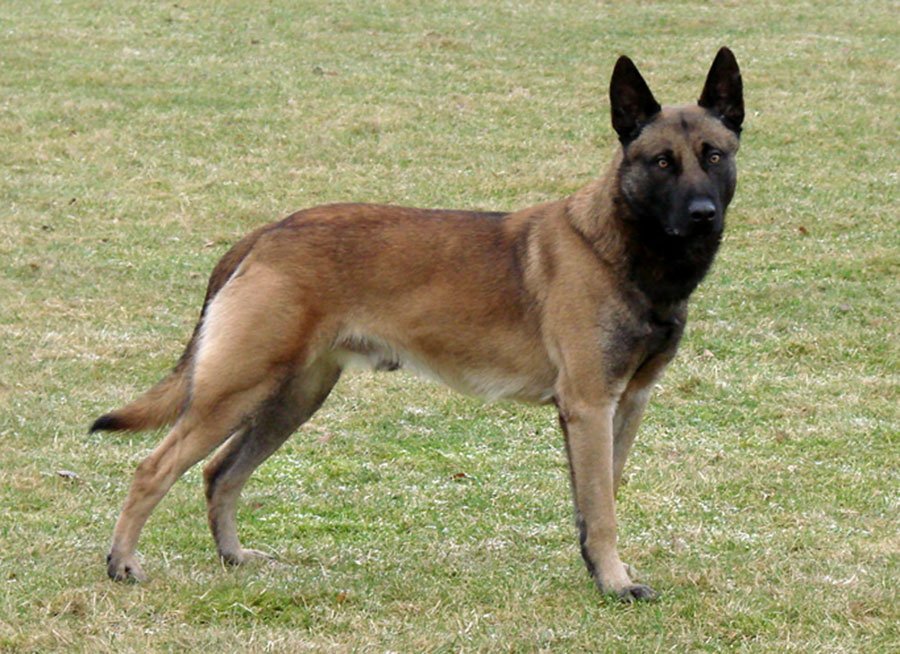
- Breed category: Herding (working breed)
- Country of origin: Belgium
- Average height: Males 61 to 66 cm, females 56 to 61 cm
- Average weight: Males 25 to 30 kg, females 20 to 25 kg
- Average life span: 12 to 14 years
- Grooming requirements: Low, occasional brushing
- Exercise requirements: High, needs daily exercise and training
- Coat type: Short, straight, dense
- Coat colours: Fawn to mahogany, typically with a black mask
- Shedding level: Moderate (often heavier seasonally)
- Temperament: Loyal, alert, intelligent
- Training ease: Highly trainable, best with skilled handling
- Common health considerations: Hip and elbow dysplasia, some eye conditions
- Heat sensitivity: Can overheat in hot weather, needs sensible management
- Best suited for: Active households, sport homes, working roles
People usually start looking into the Belgian Malinois after noticing a certain kind of dog on the oval at dawn, on a sports field, or alongside police. They move like athletes, stay switched on, and seem to take direction as if they are reading the handler’s mind. It can be tempting to think that a dog like that will simply “fit in” if you provide enough exercise.
In practice, the Malinois is less about having lots of energy and more about having purposeful drive. This is a dog bred to work closely with people, make quick decisions, and repeat hard tasks without much fuss. If those instincts are met with clear training and enough mental work, a Malinois can be a steady, impressive companion. If they are met with long, bored days and vague rules, problems often show up fast.
It helps to treat the breed as you would a serious hobby, not a casual purchase. The good news is that when you understand what the Malinois needs, their intensity starts to look less like “too much dog”, and more like a very specific kind of potential.
Where the Malinois comes from, and what that still means today
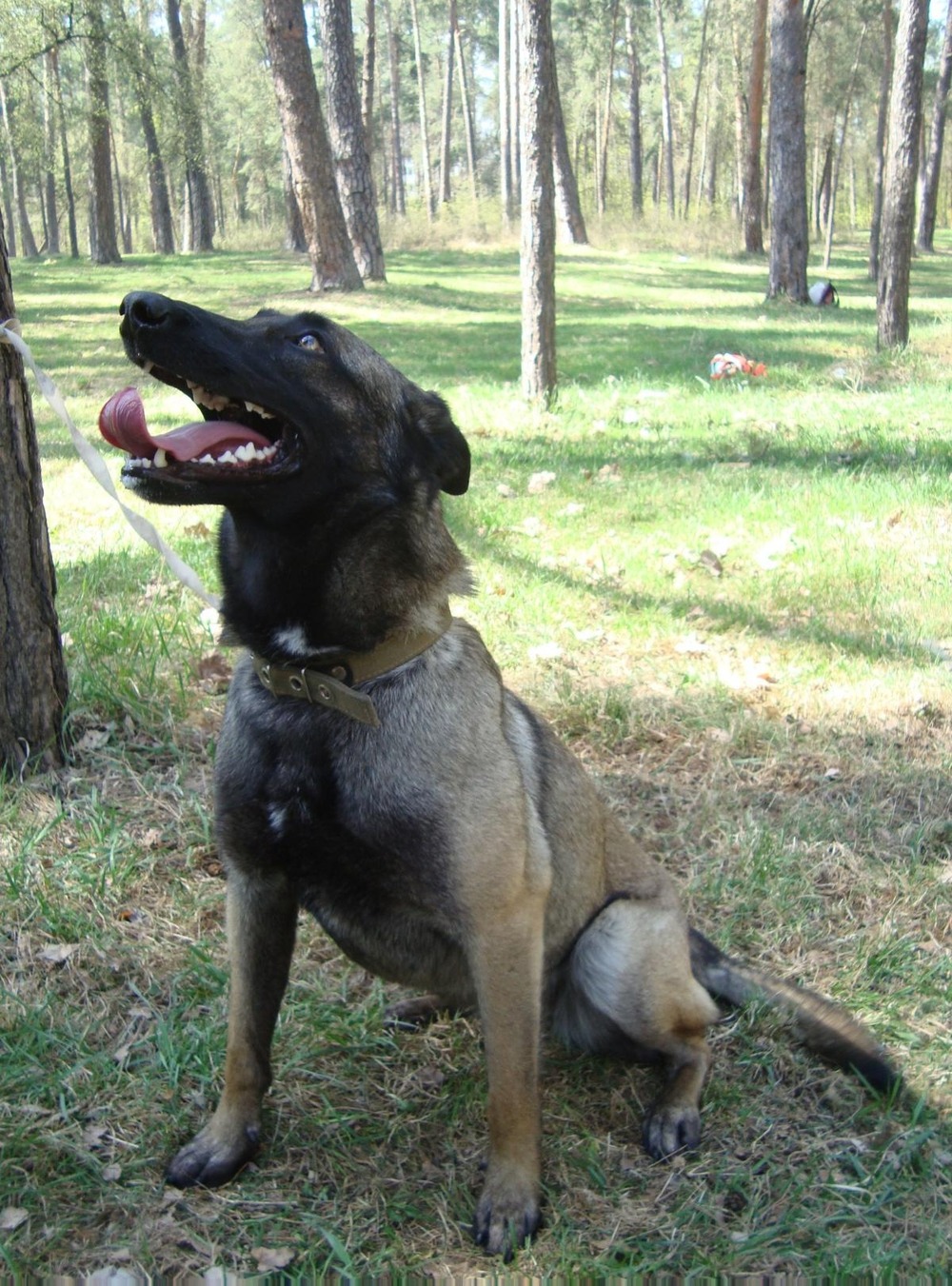
The Belgian Malinois is one of four closely related Belgian Shepherd varieties. Historically, these dogs were valued for herding and guarding, with breeders selecting for stamina, responsiveness, and an ability to keep working in all sorts of conditions. That background explains a lot of what modern owners see at home: quick learning, strong environmental awareness, and a tendency to look for a job, even if nobody has provided one.
Over time, those same traits made the Malinois a natural fit for demanding roles, including scent work, detection, tracking, and protection sports. It is not that every Malinois “needs” to be a police dog, but many do need a daily routine that includes training with real structure, not just a run around the block.
Appearance and the traits people notice first
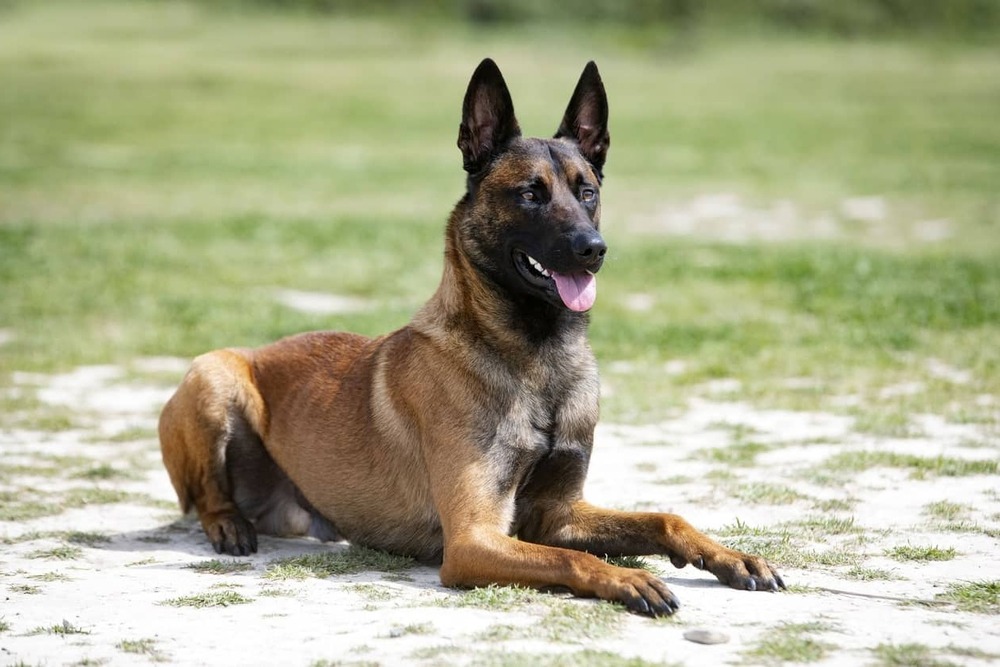
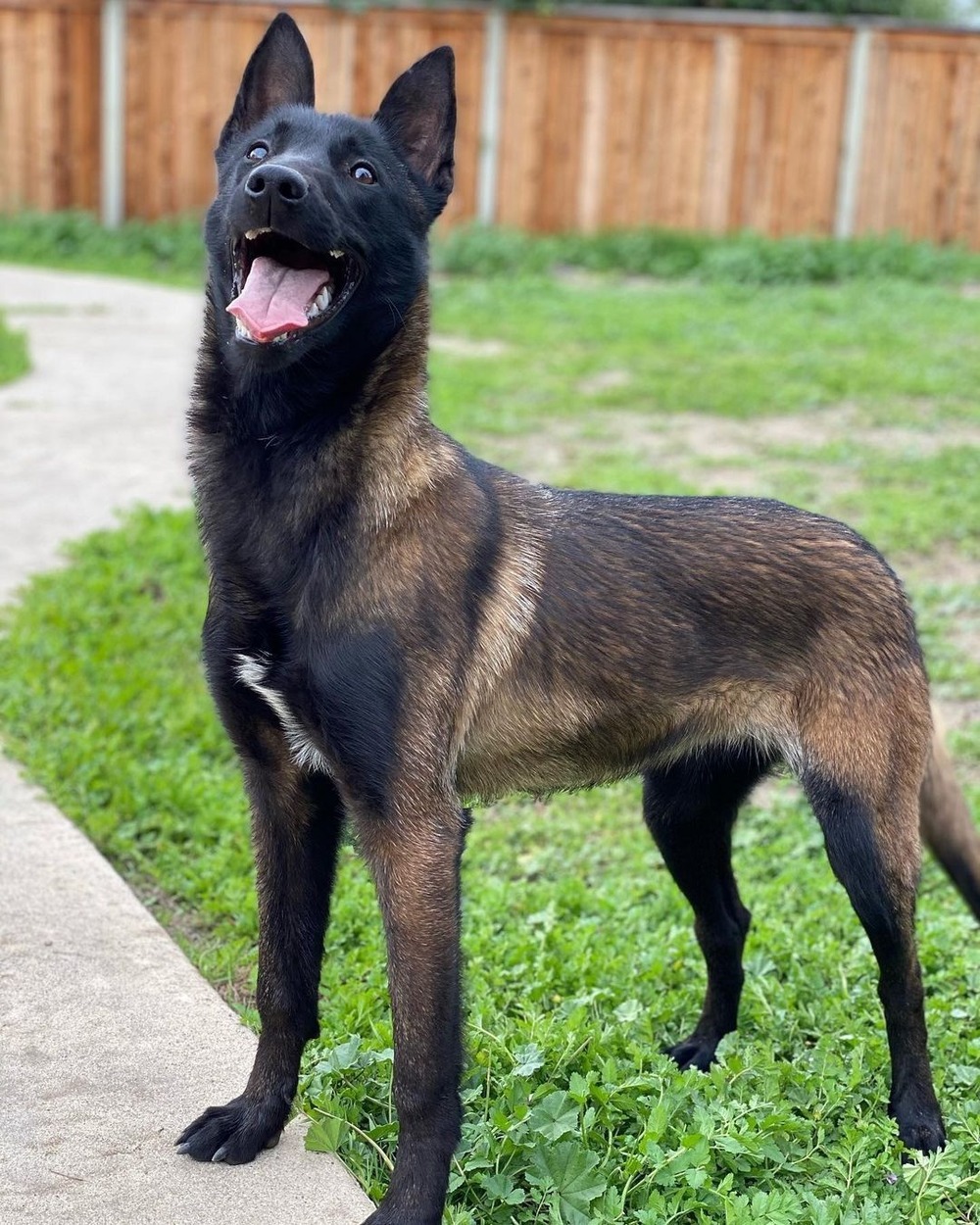
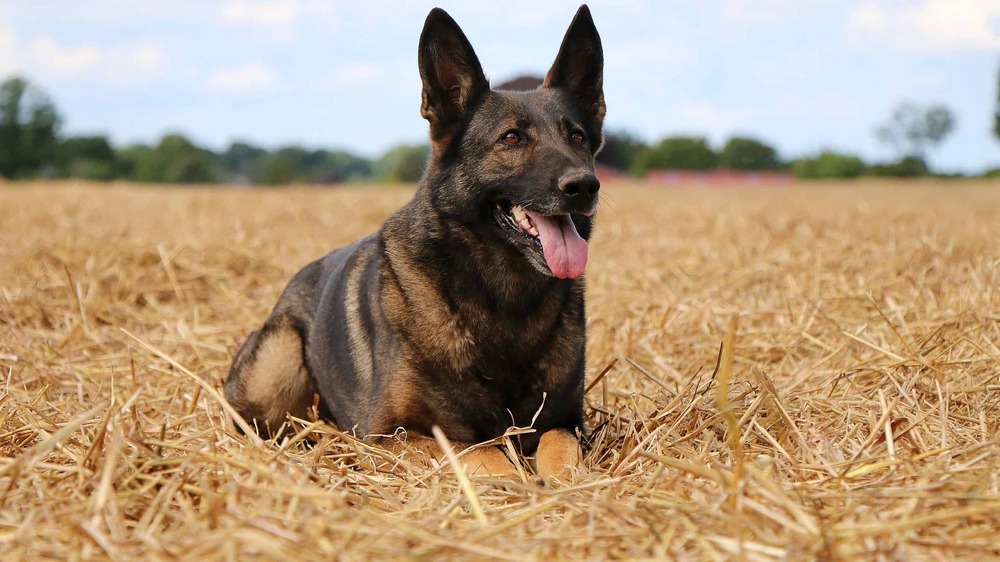
Malinois are medium sized, athletic dogs with a short, dense coat and an unmistakably alert outline. Many are fawn to mahogany with a darker overlay and a black mask. Their ears are typically erect, their frame is built for speed and endurance, and their movement is efficient rather than heavy.
What stands out most is often the way they watch. A typical Malinois will scan, orient, and respond quickly to sound and motion. That can be wonderful if you enjoy training and engagement. It can also be tiring if you were hoping for a dog that mostly relaxes unless invited to do something.
Because the coat is short, some people assume they are “easy care”. Grooming is usually straightforward, but the day to day management is less about hair and more about behavioural outlets, good handling, and a lifestyle that matches the dog in front of you.
Temperament, family life, and what “loyal” can look like
Malinois are often described as loyal and protective. Those words are not wrong, but they can hide important detail. Many Malinois form strong attachments to their people and can be highly responsive to familiar routines. They may also be watchful with strangers, quick to alert, and inclined to move towards activity rather than away from it.
In a family setting, the breed can do well when adults are consistent and the household has a predictable rhythm. With children, the main question is not whether the dog is “nice”, but whether everyone can manage the dog’s intensity. High arousal play, chasing games, and rough contact can accidentally build habits you do not want, especially in adolescence.
With other pets, outcomes vary. Early socialisation helps, but it is not a guarantee. Many Malinois have a strong chase response, and some will find small animals hard to ignore. A thoughtful introduction plan, supervision, and teaching a reliable disengage cue matter more than optimism.
Training and exercise that actually works for this breed
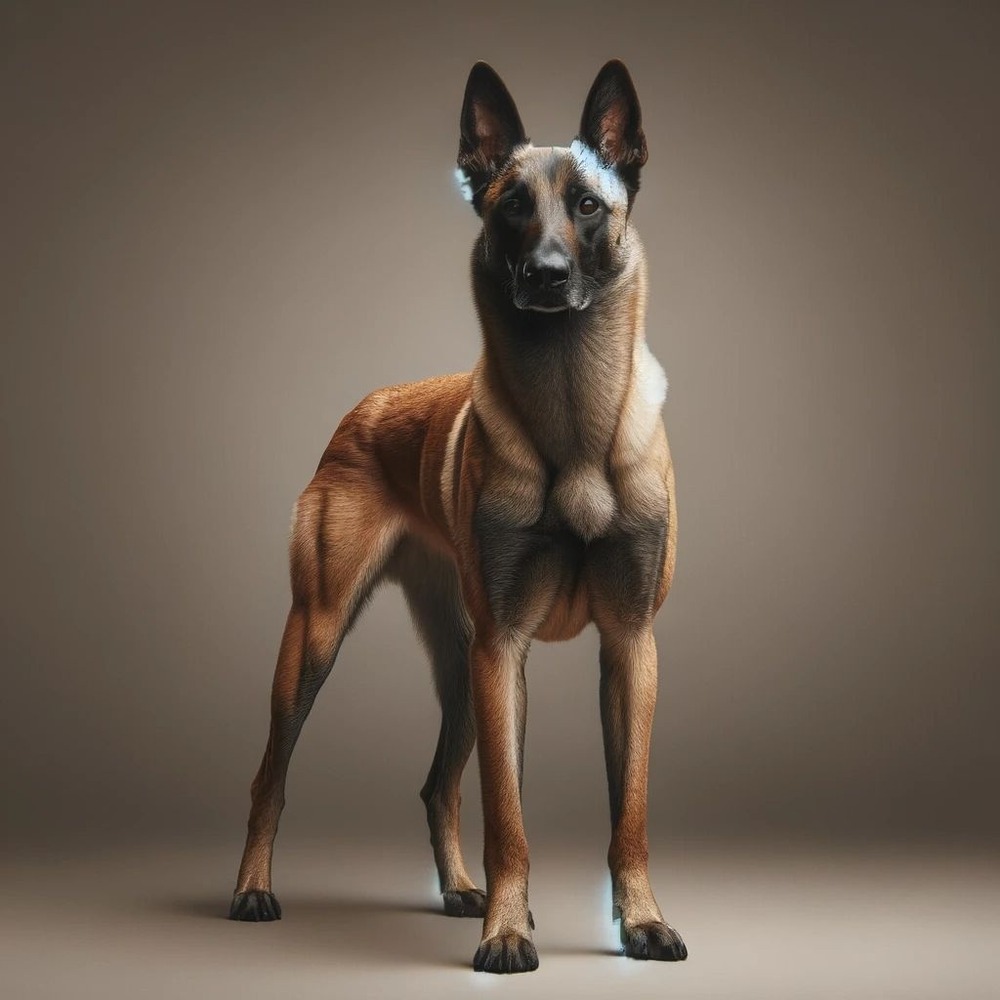
Most Malinois learn quickly. That is the blessing and the trap. They do not just learn the behaviours you intended, they also learn the patterns you accidentally repeat, like pulling always leads to forward movement, barking makes people go away, or jumping earns attention.
Reward based training is widely recommended because it builds clarity without needing intimidation or pain, and it supports a stable working relationship over time.1, 2, 3 For a Malinois, that matters. They tend to notice consequences fast, and heavy handed methods can create fallout such as avoidance, increased reactivity, or conflict behaviours in some dogs.
A useful way to think about exercise is that the breed needs both physical fatigue and mental satisfaction. A long run can help, but it may not be enough if the dog’s brain has had nothing to do.
- Skill sessions: short, frequent training blocks (obedience, tricks, positions, impulse control).
- Sniff work: food scatters, scent games, tracking style walks.
- Sport style outlets: agility foundations, rally, obedience, retrieving drills.
- Calm practice: teaching the dog to settle on a mat and switch off when nothing is happening.
If you are not sure how much is “enough”, look at the dog’s behaviour later that day and the next morning. A Malinois who is getting the right mix tends to be bright and engaged, but also able to rest. A Malinois who is underdone often becomes busy, mouthy, barky, or stuck in loops of patrolling and pestering.
Health considerations and prevention, not just treatment
The breed is generally robust, but like many active, medium to large dogs, hip and elbow dysplasia are important considerations, along with some eye conditions. Dysplasia is multifactorial, with genetics playing a major role, and factors like growth rate, body condition, and nutrition also influencing risk and expression.4
If you are choosing a puppy, ask what health screening has been done in the breeding line, and what evidence is available. Established schemes exist for hips, elbows, and eyes in the breed, and good breeders will be comfortable discussing results and what they mean in plain language.5
For day to day prevention, one of the simplest, most protective habits is keeping your dog lean and well muscled. It supports joints, keeps heat management easier, and helps your dog stay athletic as they age.
Heat and overexertion
Malinois often push through fatigue, especially when they are in drive. That can be risky in warm, humid weather. Watch for early signs of heat stress such as heavy panting, drooling, agitation, weakness, vomiting, or unsteadiness, and cool the dog gradually while contacting a vet promptly if you suspect heatstroke.6, 7
Practical management is usually simple: exercise at cooler times of day, provide shade and water, build rest into training, and avoid leaving dogs in cars even briefly. Their willingness to keep going is not the same as safety.
Grooming, coat care, and the reality of shedding
The Malinois coat is short and functional. A weekly brush is usually enough, with more frequent brushing during seasonal shedding. Regular grooming is less about appearance and more about skin checks, parasite checks, and keeping the dog comfortable.
Keep nails trimmed, ears clean and monitored, and teeth cared for. If you are working with a trainer or attending clubs, grooming also becomes part of good manners. A dog that tolerates handling calmly is easier to manage in every setting.
Feeding a Malinois, supporting performance without overdoing it
Malinois do well on a balanced diet that suits their age, workload, and body condition. With high drive dogs, it is easy to focus on protein and calories while missing the bigger picture: consistency, digestibility, and a plan that keeps the dog in ideal condition across the year.
Veterinary nutrition guidelines emphasise an individual nutrition assessment rather than one size fits all feeding rules, especially for active dogs whose needs change with season, training load, and injury recovery.8 If you are unsure, your vet can help you check body condition and adjust portions so your dog stays lean, energetic, and resilient.
Be cautious with rapid diet changes, heavy treat use during training blocks, and “extra” calories during adolescence. Growth is where many long term issues begin, and steady, sensible feeding pays off later.
Living with a Malinois, making the match honestly
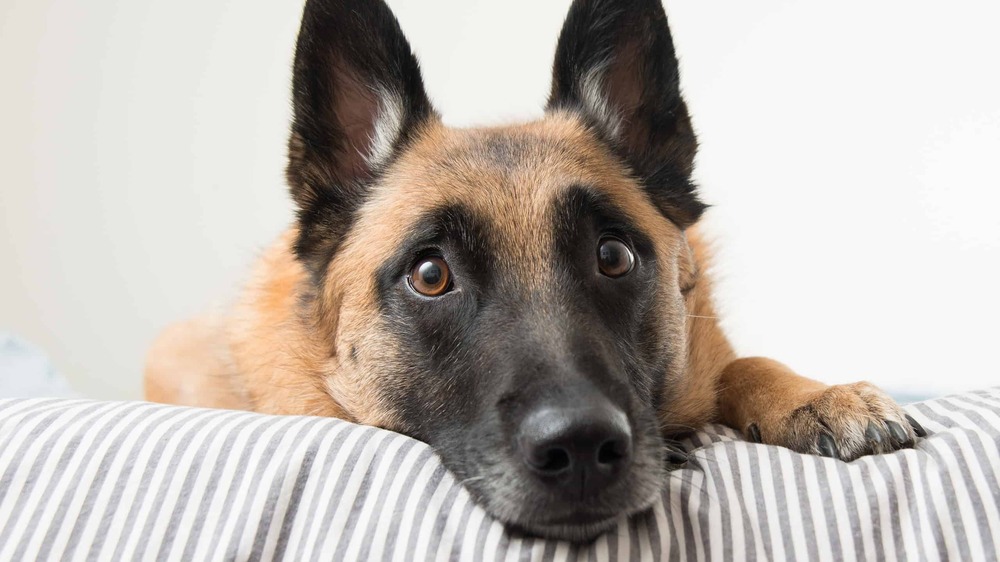
A Belgian Malinois can be an extraordinary dog to share life with, but they suit people who enjoy engagement, routine, and ongoing training. They are often at their best when the household treats training as normal, not as something you do only when problems appear.
If you are considering the breed, it is worth asking yourself a few calm questions:
- Do I have time most days for training and mental work, not only physical exercise?
- Can I manage adolescence with patience, structure, and professional help if needed?
- Is my home set up for boundaries, rest, and supervision around visitors and other animals?
- Do I want a dog that notices everything, and will probably want to be involved in everything?
If the answers are mostly yes, the Malinois can feel less like a “lot”, and more like a capable partner. If the answers are mostly no, it does not mean you are doing anything wrong. It usually means a different breed, or an older, steadier individual dog, would fit your life more comfortably.
References
- RSPCA Australia Knowledgebase: What is reward-based dog training and why does the RSPCA support it?
- RSPCA Australia Knowledgebase: Is it important to train my dog, what sort of training would you recommend?
- Association of Pet Dog Trainers Australia: Position statements (positive reinforcement definitions)
- American College of Veterinary Surgeons: Canine hip dysplasia overview
- The Kennel Club (UK): Belgian Shepherd Dog (Malinois), health and screening
- RSPCA Australia: Keeping your pet safe during heat
- RSPCA Pet Insurance Australia: Heatstroke guide for cats and dogs
- WSAVA: Global Nutrition Guidelines