

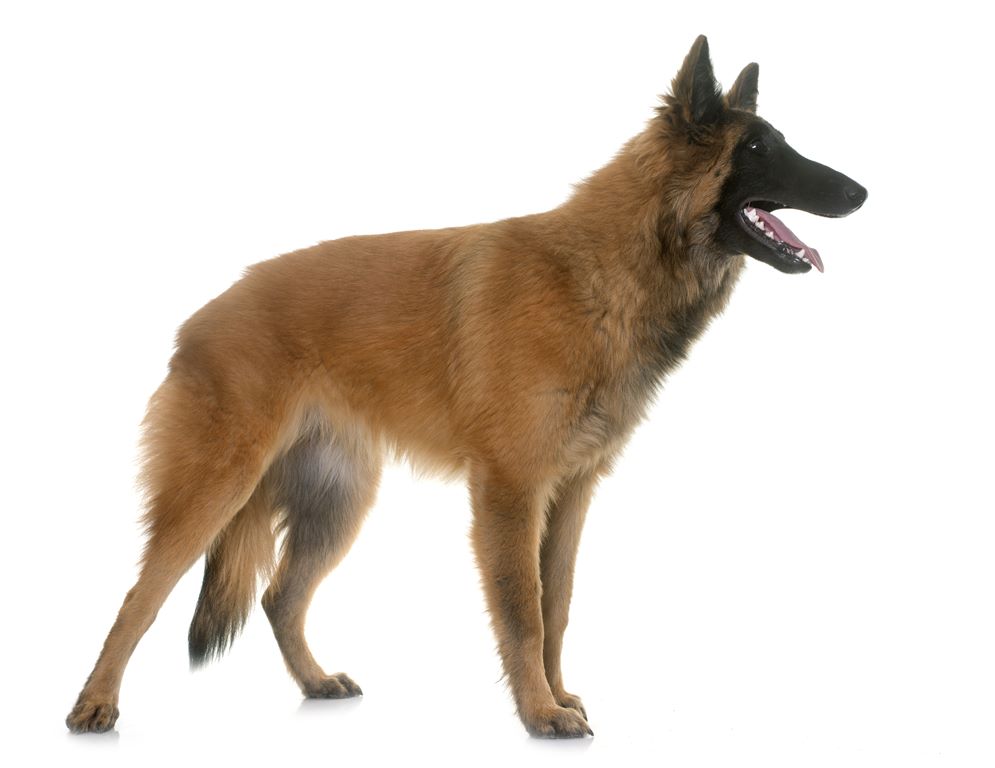
You might notice them first as a flash of mahogany coat and a black mask at a park, or as the dog who seems to pick up cues before anyone has finished speaking. The Belgian Shepherd Dog (Tervueren) has a way of looking both elegant and intensely capable, which can leave people wondering what they are actually like to live with day to day.
It is easy to assume a beautiful, bright herding breed will simply “fit in” if you offer long walks and a decent backyard. In practice, Tervuerens tend to do best when their exercise has a purpose, their training is consistent, and their people enjoy engaging with a dog that notices everything.
When that match is right, they can be deeply satisfying companions: athletic, responsive, and steady. When it is not, the same strengths can turn into restless habits, over-vigilance, and a dog who struggles to switch off.
At a glance: the Belgian Shepherd Dog (Tervueren)
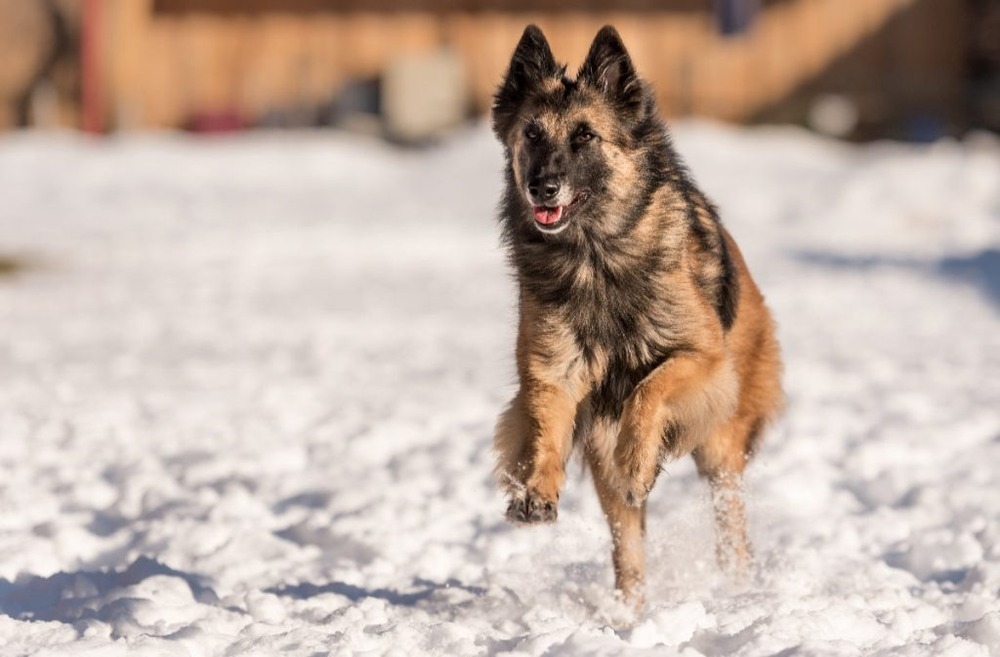
Breed group: herding, pastoral type. Origin: Belgium.1
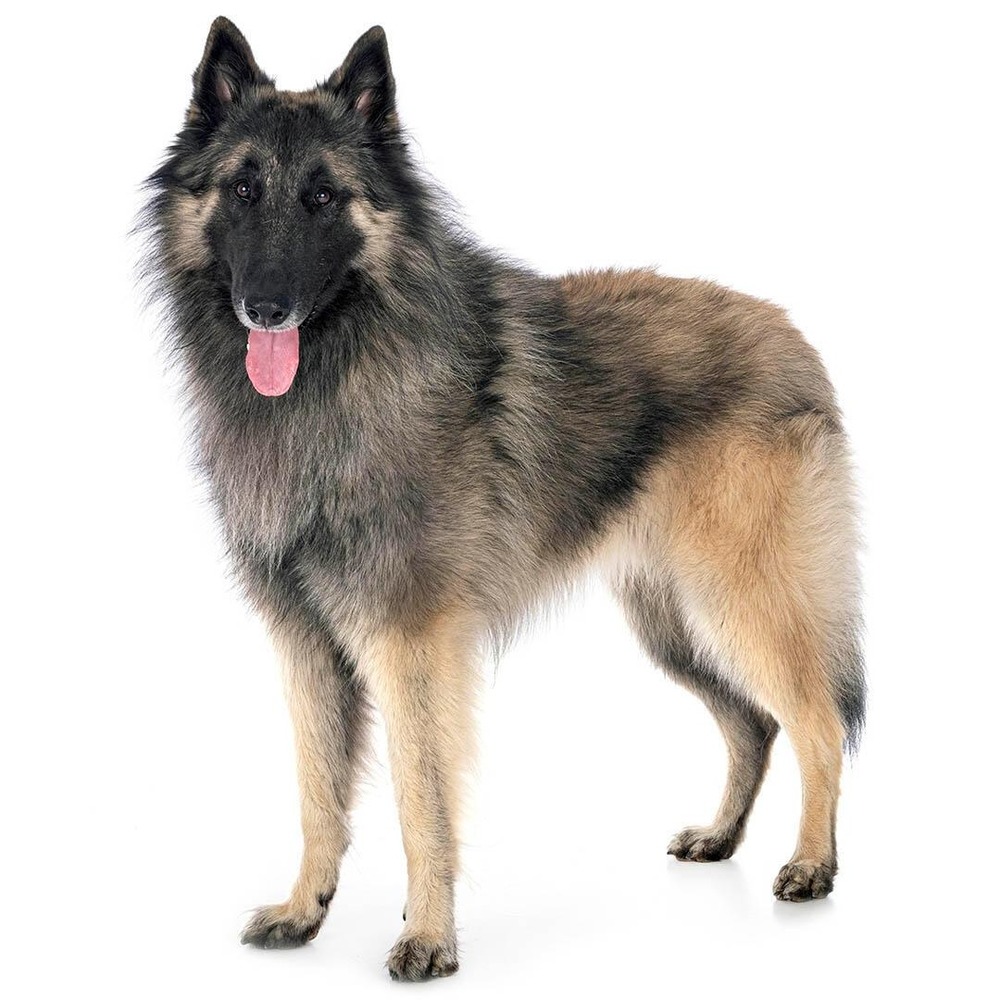
- Size: medium, athletic and square in outline. Breed standards commonly describe males around 61 to 66 cm and females around 56 to 61 cm at the withers, with weight in proportion to size.2
- Coat: long, straight outer coat with a dense undercoat. Shedding is typically year-round, with heavier seasonal periods.2, 6
- Colour: often red, fawn, or grey with black overlay and a black mask (overlay can develop with maturity). Small white markings on forechest and toes may be acceptable in standards.2
- Typical lifespan: often cited around 10 years plus, with many sources placing it in the 12 to 14 year range for well-bred, well-cared-for dogs.3
- Exercise: usually described as needing more than two hours per day, plus mental work, not just physical output.3
Where the Tervueren came from, and what that still means at home
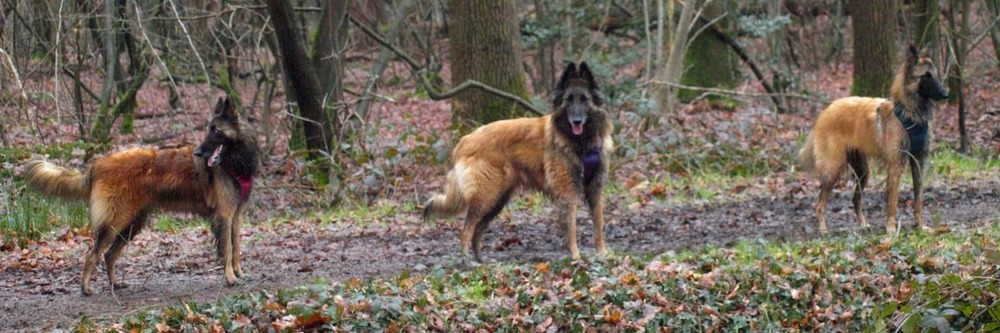
The Tervueren is one of four varieties of the Belgian Shepherd Dog. Depending on the kennel club and country, the varieties are separated mainly by coat type and colour, while sharing the same underlying “all-round herding and guardian” heritage.2, 4
That history shows up in a modern household in small, practical ways. Many Tervuerens are naturally watchful, quick to orient to movement, and inclined to patrol boundaries. None of that is “bad behaviour” on its own. It is a working skill set, and it benefits from being given a job that makes sense in your life, such as structured training, sport, or purposeful daily routines.
They are often described as devoted to their people, with some initial reserve around strangers. It helps to think of this as a dog who prefers information before interaction. Steady socialisation and calm exposure to the world usually matter more than trying to force friendliness.2
Temperament, family life, and the “sensitive smart dog” effect
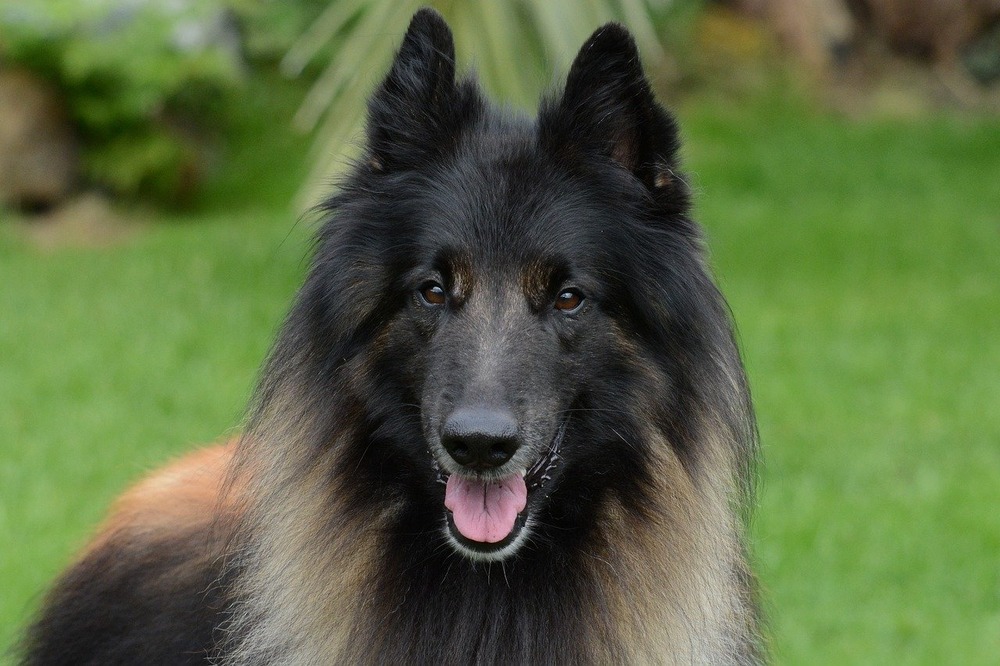
In the right home, the Tervueren’s intelligence is a joy. In the wrong setup, it can feel like living with a dog who is always one step ahead, including when they are rehearsing habits you do not want. The breed standard language tends to emphasise an alert, vigilant dog who should not be timid or aggressive, which is a useful baseline when you are meeting breeders and assessing adult dogs.2
With children, the picture is often “good, with management”. Herding breeds can be drawn to fast movement and noise. That can look like circling, following, and occasionally nipping at clothing if arousal runs high. The aim is not to suppress the dog’s nature, but to set up the household so the dog practises calm behaviour and the kids learn respectful handling.
If you have other pets, early introductions and thoughtful supervision matter. Many Tervuerens live well with other dogs. With cats and smaller animals, success is more likely when the dog learns, from the start, that chasing is never rewarding and that calm behaviour around other animals is the easiest way to make good things happen.
Training that suits the breed, and what to avoid
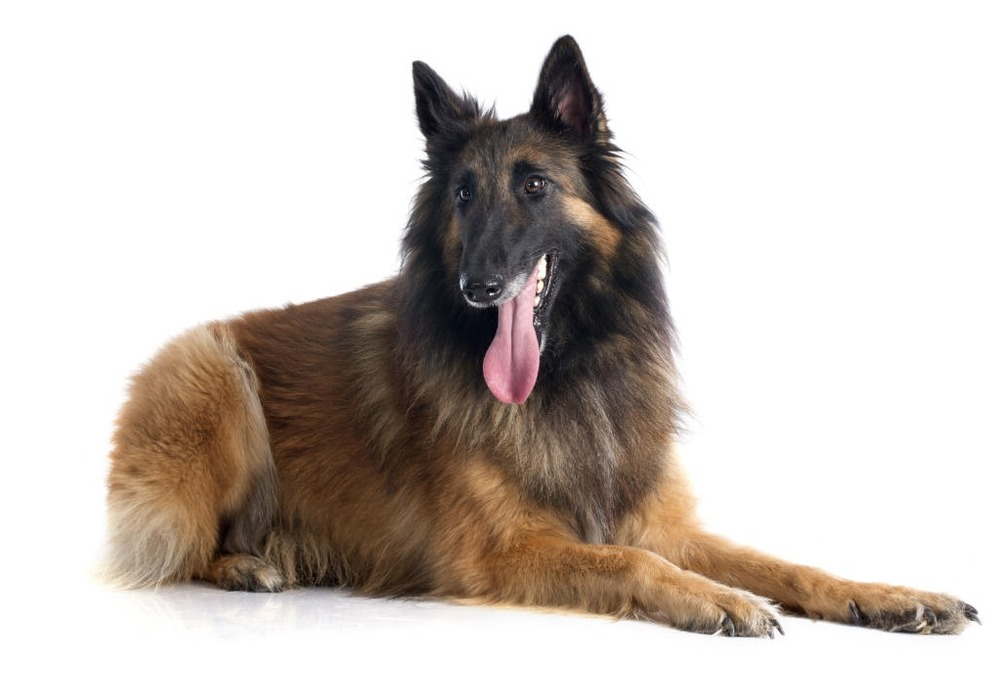
Tervuerens are typically quick to learn and quick to notice patterns, including accidental ones. If “jumping up” reliably earns eye contact, or barking makes the door open faster, you will often see those behaviours become polished surprisingly fast.
Reward-based training, built on positive reinforcement, is widely recommended by animal welfare organisations because it is effective and avoids the welfare risks of aversive methods and equipment.5
For many Tervuerens, the training sweet spot is short sessions, clear criteria, and frequent reinforcement, with plenty of “real life” practice. A few practical examples:
- Teach an off switch: mat training, settle cues, and calm reinforcement so the dog learns that relaxing is also a skill.
- Use active jobs: scent games, retrieving to hand, obedience foundations, agility-style body awareness, and structured tug with rules.
- Build neutrality: reward the dog for noticing a trigger (person, dog, cyclist) and returning attention to you, rather than escalating into barking or lunging.
Exercise and enrichment: more than “a long walk”
Many breed guides describe the Tervueren as needing more than two hours of exercise a day. That number is only useful if you also ask, “Exercise doing what?” A brisk walk can be excellent for fitness, but it does not always satisfy a dog bred to think, track, and respond to a handler.3
For a lot of individuals, the best routine combines aerobic movement with brain work. Think of it as daily training plus movement, rather than exercise as something you “get out of the way”. If your dog finishes a walk buzzing, scanning, and unable to settle, it may be a sign that they need more structured engagement, not necessarily more kilometres.
Health to be aware of, and how to stack the odds in your favour
Like many breeds, Belgian Shepherds can have inherited health concerns. Two that are often discussed are orthopaedic issues such as hip dysplasia, and seizure disorders including idiopathic epilepsy.
Epilepsy is particularly worth approaching with nuance. Research literature includes breed-specific prevalence estimates in Belgian Shepherd variants (including Tervueren), and there is published evidence supporting a genetic component in some lines.8, 9 That does not mean every dog is at high risk, but it does mean you should ask careful questions about family history, and work with breeders who are transparent and engaged with health programs.
When choosing a puppy, or assessing an adult dog, sensible steps include:
- Ask what health screening the parents have had, and request documentation, not just verbal reassurance.
- Discuss your dog’s growth, weight, and exercise plan with your vet, especially during adolescence when joints are still developing.
- If seizures occur, treat it as a medical issue promptly. A vet can help you rule out other causes and discuss management options.
Good breeding and good management both matter. One cannot fully replace the other.
Coat care, shedding, and grooming without fuss
The Tervueren’s long double coat is functional: it protects against weather and abrasion, and it also sheds. Many owners find the coat manageable when grooming is regular and calm, rather than occasional and intense.
A practical baseline is a thorough brush-out at least weekly, and more often during seasonal coat change. For double-coated dogs, heavier shedding tends to occur in spring, alongside year-round shedding to some degree.6
Useful habits include:
- Line brushing through the ruff, breeches, and behind the ears, where tangles can develop.
- Keeping nails trimmed and checking ears regularly, especially if your dog spends time in long grass.
- Using grooming as a low-pressure training moment, rewarding stillness and cooperation.
Feeding and body condition: supporting an athletic frame
Tervuerens are usually active dogs with a naturally lean, athletic outline. Keeping that outline is not about restriction, it is about matching intake to output and monitoring body condition honestly over time.
If you have ever felt overwhelmed by pet food marketing, you are not alone. Veterinary organisations such as the World Small Animal Veterinary Association provide resources on nutritional assessment and how to evaluate diets and labels more meaningfully than focusing on ingredients alone.7
A few steady principles tend to help:
- Choose a complete and balanced diet suited to your dog’s life stage and activity.
- Adjust portions based on body condition, not just what is printed on the bag.
- Use training treats thoughtfully, and count them as part of daily intake where possible.
Final thoughts on living well with a Tervueren
The Belgian Shepherd Dog (Tervueren) can be a remarkable companion for the sort of person who enjoys training, routines, and an observant dog with plenty of drive. They are not always the easiest fit for a casual pet home, not because they are “too much dog”, but because they tend to thrive on purposeful partnership.
If you are considering the breed, it is worth spending time around well-raised adults, talking openly with breeders and trainers, and being realistic about what your weeks look like. For the right household, the reward is a dog who is capable, responsive, and deeply engaging to live with.
References
- FCI: Belgian Shepherd Dog (Standard No. 15) overview and varieties
- The Kennel Club (UK): Belgian Shepherd Dog (Tervueren) breed standard (updated 1 April 2025)
- The Kennel Club (UK): Belgian Shepherd Dog (Tervueren) breed information (exercise, grooming, overview)
- FCI: Belgian Shepherd Dog recognised varieties (Groenendael, Laekenois, Malinois, Tervueren)
- RSPCA Australia Knowledgebase: training recommendations and reward-based methods
- Petco: seasonal shedding and double coat grooming tips
- WSAVA: Global Nutrition Guidelines and nutrition toolkit
- BMC Veterinary Research: International Veterinary Epilepsy Task Force paper (breed-specific prevalence table)
- PubMed: Focal epilepsy in the Belgian shepherd, evidence for simple Mendelian inheritance
- UC Davis Canine Genetic Analysis Project: Epilepsy Project (includes Belgian Tervuren)