

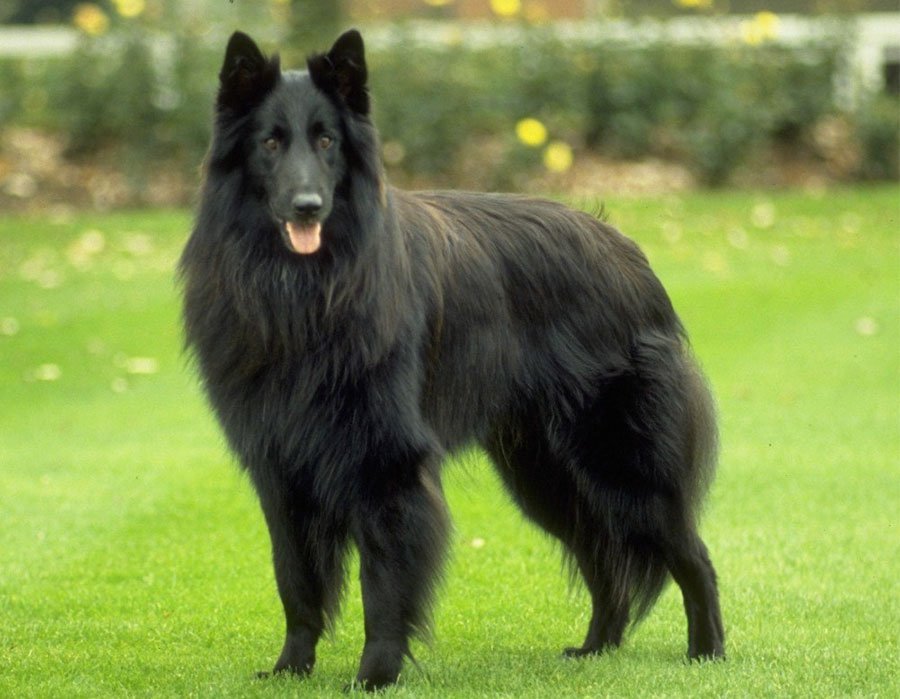
People often notice Belgian Shepherds the same way they notice a good tradesperson: quietly competent, always switched on, and somehow already reading the situation before anyone else has spoken. You might see one at an obedience club, working security, or moving through a park with that light, precise gait, and wonder whether the calm focus is simply “good training”, or something deeper in the breed.
It is tempting to assume a Belgian Shepherd is just a prettier version of another herding dog, or that plenty of exercise will automatically make life easy. In practice, these dogs tend to thrive on purposeful work, clear routines, and training that respects how quickly they learn patterns, including the unhelpful ones. When they get what they need, they can be remarkable companions. When they do not, they can become hard to live with, not because they are “bad”, but because they are under-employed and overstimulated.
Below is a grounded look at what Belgian Shepherds are like to live with, how the varieties differ, and what care tends to matter most over the long run.
Belgian Shepherd basics at a glance
Breed category: Herding and working type (variety-dependent in some kennel club groupings).1
- Origin: Belgium
- Recognised varieties: Groenendael, Tervueren, Malinois, Laekenois1
- Size guide: Around 62 cm at the withers for males and 58 cm for females, with accepted variation; weights commonly around 25 to 30 kg (males) and 20 to 25 kg (females)1
- Typical lifespan: Often 12 to 14 years (individuals vary, as they do in any breed)
- Coat: Double coat in all varieties, with different lengths and textures depending on type1
- Energy level: Commonly very high, these dogs usually need daily physical exercise plus mental work
Where the breed came from, and why it still matters
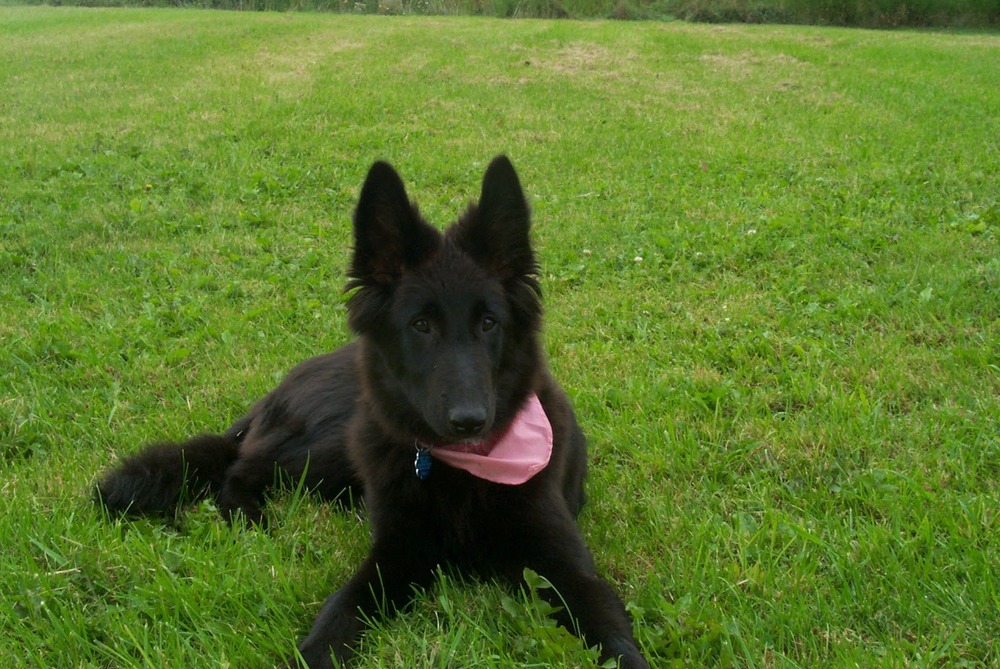
The Belgian Shepherd was shaped in the late nineteenth century, when Belgium had many local herding dogs with similar purpose but varying looks. Breed enthusiasts worked with Professor Adolphe Reul to describe and standardise the type, which later became the four coat varieties recognised today.1
That origin story is not just trivia. A dog built for daily stock work is often a dog built to notice movement, respond quickly, and make decisions at speed. In modern life, those same traits can show up as fast pattern learning, intense interest in the environment, and a tendency to take responsibility for “managing” what is happening around the home.
Many Belgian Shepherds now excel in structured roles, including protection sports, detection, and search work, because the job is clear and the feedback is consistent. Even in a pet home, they often do best when their day includes something that looks like a job: training sessions, scent games, or a sport that rewards thoughtful effort rather than frantic motion.
Appearance, coat varieties, and what they mean day to day
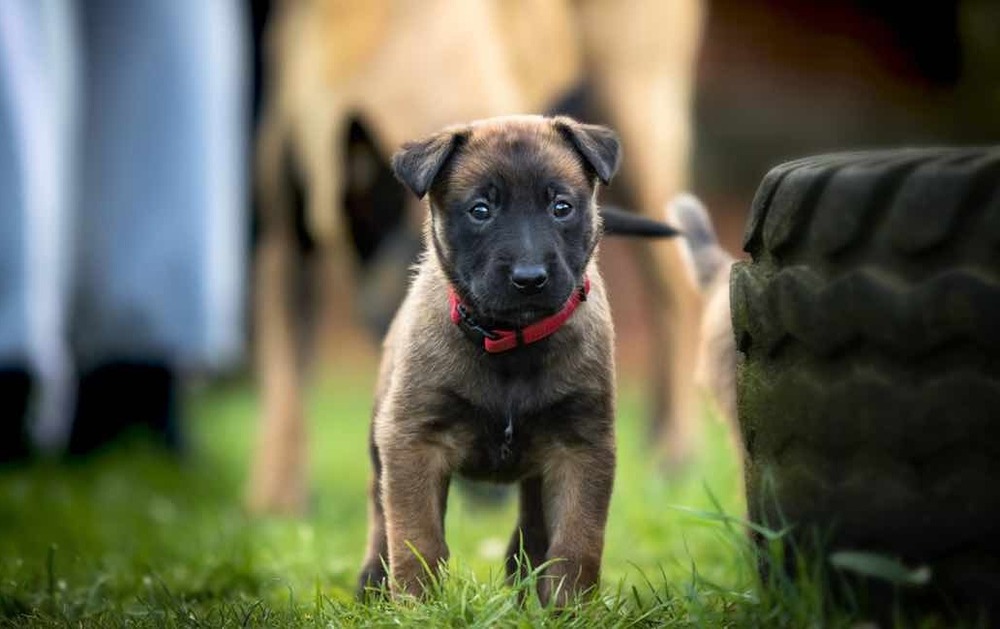
All Belgian Shepherd varieties share the same underlying silhouette: athletic, squarely built, and designed for efficient movement. What changes most obviously is the coat.
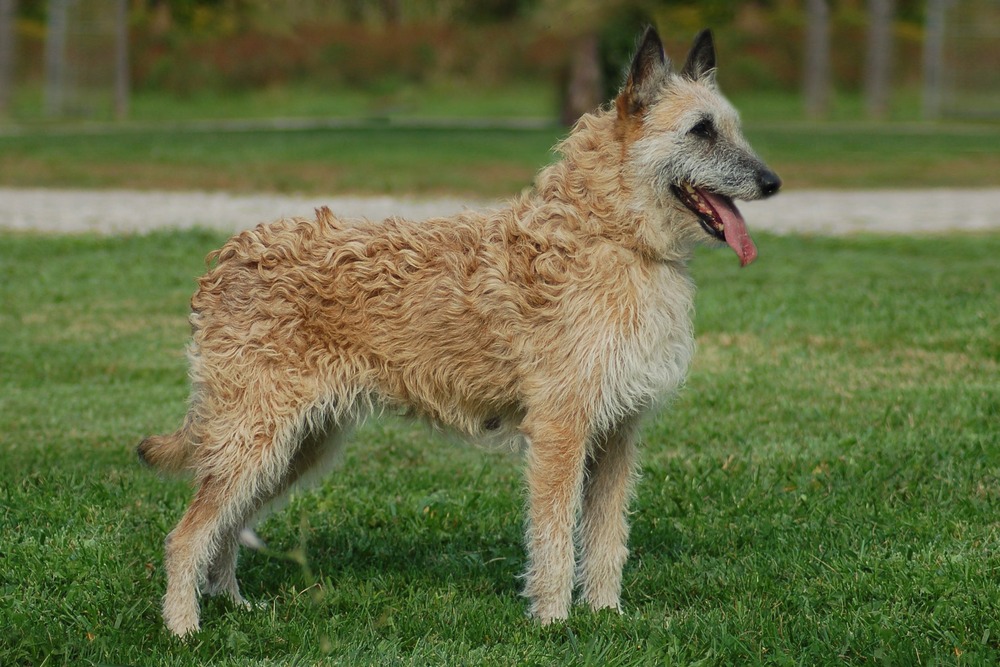
In the Australian standard, the varieties are described largely by coat type: long-haired (Groenendael and Tervueren), short-haired (Malinois), and rough-haired (Laekenois). Colour expectations also differ by variety, including a uniform black coat for the Groenendael and fawn with black overlay for the Malinois and Tervueren (with specified allowances).1
In practical terms:
- Long coats can mean more brushing, more “coat in the house” at certain times of year, and more vigilance about burrs and matting behind ears and in feathering.
- Short coats can still shed heavily and can still hold heat in warm weather, especially during humid spells.
- Rough coats may need specific grooming approaches, sometimes including hand-stripping advice from experienced groomers, depending on the individual coat.
A useful mindset is to treat grooming as part of the relationship rather than a chore. Done well, it becomes a low-stress handling routine that supports easier vet checks, nail care, and general body awareness.
Temperament, arousal, and living with a protective dog
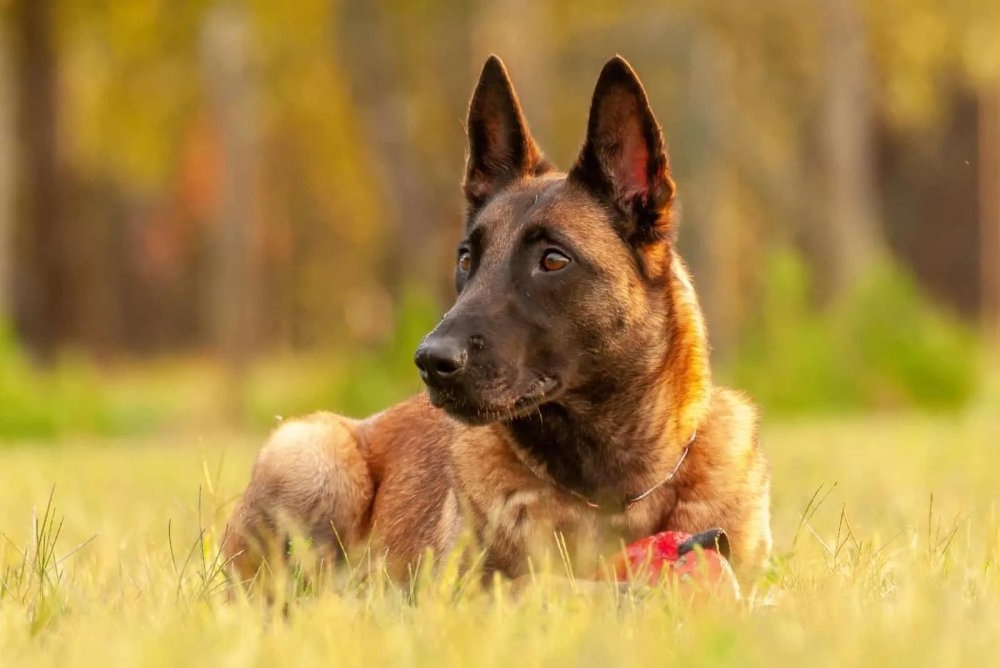
Belgian Shepherds are widely known for being intelligent and highly trainable. Just as important, they often have a strong tendency to monitor their surroundings. In some homes, this reads as sensible watchfulness. In others, it can slip into over-responsibility, especially if the dog is unsure, under-socialised, or routinely pushed over threshold.
It helps to think in terms of arousal management. A Belgian Shepherd can go from “fine” to “fully on” in a heartbeat. Owners often get the best results by teaching skills that lower intensity as well as skills that build drive. Calm stationing, settle on a mat, slow treat searches, and decompression walks can matter as much as sprinting beside a bike.
Many individuals are affectionate with their family, but they are not always “everyone’s dog”. Early, well-planned socialisation, paired with reward-based training, supports a dog that can move through the world with more ease and fewer rehearsed reactions.3, 4
Training and exercise: making it sustainable
The most common mistake with high-drive breeds is to think the answer is simply more exercise. Fitness is important, but endless high-intensity activity can create an even fitter dog with even bigger needs. What tends to work better is a balance of movement and thinking, with predictable downtime.
Reward-based training, built on positive reinforcement, is widely recommended, and many welfare organisations advise avoiding aversive methods and equipment because of their risks to welfare and safety.2
If you are building a week that suits many Belgian Shepherds, it often includes:
- Daily structured activity, such as brisk walks, running (once grown and vet-cleared), or sport training.
- Short, frequent training sessions, focusing on recall, loose lead walking, and calm behaviour around triggers.
- Enrichment that uses the nose, for example scatter feeding in grass, scent boxes, or simple tracking games.
- Planned rest, because good sleep and recovery are part of good behaviour.
Socialisation is not a single event, it is a series of positive, age-appropriate experiences. Many puppy resources describe a critical socialisation window in the early weeks, commonly around 3 to 17 weeks, where gentle exposure can have long-lasting effects.3, 4
Health considerations: what to watch, and how to stay proactive
No breed is free of health risk. For Belgian Shepherds, two issues often discussed are orthopaedic disease (including hip dysplasia) and seizure disorders.
Hip dysplasia is a developmental condition linked to joint laxity and later arthritis. Genetics play a major role, but growth rate and body condition can influence outcomes, which is one reason vets often emphasise sensible feeding and weight management, especially in young, large or athletic dogs.6
Epilepsy can have different causes, and seizures are not always “just epilepsy”. If a dog has a seizure, prompt veterinary assessment matters, both for immediate safety and for appropriate diagnostic work-up and management planning.7
Practical, routine steps that help many Belgian Shepherds include:
- Regular vet checks, including discussion of weight, mobility, and any unusual episodes or behaviour changes.
- Keeping the dog lean and muscled, because excess weight can increase strain on joints.6
- Choosing breeders who health test and can discuss the health history behind their lines (what this looks like varies by country and registry).
Grooming and coat care, season by season
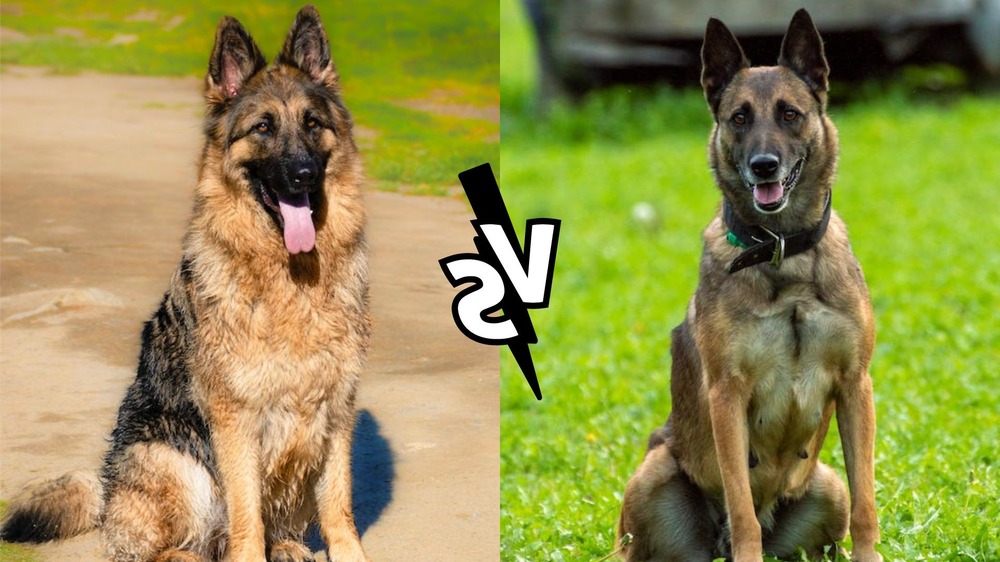
Even the short-coated Malinois benefits from regular brushing, and the long-coated varieties usually need more frequent attention to prevent tangles and to manage seasonal coat blows. Undercoat can release in significant amounts, especially in spring and autumn, and brushing becomes less about looks and more about comfort.
Keep grooming routines uncomplicated and predictable. A quick brush, a check of ears and paws, and a calm reward at the end can carry more value than an occasional long session that leaves everyone tired.
If you are new to the breed, it is worth learning what “normal” looks like for your dog’s skin and coat, because early changes are often subtle. Dull coat, persistent itch, or recurrent ear problems are the sorts of things to discuss with your vet rather than trying to solve with endless product swaps.
Food, growth, and feeding without getting lost in labels
Belgian Shepherds can be enthusiastic workers and enthusiastic eaters. The most useful feeding guideline is often the simplest one: feed the dog in front of you, not the numbers on a packet. Monitor body condition and muscle, then adjust.
Veterinary nutrition guidance commonly emphasises individual assessment, including diet history, body condition scoring, and avoiding being misled by marketing or ingredient-list shortcuts when choosing foods.5
Some everyday principles that tend to hold up well:
- Prioritise consistency, sudden diet changes can upset the gut.
- Use training treats strategically, for some Belgian Shepherds, treats can quietly add up to a large portion of daily calories.
- If you are considering supplements, do it with veterinary guidance, especially for joint products or anything marketed as calming.
Heat, weather tolerance, and safer summer routines
Belgian Shepherds are often described as weather-hardy, but a thick double coat and a high drive to work can be a risky mix in heat. Dogs can overheat quickly, particularly if they are exercising hard, in humid conditions, or unable to rest in shade.
Animal welfare advice for hot weather tends to be consistent: avoid exercising in the hottest part of the day, provide shade and water, never leave dogs in cars, and know the signs of heatstroke. If heatstroke is suspected, start cooling with tepid or cool water and seek veterinary care promptly.8
For many owners, the summer solution is not “no exercise”, it is changing the schedule. Early morning training, evening walks, indoor scent games, and shaded water play can keep a Belgian Shepherd satisfied without tipping them into overheating.
Choosing a Belgian Shepherd responsibly
This breed can be a wonderful match for people who enjoy training, want an engaged partner, and have room in daily life for both activity and skill-building. They are often less comfortable as a “set and forget” dog.
Before committing, it helps to be honest about what your days actually look like. A Belgian Shepherd usually does best with:
- Time for daily training and enrichment
- Comfort with management, including gates, leads, and calm routines
- A willingness to seek professional help early if reactivity, anxiety, or over-arousal starts to appear
When you meet well-bred, well-raised Belgian Shepherds, the impression is often the same: capable, responsive, and surprisingly thoughtful. The aim is not perfection. It is a life that suits the dog’s design, and a human who finds genuine enjoyment in meeting that design halfway.
References
- Dogs SA: Belgian Shepherd Dog (Groenendael, Tervueren, Laekenois, Malinois) breed standard
- RSPCA Australia Knowledgebase: Reward-based training recommendations
- RSPCA Australia Knowledgebase: Importance of puppy socialisation and critical period
- RSPCA Australia: Socialising your puppy
- World Small Animal Veterinary Association (WSAVA): Global Nutrition Guidelines
- American College of Veterinary Surgeons (ACVS): Canine hip dysplasia overview
- Merck Veterinary Manual: Seizures and epilepsy in dogs
- RSPCA Australia: Keeping your pet safe during the heat