

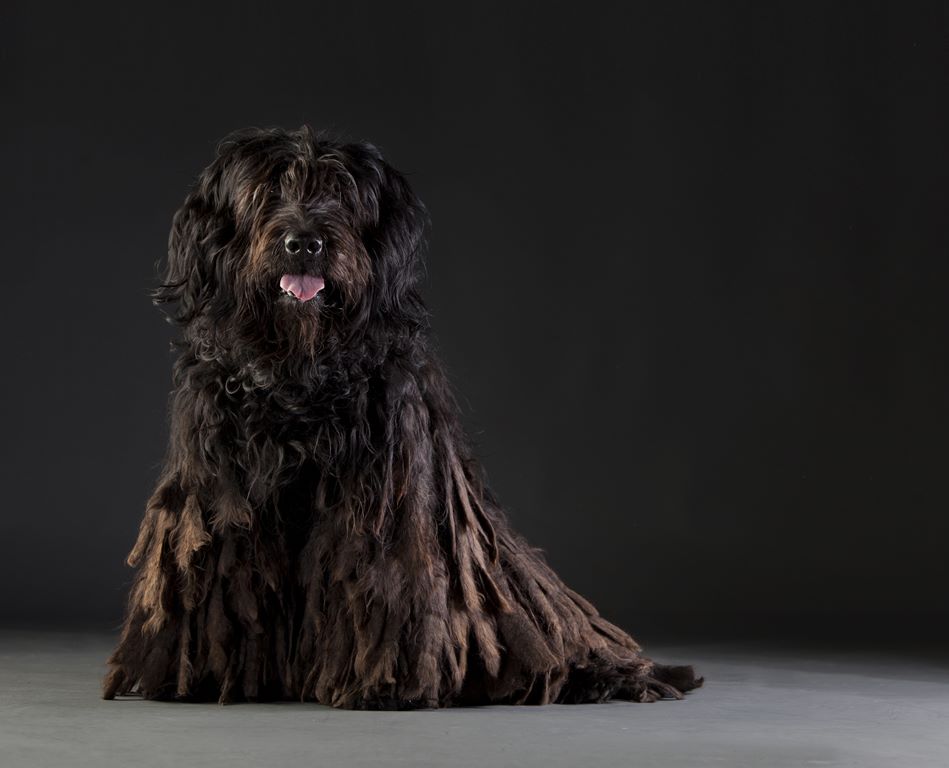
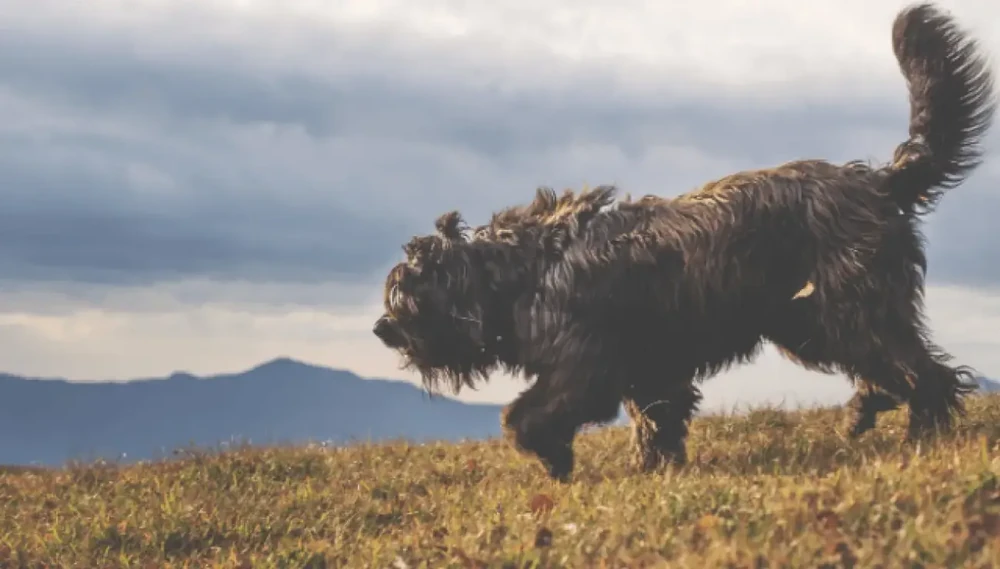
You might first notice a Bergamasco because of the coat. It can look like deliberate dreadlocks, or like a dog that has been allowed to matt. People often wonder if it is comfortable, if it is hygienic, or if it is a sign the dog is not being cared for properly.
The surprise is that, for this breed, the coat is meant to do that. It is part of how the Bergamasco developed as a working herding and guarding dog in northern Italy, where weather and terrain asked a lot of both people and animals. Done well, the coat becomes protective and practical, not a constant grooming battle.
Still, a Bergamasco is not a “low effort” dog. The care is simply different. The best outcomes tend to come from understanding what the coat is, what the dog was bred to do, and how to support that in a modern home.
- Breed category: Herding (drover, livestock guardian)
- Country of origin: Italy
- Typical height: About 54 to 62 cm at the withers (varies by sex and standard)
- Typical weight: About 26 to 38 kg
- Typical lifespan: Around 13 to 15 years
- Coat type: Long, naturally forming “flocks” (mats)
- Shedding: Often described as low once flocks are established
- Energy needs: Moderate to high, benefits from daily physical activity and mental work
- Maintenance level: Moderate, with specialised coat management
Early development and what the breed was made for
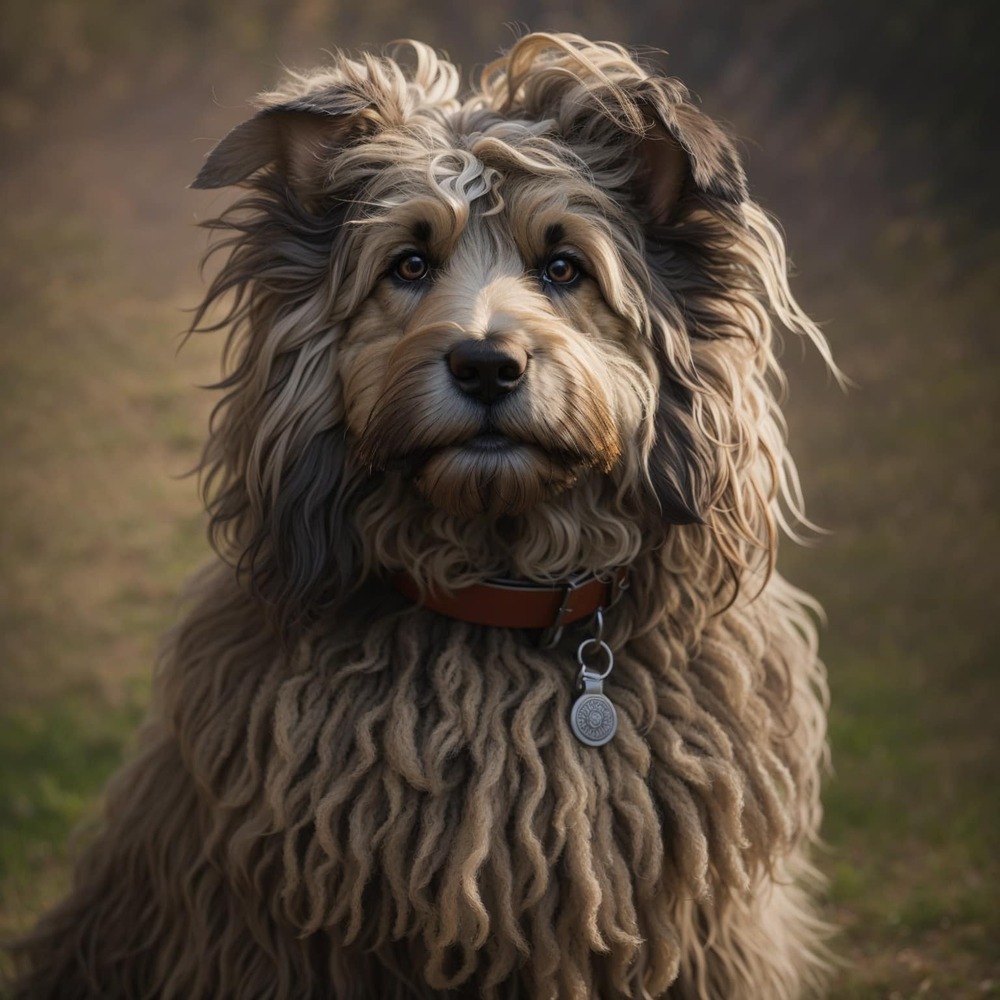
The Bergamasco Sheepdog (often called the Bergamasco) developed as a dog that could move and guard livestock while staying steady and functional in challenging conditions.1 Rather than constantly checking in with a handler, the breed is known for thinking through situations, which made sense in pastoral work where a dog might need to make sensible decisions at a distance.1
That working background still shows up in everyday life. Many Bergamascos are calm observers, but they tend to notice what changes in their environment, and they often do best when life includes a job in the broad sense, such as training games, scent work, herding-style outlets, or structured routines.
It also helps to remember the breed is not “rustic” because it is neglected. The coat and overall look are part of a functional design, and breed standards explicitly describe the coat as an integral feature rather than a cosmetic choice.1
Appearance and the flocked coat
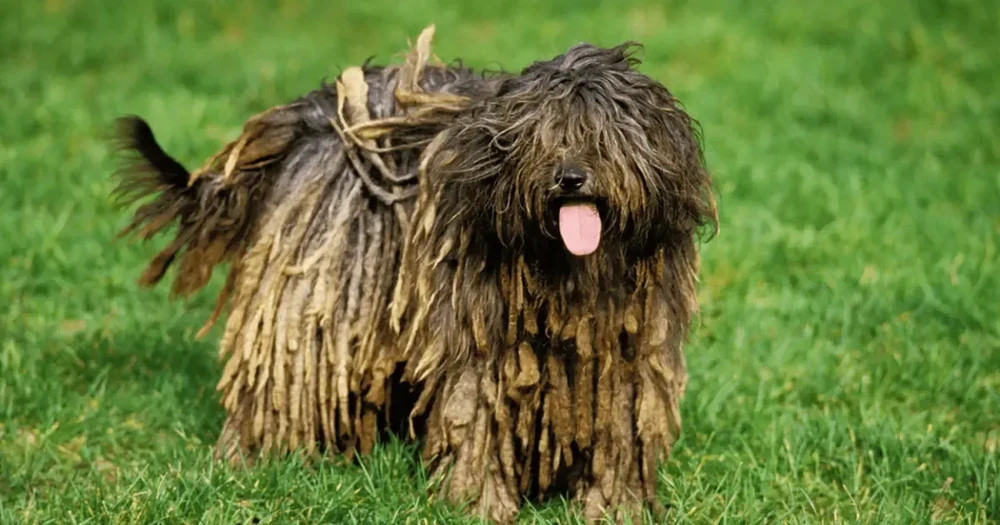
What makes the Bergamasco instantly recognisable is the coat, which forms flat, layered “flocks” rather than round cords. Breed guidance describes a coat made from three different hair types, which combine and felt together over time.2, 3
Those flocks are not meant to be brushed out. Once mature, they can act like natural insulation and help protect the skin from weather and rough terrain, which fits the breed’s history as a mountain working dog.2
Coat colour is commonly grey in shades and patterns, including merle, as well as black. Some standards also allow lighter shading on the lower part of flocks as older hair discolours, and they place limits on how much white is acceptable.3
Temperament and day-to-day suitability
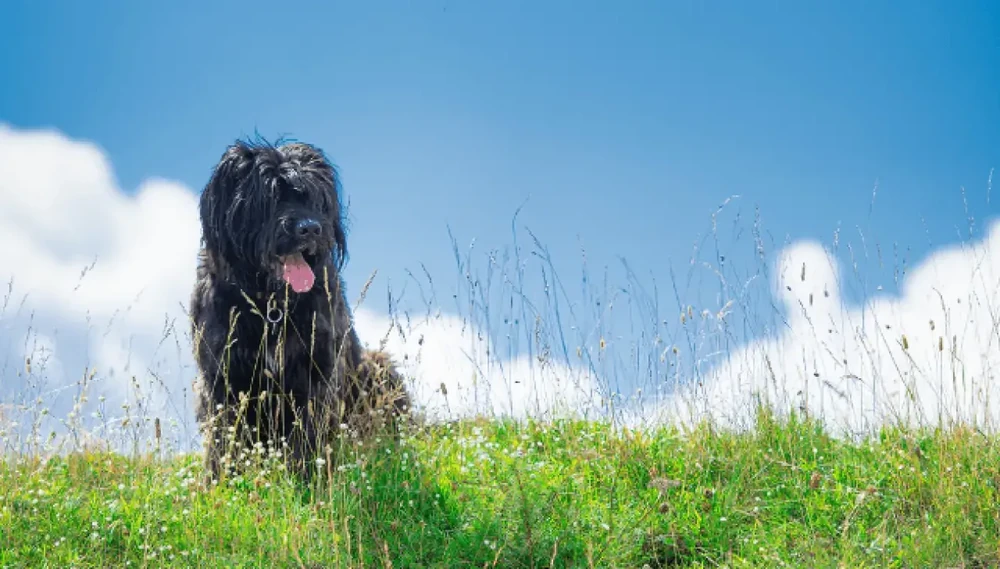
The Bergamasco is often described as intelligent, patient, and self-possessed. Breed standard language highlights a calm temperament, strong capacity for learning, and an ability to assess situations, which can look like independence in a household setting.1
For many homes, that can be a good thing. You may not get constant high-octane enthusiasm, but you often get a dog that settles well when its needs are met. The trade-off is that training can require steady, thoughtful handling. A Bergamasco may be less motivated by repetition and more motivated by purpose, clarity, and consistency.
With children and other pets, the basics still apply. Early, positive social experiences and sensible supervision matter more than assumptions about any breed. Herding heritage can sometimes show up as circling, blocking, or attempts to gather moving family members, especially if the dog is under-stimulated. That is usually a cue to adjust management and give the dog more appropriate outlets.
Training and exercise that actually suits the breed
Bergamascos tend to do best with training that is calm, clear, and reward-based. Short sessions, frequent wins, and practical skills (settle on a mat, recall foundations, loose lead walking) usually land better than drilling commands for perfection. The standard also notes that the breed should not be fearful or aggressive without cause, so significant reactivity or anxiety is worth discussing early with a veterinarian and a qualified trainer.1
Exercise needs are often described as moderate to high. What matters is not only kilometres walked, but also the quality of engagement. Many individuals enjoy:
- Long sniffy walks and time to explore safely
- Food puzzles and scent games at home
- Structured obedience foundations, done gently
- Low-impact conditioning, particularly as the dog matures
Because the coat can reduce heat dissipation, it is sensible to plan exercise around warmer weather. Use shade, water breaks, and cooler times of day, and treat overheating as a genuine risk rather than a minor inconvenience.
Health considerations and preventative care
No breed is completely “free” of health issues. Hip dysplasia is a well-known concern across many medium and large breeds. If you are buying a puppy, it is reasonable to ask breeders about orthopaedic screening and how they use results to guide breeding decisions.4
Eye conditions are also mentioned in many breed summaries. In practice, the most helpful step is routine veterinary care plus breed-relevant screening where appropriate, and paying attention to subtle changes, such as increased squinting, discharge, or bumping into objects.
Preventative care is unglamorous but powerful. Keeping vaccinations current, maintaining parasite control, monitoring weight, and looking after dental health all make a noticeable difference to comfort and longevity over time.5
Coat care and grooming routines
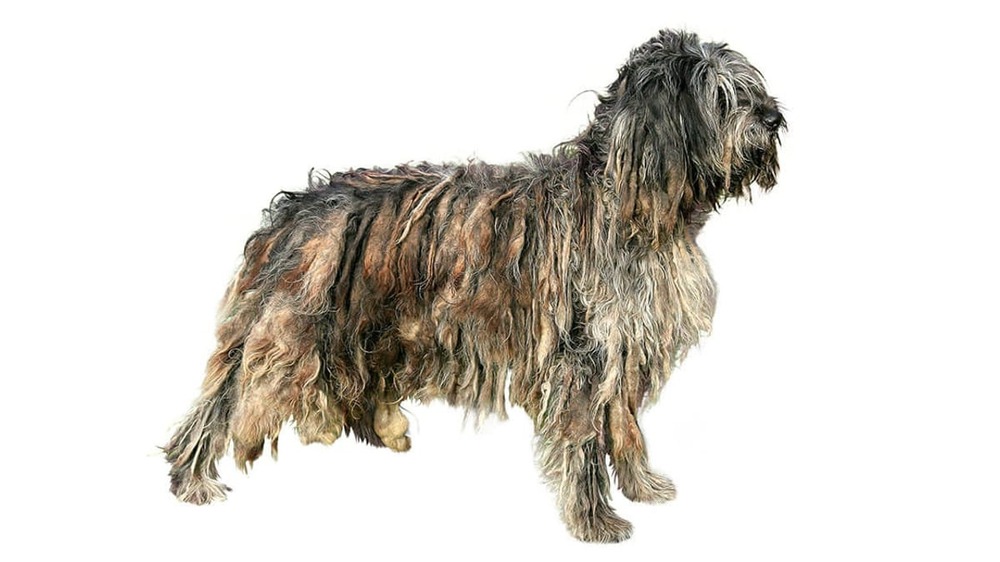
This is the part that most new owners either overthink or underestimate. A Bergamasco coat is not maintained by brushing. It is maintained by helping the coat form and stay in healthy flocks, and by keeping skin clean and dry.
Breed guidance describes a transitional period around the first year where the coat needs to be “ripped” (separated by hand) to create the flocks. Once done, the maintenance is often lighter than people expect, but it still needs follow-up checks so flocks do not merge back together.2
A few practical points that tend to help:
- Use your fingers to separate flocks, rather than brushing them out.2, 3
- Be cautious with bathing during heavy coat transition, as a wet, tightening coat can be harder to dry properly if flocks are not well separated.2
- Plan for drying time when you do bathe, since mature flocks can hold water.
- Check regularly for skin irritation, trapped debris, or hotspots, especially in warm, humid weather.
If you are unsure, the kindest approach is to find a groomer or breed mentor familiar with flocked coats. The goal is healthy skin and airflow, not a perfectly styled look.
Nutrition and feeding, keeping it simple and steady
There is no single perfect diet for every Bergamasco, but there are sensible principles. Feed a complete and balanced diet appropriate to life stage, monitor body condition, and adjust portions to the dog in front of you. If treats are part of training, they count as calories.
For broad, evidence-based guidance on choosing and using commercial foods, the World Small Animal Veterinary Association (WSAVA) provides practical recommendations that can help owners evaluate brands and claims without getting pulled into food trends.6
If you are considering a home-prepared diet, it is worth involving a veterinary nutritionist. It can be done well, but it needs formulation rather than guesswork to avoid deficiencies or imbalances over time.7
Final thoughts on living with a Bergamasco
The Bergamasco can be a quietly impressive companion. People who enjoy a dog that observes, thinks, and stays close without needing constant entertainment often find the breed a good fit. The coat, for all its drama at first glance, tends to become manageable once you understand the process and commit to doing it properly.
In the end, success with this breed usually comes down to matching lifestyle to instincts. Give a Bergamasco meaningful activity, patient training, and correct coat care, and you are more likely to get the steady, capable dog the breed was shaped to be.
References
- Bergamasco Sheepdog Club of America: AKC Standard
- Bergamasco Sheepdog Club of America: Coat
- Artos Bergamasco Sheepdogs: Breed Standard (coat structure and colour)
- Orthopedic Foundation for Animals: Hip Dysplasia
- RSPCA Australia: What vaccinations does my dog need?
- WSAVA: Global Nutrition Guidelines
- American College of Veterinary Nutrition: Frequently Asked Questions (home-prepared diets and nutrition specialists)
- American Kennel Club: Bergamasco Sheepdog Breed Information
- Federation Cynologique Internationale (FCI): Bergamasco Shepherd Dog (nomenclature and standard source)