

- Breed category: Herding
- Country of origin: France
- Average height: Males 60 to 65 cm, females 55 to 60 cm
- Average weight: Males 25 to 32 kg, females 23 to 30 kg
- Average life span: 12 to 14 years
- Grooming requirements: Moderate, regular brushing
- Exercise requirements: High, daily exercise and mental work
- Coat type: Rough, shaggy double coat
- Coat colour variations: Fawn, brindle
- Shedding level: Moderate
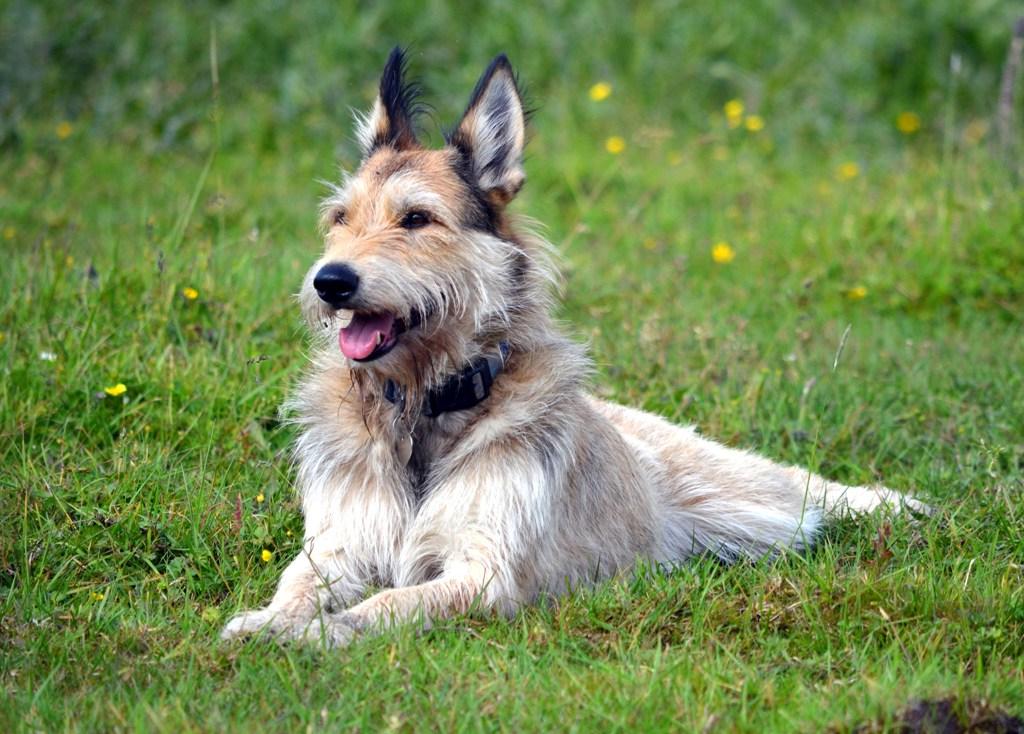
- Ear type: Erect, large
- Tail type: Long, slightly curved
- Temperament: Lively, loyal, intelligent
- Intelligence level: High
- Barking tendency: Moderate
- Compatibility with children: Often good with thoughtful handling and socialisation
- Compatibility with other pets: Often good, introductions matter
- Training ease: Generally responsive, consistency helps
- Common health considerations: Hip dysplasia, inherited eye conditions
- Dietary needs: Balanced, good-quality diet matched to activity
- Energy level: High
- Drooling tendency: Low
- Sensitivity to weather: Generally hardy, still needs sensible heat care
- Overall maintenance level: Moderate
- Original purpose: Herding sheep and cattle
- Recognition by kennel clubs: AKC Herding Group from 2015
- Apartment friendly: Not ideal for most homes
- Best suited for: Active households, ideally with space
- Cost of ownership: Moderate to high (varies by location and availability)
- Unique traits: Distinctive ears, weatherproof coat, athletic build
- Cultural note: Picardy Sheepdogs appeared as Winn-Dixie in the 2005 film
- Popularity rank: Rare breed
Sometimes you spot a dog that looks like a cheerful, windswept farmhand, tall ears, shaggy coat, and a steady, watchful way of moving. If you have seen one in a park, on a trail, or in a film, it can be hard to place. The Berger Picard (also called the Picardy Sheepdog) is one of those breeds that feels familiar, but is still uncommon enough that many people have never met one in person.1, 2
It is tempting to assume that a rough-coated herding dog will be low fuss: a bit of brushing, a daily walk, and they will quietly “fit in”. In practice, Picards tend to do best when their lives include regular movement and purpose, plus calm, consistent training. When those pieces are missing, the same intelligence that makes them wonderful partners can show up as restlessness, noise, or creative problem solving at home.1, 3
For the right household, the appeal is clear. You get a hardy, athletic dog with a very particular look, and a working background that still shows in how they engage with people and the world around them.1
Where the Berger Picard comes from
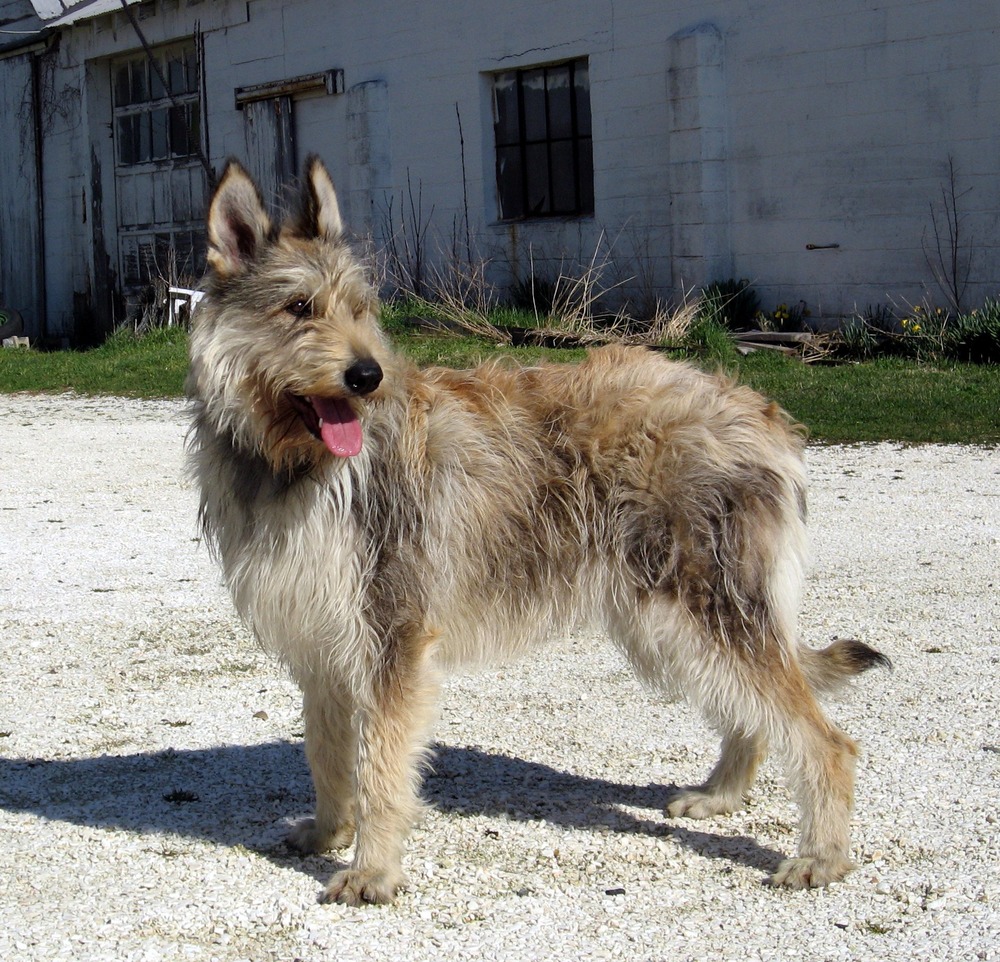
The Berger Picard originated in the Picardy region of northern France, developed as a sheep and cattle herding dog suited to long days outdoors. In modern breed records, the FCI recognises the Berger de Picardie as a French sheepdog with a long-established standard.4
You will sometimes see claims that the breed dates back to the 9th century. There are hints of “medieval roots” in art and regional history, but the more reliable, documentable milestones are later: Picardy sheepdogs were shown in France in the 1800s, and formal recognition and standards came in the early 1900s.2, 4
Like many European working breeds, numbers declined sharply through the World Wars. Modern populations exist because small groups of breeders and enthusiasts rebuilt lines carefully, often keeping the focus on sound structure and practical temperament rather than sheer popularity.4
Appearance and those unmistakable ears
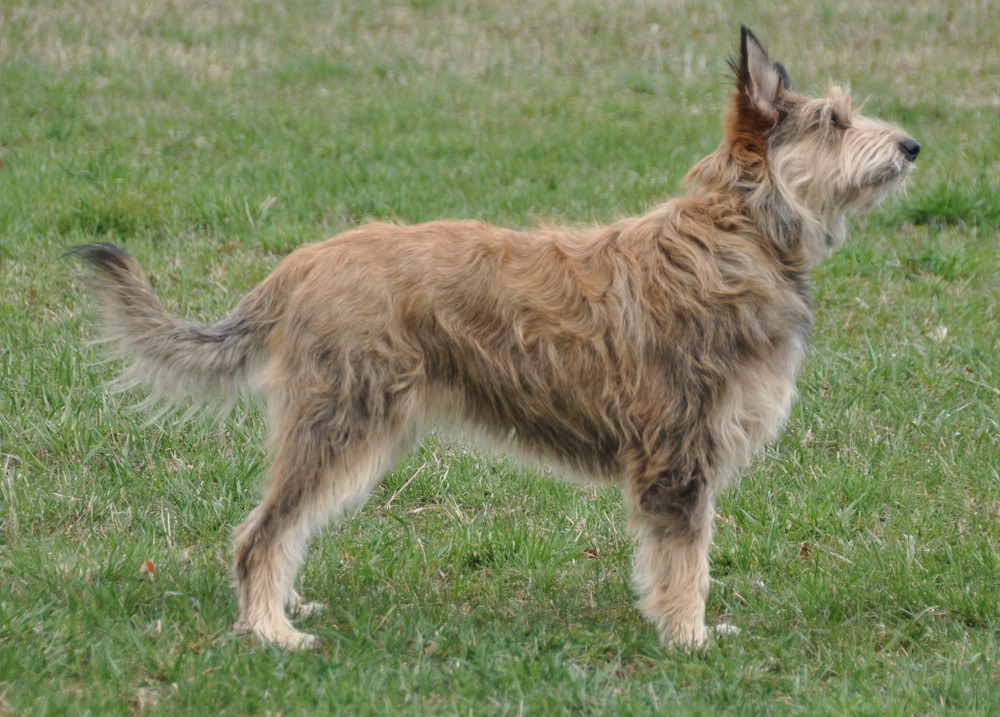
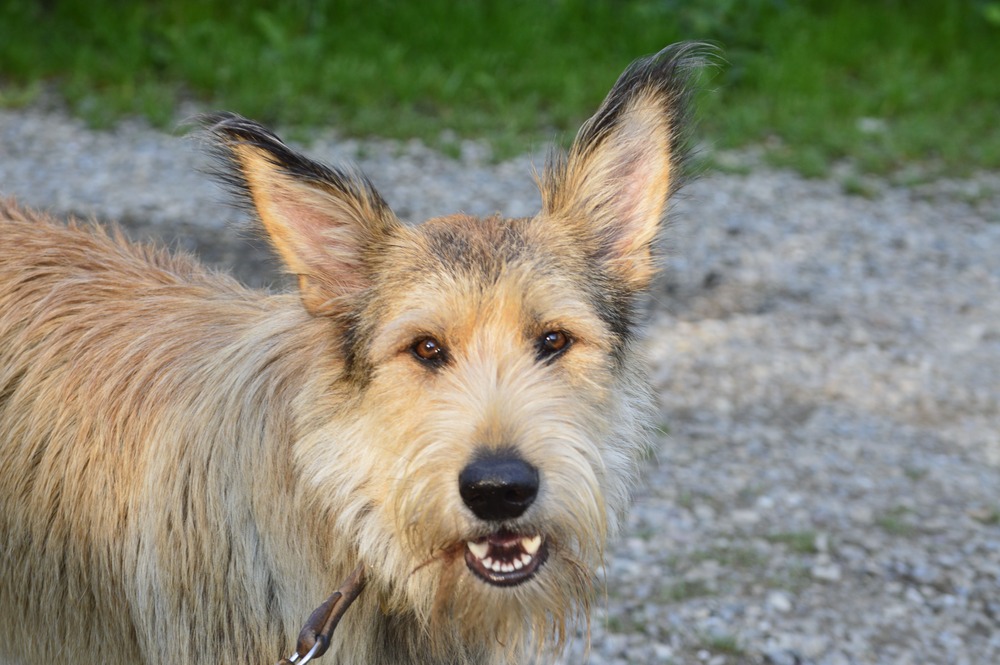
People tend to recognise a Berger Picard by three things: upright, wide-set ears, a rough coat that looks naturally tousled, and a fit, lightly rectangular outline built for endurance rather than bulk.4
The coat is harsh to the touch with an undercoat that helps with weather protection. Colours are typically fawn or brindle, with limits on large white areas according to the breed standard.4
Size-wise, most adults sit in a medium range, roughly 55 to 65 cm at the shoulder, with weights commonly in the low-to-mid 20 kg range up into the low 30s, depending on sex and build. Looking at the dog’s condition matters more than a number, you want a working athletic shape, not a padded one.4, 1
Temperament, the way it often shows up at home
Picards are commonly described as intelligent, alert, and loyal. In real life that can look like a dog who notices patterns quickly, learns routines fast, and keeps tabs on what is happening around the house and yard.1
They are not always instantly social with strangers. Many are a little reserved at first, then warmer once they have had time to observe and decide the situation is safe. This is not “stubbornness” so much as a dog that was bred to think while working. The best results come from calm exposure and consistency, especially during adolescence.1, 3
With children, a Berger Picard can be a lovely companion when adults keep play respectful and give the dog a break when it has had enough. As with any herding breed, it is worth watching for movement-triggered behaviours (like circling, staring, or trying to control a running game) and redirecting to structured play.1
Training that suits an independent herding brain
The Berger Picard often does best with training that is steady, practical, and positive. Harsh corrections can backfire, not because the dog is fragile, but because it can reduce confidence and cooperation. Short, rewarding sessions usually build better habits than long drills.1
Early socialisation matters, but it helps to think of it as “teaching the dog how to cope” rather than trying to make them love everything. Aim for lots of neutral, low-pressure experiences: different surfaces, calm greetings, light handling, car rides, and being around other dogs without having to interact every time.
If you want a useful rule of thumb, train for the dog you have in front of you. Some Picards thrive in dog sports such as agility, obedience, tracking, and herding activities. Others are happiest with brisk daily walks, off-lead time in safe areas, and puzzle feeding that gives their mind something to do.1
Exercise and enrichment, what “high energy” really means
“High energy” is not just about kilometres. Many Berger Picards need both physical exercise and daily mental work to stay settled. A long walk helps, but so does sniffing time, training games, varied routes, and tasks that let the dog use its senses and problem-solving skills.1
Activities that suit many Picards include:
- Long walks with time to sniff and explore
- Fetch or tug with rules and breaks
- Agility-style obstacles at a safe height
- Food puzzles and scatter feeding
- Herding-style games that are controlled, not frantic
If your household schedule is unpredictable, it is worth being honest about whether you can offer consistent outlets. A bored herding dog often finds a job of its own, and it is not always one you will appreciate.
Health considerations and sensible screening
Berger Picards are generally considered a robust breed, but like many medium and large dogs they can be affected by inherited conditions. Two issues commonly discussed are hip dysplasia and inherited eye disease such as progressive retinal atrophy (PRA).3, 5
Hip dysplasia is multifactorial. Genetics play a role, and factors like body condition and fitness influence how severe signs may be. Screening is typically done via radiographs (x-rays), and reputable breeders will usually have documented hip results, often through schemes such as OFA or PennHIP in the US.5
For eyes, routine veterinary checks are important, and in breeding contexts, formal eye screening and DNA testing may be relevant depending on the line and the condition being considered. If you are buying a puppy, ask for health test documentation rather than verbal assurances.3
As always, your local vet is the best partner for preventative care, vaccination choices, parasite control, dental health, and a weight plan that keeps joints supported across the dog’s lifespan.
Coat care and grooming, rough does not mean neglected
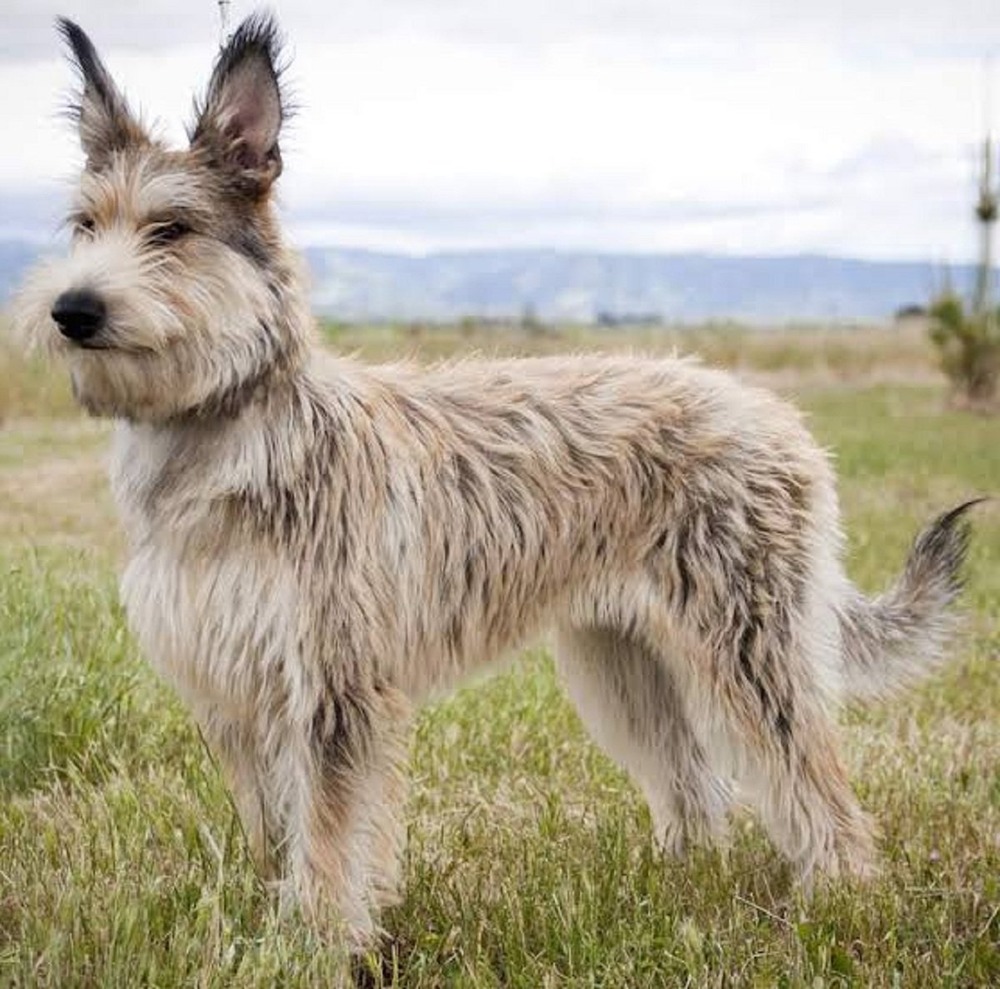
The Picard’s coat is meant to look natural. Grooming is less about creating a polished outline and more about keeping the dog comfortable, clean, and free of mats. For most homes, a good brush once or twice a week is enough, with extra attention during seasonal shedding periods.2
Bathing is usually occasional. Frequent washing can strip oils and make a harsh coat feel soft and fluffy, which is not the goal. Check ears regularly, keep nails neat, and get your dog comfortable with gentle handling early. Those small routines make vet visits and home care much easier later on.
Feeding and body condition for an athletic dog
A Berger Picard does best on a balanced diet that matches their activity level and life stage. The details vary (age, workload, climate, neuter status), but the principle is consistent: keep them lean enough that you can easily feel ribs under light covering, and watch for slow creep in weight as the dog settles into adulthood.
If you are unsure, ask your vet to score your dog’s body condition and talk through portion sizes. It is a practical conversation, and it can meaningfully reduce strain on joints over time, especially in breeds where hip health is a concern.5
Rarity, availability, and the Winn-Dixie effect
The Berger Picard remains relatively rare outside France, which is part of the breed’s appeal and also part of the challenge. It can mean waiting lists, long travel, and the need to do careful homework on breeders, health testing, and early puppy raising.
Some people first heard of the breed through the 2005 film Because of Winn-Dixie, where Picardy Sheepdogs were used to portray Winn-Dixie. Popular media can increase interest, but it does not change what the day-to-day dog needs: time, training, and a lifestyle that suits a working herder.6
If you are considering a Berger Picard, it helps to spend time with adults of the breed if you can, and to be clear about what you want a dog to do with you. When that match is right, the Picard tends to feel less like a “pet” and more like a capable partner who wants to be included in the real rhythm of your life.1
References
- American Kennel Club: Facts About the Berger Picard That You May Not Know
- The Kennel Club (UK): Picardy Sheepdog (Imp)
- Berger Picard Club of America: Road to full AKC recognition
- Federation Cynologique Internationale (FCI): Berger de Picardie (Standard and recognition details)
- UC Davis School of Veterinary Medicine: Hip Dysplasia in Dogs
- Wikipedia: Because of Winn-Dixie (film), production notes on the dogs used
- American Kennel Club: The Pack Has Expanded (press release, eligibility from July 1, 2015)
- United Kennel Club (UKC): Berger Picard Breed Standard