


People often notice a Bernese Mountain Dog before they know much about the breed. It might be a big tri-colour dog ambling along at the park, or a calm presence at a cafe table, looking sturdy enough to pull a small cart. The first assumption is usually that a dog that large must be high-energy, hard to manage, or built for constant work.
In practice, Berners often surprise people. They can be steady and companionable, sometimes even a bit slow to mature, and they tend to do best when life is predictable and family-centred. That size still matters though, because it shapes everything from training habits to heat management, joints, and the realities of vet care.
If you are considering a Berner, or already living with one, it helps to look past the photo-friendly coat and focus on the day-to-day: how they move through your home, how they cope in warm weather, and how you support a big body over a relatively short lifespan.
Bernese Mountain Dogs in context: heritage and what it still means today
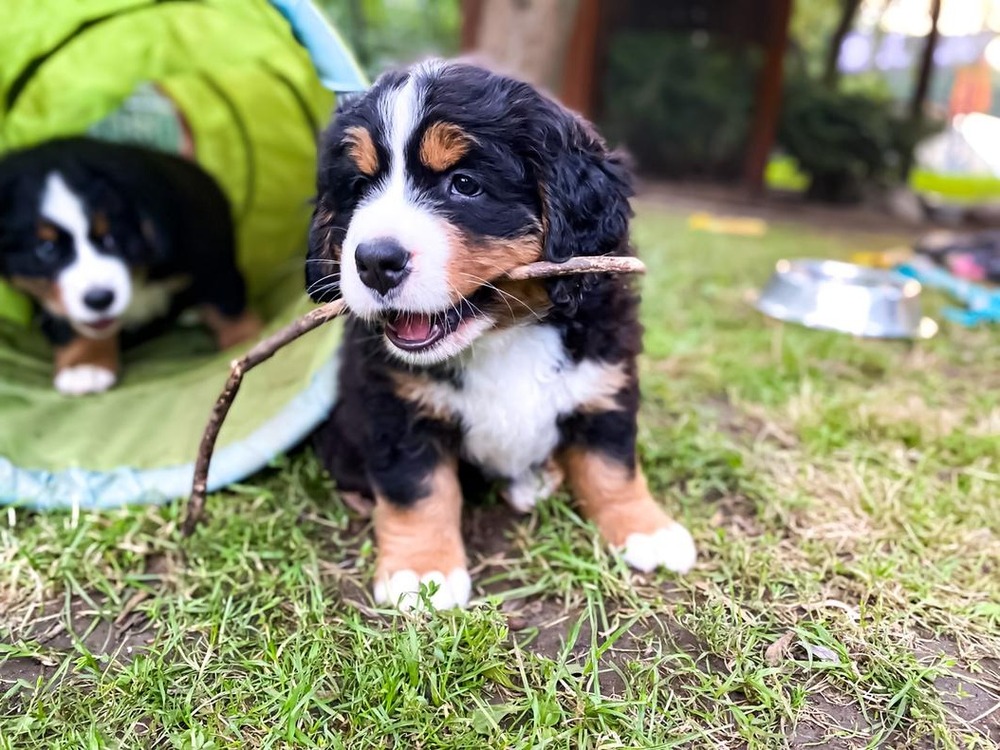
The Bernese Mountain Dog, also known as the Berner Sennenhund, developed in Switzerland as a versatile farm dog, strong enough for drafting and steady enough for everyday stock and property work.1 That working background still shows up in the modern dog, not as relentless drive, but as a preference for having a role and staying close to their people.
They are built for cooler conditions, with a substantial double coat and a body made for slow, powerful movement rather than speed. This is part of why many Berners look happiest on winter walks and can struggle on hot, still days. It is not that they cannot enjoy activity, it is that they often need a bit more thought around timing and recovery.
One useful way to think about the breed is this: a Berner is usually at their best when they can be both companion and participant. They may not demand constant entertainment, but they tend to do better with regular outings, small training goals, and time spent near the household rather than left out the back as an “outside dog”.
Temperament, family life, and what “gentle” really looks like
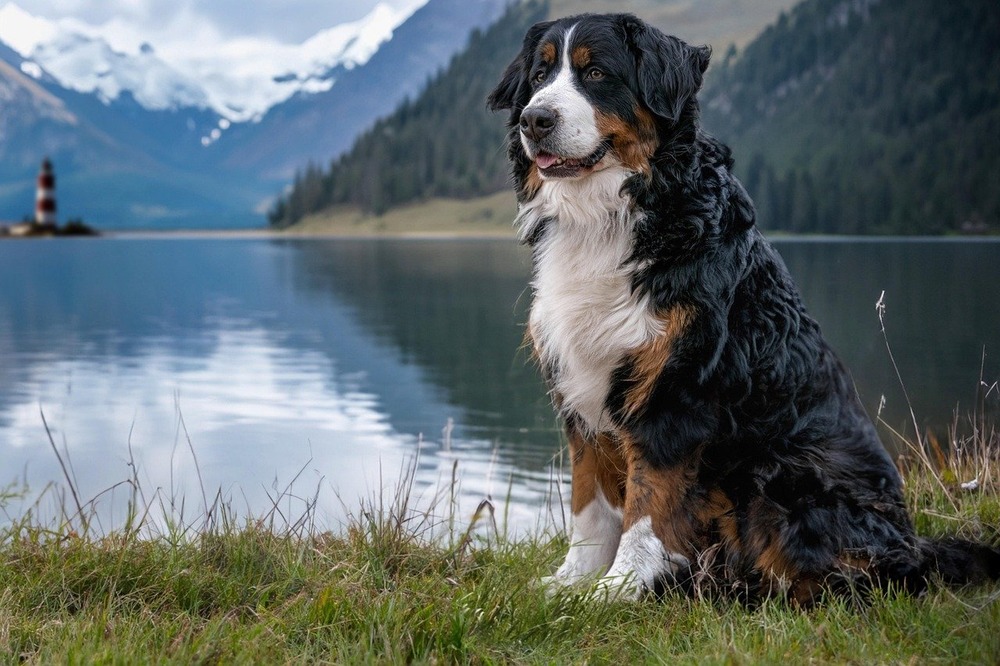
Bernese Mountain Dogs are widely described as friendly, affectionate, and good with children. That is often true, but “gentle” is not the same as “effortless”. A large dog can be calm and still knock a toddler over simply by turning around, or lean heavily into visitors when excited.
Many Berners are sociable, but some are reserved with strangers, especially if socialisation has been patchy or if the dog is in adolescence and feeling unsure.2 Their default style is often to watch first, then join in, rather than rushing forward.
In multi-pet households, they often do well, particularly when introductions are managed and everyone has space. What tends to matter most is not breed mythology, but the basics: calm first meetings, predictable routines, and making sure the Berner is not put in a situation where they feel they need to control the room.
Training and exercise: steady progress, not pressure
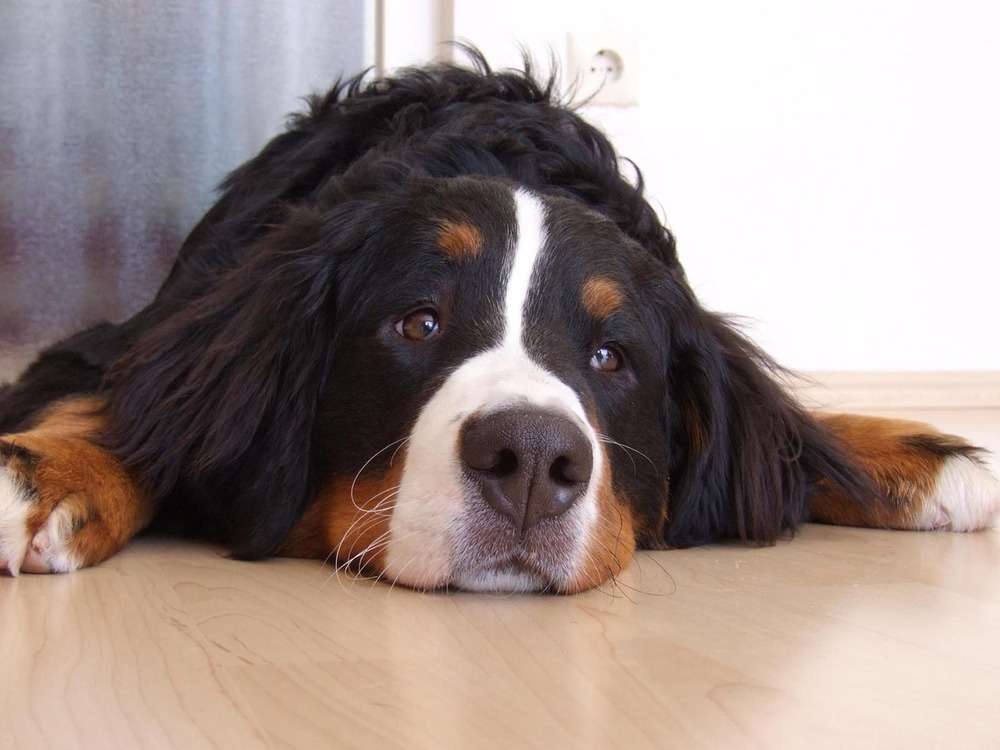
Training a Berner is usually less about “dominance” and more about clear repetition and rewards. Many are keen to cooperate, but they can be slow to physically and mentally mature. Short sessions that end on success often work better than drilling the same cue until everyone is tired.
Because they are large, it is worth prioritising practical life skills early: loose-lead walking, calm greetings, a reliable recall (within the limits of real life), and being comfortable with handling for grooming and vet checks. These are not glamorous goals, but they shape how easy the next ten years feel.
Exercise needs are often described as moderate. A couple of walks and some sniffing time can be enough for many adults, with hikes or carting-style activities as optional extras if the dog enjoys them. The key is to avoid the trap of thinking a big dog needs big exercise all the time. Overdoing it, especially in young dogs, can load joints that are still developing.
Health considerations: joints, cancer risk, and realistic expectations
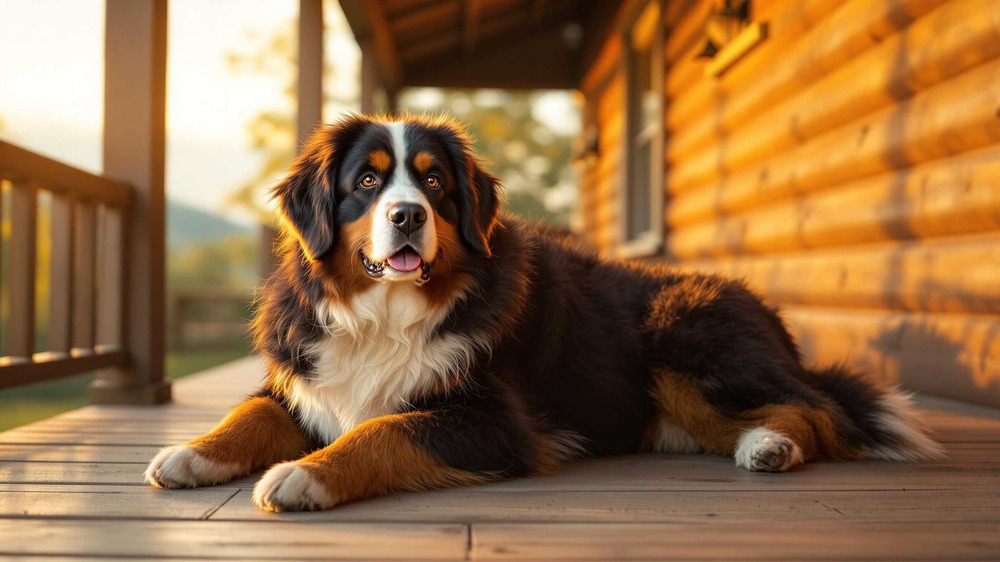
Berners are beloved, but they are also a breed where prospective owners should go in with open eyes. Many sources cite an average lifespan around 7 to 10 years, which is confronting if you are used to smaller breeds living well into their teens.3
Orthopaedic disease is a practical concern. Hip dysplasia is a developmental condition involving joint laxity that can lead to pain, lameness, and progressive arthritis over time. Genetics plays a major role, but growth rate, body weight, and overall management can influence how it shows up in an individual dog.4
Cancer is another major topic in the breed, with the Bernese Mountain Dog Club of America noting a high proportion of deaths attributed to cancer in their health study, and highlighting conditions such as histiocytic sarcoma and hemangiosarcoma among the breed’s concerns.5 This does not mean every Berner will face cancer, but it does mean health screening, breeder transparency, and budgeting for veterinary care matter more than they might in some other breeds.
If you are choosing a puppy, ask what health testing is done in the line, and how long close relatives have lived. A good breeder should be willing to discuss the uncomfortable parts, not just the pretty ones.
Heat, coat, and everyday safety in warm weather
Bernese Mountain Dogs have a thick coat and a large body mass, and that combination can make heat management a real issue. In Australia, warm days are not an occasional inconvenience, they are part of life. This is one of the strongest reasons Berners are often a better match for households that can offer cool indoor space, shaded yards, and flexible walking times.
RSPCA guidance is clear that heatstroke is a serious emergency, and prevention is largely about sensible choices: avoid exercise in hot or humid weather, provide shade and ventilation, and never leave a dog in a car.6 Even without direct sun, a big, thick-coated dog can overheat quickly if the air is still and the body cannot dump heat efficiently.
Signs of overheating can include heavy panting, drooling, agitation, vomiting, diarrhoea, weakness, collapse, or confusion. If you suspect heatstroke, seek veterinary help immediately. While basic cooling can help on the way, the safest plan is to treat it as a time-critical emergency rather than waiting to see if the dog “settles”.6
Grooming that supports skin health, not just appearance
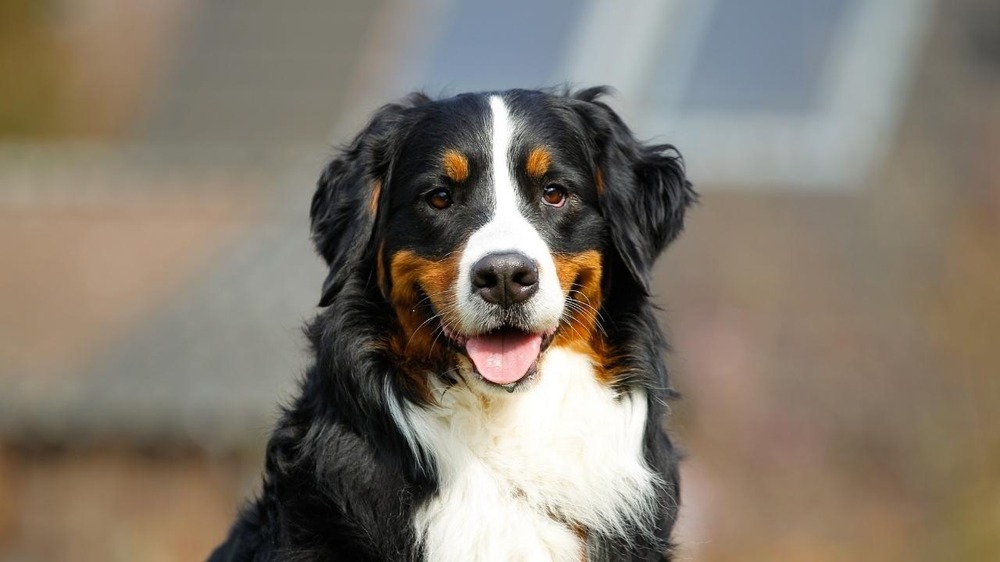
A Berner coat is one of the breed’s joys, but it is also a commitment. Regular brushing helps prevent matting, reduces the amount of hair that ends up in the house, and lets you notice early changes like skin irritation, new lumps, or sore spots. Aim for a thorough brush a few times a week, and more during seasonal shedding.
It is tempting to chase a “fluffy” look, but the more useful goal is function: a coat that can insulate, shed water, and allow air movement close to the skin. If matting is frequent, it is often a sign that the brushing routine needs adjusting, or that friction points (behind ears, under the collar, armpits, and breeches) need more attention.
While some owners consider shaving in summer, that can create its own problems, including sun exposure and coat regrowth issues. For most Berners, a better approach is regular brushing, sensible exercise timing, and access to cool spaces.
Feeding and body condition: protecting joints with everyday choices
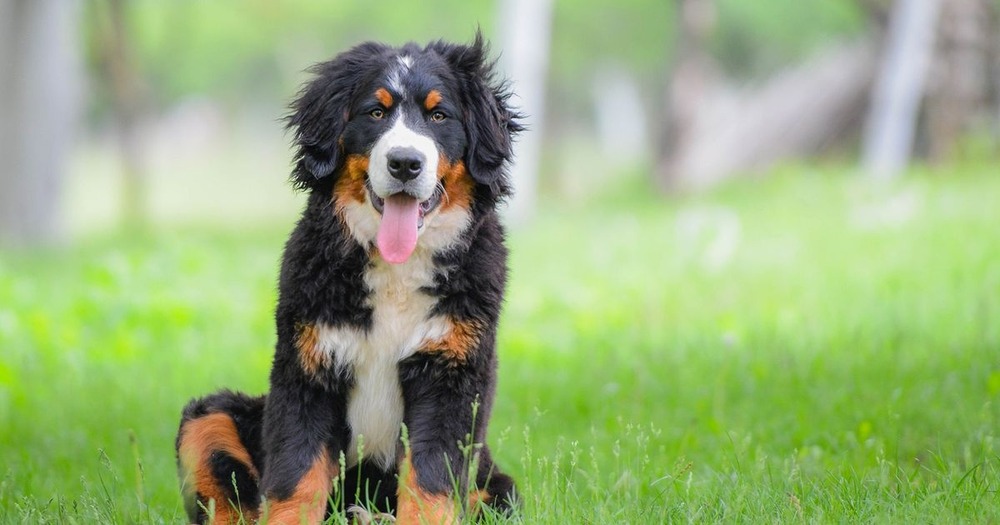
Berners can carry extra weight easily, and in a big breed, that weight shows up in the joints first. Keeping your dog lean is one of the most practical ways to support mobility and comfort across their life, especially given the breed’s orthopaedic risks.4
Choose a diet that is labelled as complete and balanced, and be cautious about advice that relies on hype rather than nutrition standards. The World Small Animal Veterinary Association offers practical guidance on evaluating pet food and working with your vet to pick an option that fits your dog’s age, body condition, and health needs.7
If you are unsure about portions, your vet can help you use a body condition score and adjust food over a few weeks. For many dogs, the change that matters most is not a dramatic diet swap, it is measuring meals and treats consistently.
Is a Berner a good fit for your home?
The Bernese Mountain Dog tends to suit people who like a steady companion and have room for a large dog to move comfortably. A small apartment is not automatically impossible, but it does make everyday logistics harder: turning space, stairs, cooling, and transporting a heavy dog if they are unwell.
If you are still deciding, it is worth meeting adult Berners, not just puppies. Puppies are adorable, but the adult dog is the one you will share your routines with. It can also be worth speaking with a veterinarian about breed-specific planning, and considering rescue or rehoming options if you would rather skip the puppy stage entirely.8
At their best, Berners are not showpieces. They are present, sturdy dogs who settle into the fabric of a household. They ask for time, grooming, and thoughtful health management, and in return they often offer a calm kind of companionship that feels grounding.
References
- Federation Cynologique Internationale (FCI): Bernese Mountain Dog (Berner Sennenhund) breed listing
- American Kennel Club (AKC): Bernese Mountain Dog breed information
- Bernese Mountain Dog Club of America (BMDCA): Longevity information
- American College of Veterinary Surgeons (ACVS): Canine hip dysplasia overview
- Bernese Mountain Dog Club of America (BMDCA): Diseases and conditions
- RSPCA Australia: Protect pets from heatstroke
- World Small Animal Veterinary Association (WSAVA): Global Nutrition Guidelines
- ABC News: How to tell if a puppy is from a reputable breeder