

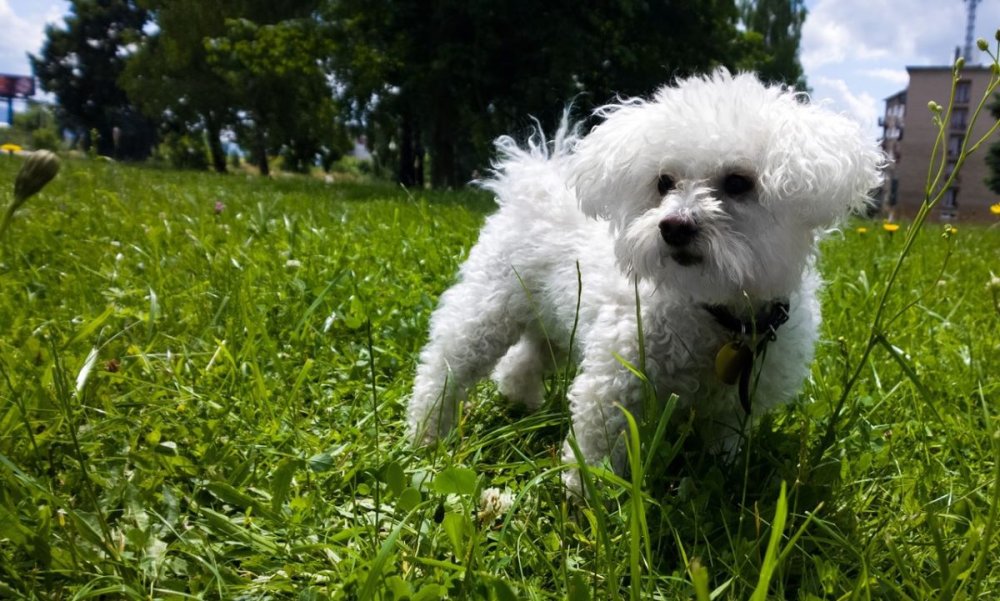
Most people first notice a Bichon Frise in a very ordinary moment: a small white dog trotting past with a coat that looks like a soft toy, or a friend’s “non-shedding” dog leaving surprisingly little hair on the couch. Then come the practical questions. Is that coat actually low-allergen? How much grooming is realistic? And what are they like to live with when the novelty wears off?
The Bichon Frise can be a wonderful companion, but they are not a “set and forget” little dog. Their size makes them easy to carry, fit into a unit, and bring along to family life. Their coat and social nature, though, mean there are routines you will want to get right early, especially grooming, training, and time spent together.
What follows is a grounded look at what the breed is, where it came from, and what daily care tends to look like in real homes, with a few gentle cautions where common assumptions can trip people up.
At a glance: what a Bichon Frise is like
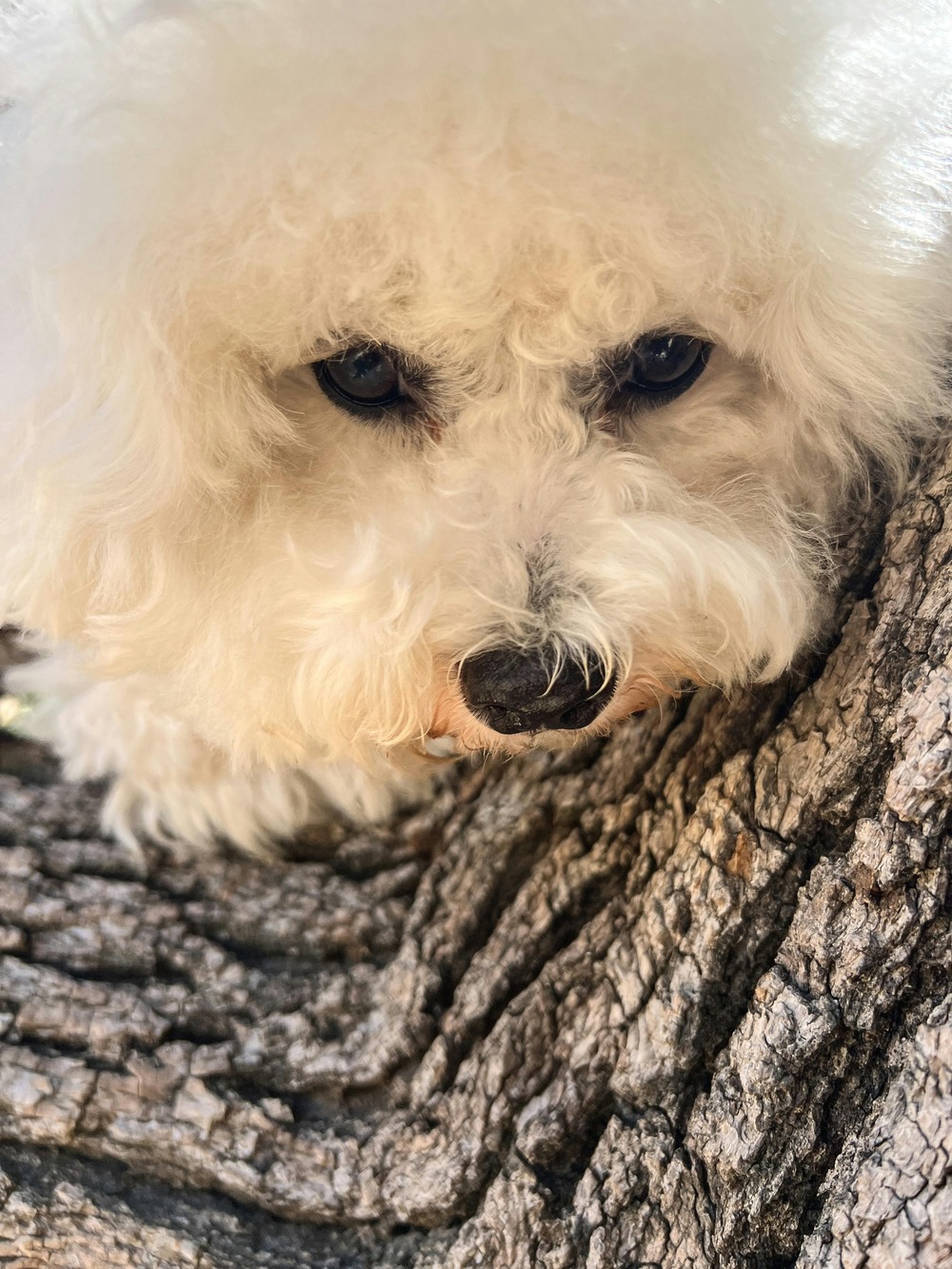
The Bichon Frise is classed in Australia as a Toy breed, traditionally kept as a companion dog.1 They are small, lively, and typically people-focused, which can feel like an easy fit for many households, including apartment living, as long as daily interaction is part of the plan.
- Size: typically under 30 cm at the withers in the Australian breed standard.1
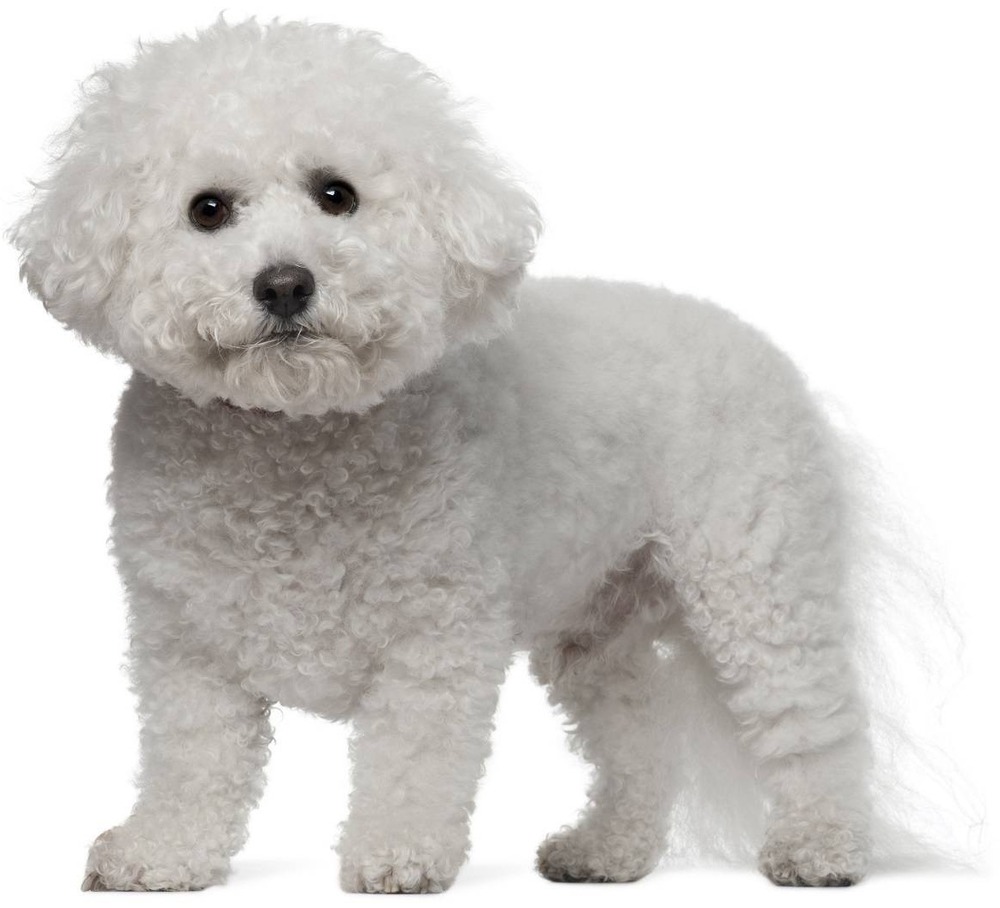
- Coat: fine, silky hair with soft corkscrew curls, usually kept clipped and shaped with regular grooming.1
- Temperament: described in the standard as “gay and happy”, often experienced as bright, social, and playful in day to day life.1
A helpful way to think about the Bichon is this: small body, full routine. They tend to do best when their people enjoy doing the little maintenance jobs consistently, rather than trying to “catch up” every few weeks.
History and origin
The Bichon Frise belongs to a wider family of small white companion dogs that developed around the Mediterranean and later became popular across parts of Europe. Over time, different countries shaped their own types and standards, and the modern Bichon Frise is best understood as a deliberately bred companion dog, selected for an appealing appearance, an easy size, and an engaging, social temperament.6
Breed histories are often told with charming details about courts and nobles. Some of those stories may be difficult to pin down precisely, but what matters more in practice is the result: the Bichon’s modern temperament suits close contact with people, and they generally cope poorly with being treated like a decorative dog who is left to their own devices.
If you enjoy a dog that wants to be involved, and you can offer structure without harshness, a Bichon’s background as a companion breed makes sense very quickly once you live with one.6
Physical characteristics and coat reality
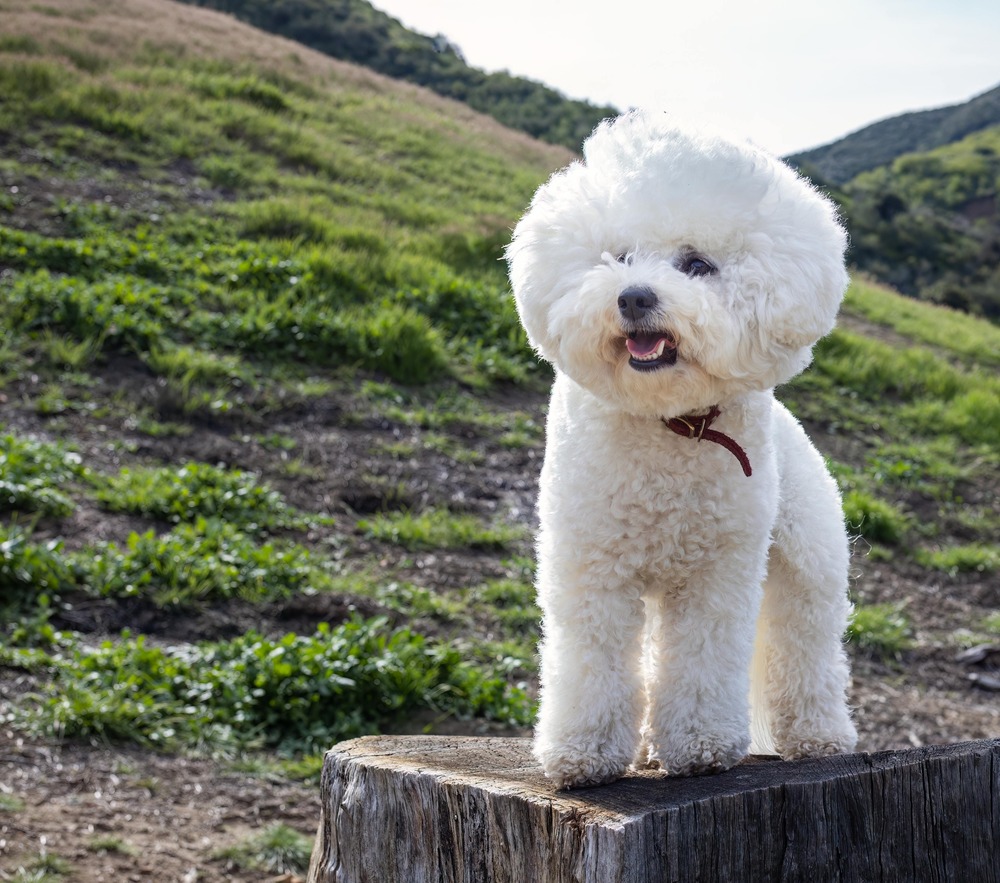
Bichons are compact, bright-eyed dogs, usually white in the breed standard, with pigment preferred under the coat and on the nose and eye rims.1 Their hallmark is the curly coat, which tends to stand off the body when maintained properly.
Many people are drawn to Bichons because they are described as low shedding, and that can be true in a narrow sense. Some sources note that shed hair often gets trapped in the coat rather than falling onto the floor, which is why brushing matters so much.5 The trade-off is simple: less hair on the couch can mean more work in the coat.
It is also worth being careful with the word “hypoallergenic”. No dog is truly non-allergenic, and individual reactions vary. If allergies are part of your household, it is wise to spend time with adult Bichons, talk with your doctor or allergy specialist, and avoid assuming that coat type alone solves it.
Temperament and behaviour in daily life
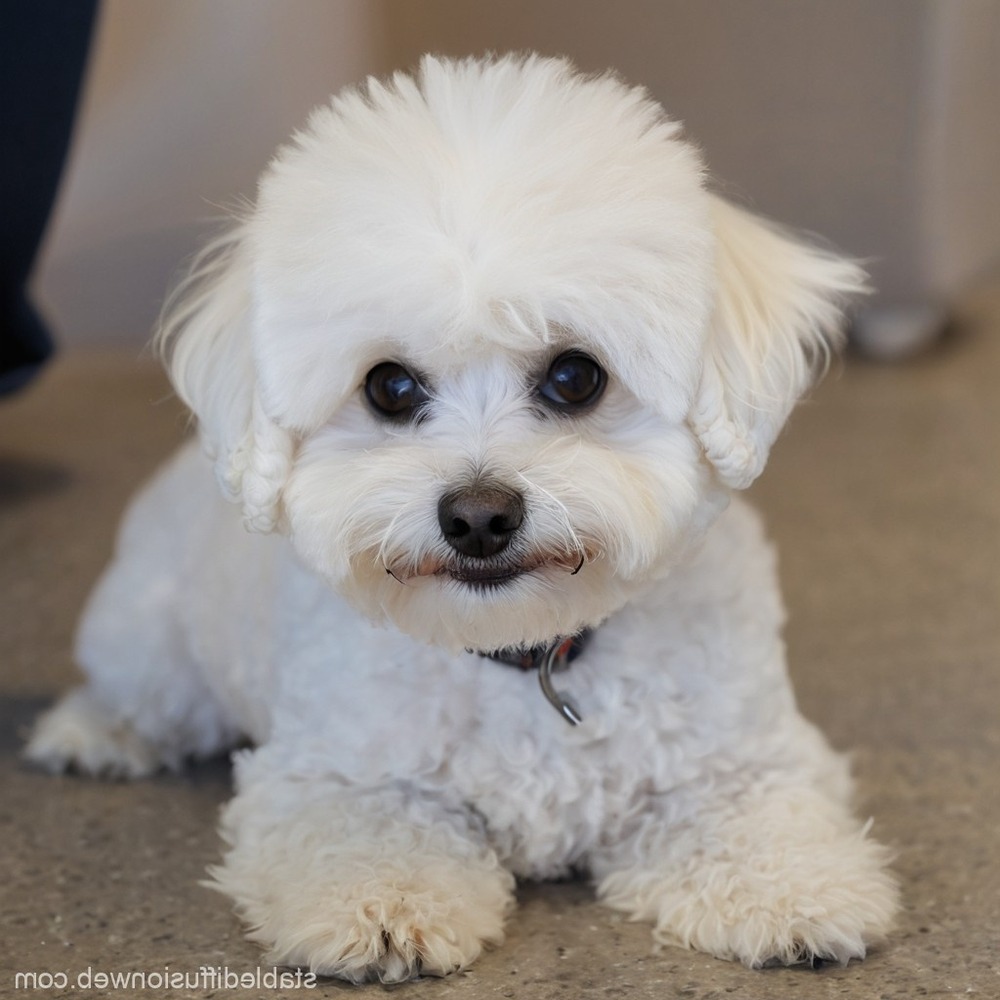
The breed standard describes a lively, happy dog with an alert, expressive look.1 In homes, that often translates to a dog who notices patterns quickly, follows people from room to room, and learns what gets attention.
That’s a lovely quality when you enjoy engagement, but it also means Bichons can develop nuisance behaviours if their days are a bit empty. It is not uncommon for small companion breeds to use barking, pawing, or restless behaviour to close the gap between what they need and what the household is offering.
If you are choosing a Bichon for family life, the biggest success factor is usually not the dog’s friendliness. It is whether the household can provide steady interaction and gentle boundaries, especially around handling, play, and settling.
Training, socialisation, and exercise
With Bichons, training tends to work best when it feels like a conversation rather than a confrontation. Short sessions, clear cues, and rewards that actually matter to the dog (tiny food rewards, a quick game, or a favourite toy) usually go a long way.
Early socialisation is less about forcing the puppy into busy places, and more about building calm, positive exposure to the world: different floors, gentle visitors, respectful dogs, grooming tools, and being left alone for short, manageable periods.
Exercise needs are typically moderate. Many Bichons are happy with daily walks and play, plus a little training woven into the day. Mental work counts too, especially simple scent games and food puzzles.
- Keep walks short and regular, rather than occasional long outings.
- Add small “thinking” tasks, like scatter-feeding in grass or basic trick training.
- If barking becomes a pattern, look first at routine, sleep, and stimulation, then ask your vet or a qualified trainer for help.
Health and lifespan: what to watch for
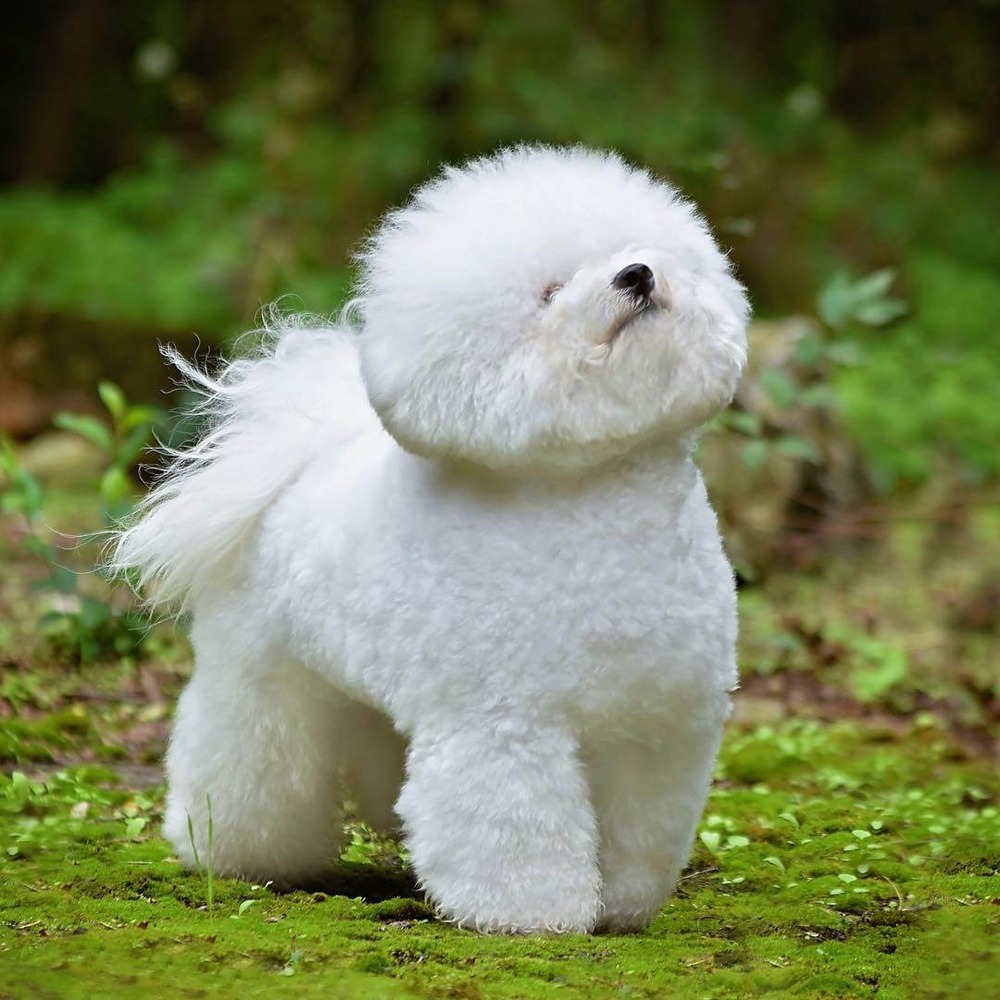
Bichons are often described as generally healthy, with many living well into their teens with good care.5 Like all breeds, they can be predisposed to certain conditions, and it is sensible to be aware without becoming anxious about it.
Commonly discussed concerns include:
- Dental disease, which is especially common in smaller dogs and can progress quietly without a home routine.2, 3
- Luxating patella (a kneecap that slips out of position), seen across many small breeds and sometimes noticed as a skip or intermittent hindlimb lameness.4
- Skin issues and allergies, which can show up as itch, ear irritation, or recurrent infections in some individuals.5
Two practical habits make a big difference over a lifetime: regular veterinary checks and a simple home monitoring routine (weight, coat and skin, ears, teeth, and gait). If something changes, it is worth investigating early, because small dogs can deteriorate faster than people expect.
Grooming and maintenance
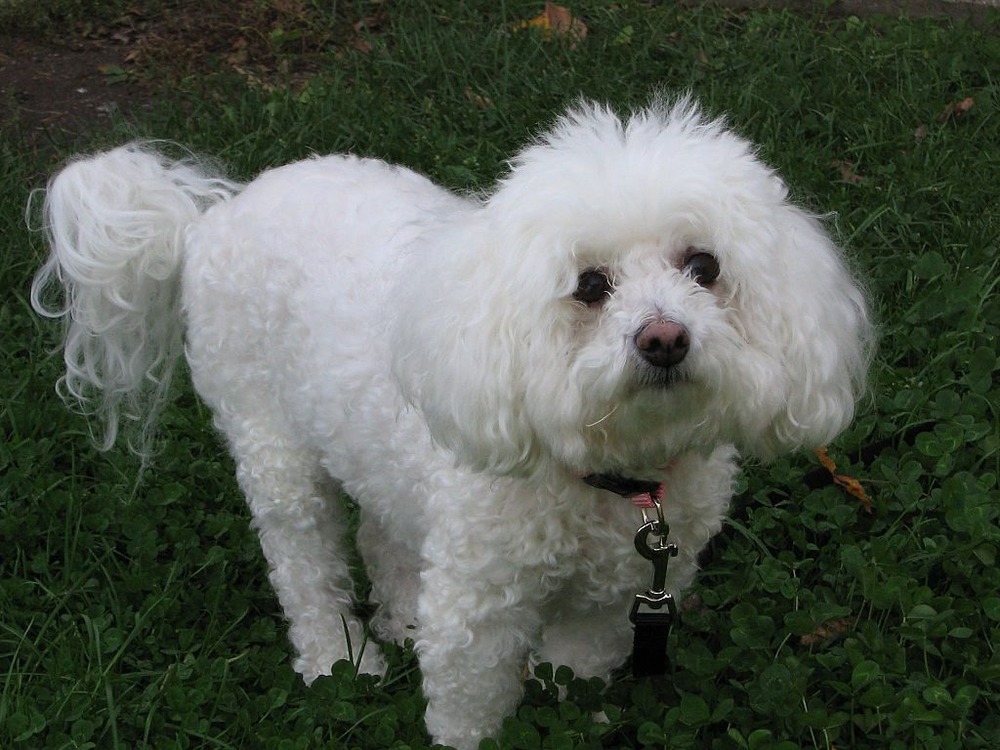
Grooming is not cosmetic for Bichons. It is part of comfort and skin health. The coat is designed to grow and hold its shape, which is lovely, but it also means tangles can tighten into mats that pull on the skin and trap moisture.
A workable home routine usually includes:
- Regular brushing and combing to the skin, not just skimming the top layer.
- Professional grooming on a schedule that suits your dog’s coat and lifestyle (often every 4 to 6 weeks for many pet trims).5
- Routine checks of ears, eyes, and paws, especially if your dog is prone to itch or tear staining.
It can help to introduce grooming as a calm, predictable activity, with breaks. Many “difficult grooming dogs” are not stubborn. They are dogs who have learned that grooming is uncomfortable, rushed, or confusing.
Diet and weight management
Bichons are small, which means little weight gains can matter. A few extra treats a day can add up quickly, and extra weight can make issues like luxating patella and general mobility harder to manage.
Veterinary nutrition guidance tends to focus on choosing a complete and balanced diet, monitoring body condition, and adjusting portions based on the dog in front of you, not the feeding guide on the bag.7 If you are unsure, your vet can help you assess body condition and build a realistic plan.
- Aim for treats under 10 percent of daily energy intake, and use part of the dog’s meal as training rewards when you can.7
- Weigh food for a couple of weeks if weight is creeping up, because eyeballing is often optimistic.
- Fresh water, consistent meal times, and slow, steady changes when switching diets.
Living with a Bichon Frise: who they suit best
In the right home, Bichons are charming, funny little companions who fit neatly into daily life. They often suit people who are home a fair bit, enjoy training in small doses, and do not mind coat care becoming part of the weekly rhythm.
They can be a good match for families, singles, and older owners, but the match is strongest when everyone understands the basics: the dog needs time with people, predictable routines, and grooming that is treated as normal care, not an occasional project.
If you are considering a Bichon, look for breeders who prioritise health and temperament, or consider breed rescue. Either way, plan for the ongoing costs of grooming and dental care, because those are where Bichon ownership often becomes more demanding than people expect.
References
- Dogs Australia (ANKC): Bichon Frise breed standard
- RSPCA South Australia: Dental care for dogs and cats
- Greencross Vets: Dental home care for pets
- Merck Veterinary Manual: Patellar luxation in dogs
- Purina: Bichon Frise dog breed information
- The Kennel Club (UK): Bichon Frise breed standard
- WSAVA: Global Nutrition Guidelines